| September 18, 2026
 South Africa's #1 Mobile Protection Brand
Somewhere between deciding to take a photograph and actually raising the camera, the moment you wanted has usually moved on. Snap photography exists to solve exactly that problem. You shoot first and think afterwards, trusting that the scene in front of you is already more interesting than anything you could arrange. Street photography is the best-known branch of it, but snap shooting covers a great deal more ground than pavements and shopfronts — children mid-sprint at an athletics meeting, late light raking across a harbour wall in Kalk Bay, someone on a stoep laughing at something happening just outside the frame. This guide sets out what snap photography actually is, how it differs from portraiture, the main types worth trying, and what to look for in a lens for street photography and everyday snap shooting.
A snap is an ordinary moment photographed in its natural state. Nothing is arranged beforehand: you do not choose the subject, you do not build the composition, and you certainly do not ask anyone to hold still. What you get in exchange for that loss of control is spontaneity — a quality that is almost impossible to manufacture once a scene knows it is being photographed. The word itself comes from hunting, where a "snap shot" meant firing quickly at a bird without taking careful aim, and the sense carried across to photography more or less intact. Snap shooting is the habit of working fast enough that the scene never has a chance to rearrange itself around you.
Street photography is the most recognisable form this takes, and it is worth being precise about what it means. The usual definition of street photography is candid photography of public life — people, architecture, light, movement and the unplanned collisions between them, made in places anyone is free to walk. The meaning of street photography has never depended on the presence of a literal street. A market hall in Durban, a station concourse in Johannesburg, a promenade in Sea Point: all of them qualify, because what matters is public life observed rather than directed. Everything else in this article — children, celebrations, buildings, landscapes — is the same instinct applied to a different subject.
The two are easy to confuse, because a great many snaps have people in them. They are nonetheless different disciplines with different working methods.
A portrait is a photograph in which a person is the subject. That holds even when only part of them appears in the frame — a pair of hands, a silhouette against a window — as long as the person is what the image is about. Portraits are almost always discussed in advance. The photographer and the person being photographed agree on a location, talk through the poses and compositions they want, and work towards a result they have both pictured beforehand. A portrait, in that sense, is made by two people rather than one.
A snap works the other way around. There is no agreed shot list and usually no conversation at all before the shutter goes. The picture exists because the photographer noticed something and reacted to it, which is why the person in the frame is so often unaware of the camera and entirely themselves. That unawareness is the whole point. The instant someone registers a lens and adjusts their posture, you have stopped taking a snap and started taking a portrait, whether you meant to or not.
The practical consequence is that snap photography rewards attention more than planning. Missing the moment is the only real failure mode, and no amount of preparation compensates for looking in the wrong direction. The other significant difference is one of scope: portraits are about people by definition, while snaps are not limited to them at all. Buildings, landscapes, weather, animals and entire streetscapes are all fair subjects.
Because the subject matter is so open, it helps to see the main branches laid out. Each of the following works slightly differently, and most photographers find they naturally gravitate towards two or three.

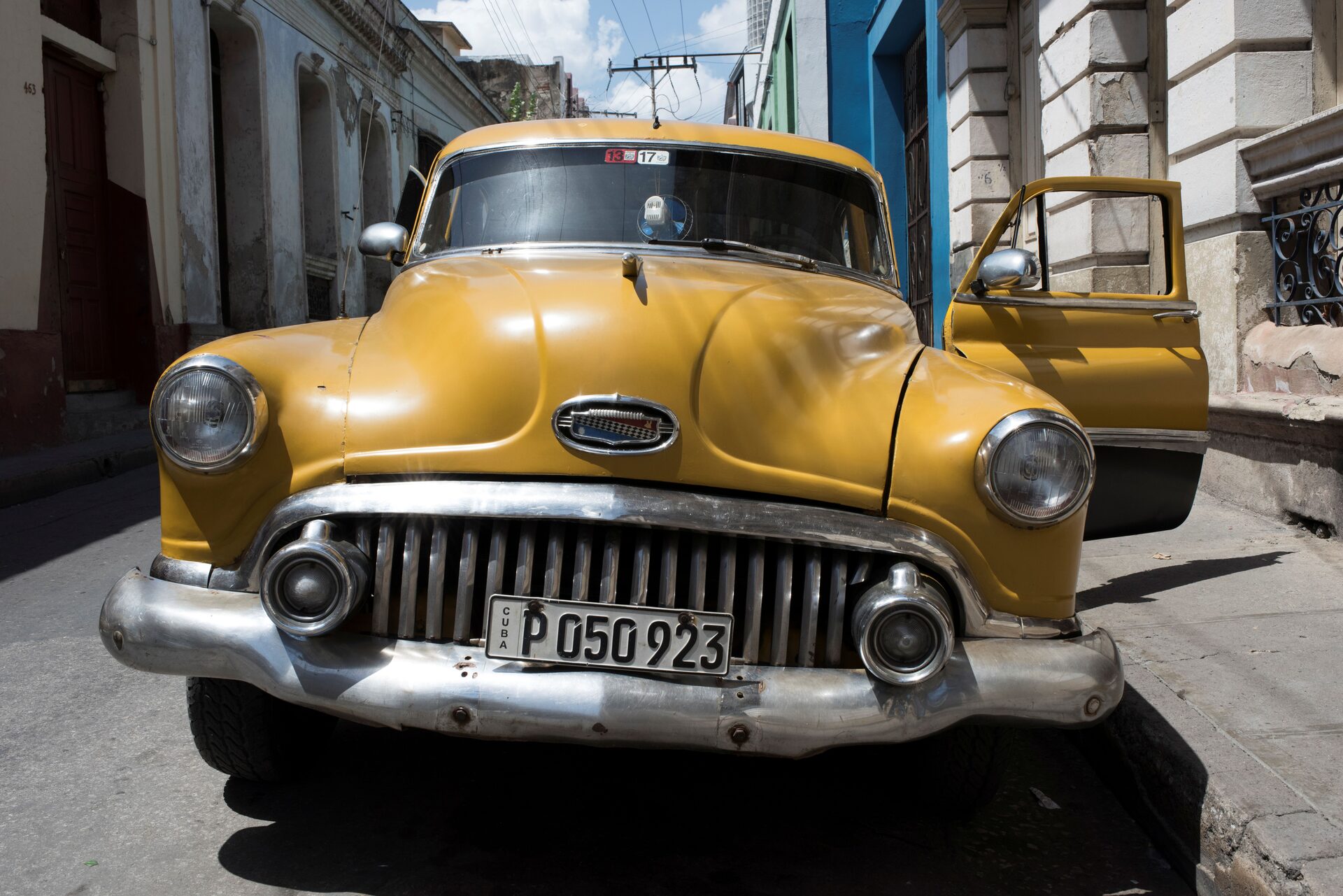
Focal length: 64mm | Exposure: F2.8 | Shutter Speed: 1/40sec | ISO: 100
Photographing people candidly means catching them as they already are, inside the atmosphere of wherever they happen to be. Working with someone you know well is the easiest place to start, because the ease between you shows up in the frame — a photograph taken from close in reads differently from one taken from across a room, and neither is better, but the difference is visible. An afternoon along a Stellenbosch werf or on the harbour wall at Kalk Bay gives you the other half of the equation, where the character of a place and the people moving through it overlap in the same image.
This is also where photography etiquette starts to matter, and the good news is that it is mostly common sense. Read the situation before you raise the camera. If someone notices you and looks uncertain, a nod and a smile usually settles it faster than pretending you were photographing something else. If they would rather you did not, lower the camera and move on. Learning how to take portraits in street photography is largely a matter of learning this rhythm — being unobtrusive when you need to be, and being straightforwardly friendly when you have been spotted.
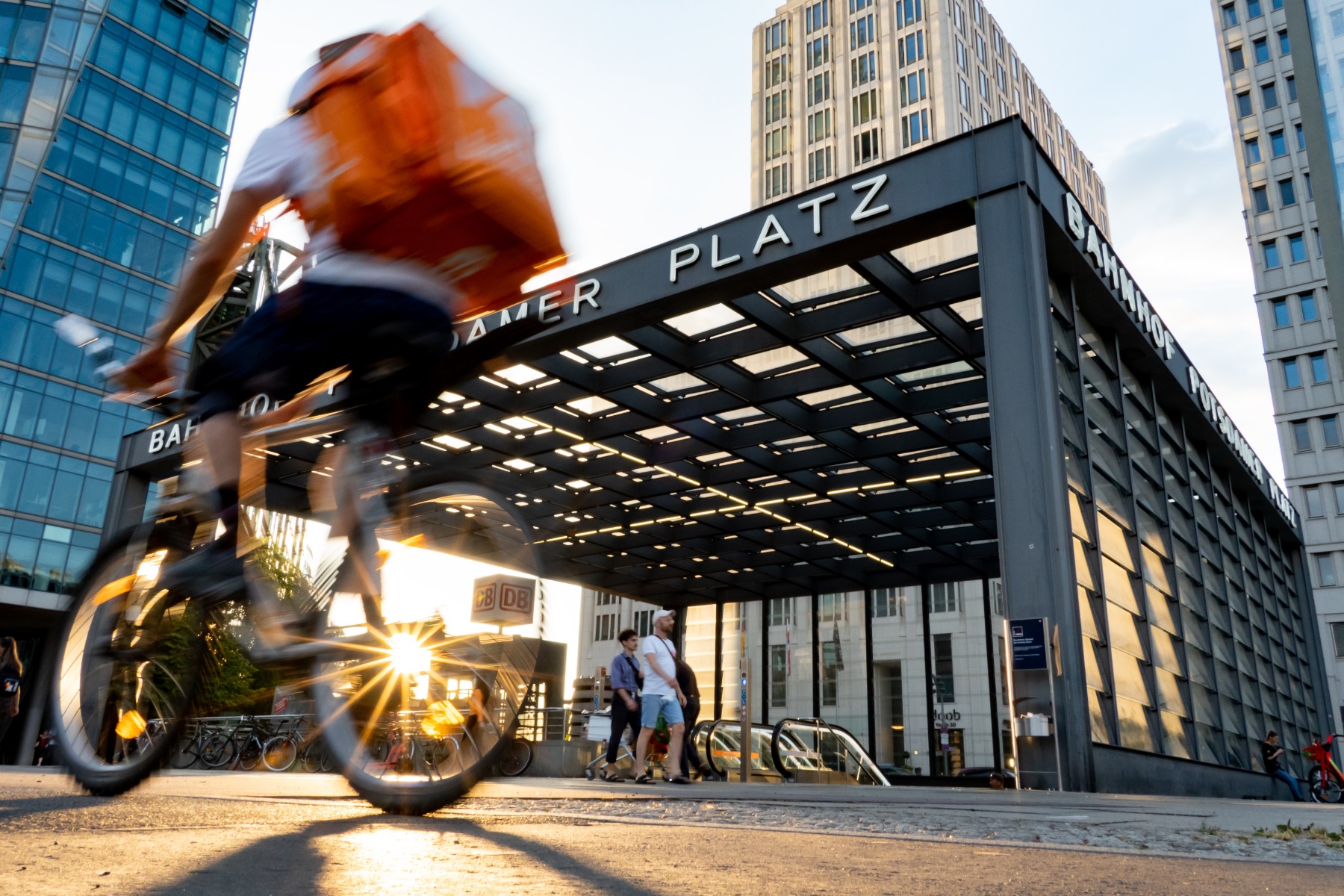
Focal length: 18mm | Exposure: F22 | Shutter Speed: 1/40sec | ISO: 1250
Street photography takes in the whole texture of a city: the buildings, the signage, the fashion, the reflections in shop windows and the people moving through all of it. The appeal is that a good street photograph carries the pulse of a place in a way that a considered architectural shot rarely does. Braamfontein on a Saturday morning is close to ideal — market crowds, hard shadows between tall buildings and constant movement — and Maboneng, Melville and the older parts of the Johannesburg CBD reward the same approach.
If you are wondering how to take street photos that hold up, the honest answer is: walk more and shoot more. Pick a route, work it slowly, and let the same corner give you three or four attempts as the light and the crowd shift. Watch for the places where light falls across a pavement and wait for someone to walk into it, rather than chasing people around. And apply the same etiquette that applies anywhere else — photograph people doing things, not people as specimens. The distinction is easy to feel and very obvious in the finished picture.
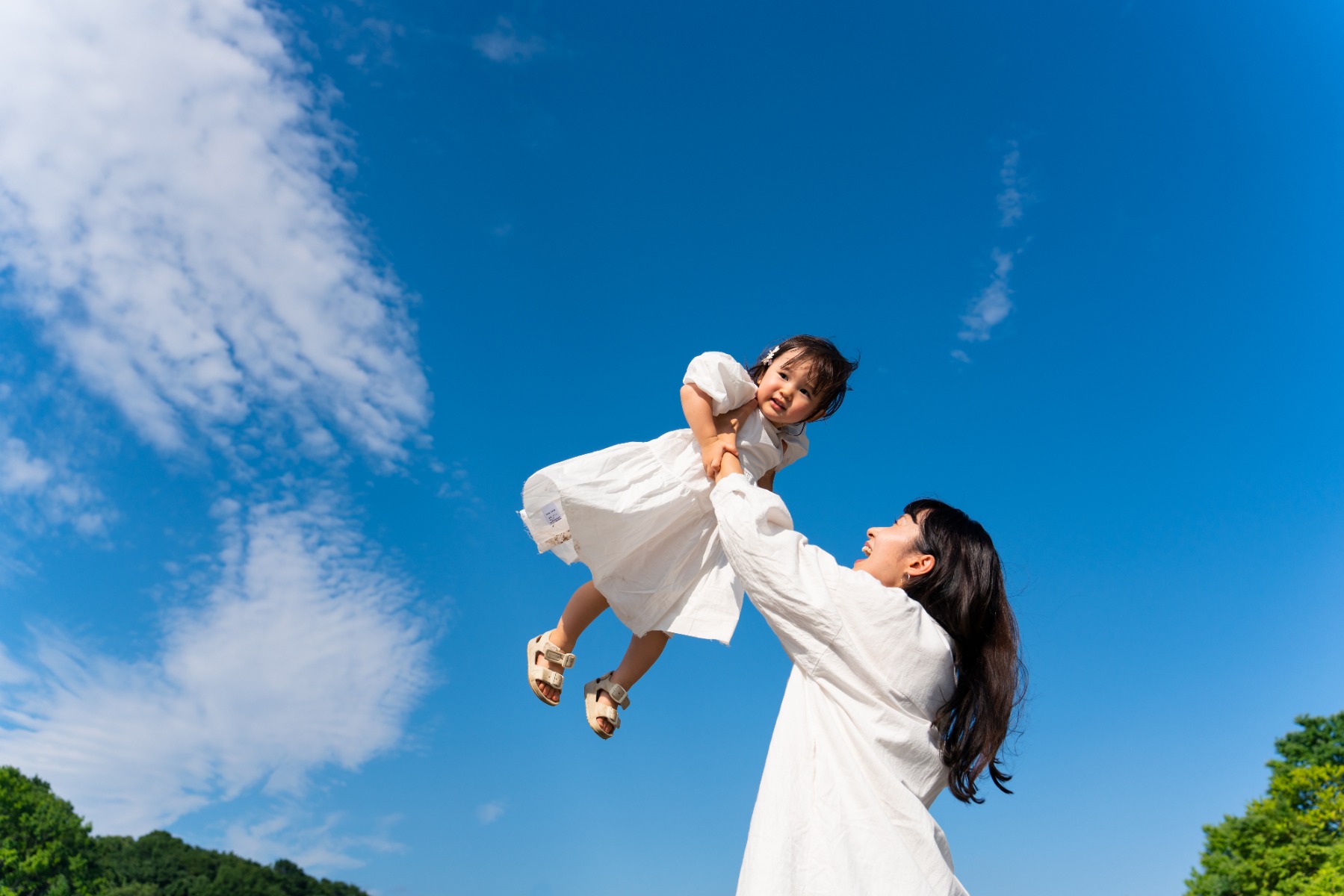
Focal length: 28mm | Exposure: F4 | Shutter Speed: 1/2000sec | ISO: 100
Children are the natural home of snap shooting, because they simply will not hold a pose and there is no sense in asking. An inter-house athletics day, a school cricket fixture, a netball match or a Sunday afternoon braai in a Johannesburg back garden all produce more usable frames in an hour than a formal sitting produces in a morning. Shooting from within the family, rather than from the sidelines as a stranger would, gives the pictures a warmth that is difficult to fake, and plenty of light lets you use a shutter speed fast enough to keep up. Expressions change in a fraction of a second at that age, which is precisely why a fast, unplanned approach captures them better than a careful one.
Focal length: 40mm | Exposure: F2.8 | Shutter Speed: 1/200sec | ISO: 100
Weddings, milestone birthdays, matric dance send-offs and graduations are all built for this kind of shooting. Wedding snap photography in particular has become the standard alongside the formal group shots, because it records what the day actually felt like rather than how everyone arranged themselves when asked. The unguarded frames — someone fixing a hem, a grandparent watching from the side of the room, the moment just after the speech lands — are the ones people return to years later. Faithfully catching those expressions produces images with far more feeling than any posed line-up.
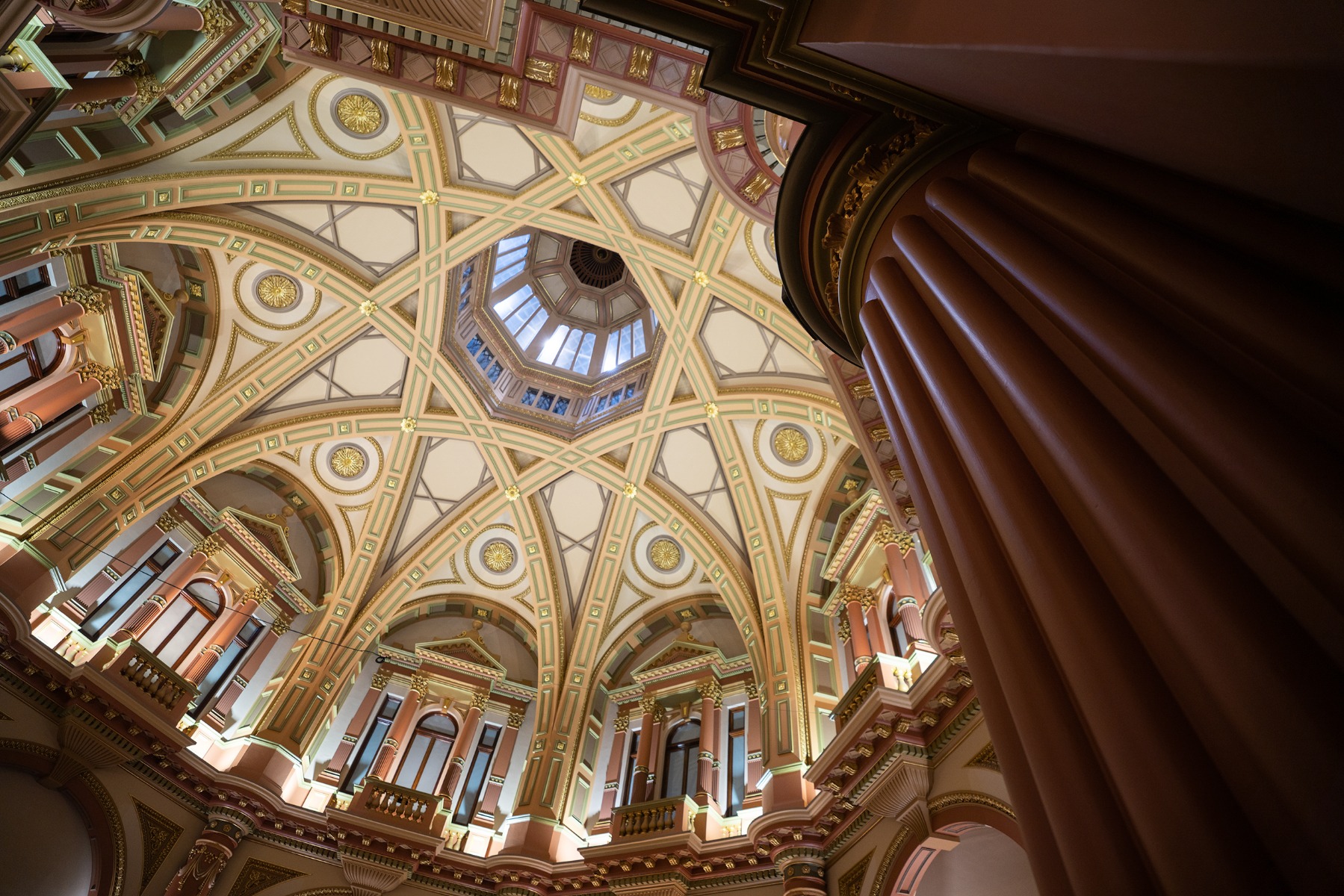
Focal length: 17mm | Exposure: F4 | Shutter Speed: 1/30sec | ISO: 400
Photographing how buildings sit within a city conveys the real character of a place. Pulled wide, a streetscape communicates energy and scale; moved in close, the details carry the texture of daily life — a hand-painted sign, a worn step, the way a burglar bar throws a shadow across plaster. The Bo-Kaap's colour and steep gradients are the obvious Cape Town starting point, though the Art Deco frontages along Long Street are just as rich and far less photographed.
Among the better locations for street photography anywhere in the country, Pretoria's older suburbs deserve a mention for their jacaranda-lined avenues, which turn the whole streetscape purple for a few weeks each spring — a subject we cover properly in our guide to shooting during the magic hour. Durban offers something different again: the Golden Mile's beachfront architecture, and the covered walkways and market halls of the central city.
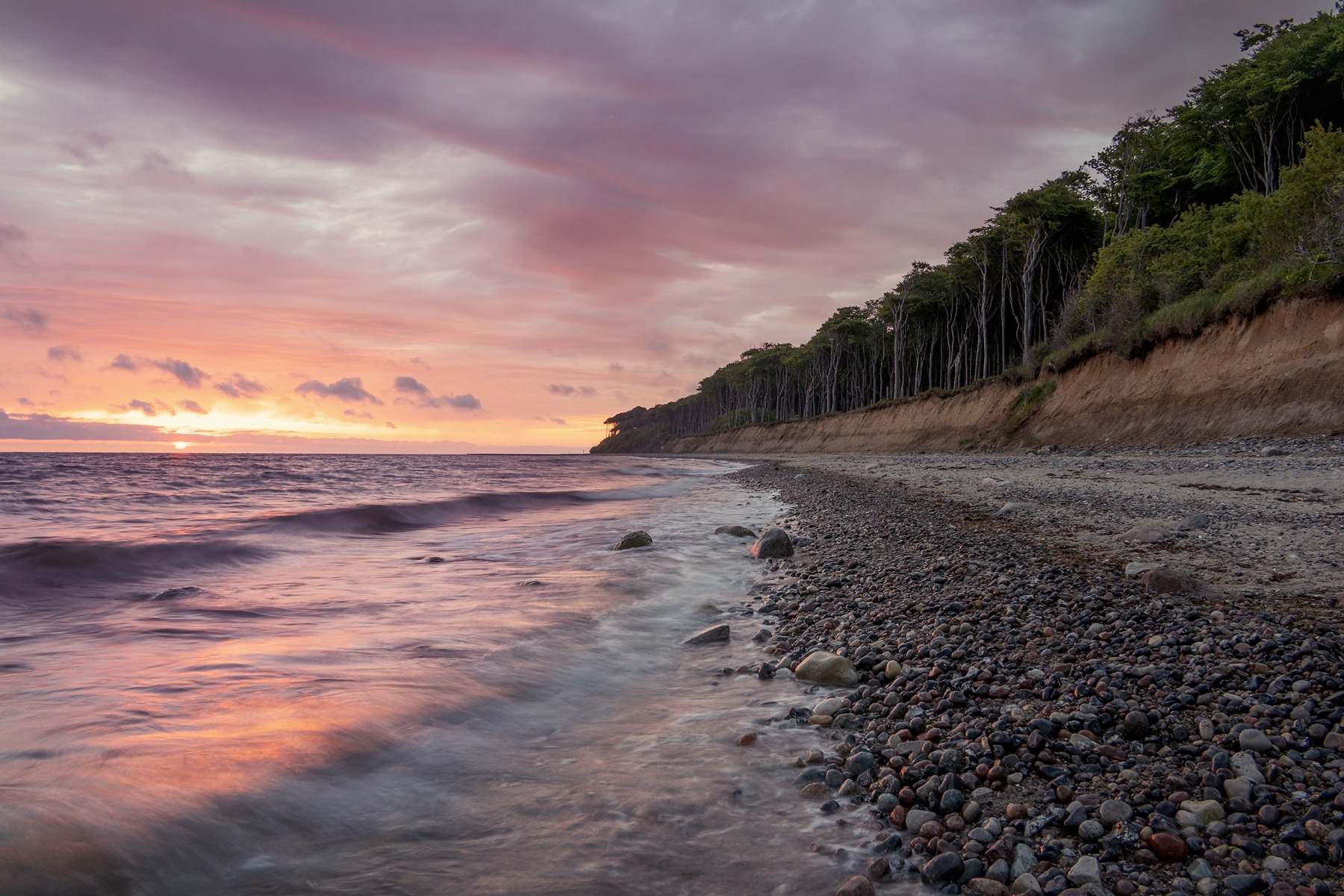
Focal length: 18mm | Exposure: F13 | Shutter Speed: 1/3sec | ISO: 200
Landscape photography suggests tripods, filters and a great deal of waiting, but the landscape you simply walk into has a charm of its own. Cresting a ridge in the Drakensberg and finding the escarpment laid out below you, or coming around a bend on a Midlands Meander back road into low afternoon light, produces photographs that carry the feeling of encountering the view rather than planning for it. Closer to the city, the contour paths on Table Mountain and the fynbos slopes on Lion's Head give you the same thing within an hour of leaving home, and the Magaliesberg does the job for anyone based in Gauteng.
Snaps are about moments, so the first rule is simply to take a great many photographs. Volume alone will improve your hit rate. Combine it with the three habits below and the improvement gets considerably faster.
Before anything else, check which exposure mode the camera is in. Program auto will get you through most situations, but shutter priority and aperture priority give you direct control over the one variable that matters most in a given scene, and that control is what turns a near-miss into a keeper. Neither requires you to think about exposure while a moment is unfolding, which is the point.
You set the shutter speed and the camera works out the aperture needed for correct exposure. A fast shutter speed keeps moving subjects sharp, which makes this the mode of choice for dogs charging along the beach at Muizenberg, children at a school cricket match, cyclists and traffic. The trade-off appears in low light: indoors, in deep shade under a stand of milkwoods, or under a Highveld thunderstorm rolling in mid-afternoon, there may not be enough light to support the speed you have chosen. Raising the ISO sensitivity is the standard fix, and modern sensors handle it far better than they used to.
Here you set the f-stop and the camera selects the shutter speed. Shooting close to the maximum aperture gives you shallow depth of field for background blur and buys you shutter speed when the light is poor — useful for evening work and for interiors like the market halls around Newtown. Stopping down a little does the opposite and is often the smarter choice for street work, because a deeper zone of focus means more of your spur-of-the-moment frames land sharp even when the autofocus has had almost no time to settle.
Snaps have no set composition and no arranged poses, so the way to make them is to photograph whatever catches your eye and keep going. Decisive moments rarely arrive when you want them to. Working a scene deliberately — several frames of the same corner, the same doorway, the same patch of light — gives you a set to choose from rather than a single frame to hope for. Continuous shooting is worth using for anything in motion. If you are asking how to properly take street photos, this is most of the answer: shoot more frames than feels reasonable, then be ruthless when you edit. The discipline lives in the selection, not in the shooting.
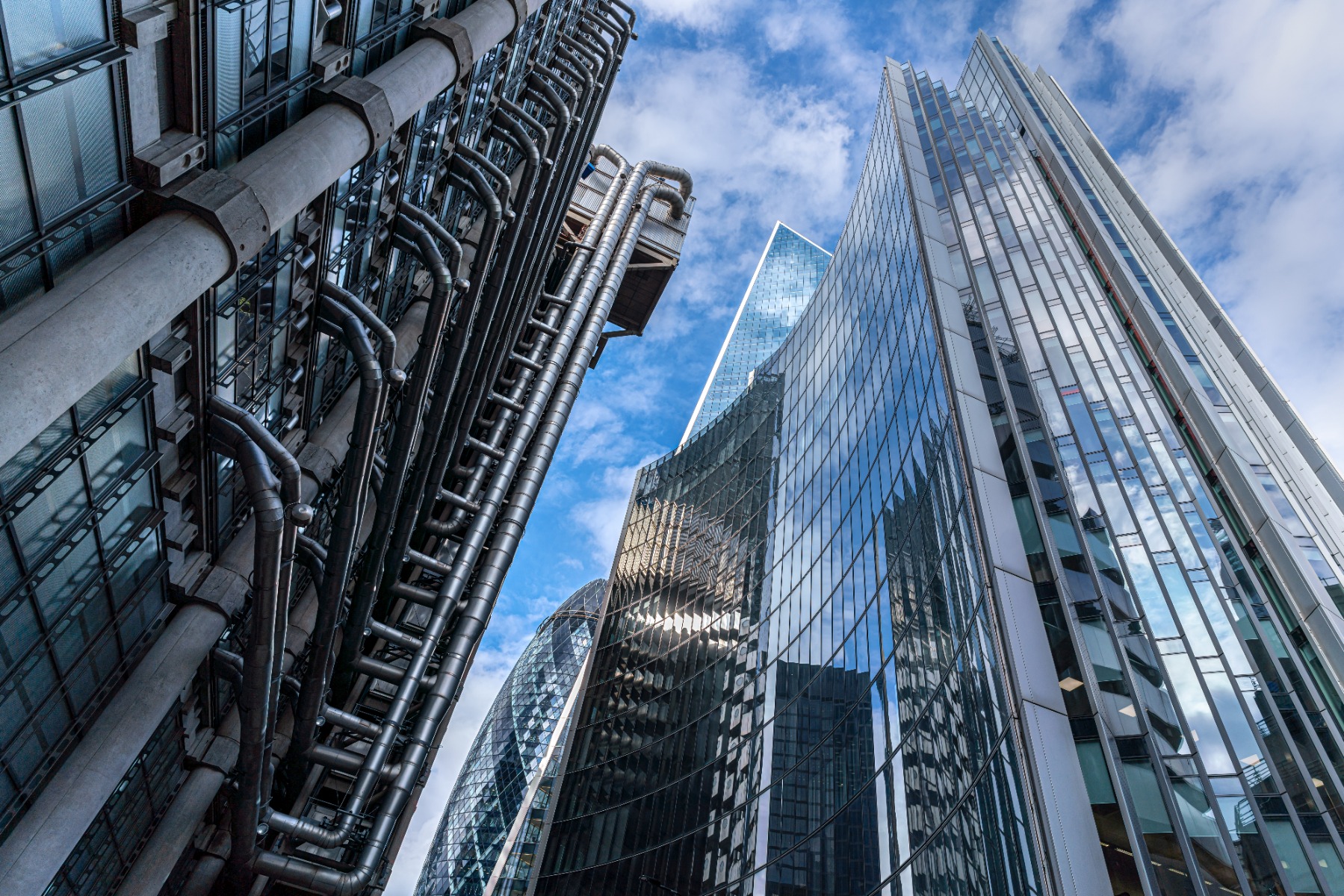
Focal length: 20mm | Exposure: F5.6 | Shutter Speed: 1/400sec | ISO: 100
Composition is simply where you put things in the frame, and small changes make disproportionate differences. Try a deliberately simple arrangement with a lot of empty space around the subject. Change your height — crouching or holding the camera higher than eye level alters the whole feel of a scene. Let the background go soft as an accent, or zoom out to give a figure some room to exist in. Turning the camera to a different angle costs nothing and occasionally transforms an ordinary frame.
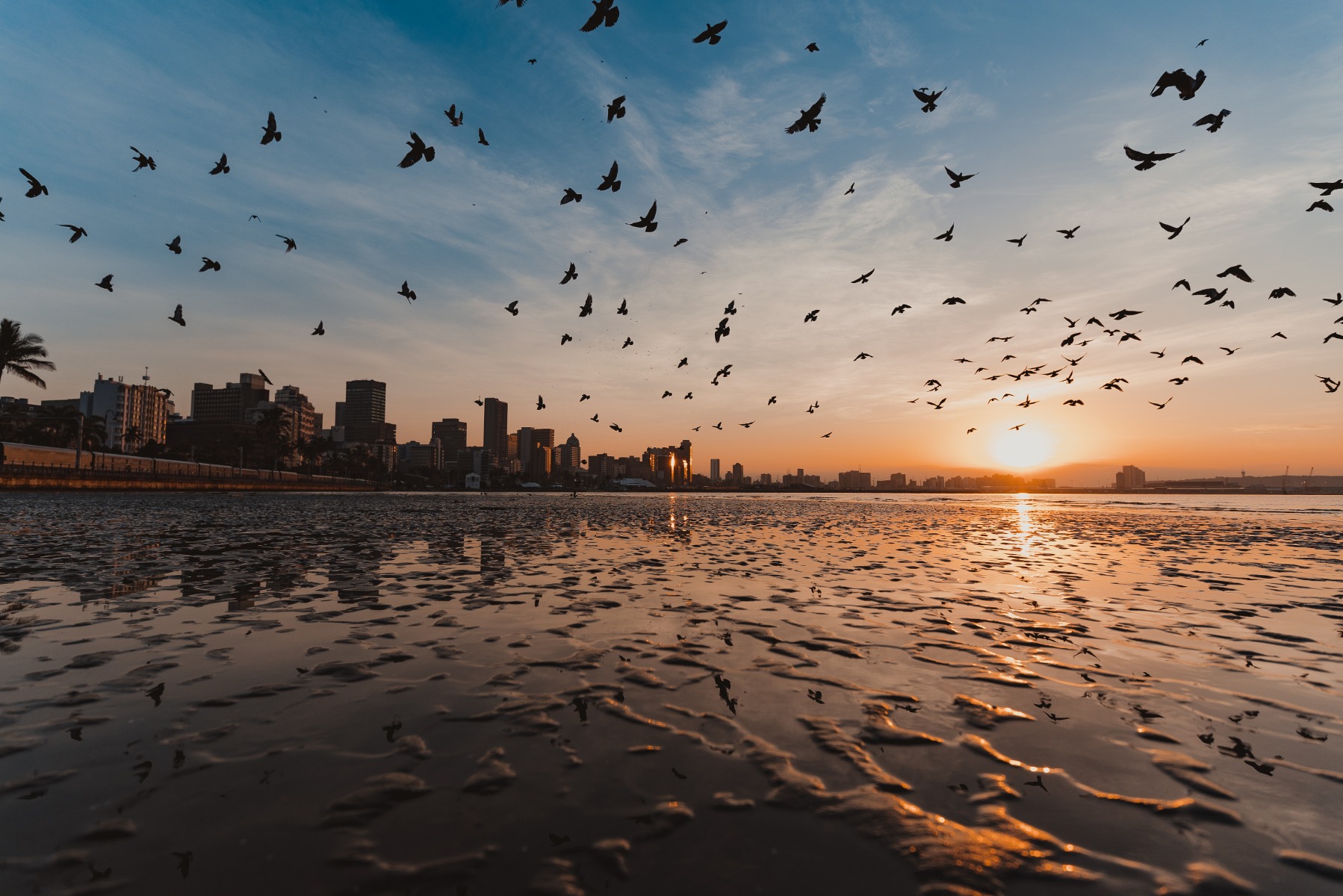
Focal length: 11mm | Exposure: F2.8 | Shutter Speed: 1/1000sec | ISO: 80
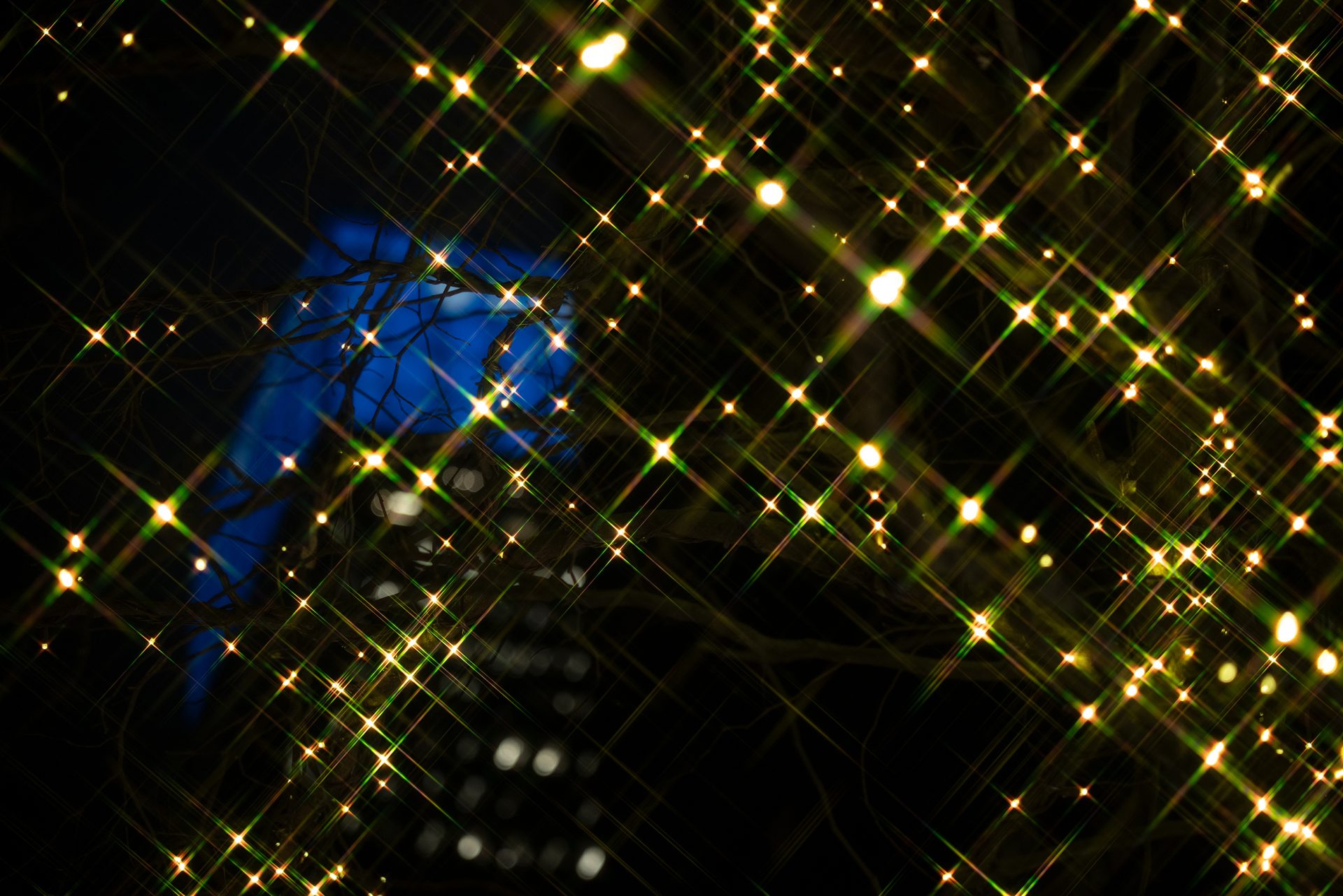
Light in street photography matters at least as much as composition. Frontal light strikes the subject head-on and renders expressions and detail crisply. Backlighting makes faces harder to read but produces a warm, slightly dreamlike quality that suits early mornings and late afternoons. Side light — the sun striking from an angle — is the most useful of the three for street work, because it models faces and buildings and gives them depth. Local conditions are worth planning around: between roughly 11:00 and 15:00 SAST in summer the sun sits high enough that contrast becomes unmanageable and shadows collapse into black, whereas the low winter sun along the Sea Point promenade or the uMhlanga beachfront stays usable for most of the day. Shifting where you stand relative to the light changes the photograph more reliably than any setting on the camera.
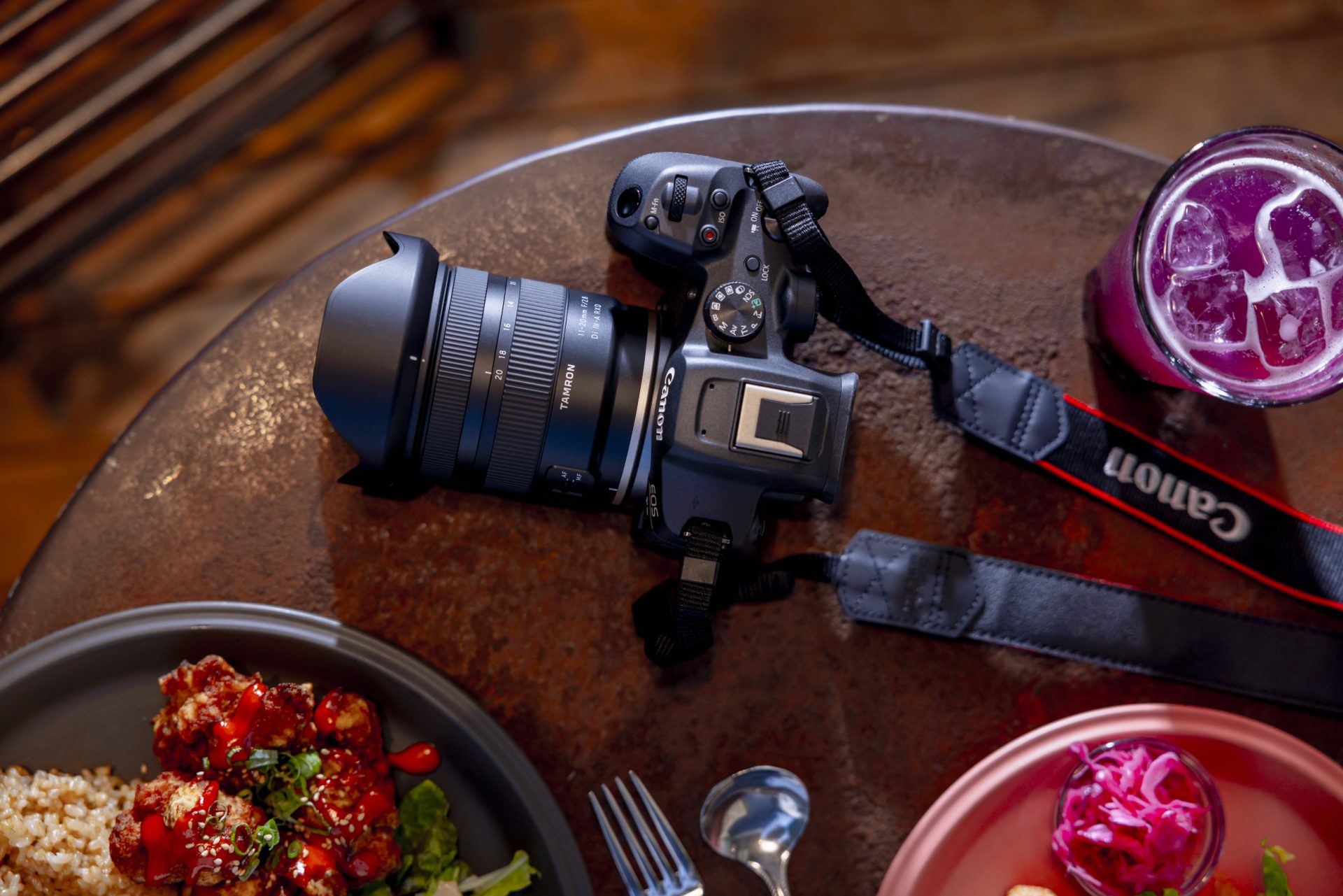
Getting the lens right makes a real difference in this genre. Before anything else, check compatibility — mount specification and sensor size (full-frame or APS-C) both vary between camera bodies, and the lens has to match. Beyond that, four things matter. The same criteria apply whether you are choosing a camera for street photography or building out the lens kit you already own.
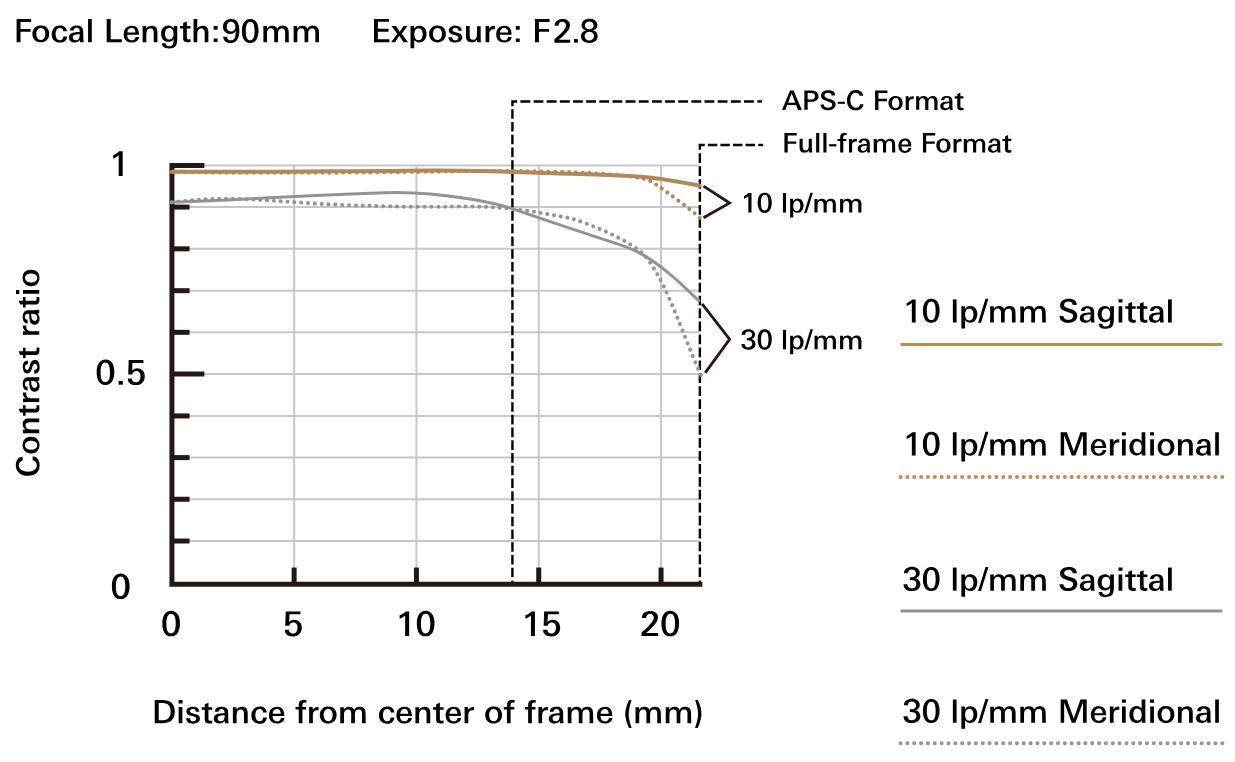
Snap shooting means capturing moments as they happen, at good quality, without losing shots to the conditions. A large maximum aperture — that is, a low f-number — lets in more light, which keeps images bright in dim interiors and after sunset, and lets you hold a faster shutter speed than you otherwise could. Given how much of the best light in street photography arrives at the beginning and end of the day, a bright lens is genuinely useful rather than a luxury. It also gives you the option of shallow depth of field when you want to separate someone from a busy background.
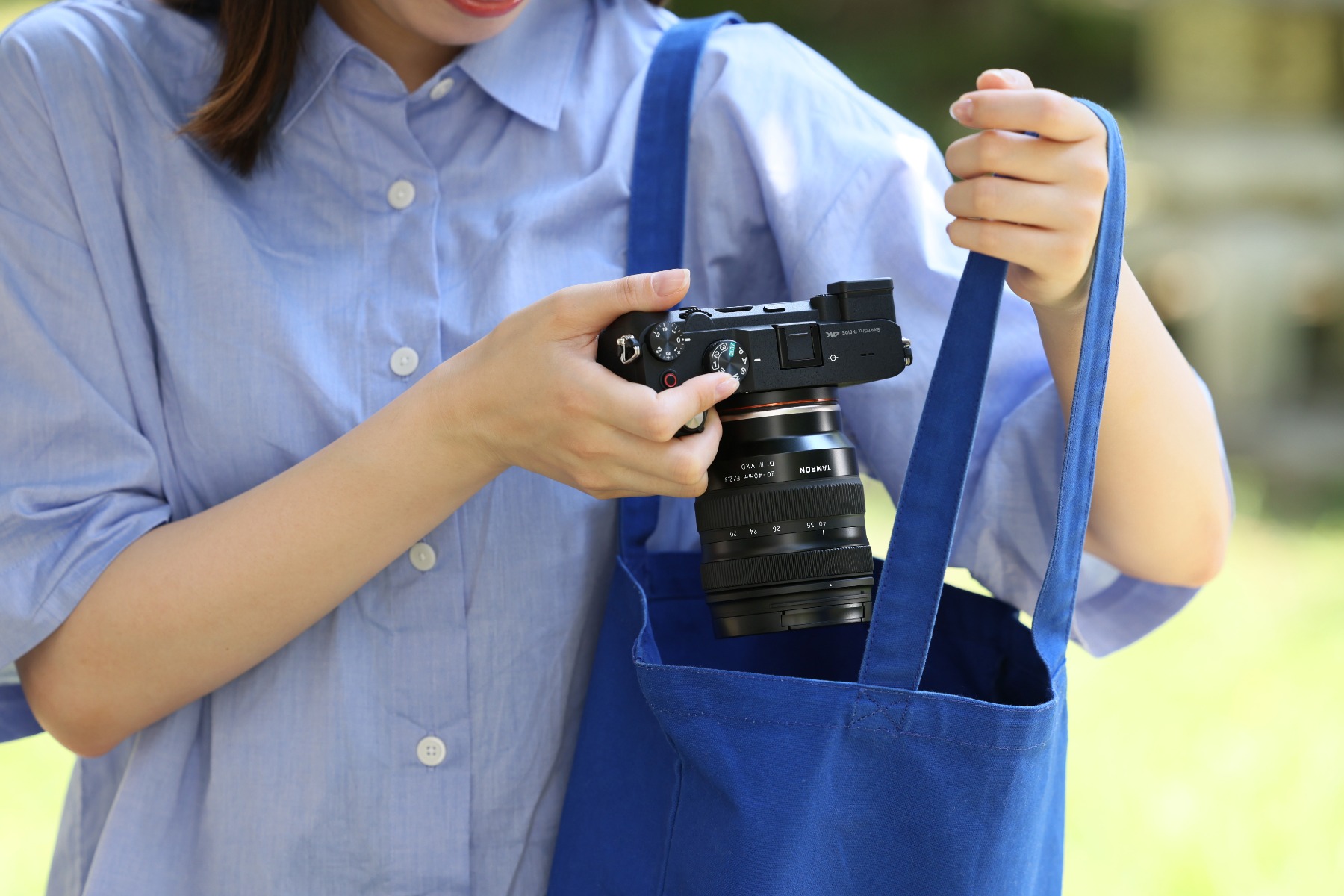
Snap photography involves a lot of shooting on impulse and a lot of waiting for something to happen. A big, heavy lens works against both. It takes longer to bring to your eye, which costs you moments, and it becomes a burden over the course of a long day on your feet. A compact, well-balanced lens for snap photography is easier to shoot with and easier to carry — which matters when you are walking a contour path, working a Saturday market in Parkhurst or covering several kilometres of promenade. It also draws less attention, and being unobtrusive is an advantage in candid work.
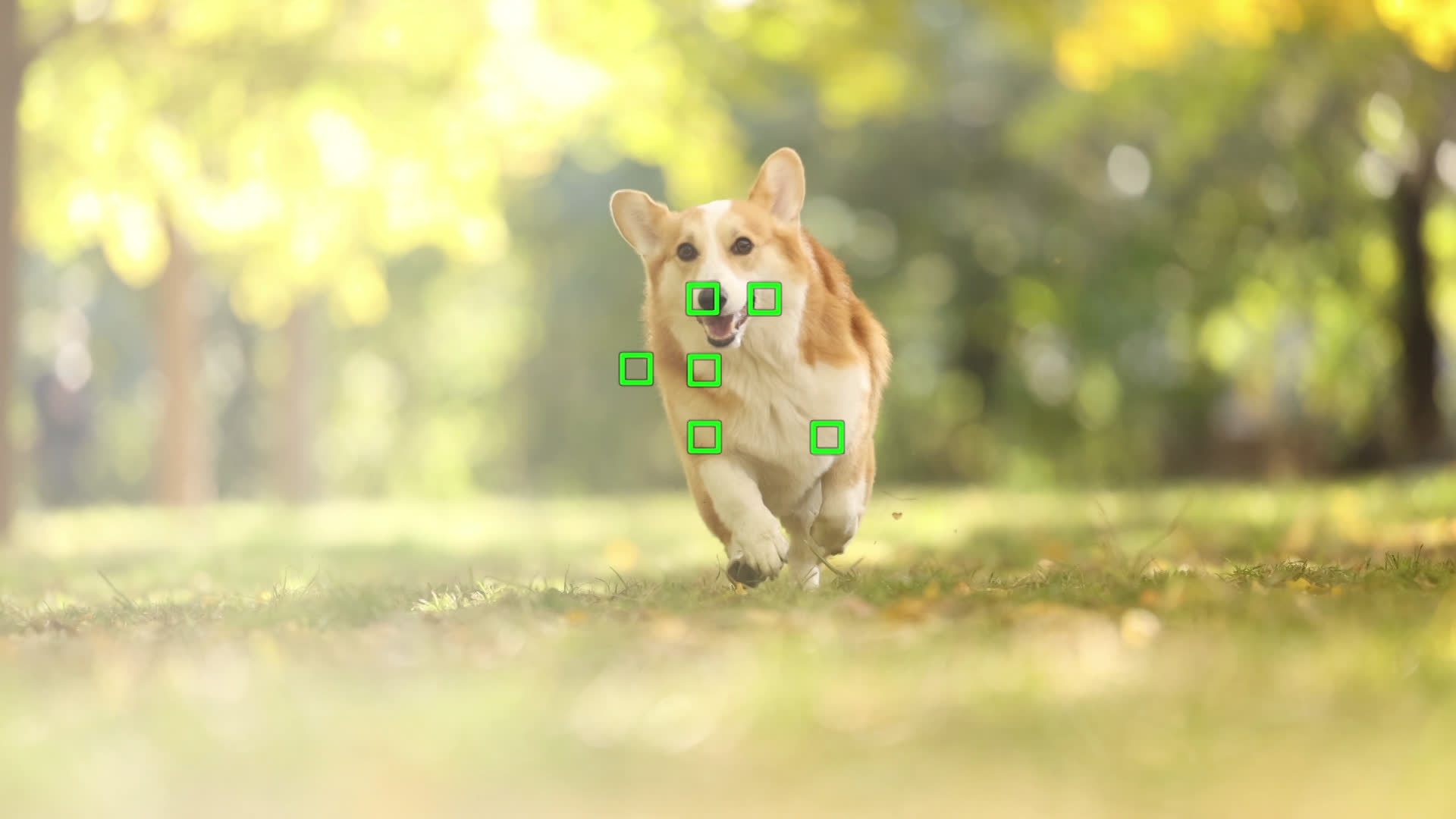
Choose a lens with an autofocus system that acquires focus quickly and accurately. It needs to lock on reliably when you lift the camera with no warning, and to track subjects that are already moving. Vibration compensation is the other thing to check. Camera shake is a constant risk in this kind of shooting, where you are often working handheld in poor light without time to brace yourself properly, and effective stabilisation is what lets you keep the shutter speed down and the image quality up.
A standard lens is the usual choice for this kind of work. Primes are popular for people and for background blur, since they tend to be brighter and lighter than the alternatives, but a standard zoom covers everything from wide-angle to short telephoto in a single lens — which suits the way snap shooting actually happens, where a streetscape and a face at close range might be seconds apart. For a general-purpose lens for street photography, a fast standard zoom is difficult to beat. Match the focal length range to the kind of images you find yourself taking most.
Snap photography lets you catch a wide range of subjects in the moment — people, buildings, celebrations and landscapes alike. Start by shooting a lot and selecting well afterwards. Choose a lens that is easy to handle and has a bright maximum aperture, and keep experimenting with composition and with where the light is coming from.
Mostly, though, it rewards the simple habit of carrying a camera. The frame that makes the day is almost never the one you set out to take — it is the one that appears in front of you while you are walking to something else, and it belongs to whoever is ready for it.