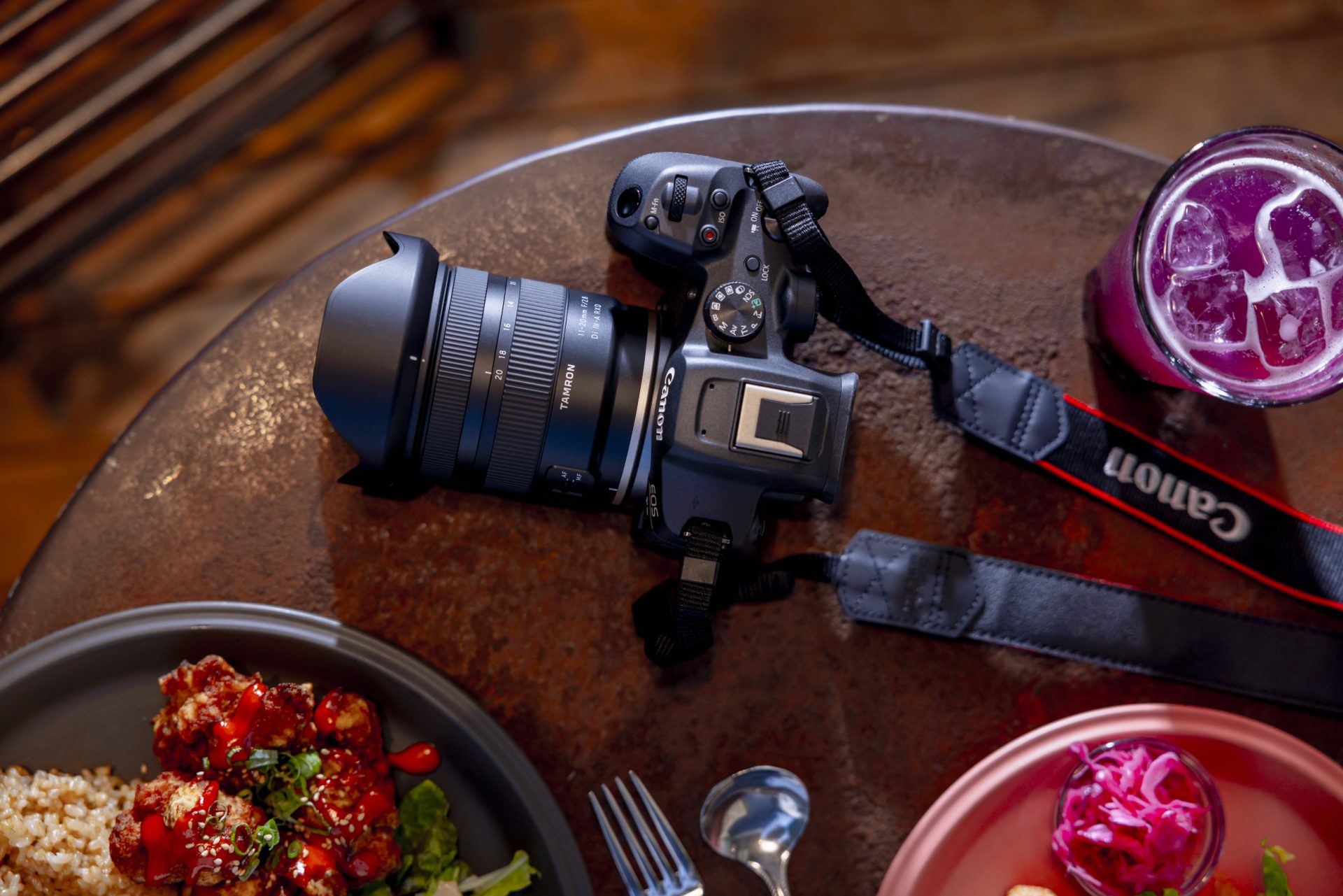
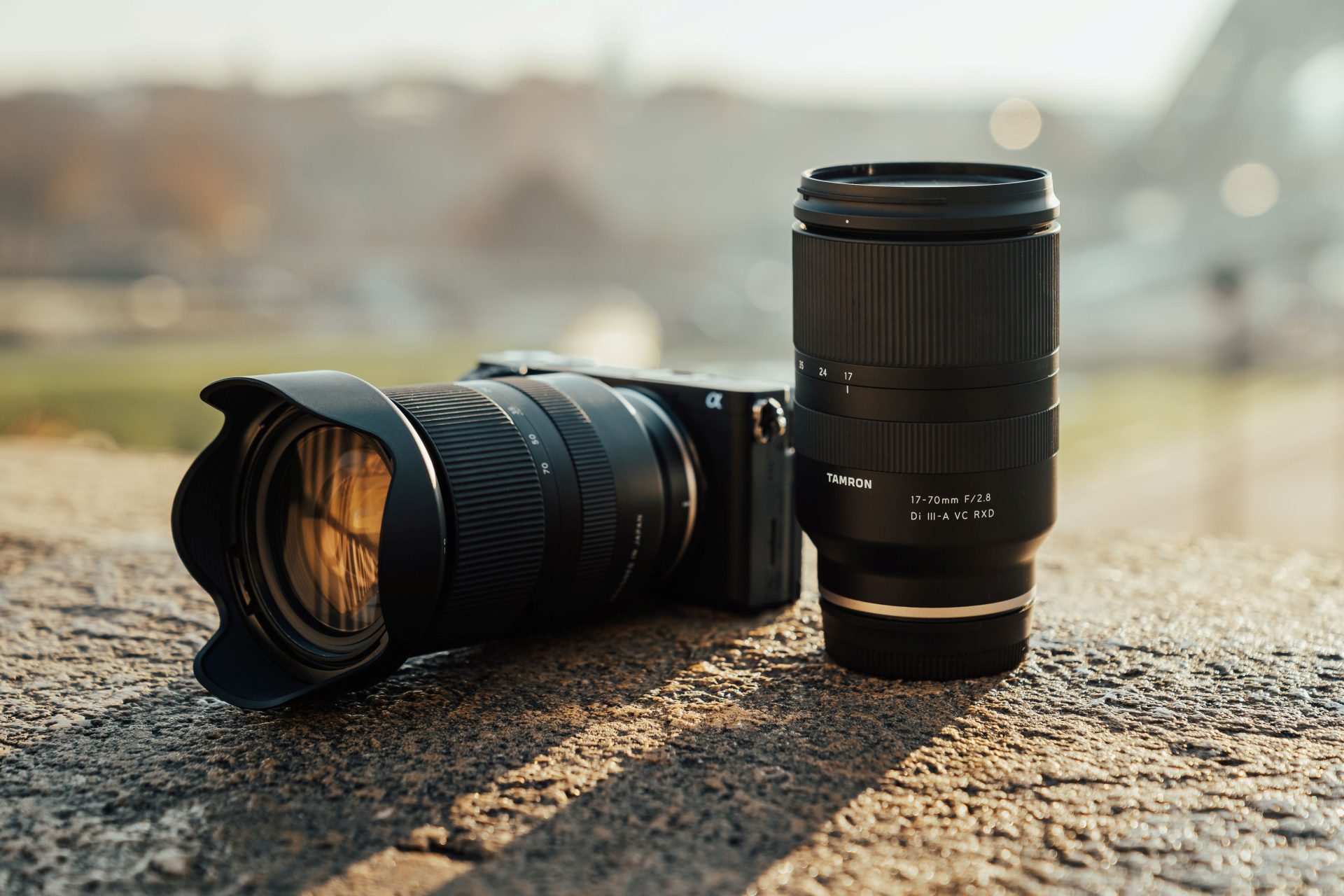
Walk into any camera club meeting in Cape Town, Johannesburg or Durban and count the bodies on the table. Most of them will be built around an APS-C sensor. It is the format that carries the majority of South African photographers from their first interchangeable-lens camera through to paid work, and plenty of professionals never feel the need to move on from it.
The reasons are practical. An APS-C sensor camera is smaller, lighter and easier on the budget than a full-frame equivalent, and the crop it applies gives you extra reach on distant subjects without buying a longer lens. But the format also behaves differently in ways that catch people out, particularly around depth of field and low-light performance, and the lens you pair with it needs to be chosen with those differences in mind.
This guide covers what an APS-C sensor actually is, how it compares with full-frame across the areas that matter, where it outperforms the bigger format, and how to pick a lens that gets the most out