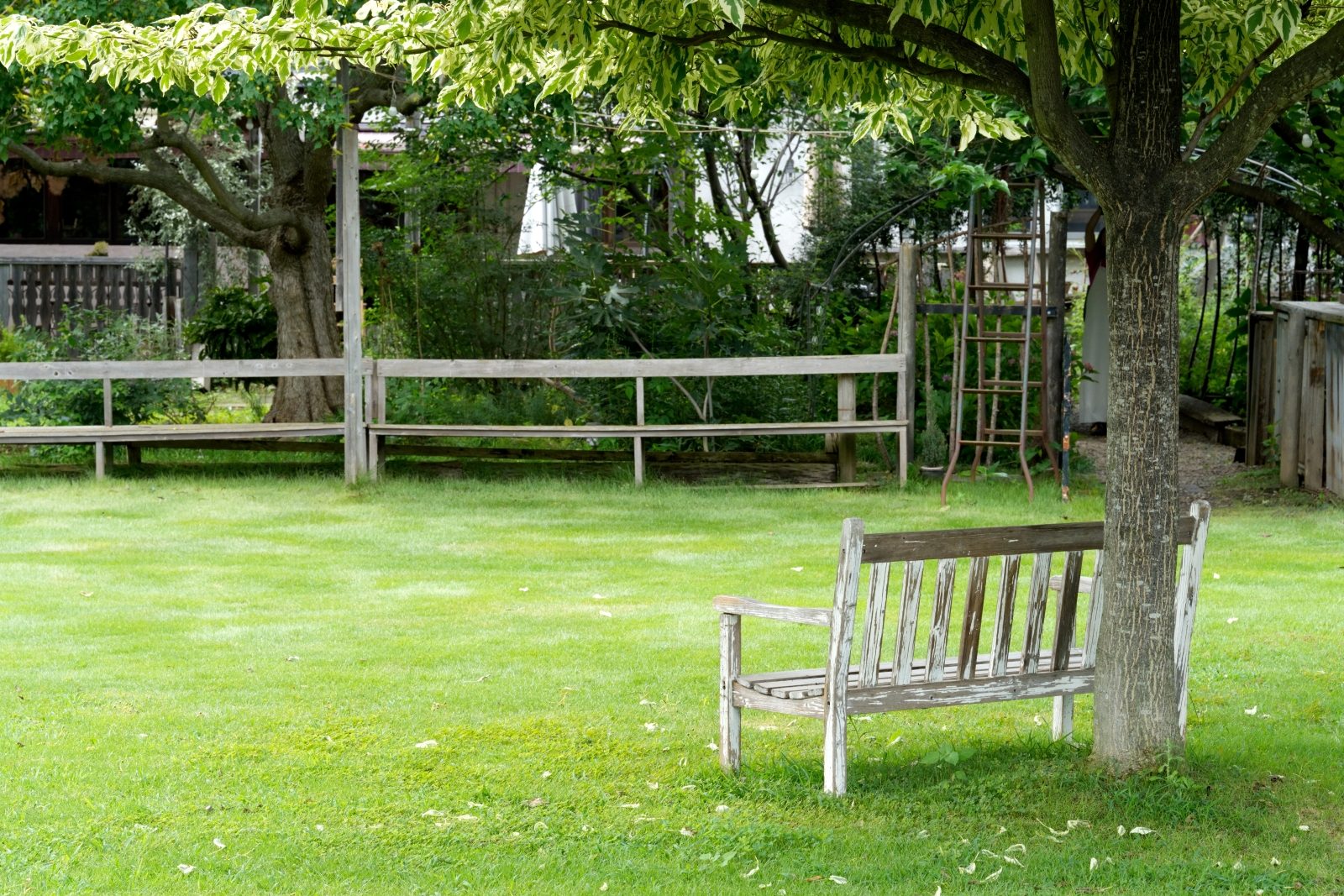
A macro lens is built for one thing and quietly good at several others. The name describes what it does at its closest focusing distance — render a small subject at life size on the sensor — but it says nothing about the rest of its range, where it behaves like a very sharp short telephoto. That makes a macro lens for landscape photography a far more sensible proposition than most people assume. This article covers both halves: how to shoot landscapes with a macro lens, and how to use one to produce the circular highlights known as bokeh balls.
Why a macro lens for landscape photography works
Macro lenses are usually primes, and they focus far closer than an ordinary lens of the same focal length. That is the whole point of them: a lens that will fill the frame with the stamens of a protea, the compound eye of a dragonfly, or the surface tension holding a drop of water on a blade of grass. Detail the eye cannot resolve unaided becomes the subject.
What gets overlooked is that the lens does