| September 18, 2026
 South Africa's #1 Mobile Protection Brand
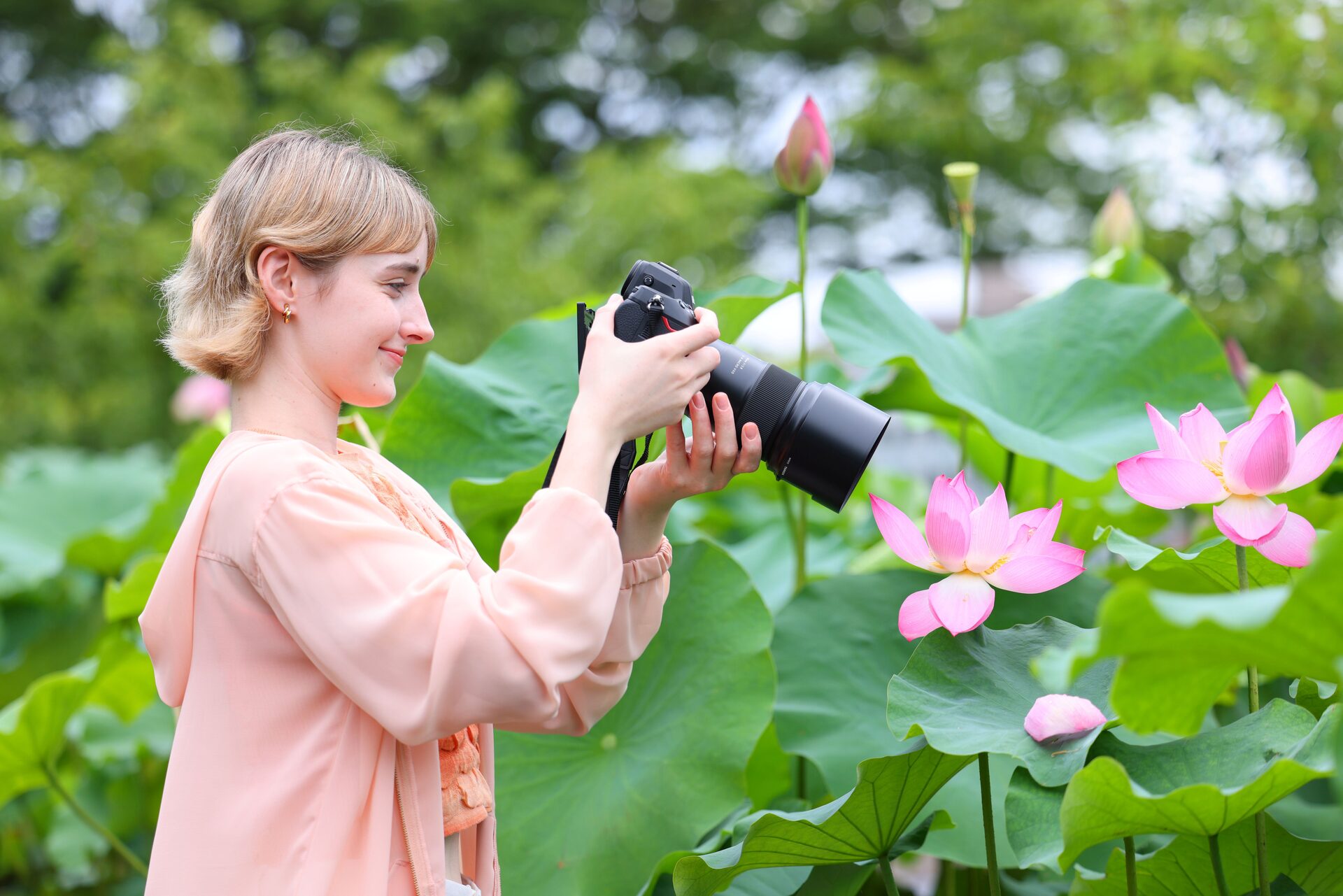
A macro lens lets you photograph something small at something close to life size. Petal structure, the compound eye of a dragonfly, the crystalline edge of a salt flake: detail that the eye skims past becomes the whole frame. This guide explains what a macro lens is, how it differs from the other lenses in your bag, what to look for when choosing one, and which subjects it suits best.
A macro lens is built for close-up work. It focuses far nearer to the front element than an ordinary lens will, and it holds resolution at that distance instead of going soft the way a general-purpose zoom tends to. Most are prime lenses, which is part of why they render so cleanly and produce such smooth background blur.
There is no formal standard behind the word, but in practice a macro lens means two things together: a short minimum object distance, and a maximum magnification somewhere between 1:2 and 1:1. That combination is what allows a subject only a few centimetres across to fill the frame.
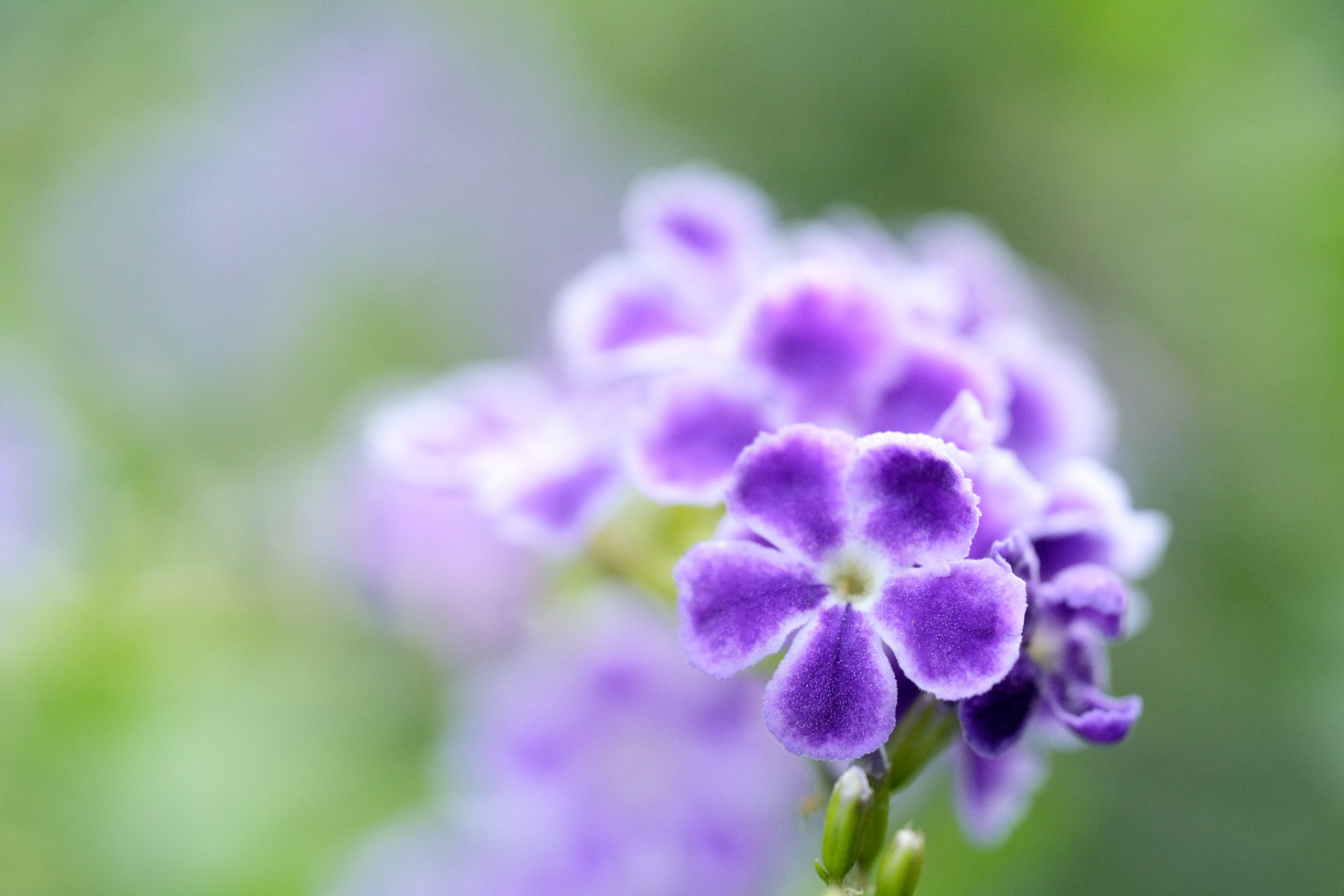
TAMRON 90mm F2.8 MACRO (Model F072) Focal length: 90mm Exposure: F3.5 Shutter Speed: 1/800sec ISO: 1600
Close-up photography, or macro photography, is simply photography at high reproduction ratios. Rather than recording a scene, you are recording a fragment of one at a scale the eye cannot reach unaided.
The shift is as much about attention as equipment. A stand of grass on a Highveld verge is unremarkable until you are working at 1:1, at which point the seed heads, the dew still sitting on them and the insects moving between them each become a subject in their own right. Most people find their first macro session changes how they look at ground they have walked past for years.
Three specifications separate a macro lens from an ordinary one: maximum magnification, focal length and minimum object distance. They interact, and understanding how is most of what you need in order to choose well.
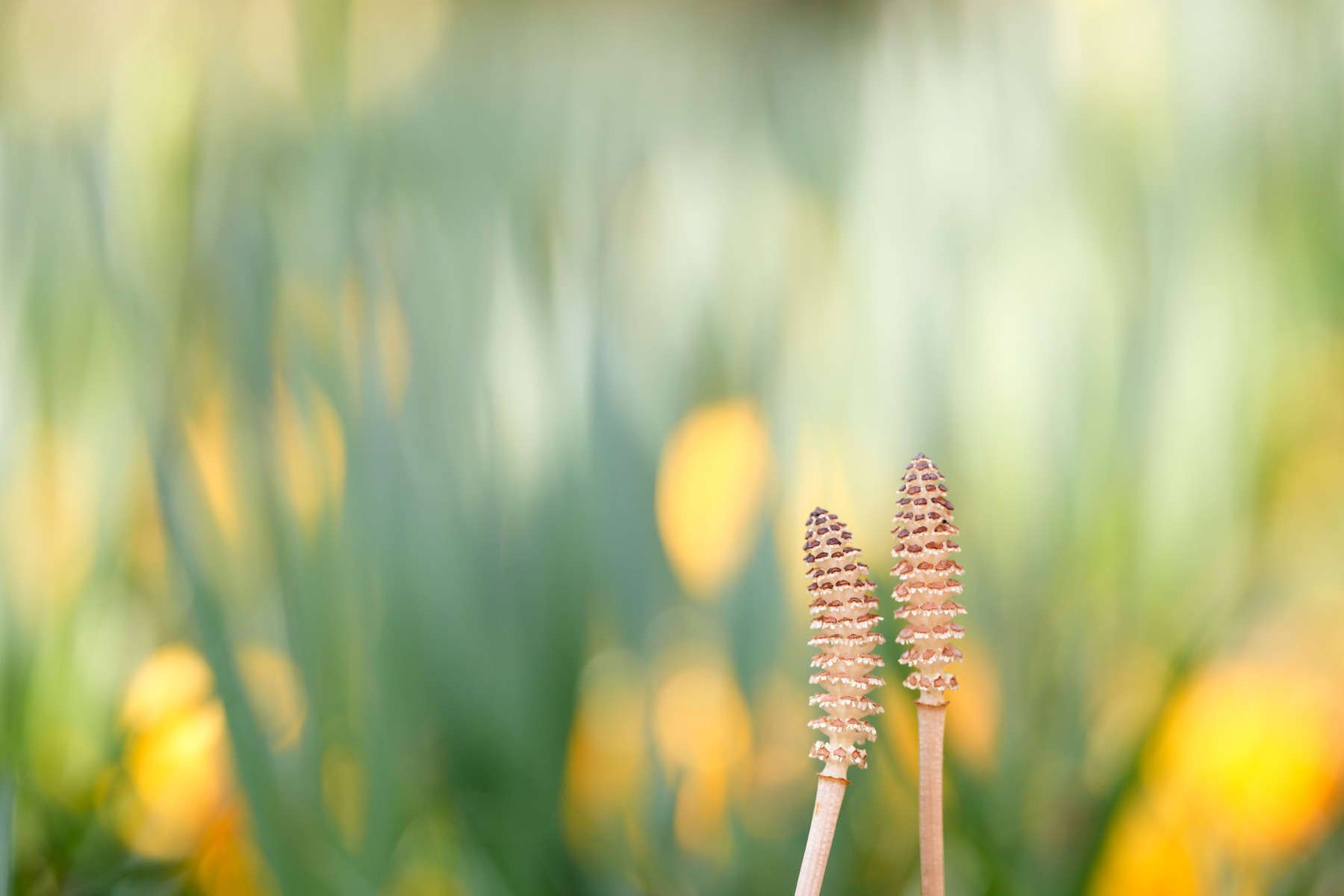
TAMRON 90mm F2.8 MACRO (Model F072) Focal length: 90mm Exposure: F2.8 Shutter Speed: 1/320sec ISO: 160
Maximum magnification describes the size of the subject on the sensor compared with its size in life. At 1:1, often called life size or equal magnification, a 10mm beetle projects as a 10mm image on the sensor. At 1:2, or half macro, that same beetle projects at 5mm and fills half as much of the frame.
This is the single number that most affects what the lens can do. A 1:1 lens will resolve the individual scales on a butterfly wing. A 1:2 lens will not get you there, though it will still handle a full flower head or a dragonfly at rest comfortably.
Minimum object distance is measured from the camera's sensor to the subject at the closest point where focus can still be achieved. Working distance is the more practical figure: the gap between the front of the lens and the subject itself.
Working distance is short on any macro lens, but how short depends on focal length. A longer focal length buys you more room at the same magnification.
As a reference point, the telephoto macro TAMRON SP 90mm F/2.8 Di MACRO 1:1 VC USD (Model F017) has a minimum object distance of 30cm, which leaves roughly 18cm of working distance.
Standard and wide-angle macro lenses focus closer still, which sounds like an advantage and sometimes is. The catch is that at very short working distances the camera itself starts casting a shadow across the subject, and anything alert will leave before you have framed it. For a carpenter bee working an aloe, or a dragonfly settled on a reed at Midmar, the extra distance a telephoto macro gives you is the difference between a photograph and an empty frame.
Beyond the obvious close-focus ability, a macro lens brings three things an ordinary lens cannot match.
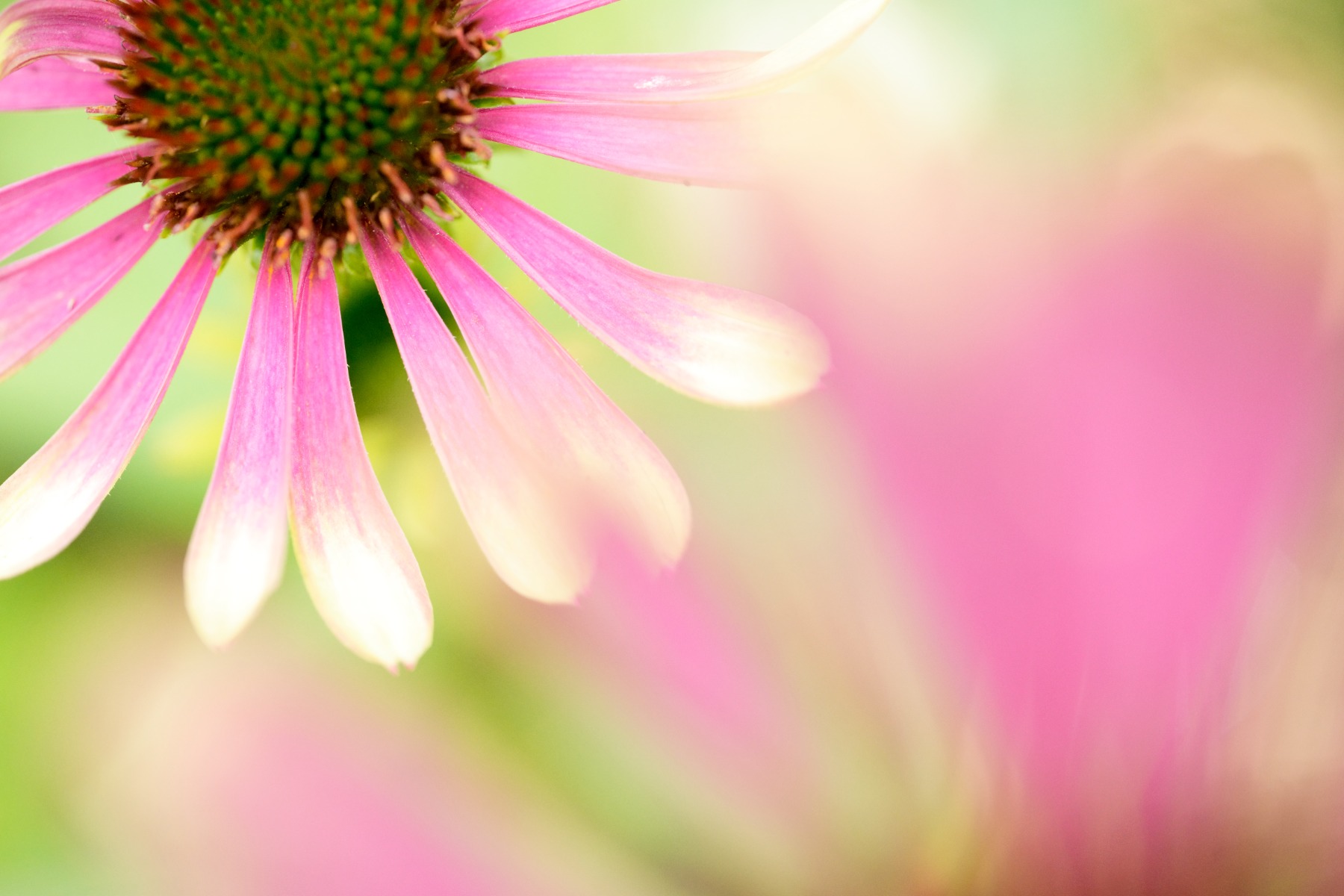
TAMRON 90mm F2.8 MACRO (Model F072) Focal length: 90mm Exposure: F2.8 Shutter Speed: 1/1250sec ISO: 1600
This is the reason most people buy one. A subject a centimetre across can carry an entire image, rendered with enough detail to print large.
It opens up material that is otherwise simply unavailable. The ridged surface of a vygie petal, the seed head of a restio, the structure inside an aloe flower in the middle of winter: none of these read as photographs at normal working distances, and all of them do at 1:1.
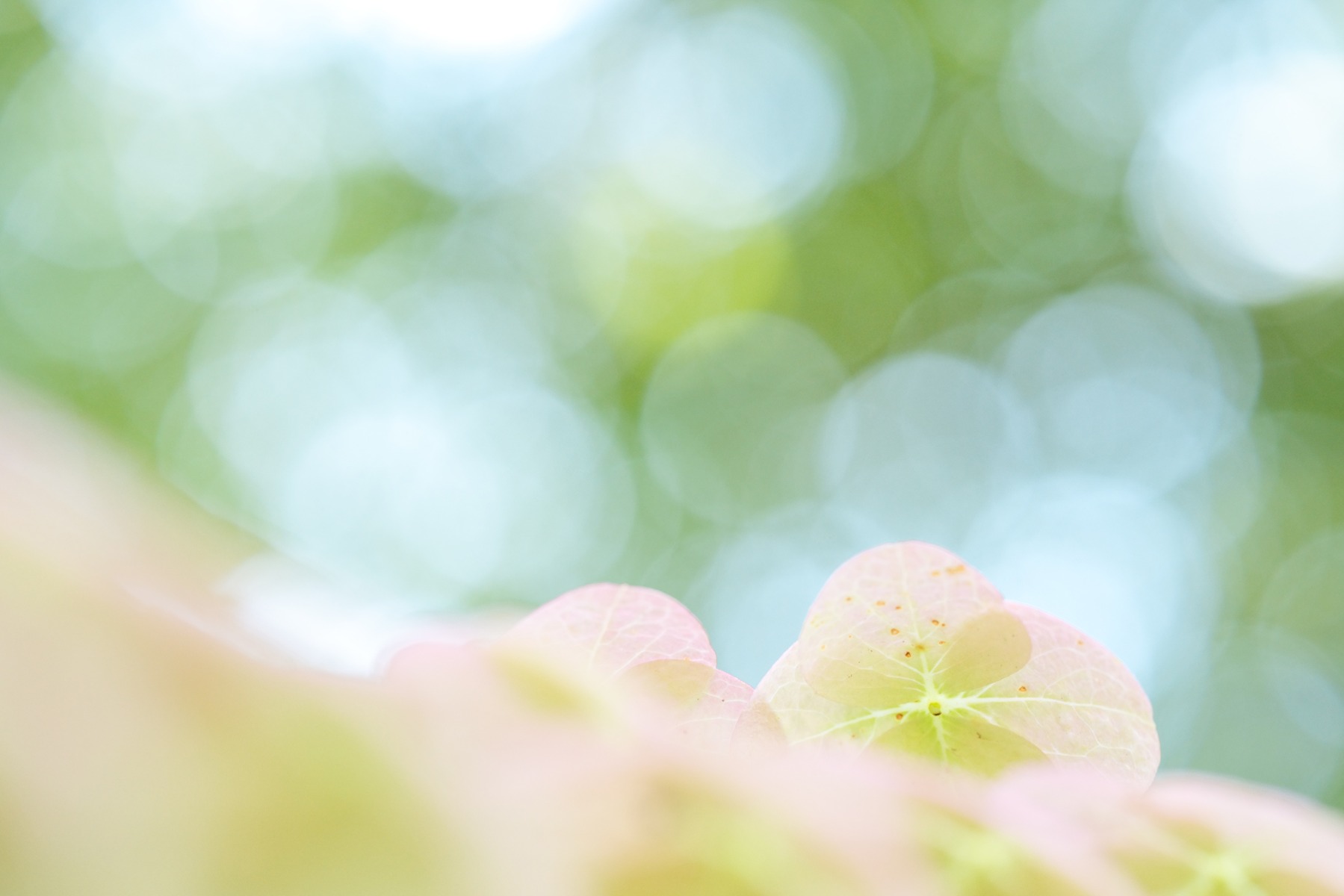
TAMRON 90mm F2.8 MACRO (Model F072) Focal length: 90mm Exposure: F4.5 Shutter Speed: 1/160sec ISO: 1600
Macro lenses are designed around optical correction, and the same design work that delivers resolution also tends to produce unusually clean out-of-focus rendering. Backgrounds dissolve smoothly rather than breaking up into hard edges or outlined highlights.
At close range the effect is pronounced, because depth of field is measured in millimetres. A busy garden bed behind your subject reduces to a wash of colour, which is what allows a single flower to hold the frame without competition.
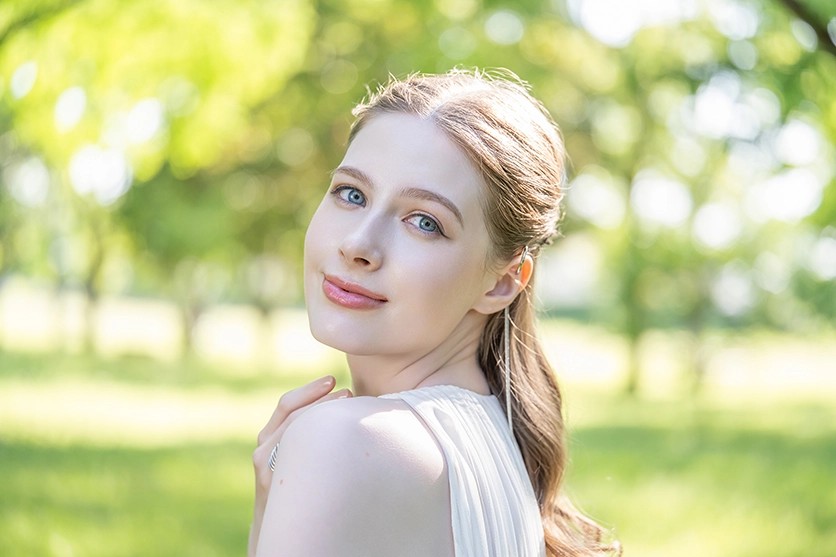
TAMRON 90mm F2.8 MACRO (Model F072) Focal length: 90mm Exposure: F3.0 Shutter Speed: 1/160sec ISO: 160
A 90mm macro is also a very good short telephoto. Nothing about the design restricts it to close work, and at normal distances it behaves like a sharp, fast prime.
That makes it a genuinely versatile lens rather than a specialist one. The same lens that photographed dew on grass at dawn will handle portraits with flattering compression, detail shots at an event, or a product on a table later the same day.
The category overlaps with several others, which is where most of the confusion sits. These are the three questions that come up most often.
Lenses divide broadly into primes, which have one fixed focal length, and zooms, which cover a range. Primes usually offer a wider maximum aperture and correspondingly stronger background blur.
Most macro lenses are primes, so the two categories overlap heavily, but they are not the same thing. A prime is defined by having a fixed focal length. A macro lens is defined by its close-focus ability and magnification. Nearly every macro lens is a prime; very few primes are macro lenses.
Lenses are grouped by focal length: wide-angle at roughly 35mm and below, standard around 50mm, telephoto from about 80mm upward.
A macro lens in the telephoto range is usually called a telephoto macro, and it is kept distinct from an ordinary telephoto for good reason. A conventional 90mm lens might focus no closer than 80 or 90cm.
A telephoto macro combines both capabilities: the reach and compression of a telephoto with true close-focus performance. That is exactly what you want for anything that will not tolerate your approach, which covers most insects and a good deal of small wildlife.
The difference is maximum magnification, and nothing else fundamental. A 1:1 lens reproduces the subject on the sensor at its true physical size. A half macro lens reaches 1:2, or half that scale.
In practice this decides which subjects are open to you. Equal magnification is what you need for structural detail: the facets of a compound eye, the hairs on a bee's thorax, the arrangement of stamens inside a small flower. Half macro handles anything from a full bloom upward, and for many people that covers most of what they actually photograph.
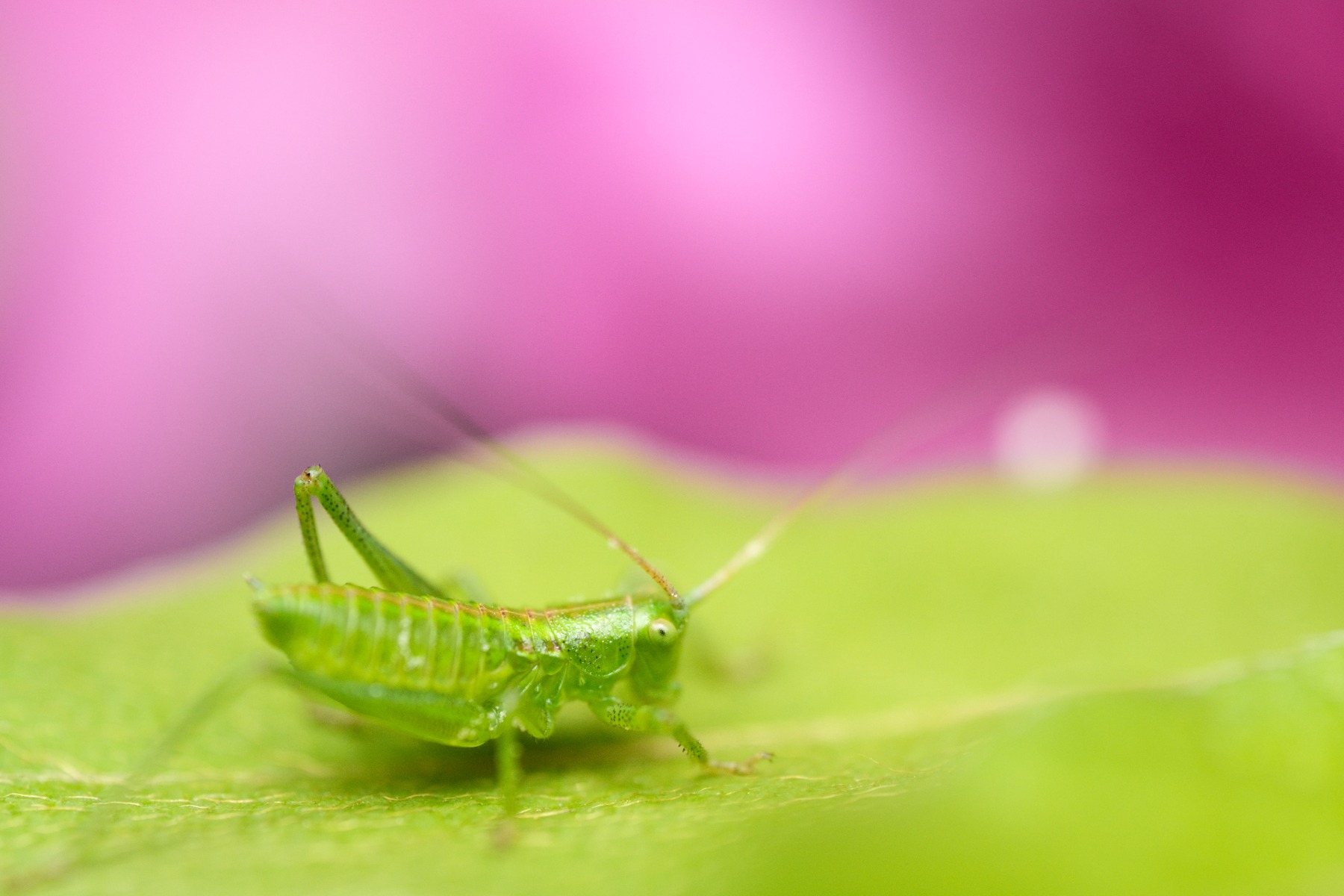
TAMRON 90mm F2.8 MACRO (Model F072) Focal length: 90mm Exposure: F2.8 Shutter Speed: 1/640sec ISO: 800
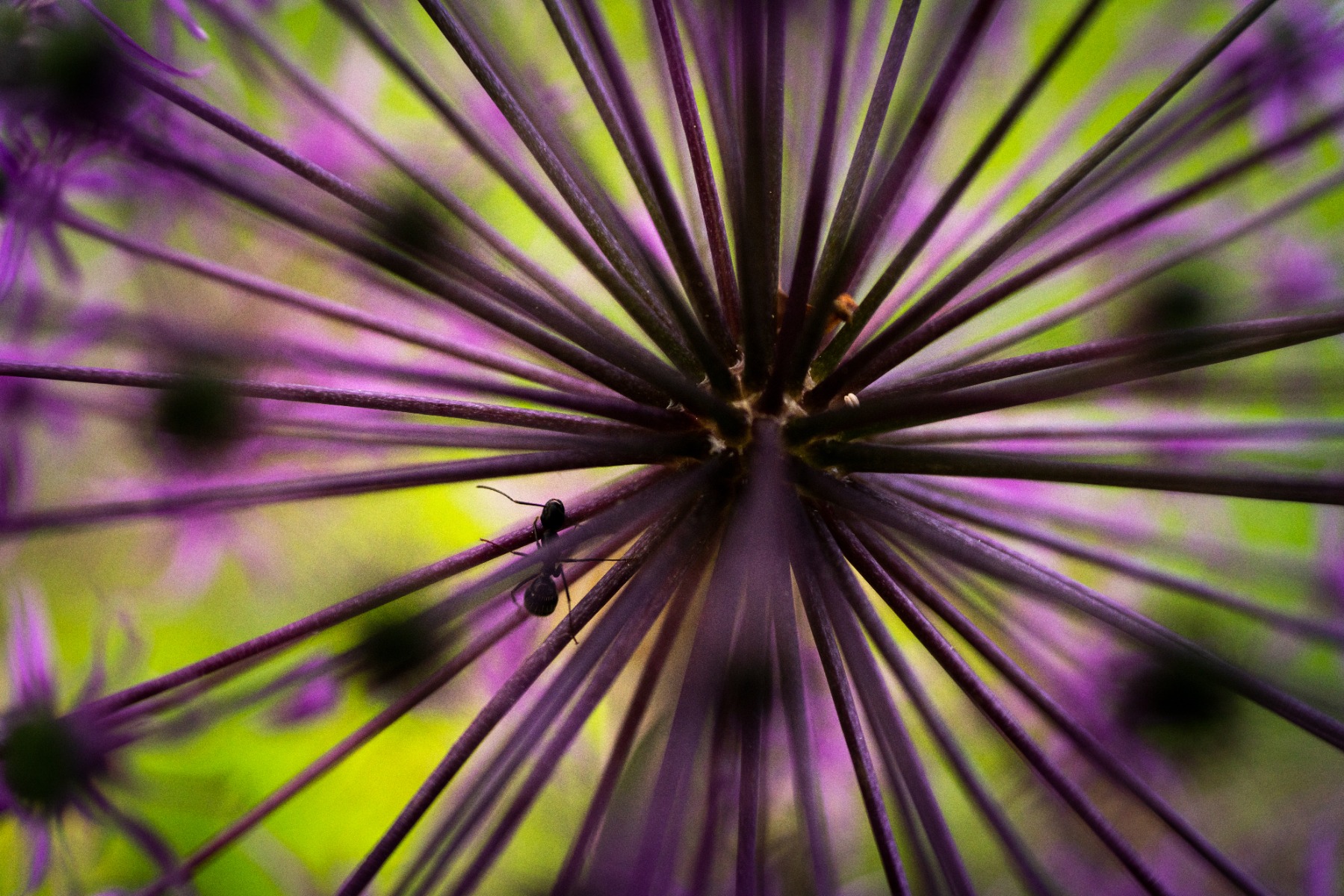
TAMRON 50-400mm F4.5-6.3 VC (Model A067) Focal length: 50mm Exposure: F4.5 Shutter Speed: 1/20000sec ISO: 640
Macro work is less forgiving than general photography, mostly because depth of field collapses at close range. Three things make the difference.
Minimum focusing distance varies with focal length, and that single fact should drive your choice.
A telephoto macro is not limited to flowers and insects. The shallow depth of field and long working distance suit portraits and detail-led landscape work equally well. The trade-off is that focus becomes demanding, and it takes practice before the hit rate becomes reliable.
Standard and wide-angle macro lenses focus closer, which suits work in confined spaces: objects on a table, small collectables, anything where you cannot step back. If you are photographing rooibos leaves or a piece of beadwork on a kitchen table, the shorter working distance is an advantage rather than a limitation.
At macro distances, depth of field can be a millimetre or two. Deciding precisely where focus falls is the central skill.
Photographing a flower or an insect, open the aperture so that the plane you care about is sharp and everything ahead of and behind it falls away. That isolation is the point, but it means you have to know exactly which part of the subject the image depends on. For an insect, that is almost always the eye.
Autofocus often struggles here, hunting between planes that are only fractionally apart. Manual focus is the usual answer, and the reliable technique is to set magnification, then rock the camera slowly forward and back until the plane you want snaps in, firing as it does. It feels awkward at first and becomes second nature quickly.
Because the subject is so strongly isolated, composition carries more weight than usual. Central composition works well, as does symmetry within the subject itself, and both suit the natural geometry of flowers and insects.
Colour relationships decide the mood. A subject set against a contrasting background reads as crisp and graphic: an orange aloe flower against a clear winter sky, or a green mantis against a dark shaded gap behind it.
Matching the background tone to the subject does the opposite, producing something softer and more atmospheric. A pale succulent against pale sand, or white cosmos against an overcast Free State sky in autumn, gives a gentler result from the same subject. Learning to control that relationship is one of the real pleasures of working with a macro lens.
A macro lens suits a wide range of subjects. These five cover most of what people photograph with one.
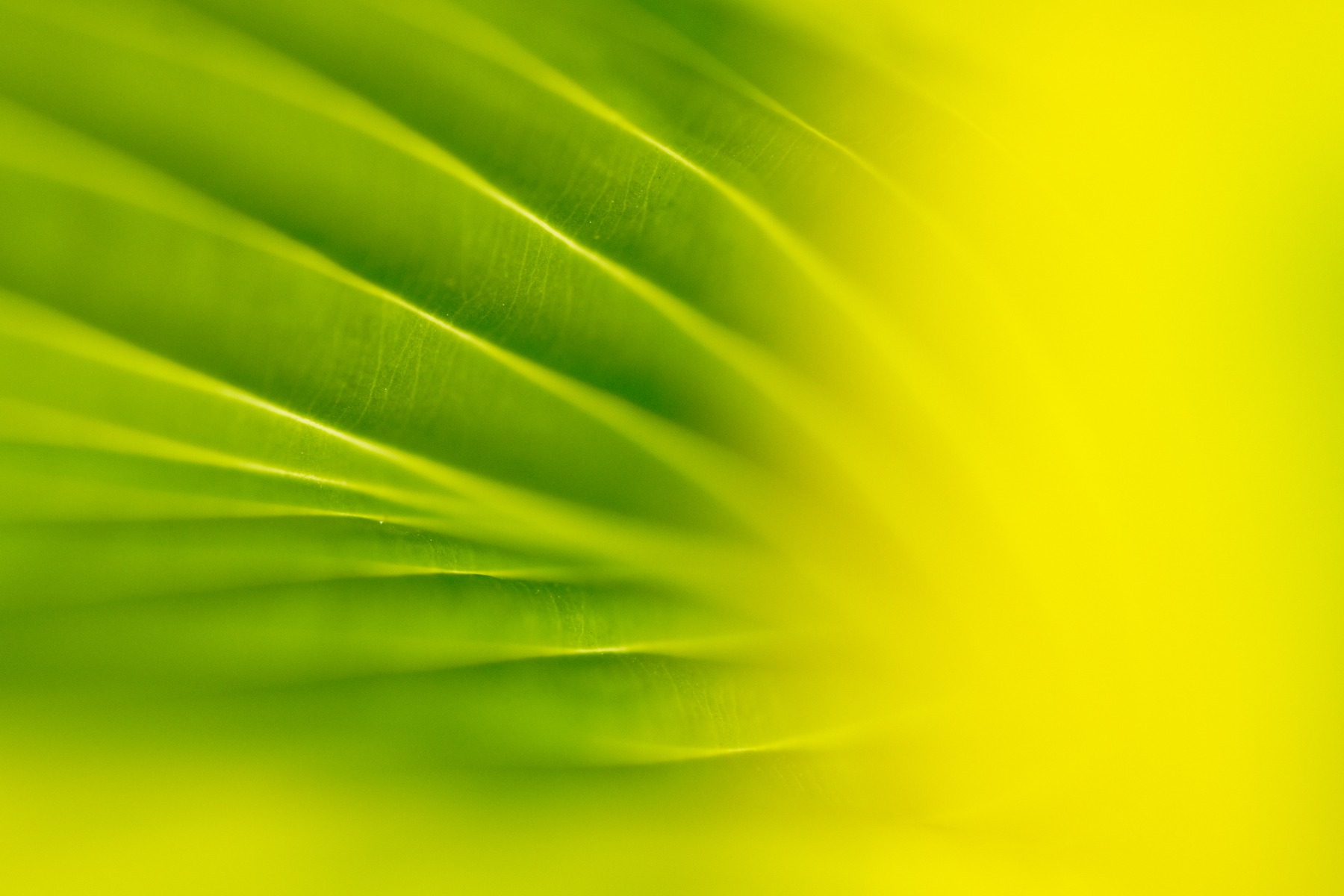
TAMRON 90mm F2.8 MACRO (Model F072) Focal length: 90mm Exposure: F2.8 Shutter Speed: 1/200sec ISO: 800
Plants are the natural starting point: they stay still, they are everywhere, and the structural detail rewards magnification. Aloes flowering through the winter months give you strong colour when little else is out. Vygies open in hard light and close again as it goes. Restio seed heads and grass inflorescences reduce beautifully to line and texture.
Walter Sisulu and Pretoria National Botanical Gardens both put an enormous range of material within a short walk, which makes them efficient places to practise. Wind is the main obstacle rather than light, so early morning is usually the calmer option.
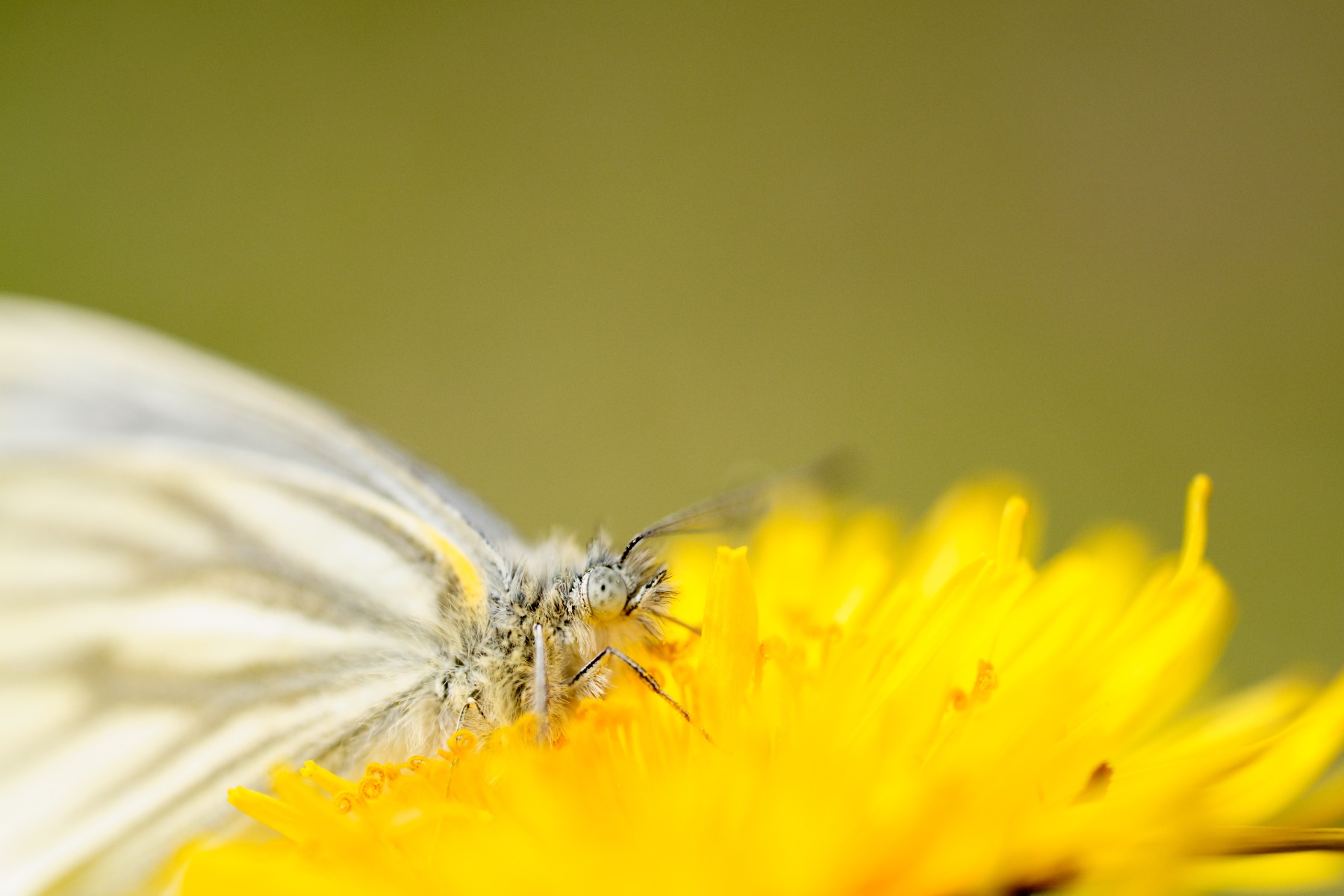
TAMRON 90mm F2.8 MACRO (Model F072) Focal length: 90mm Exposure: F2.8 Shutter Speed: 1/1600sec ISO: 640
Insects are the subject that most rewards a longer focal length, because working distance determines whether you get the frame at all. Carpenter bees on winter aloes, dragonflies and damselflies along the Umgeni and around Midmar, citrus swallowtails in a suburban garden: all of them will tolerate a 90mm approach and few will tolerate a 35mm one.
Move slowly and avoid casting a shadow across the subject, which is what usually triggers a departure. Cool early mornings are the productive window, since insects are slower before the day warms. Photograph them where you find them rather than moving or containing them.
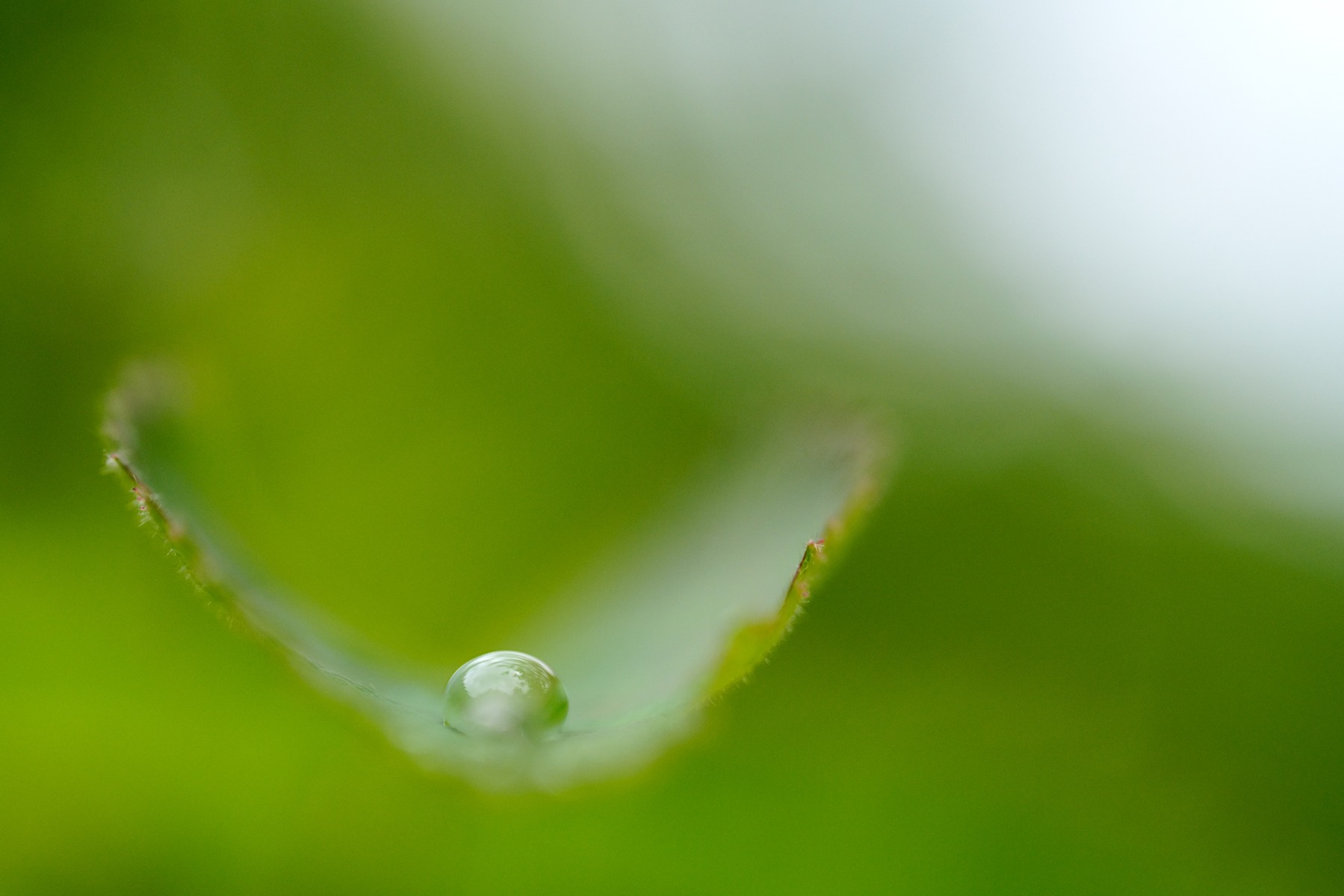
TAMRON 90mm F2.8 MACRO (Model F072) Focal length: 90mm Exposure: F2.8 Shutter Speed: 1/2000sec ISO: 800
A water droplet behaves as a lens, inverting and holding a miniature version of whatever sits behind it. Photographed at high magnification, that turns an ordinary drop into something far stranger than it looks.
Dry-season Highveld mornings deliver heavy dew on grass, and it burns off within an hour of sunrise, so it is worth being out early. In summer the same region gives you afternoon thunderstorms and everything soaked immediately afterwards. Winter rainfall in the Cape leaves beaded droplets sitting on succulent leaves, which repel water and hold the shape well.
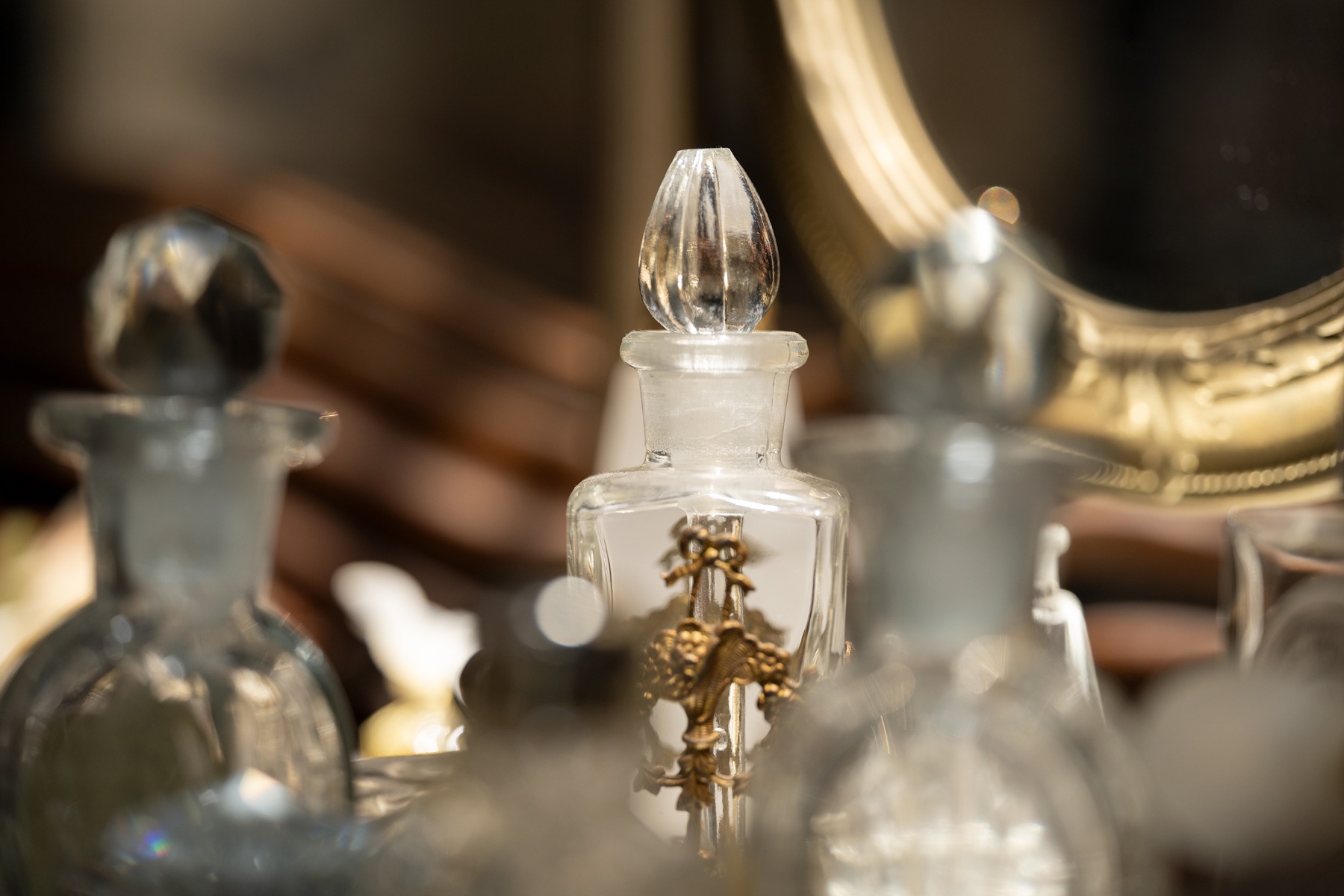
TAMRON 90mm F2.8 MACRO (Model F072) Focal length: 90mm Exposure: F3.3 Shutter Speed: 1/800sec ISO: 250
Indoor table-top work is where a macro lens quietly does most of its everyday duty. Texture is the whole subject: the grain of loose rooibos, the oily sheen on freshly roasted coffee beans, sugar crystals on the surface of a rusk, the crumb structure at the edge of a slice of melktert.
Window light is usually enough, and being able to work close means a small area of a table can be arranged carefully rather than staging a whole scene. This is where a standard macro's shorter working distance is genuinely more convenient than a telephoto's.
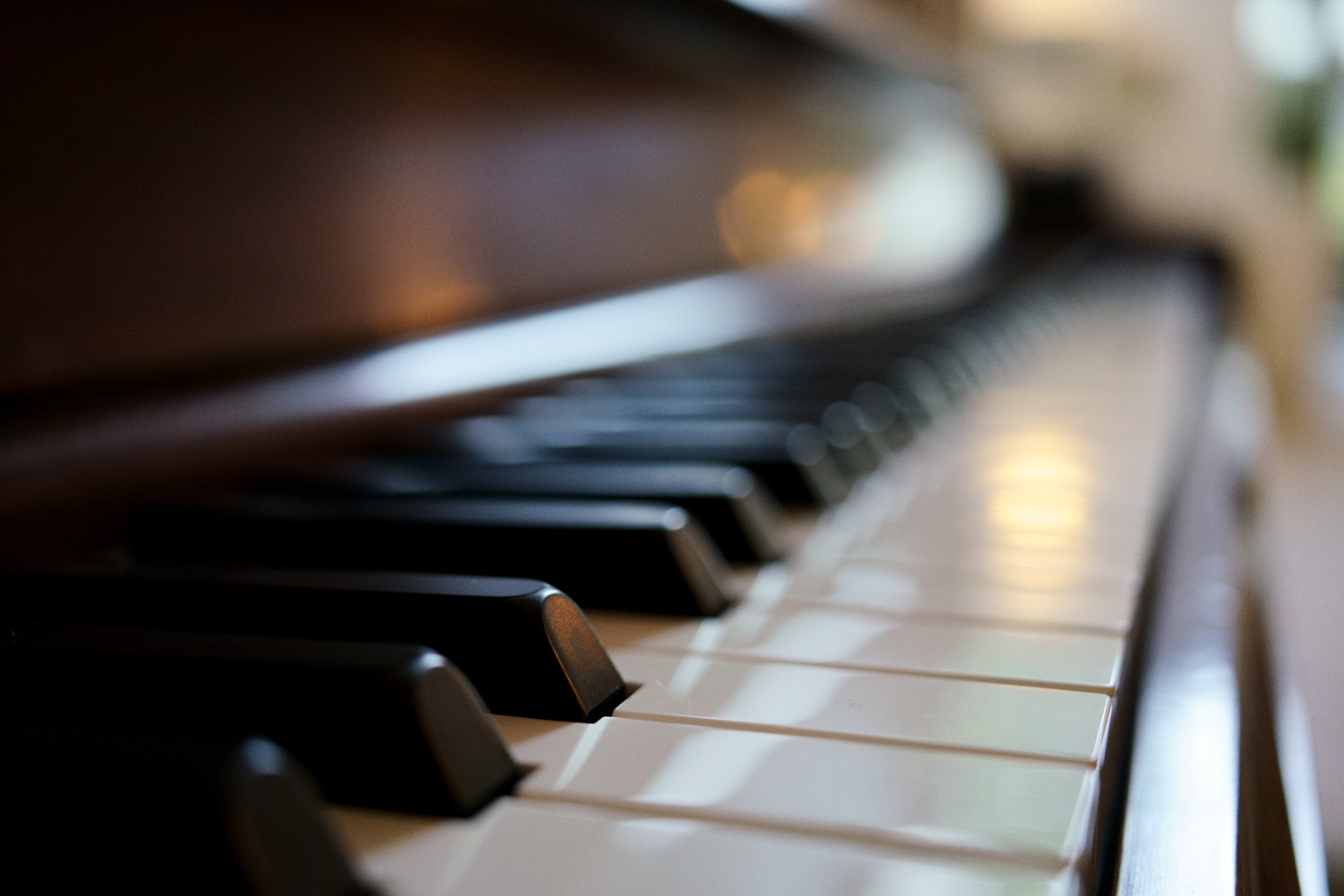
TAMRON 35mm F2.8 (Model F053) Focal length: 35mm Exposure: F2.8 Shutter Speed: 1/30sec ISO: 800
Small objects hold detail that only appears under magnification: individual beads and the thread running between them, tool marks on hand-forged silver, the movement of an old watch, the wear on a Union-era coin, the crystal faces on a mineral specimen.
These subjects do not move, which means you can stop down for depth of field, use a tripod and take as long as you need. That makes them an ideal way to learn manual focus before taking the lens outdoors.
Beyond maximum aperture and minimum object distance, the most useful thing you can do is look closely at sample images taken with the lens. Specifications describe capability; sample frames show rendering.
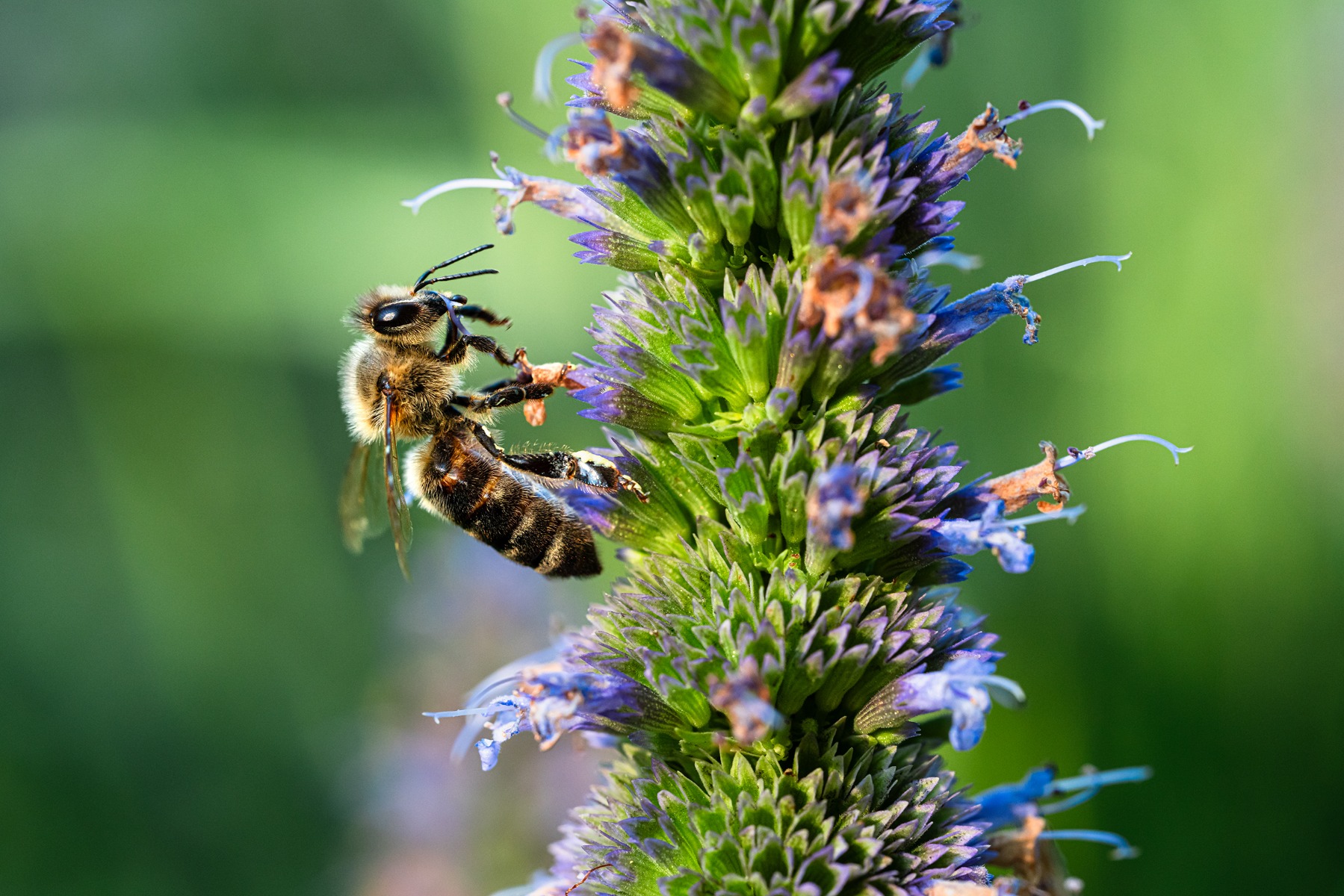
TAMRON 90mm F2.8 MACRO (Model F072) Focal length: 90mm Exposure: F6.3 Shutter Speed: 1/320sec ISO: 2000
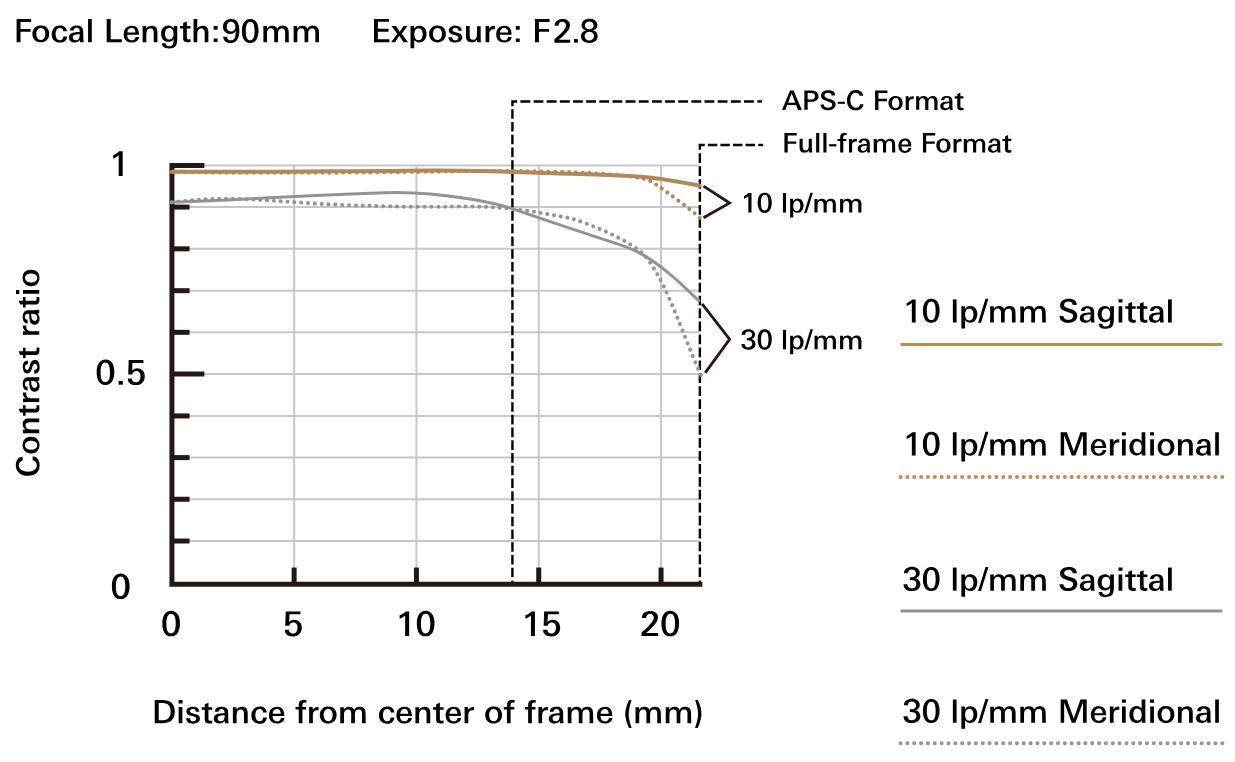
Two qualities matter, and they pull in opposite directions. Resolution determines how much fine detail survives at the plane of focus. Bokeh determines how gracefully everything outside that plane falls away.
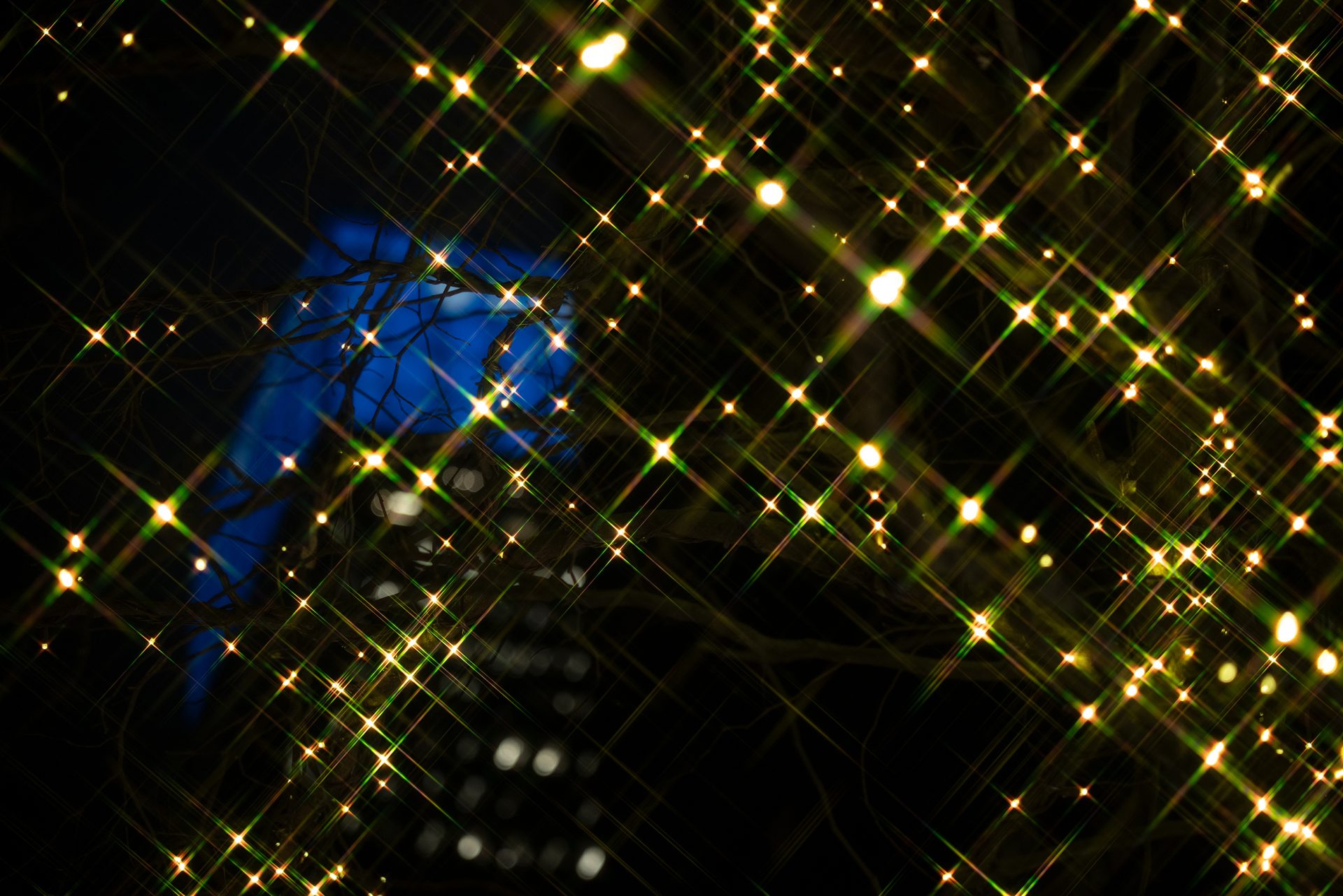
A good macro lens delivers both. Look at sample images specifically for how the transition between sharp and unsharp is handled, and for whether out-of-focus highlights render as clean discs or as outlined rings. That transition is what separates a technically sharp frame from one that looks genuinely three-dimensional.
A shorter minimum object distance lets you work closer. Telephoto macro lenses around 90mm are the popular choice for insects and flowers, because they combine 1:1 capability with enough working distance to be practical outdoors. A standard macro focuses closer still and suits table work and other confined settings.
Equal magnification at 1:1 gives you access to fine structural detail. Half macro pulls back slightly, and produces perfectly strong images across a wide range of subjects.
The useful approach is to picture the photographs you actually want to make, then read the specifications against that rather than in the abstract.
A fast lens with a maximum aperture of F2.8 or wider makes it easier to produce large, soft background blur, and it helps considerably with exposure in dim conditions. Much macro work happens in shade, under a canopy or indoors near a window, so the extra light is worth having.
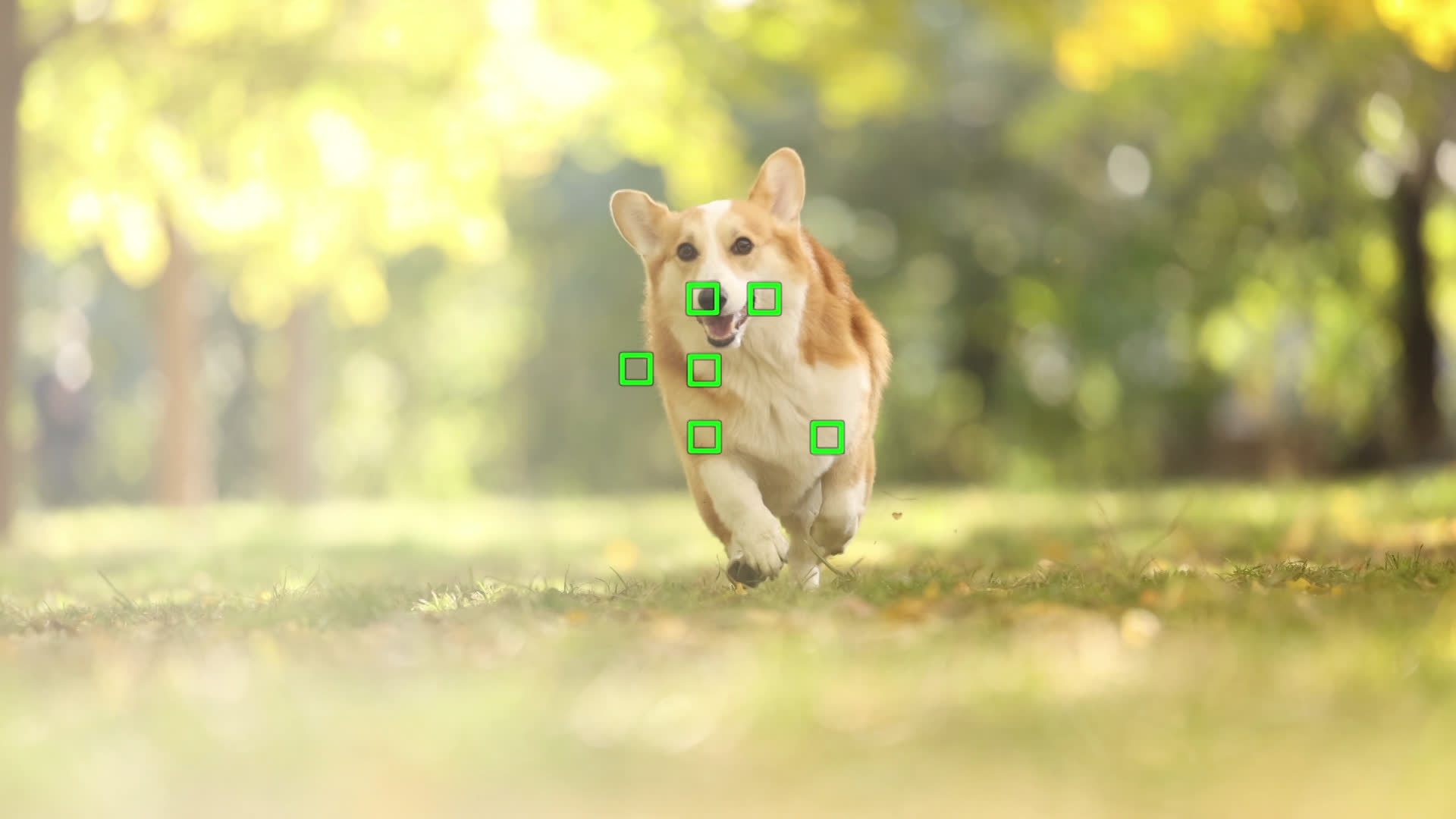
Autofocus needs to be accurate and settle without hunting, since at these distances a small error puts the entire subject outside the plane of focus.
Because so much macro work ends up being done manually, the focus ring matters just as much. Check the damping and the amount of rotation between close focus and infinity. A ring that turns too quickly makes fine adjustment frustrating.
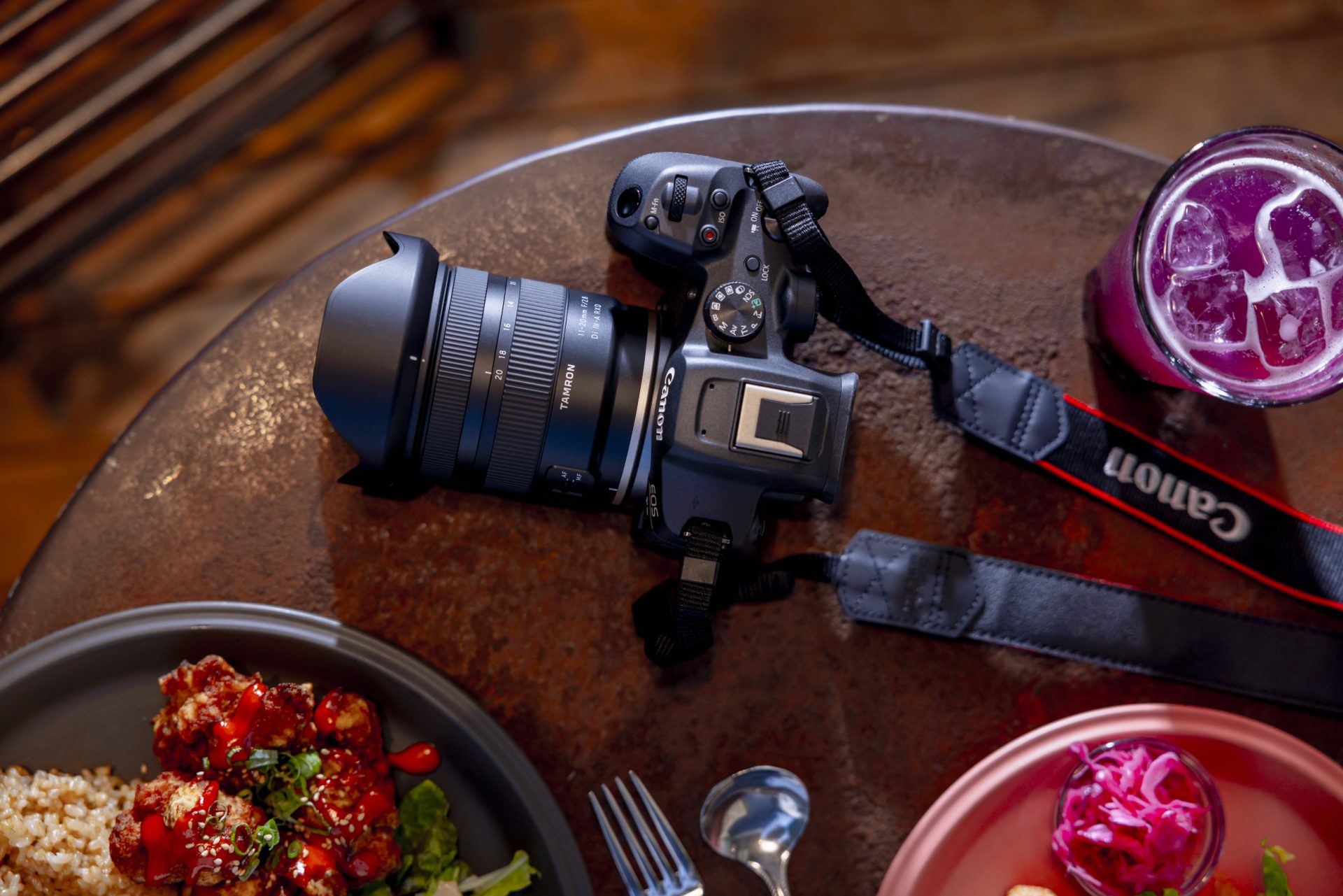
Macro lenses spend a lot of their life outdoors, so portability counts. A compact, lighter lens is easier to carry through a garden or along a trail and less tiring across a long session.
Handling has a direct effect on results. A lens that is comfortable to hold is easier to keep steady on a small subject, and the practical consequence is that you take more frames and keep more of them.
Macro work regularly puts you in wet conditions: dew-soaked grass at sunrise, spray near water, the aftermath of a summer thunderstorm. A moisture-resistant construction means you can keep working without worrying about it, and it is worth prioritising if you photograph plants or spend time near water.
A macro lens reveals detail at a scale you cannot otherwise reach, and it tends to change what you notice long before it changes what you photograph. Ordinary things become subjects, and the shallow depth of field gives results closer to painting than to record-keeping. If you want to see familiar ground differently, this is the lens that does it.