| September 18, 2026
 South Africa's #1 Mobile Protection Brand
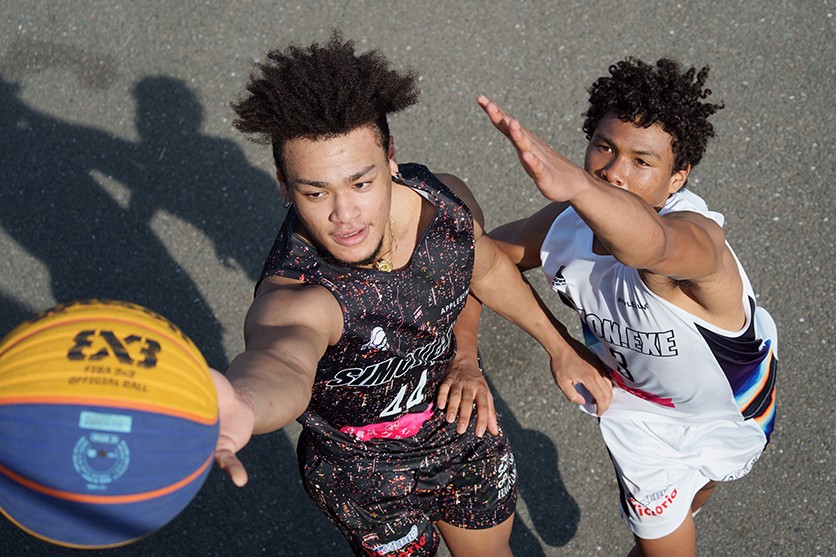
Photography is all about capturing light, and one of the most important settings that controls brightness is ISO sensitivity. Whether you’re photographing wildlife on a Kruger National Park safari, capturing a sunset over Table Mountain, or shooting a night scene in Johannesburg, understanding ISO sensitivity will help you achieve the right exposure.
In South Africa, lighting conditions can vary dramatically—from bright midday sun to dim indoor gatherings or star-filled Karoo skies. Knowing how to adjust ISO sensitivity allows you to adapt quickly and take sharp, well-exposed photos in any situation.
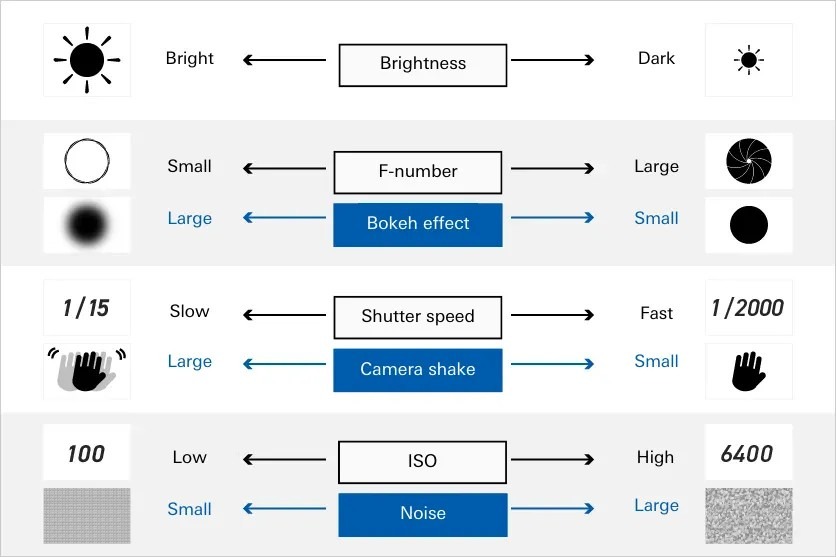
To understand ISO sensitivity, it’s important to look at how it works with aperture and shutter speed. These three elements form the exposure triangle, which determines how bright or dark your image appears.
Aperture controls how much light enters the lens, while shutter speed determines how long the camera sensor is exposed to that light. ISO sensitivity, on the other hand, adjusts how sensitive the sensor is to the available light.
For example, when photographing wildlife during an early morning safari drive, you may need a faster shutter speed to freeze movement. Increasing ISO sensitivity allows you to maintain brightness even in low light. On the other hand, when shooting a bright beach scene in Durban, you can use a low ISO sensitivity to keep your images clean and detailed.
Balancing these three settings is key to achieving the desired result.
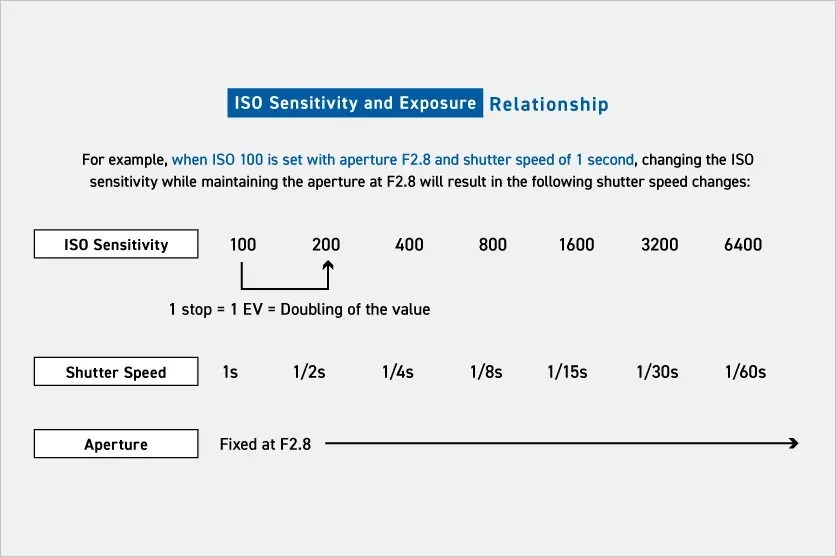
ISO sensitivity refers to how sensitive your camera sensor is to light. It is expressed as a number, such as ISO 100, 200, 400, and so on.
A lower ISO sensitivity (like ISO 100) means the sensor is less sensitive to light, producing cleaner images with minimal noise. A higher ISO sensitivity (such as ISO 3200 or above) makes the image brighter but can introduce grain or noise.
Each time you double the ISO value, you effectively double the brightness of the image. For instance, moving from ISO 100 to ISO 200 increases exposure by one stop.
Imagine you are photographing a sunset in Cape Town. If the scene appears too dark, increasing ISO sensitivity can brighten the image without changing your aperture or shutter speed. However, pushing ISO too high may reduce image quality, so it’s important to find the right balance.
Low ISO sensitivity is ideal for bright environments where there is plenty of natural light. It produces images with high clarity, rich detail, and minimal noise.
In South Africa, this is particularly useful when photographing landscapes such as the Drakensberg mountains or the Garden Route coastline. It’s also perfect for daytime wildlife photography in places like Kruger National Park, where sunlight is abundant.
Using a low ISO sensitivity ensures your images remain sharp and vibrant. Even when shooting cityscapes like Cape Town’s Waterfront at night, you can still use a low ISO if you stabilise your camera with a tripod and allow for longer exposures.
High ISO sensitivity is useful when shooting in darker environments or when you need to capture fast-moving subjects.
For example, if you’re photographing a rugby match or a football game, you’ll need a fast shutter speed to freeze the action. Increasing ISO sensitivity allows you to maintain proper exposure without slowing the shutter.
Similarly, during indoor events such as family gatherings, braais, or live performances, lighting can be limited. Raising the ISO helps you capture the moment without relying on flash.
Wildlife photography at dawn or dusk also benefits from higher ISO sensitivity, as light levels are lower during these times. However, keep in mind that higher ISO settings can introduce noise, so it’s best to increase it only as much as necessary.
Choosing the right ISO sensitivity depends on the lighting conditions and the type of scene you’re photographing. Below are general guidelines to help you get started.
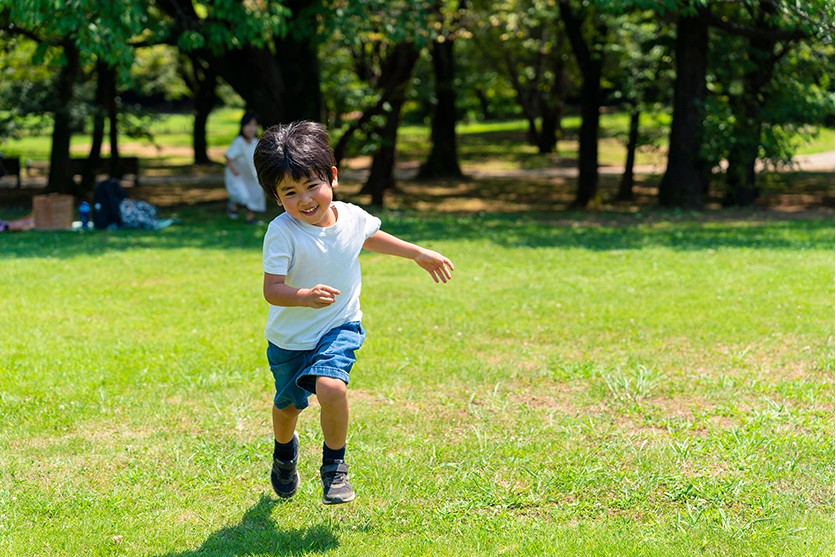
For bright outdoor conditions, such as a safari drive or a day at the beach in Durban, use ISO 100–400.
The strong sunlight provides enough illumination, allowing you to keep ISO low and maintain excellent image quality.
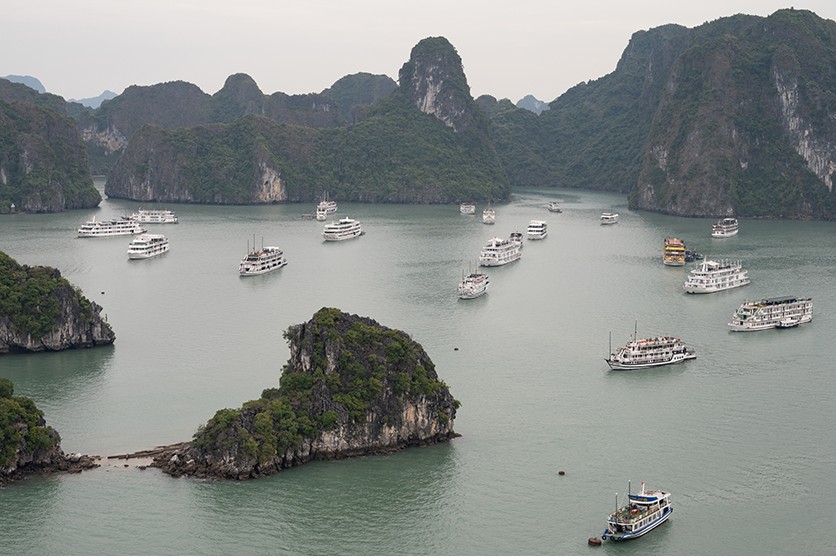
On overcast days, such as during Cape Town’s winter months, light levels are lower. In these situations, ISO 400–800 is recommended.
This helps compensate for the reduced brightness while still keeping noise at a manageable level.
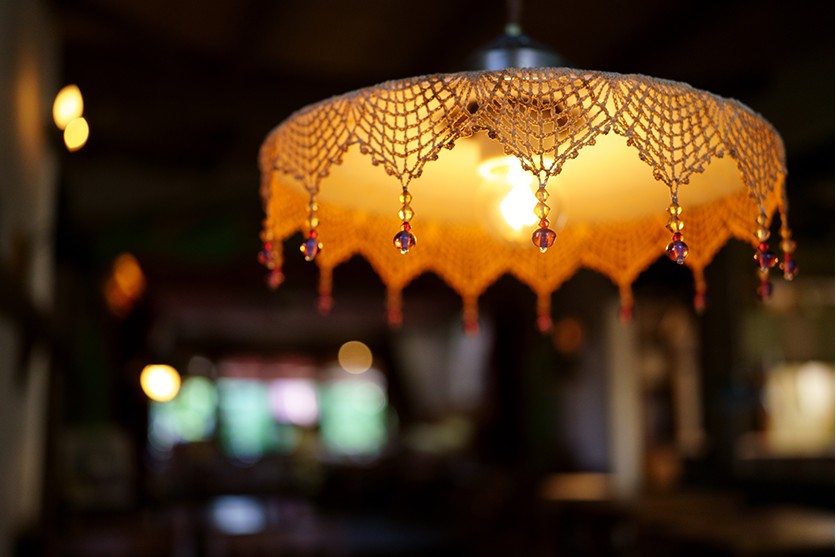
When shooting indoors—whether at a restaurant, a family gathering, or a braai—you may need ISO 800–3200 depending on the available light.
Indoor lighting can vary significantly, so adjusting ISO sensitivity allows you to maintain a faster shutter speed and avoid motion blur.
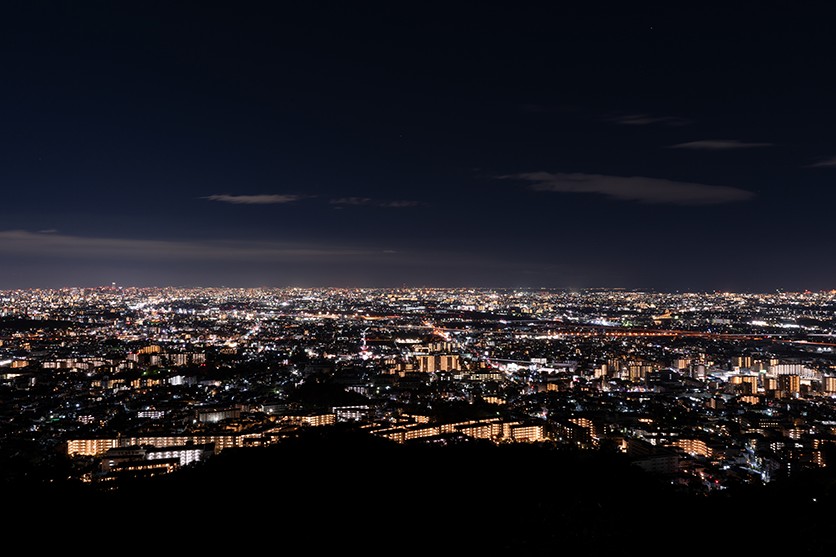
For night photography in cities like Johannesburg or Cape Town, ISO 100–400 can be used if you are shooting with a tripod.
Long exposures allow more light to reach the sensor, reducing the need for higher ISO and helping you capture crisp images with minimal noise.
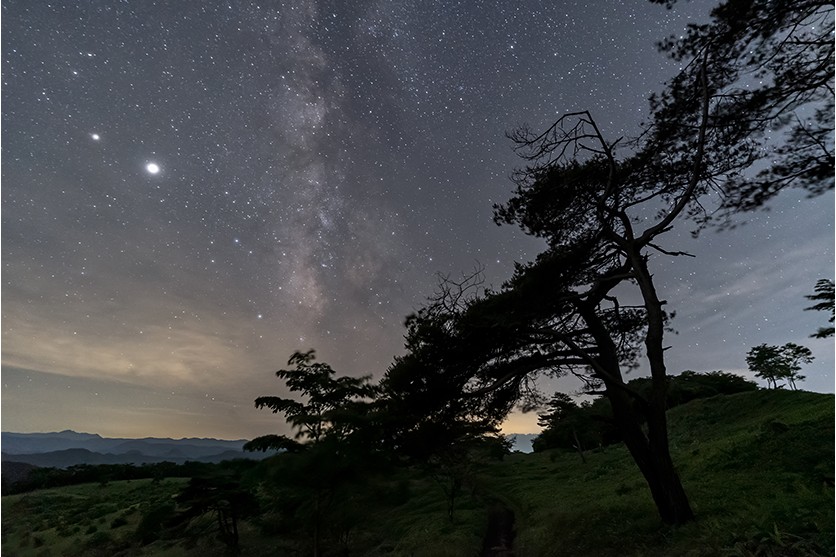
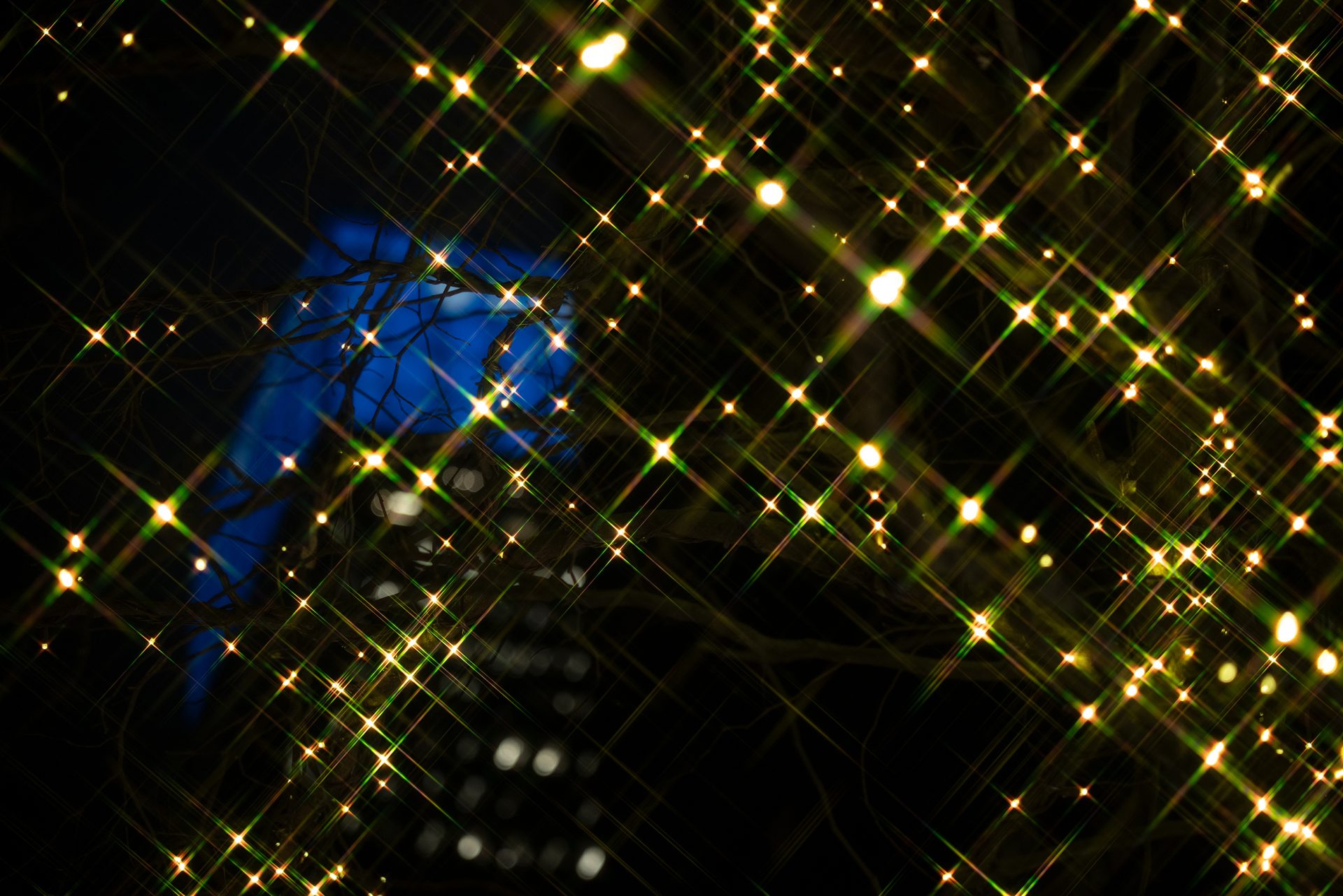
South Africa offers incredible opportunities for astrophotography, especially in regions like the Karoo or Sutherland, known for their dark skies.
To capture stars clearly, you’ll typically need ISO 1600–6400. This allows the camera to pick up faint light from the night sky.
However, higher ISO settings can introduce noise, so it’s important to experiment and find the best balance for your camera and conditions.
Understanding ISO sensitivity is essential for taking better photos in a wide range of environments. From bright coastal scenes to low-light wildlife moments and star-filled skies, adjusting ISO sensitivity helps you control brightness while maintaining image quality.
By practising in different South African settings, you’ll quickly learn how to choose the right ISO sensitivity for any situation and capture stunning, well-exposed images every time.