| September 18, 2026
 South Africa's #1 Mobile Protection Brand
Whether you are photographing wildlife in Kruger National Park, shooting rugby action in Pretoria, or capturing sunsets along the Cape Town coastline, understanding depth of field can dramatically improve your photography. Depth of field controls how much of your image appears sharp, helping photographers create everything from creamy portrait backgrounds to crystal-clear landscape scenes.
In this guide, we explain what depth of field is, how depth of field works, and how South African photographers can use it creatively for portraits, sports, wildlife, and travel photography.
Depth of field refers to the zone in an image that appears acceptably sharp. When your camera focuses on a subject, there is an area in front of and behind that subject that may also look in focus.
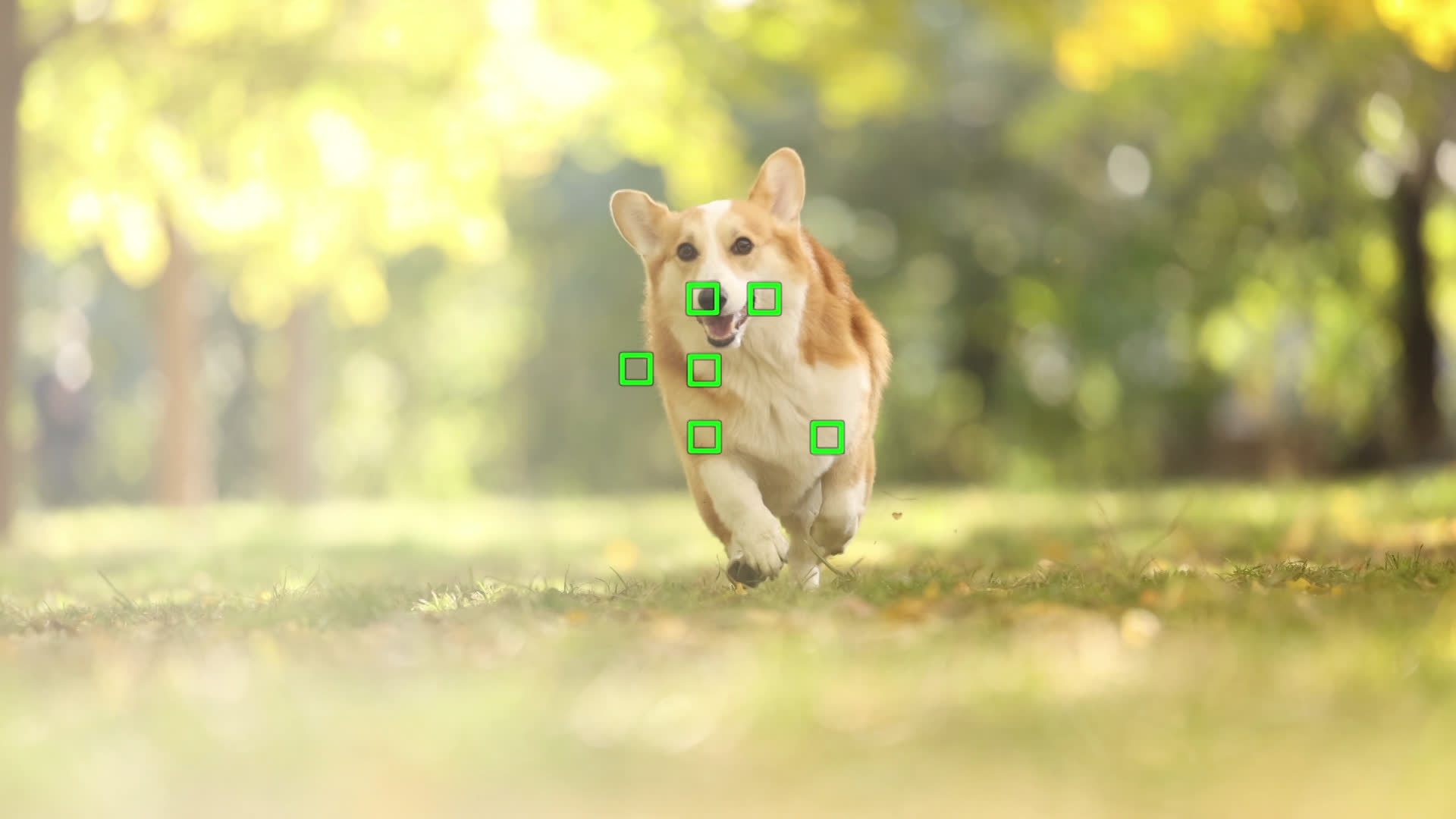
A shallow depth of field keeps only a small part of the scene sharp, while a deep depth of field keeps much more of the image clear.
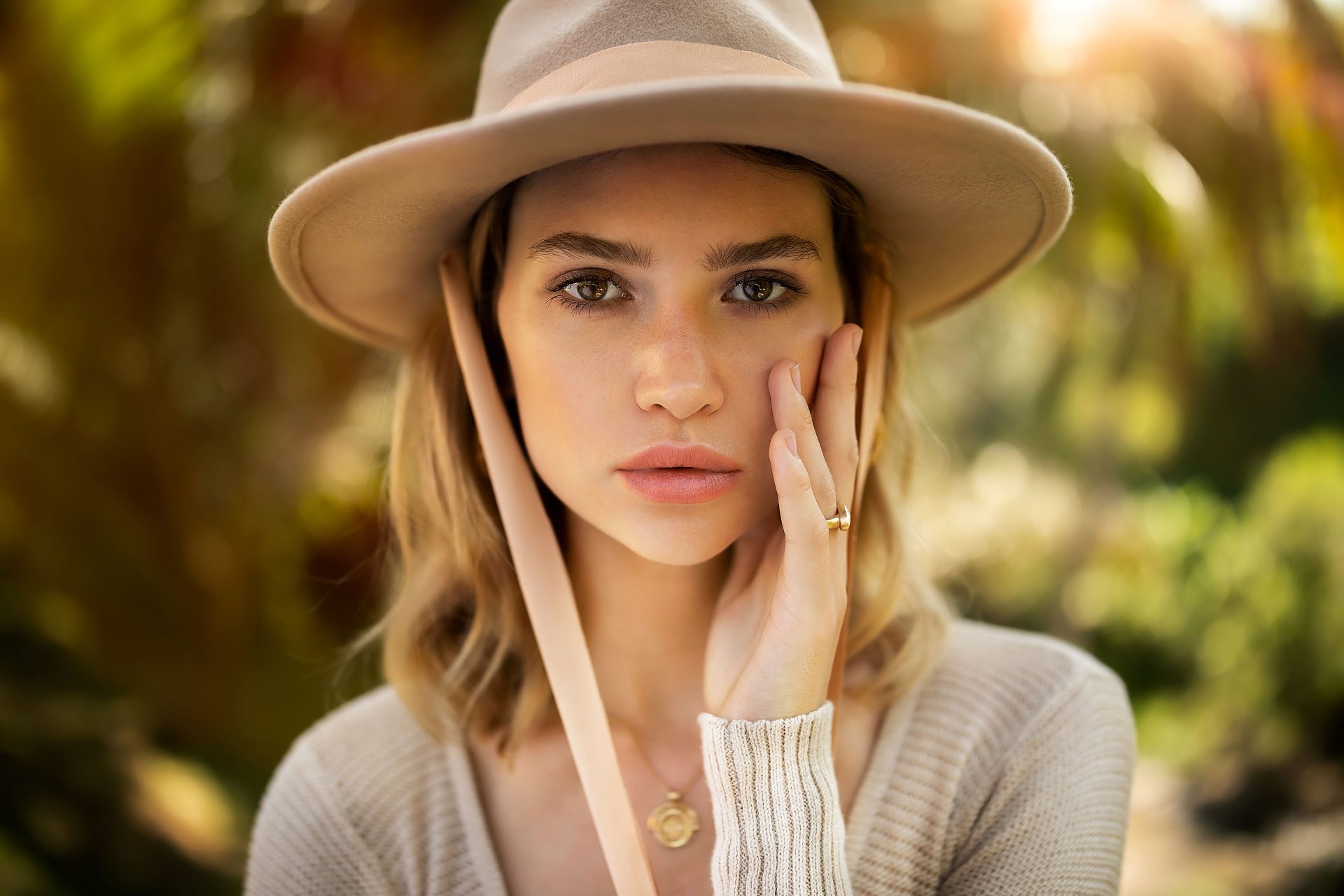
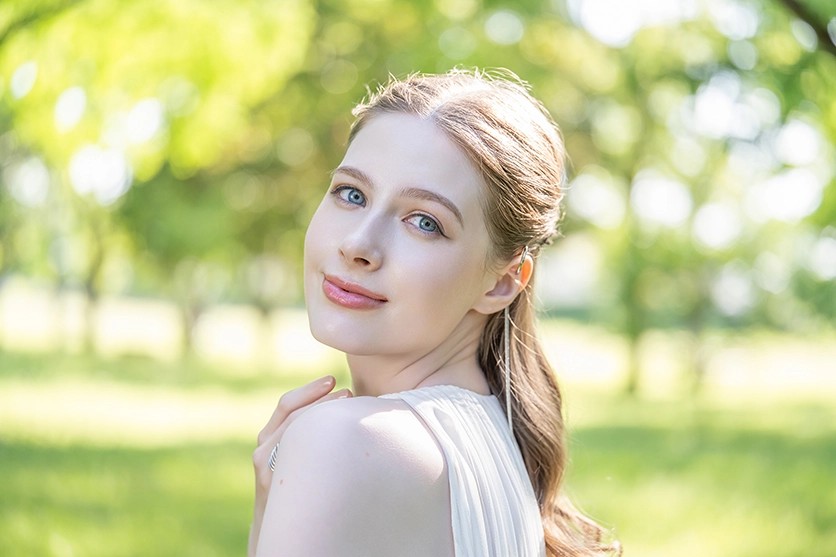
A shallow depth of field is popular in portrait photography because it separates the subject from the background. For example, when photographing a model in Johannesburg during jacaranda season, a blurred purple background can make the subject stand out beautifully.

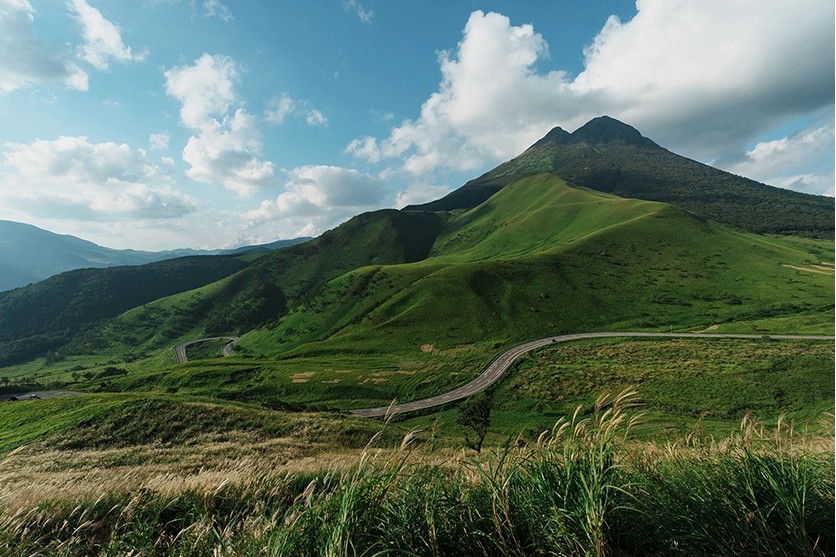
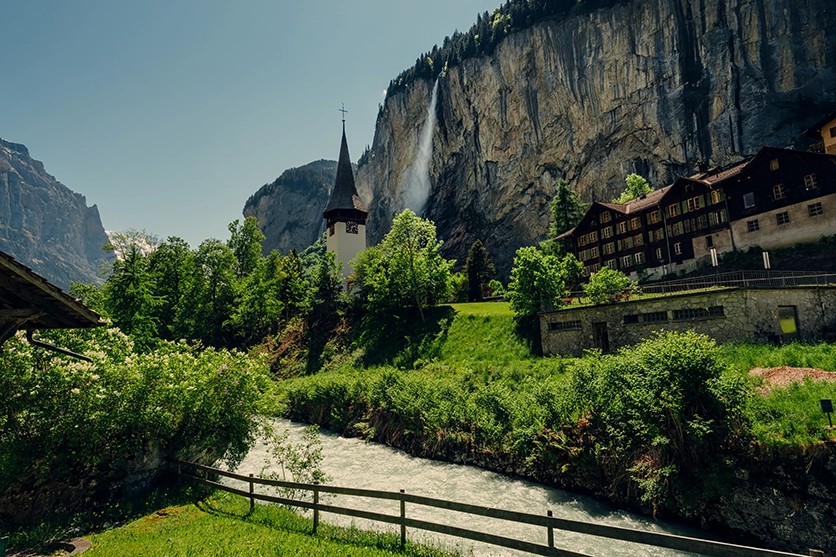
A deep depth of field is commonly used in landscape photography. If you are shooting the Drakensberg mountains or the Garden Route coastline, you may want both the foreground and the distant scenery to remain sharp.
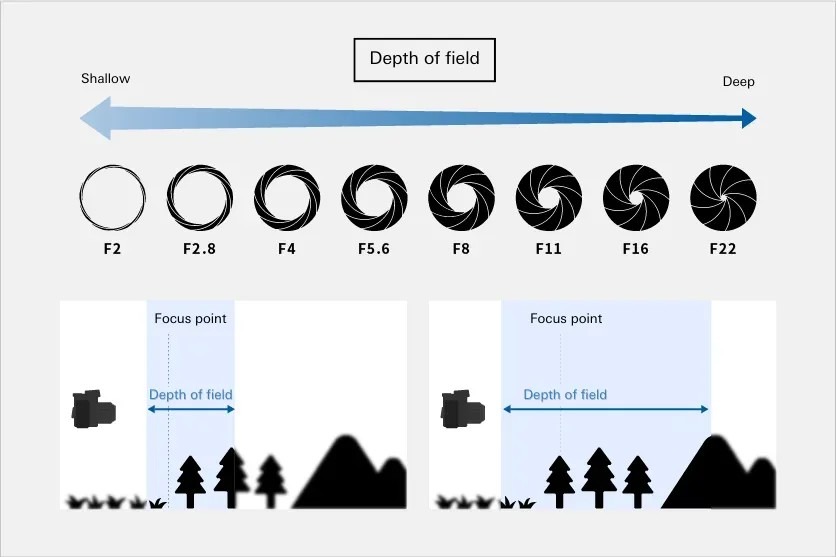
The aperture setting, also known as the f-number, has a major effect on depth of field. A low f-number such as f/2.8 creates a shallow depth of field and strong background blur.
A higher f-number such as f/11 increases the focus area and produces a high depth of field.
Telephoto lenses generally create stronger blur effects than wide-angle lenses. For wildlife photography in Kruger National Park, photographers often use telephoto lenses to isolate animals from busy backgrounds.
The closer your camera is to the subject, the shallower the depth of field becomes. This is especially noticeable in close-up photography and macro photography.
Portrait photographers often prefer shallow depth of field to create soft, creamy backgrounds. This technique works especially well during outdoor shoots in Cape Town vineyards or urban portrait sessions in Maboneng.

Landscape photographers usually aim for deep depth of field so the entire scene appears detailed and sharp. This approach is ideal for photographing the Karoo, Table Mountain, or the Blyde River Canyon.
Sports photographers covering rugby or cricket matches may use medium depth of field settings to keep athletes sharp while slightly softening distracting backgrounds.
One of the easiest ways to increase depth of field is to use a smaller aperture such as f/8 or f/11. This helps keep more of the image in focus.
Increasing the distance between your camera and the subject can also deepen the focus area. This technique is useful for travel and landscape photography.
Wide-angle lenses generally produce deeper depth of field than telephoto lenses. Many travel photographers in South Africa use wide-angle lenses when photographing scenic routes and city skylines.
A depth of field calculator helps photographers estimate how much of a scene will appear sharp based on aperture, focal length, and subject distance.
Many mobile photography apps now include depth of field calculators for quick planning in the field.
A depth of field diagram visually explains how focus changes at different settings. These diagrams are especially useful for beginner photographers learning how aperture and focal length interact.
Wide-angle lenses are excellent for travel, architecture, and landscape photography because they naturally create deeper focus areas.
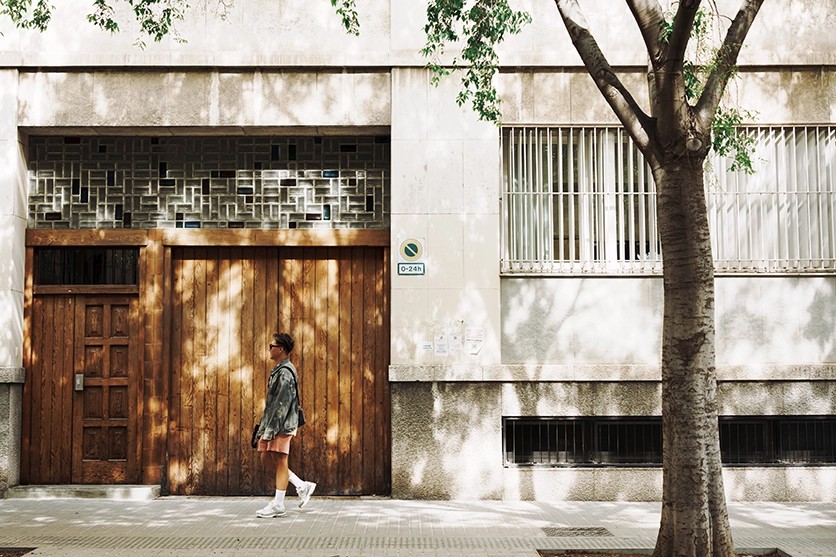
Standard lenses offer a balanced look and are commonly used for street photography, lifestyle images, and general shooting.
Telephoto lenses create strong subject separation and are ideal for wildlife photography, sports photography, and portraits.
Understanding depth of field allows photographers to control how sharp or blurred different parts of an image appear. By adjusting aperture, focal length, and shooting distance, you can create more dramatic portraits, sharper landscapes, and more professional-looking images.
Whether you are photographing wildlife in Limpopo, cricket matches in Johannesburg, or coastal scenery in Cape Town, mastering depth of field will help you take stronger and more creative photographs.