| September 18, 2026
 South Africa's #1 Mobile Protection Brand

Capturing sharp images can be challenging, especially when you’re shooting in dynamic environments like a safari in Kruger National Park or photographing city life in Johannesburg. If your images often come out blurry, the issue usually comes down to how well you understand your camera focus settings.
Whether you're photographing wildlife, landscapes, or portraits, mastering your focus settings is essential for consistently sharp results. In this guide, we’ll break down what focus really means, why images go out of focus, and how to adjust your settings for different shooting situations in South Africa.
In photography, a subject is considered “in focus” when it appears sharp and clearly defined, with crisp edges and visible detail. Your camera focus settings control how and where your camera achieves this sharpness.
For example, when photographing a lion on safari, you’ll want the animal’s eyes to be perfectly sharp while the background remains slightly blurred. Similarly, in portrait photography, focusing on your subject’s eyes ensures a professional and visually pleasing result.
Blur can occur when focus is missed or when motion is introduced—either from a moving subject or camera shake. Understanding how your focus settings work is the first step toward improving image clarity.
Blurry images are often the result of incorrect settings or shooting conditions. Let’s look at the most common causes and how they relate to your camera focus settings.

Autofocus (AF) is designed to make focusing easier, but incorrect settings can cause the camera to lock onto the wrong subject.
For instance, if you’re photographing a soccer match and your camera focuses on the crowd instead of the player, your image will appear out of focus. Choosing the correct autofocus mode and focus point is crucial for accuracy.
Fast-moving subjects require specific focus settings to stay sharp.
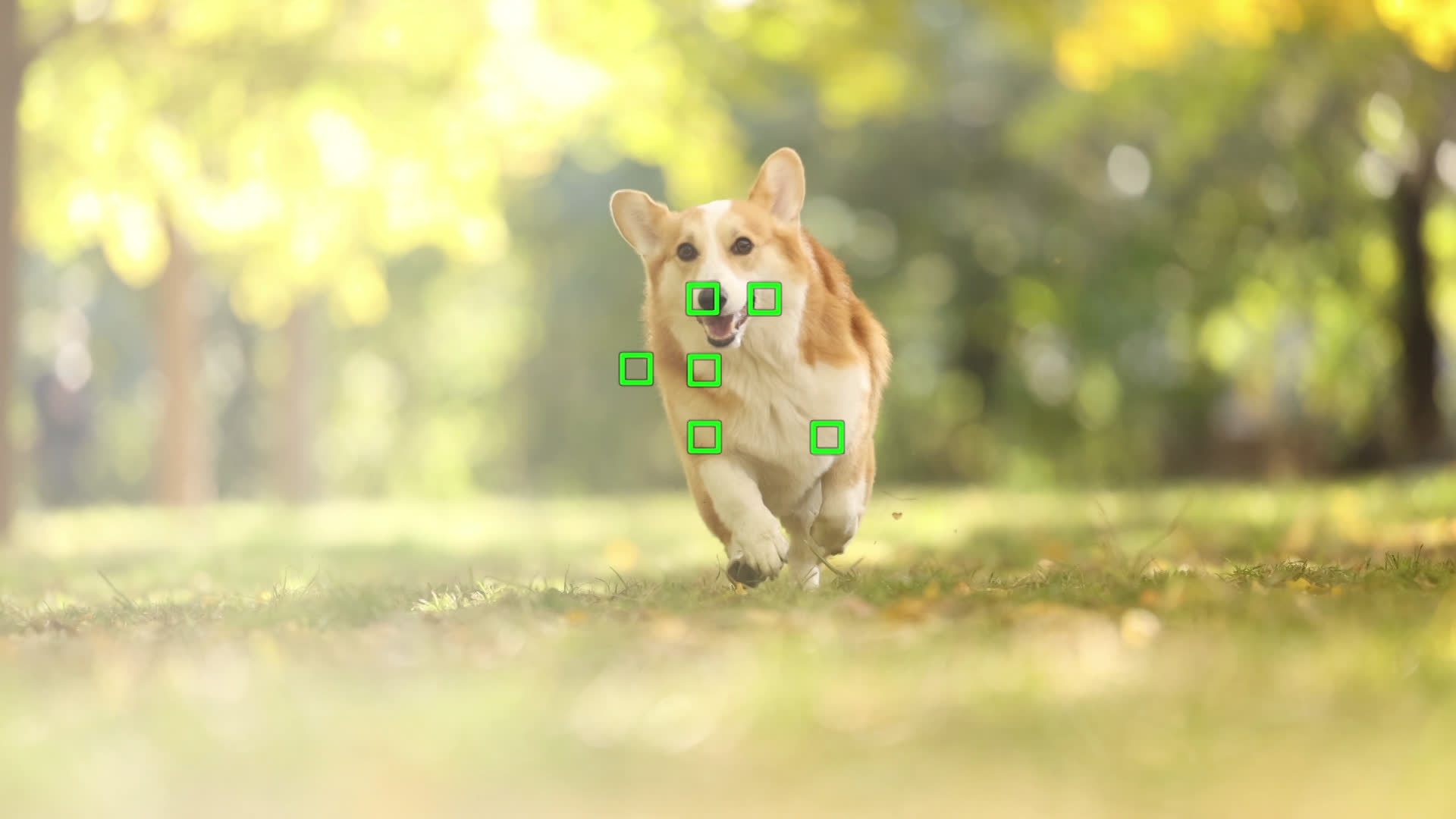
When shooting rugby or wildlife, such as birds in flight, using continuous autofocus (AF-C) allows your camera to track movement. If you use the wrong mode, your subject may move out of focus before the shot is taken.
Camera shake is another common cause of blur, especially when shooting handheld.
For example, capturing night scenes at the V&A Waterfront in Cape Town can result in blurry images if your shutter speed is too slow. While focus settings play a role, stabilising your camera and adjusting exposure settings are equally important.
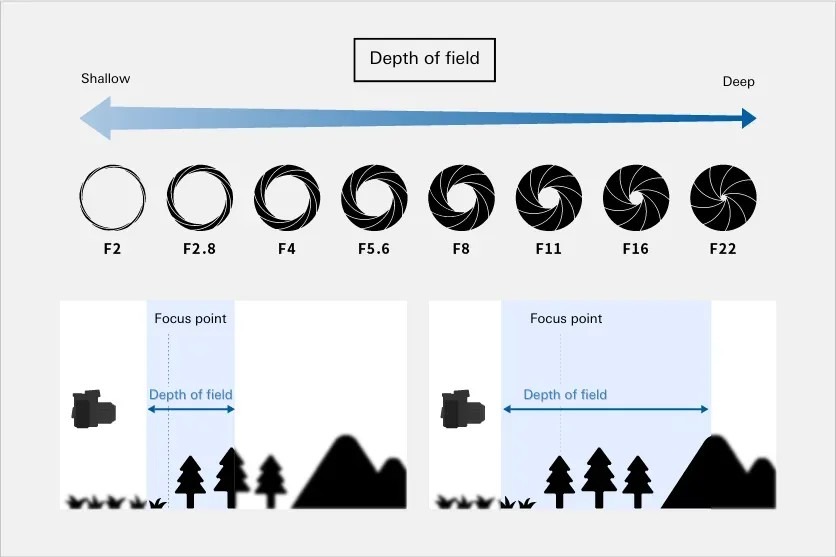
Depth of field refers to how much of your image appears in focus.
A shallow depth of field (common in portraits) makes it harder to maintain precise focus, while a deeper depth of field (used in landscapes) keeps more of the scene sharp.
When photographing the Drakensberg mountains, for example, using a narrower aperture helps ensure both the foreground and background are in focus.
Improving your photography starts with adjusting your camera focus settings correctly for each situation.
Different focus modes are suited to different subjects.
For example, when shooting Table Mountain, AF-S works well. But for animals on safari, AF-C is essential.
Your camera allows you to choose specific focus areas.
When photographing street scenes in Johannesburg, selecting the correct focus area ensures your subject stands out clearly.
The focus-and-recompose technique allows you to lock focus and then adjust your composition.
This is particularly useful when your subject is not centred, such as during lifestyle shoots at outdoor markets or family gatherings.
However, be cautious when using this technique with shallow depth of field, as slight movements can affect focus accuracy.
In some situations, manual focus provides better results than autofocus.
Low-light conditions—such as night photography in Cape Town—or scenes with low contrast can confuse autofocus systems. Switching to manual focus allows you to fine-tune sharpness precisely.
Different types of photography require different approaches to focusing.

For portraits, always focus on the subject’s eyes.
Using a wide aperture creates a soft background, but it also makes focus more critical. Eye detection autofocus can be particularly helpful when shooting people.
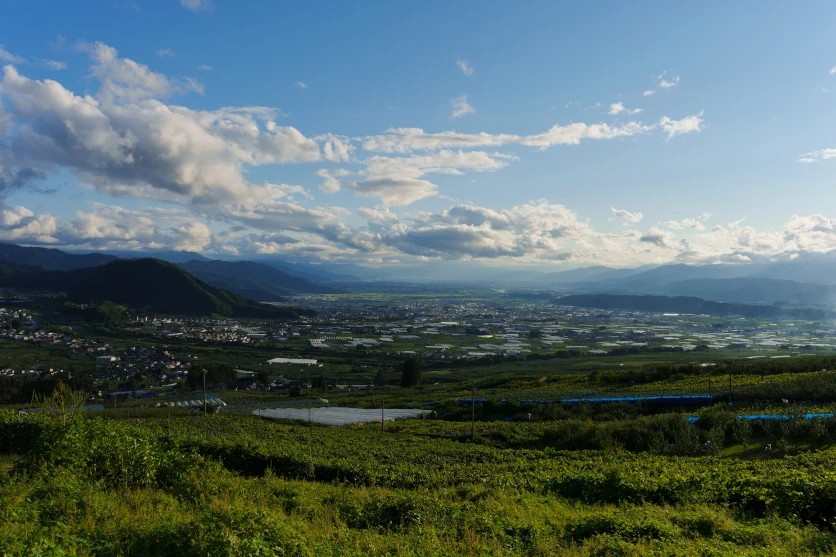
Landscape photography requires a deeper depth of field.
When shooting locations like the Garden Route or Table Mountain, use a smaller aperture and focus about one-third into the scene to maximise sharpness throughout the image.
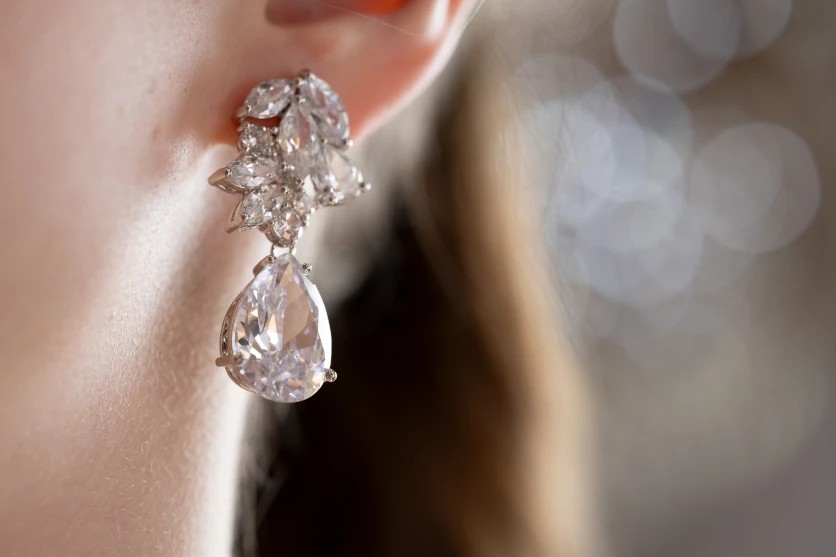
Macro photography involves extremely close-up shots, making focus very precise.
When photographing flowers or insects, even slight movement can affect sharpness. Manual focus is often the best option in these situations.
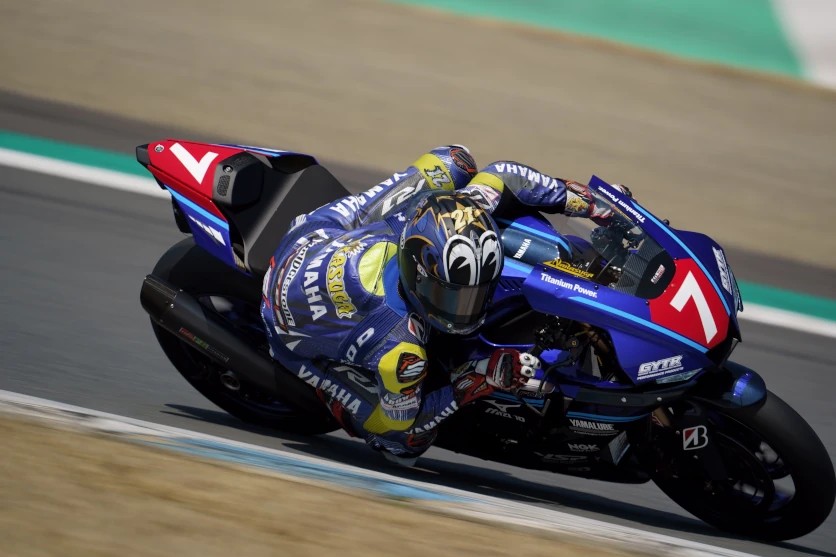
Fast-paced subjects demand responsive focus settings.
Whether you're shooting cricket, rugby, or soccer, use continuous autofocus and a fast shutter speed to keep your subject sharp. Tracking focus modes can also help maintain focus on moving players.
Achieving sharp photos consistently comes down to understanding and applying the right camera focus settings.
By selecting the appropriate focus mode, adjusting focus areas, and adapting to different shooting conditions, you can significantly improve your results. Whether you’re capturing wildlife, landscapes, or everyday moments, practising these techniques will help you take clearer, more professional-looking images across South Africa.