| September 18, 2026
 South Africa's #1 Mobile Protection Brand
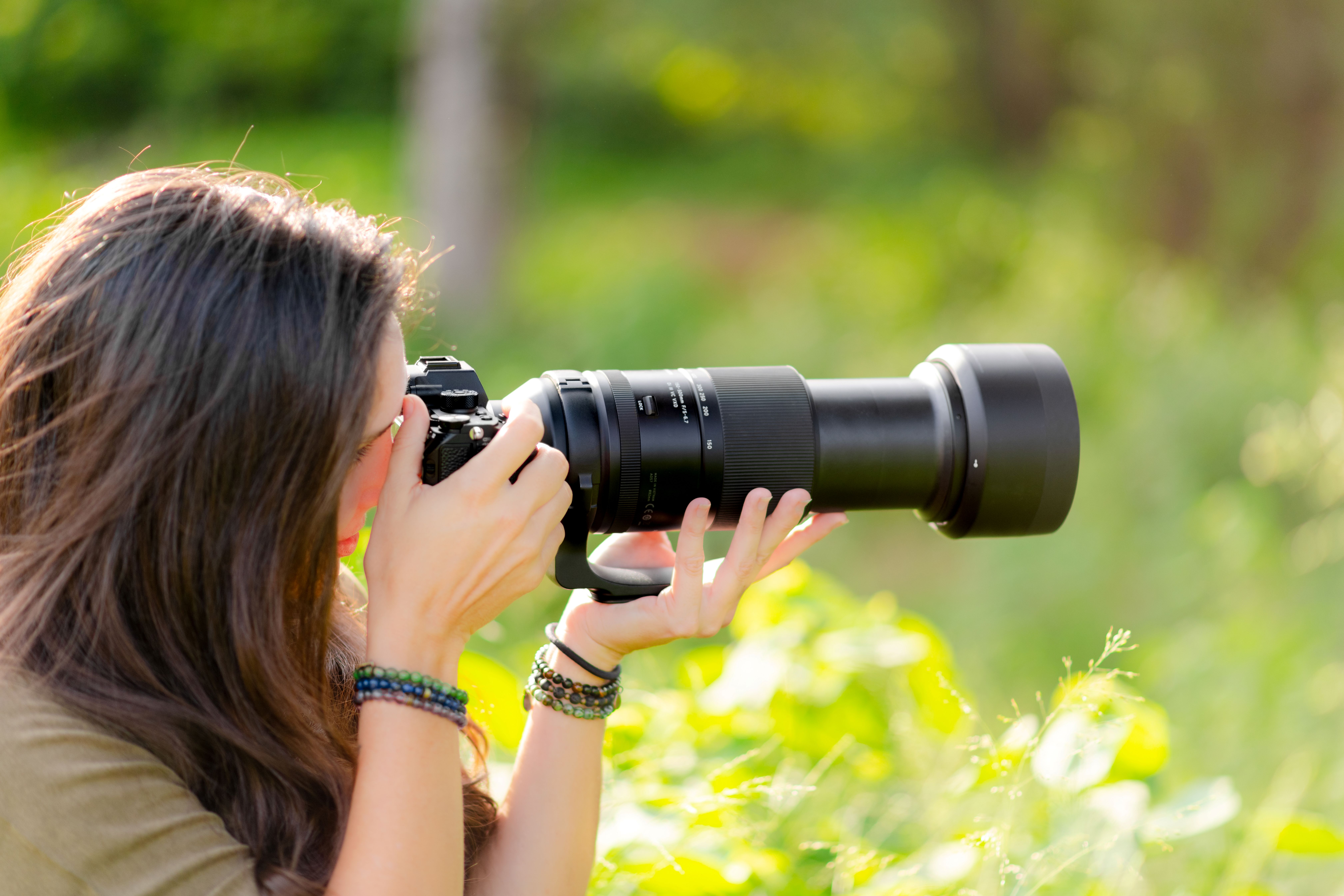
A telephoto lens brings distant subjects close and holds onto fine detail while doing it. That makes it the obvious tool for sport, birds, wildlife and aviation, and it is easy to assume from that list that a telephoto lens is specialist equipment for people who do this for a living.
It is not. A telephoto lens is just as much at home at a school athletics meeting, at a family portrait session in a back garden, or pointed at a ridgeline from a viewpoint an hour outside town. This guide covers what defines a telephoto lens, the three focal-length bands it divides into, the subjects it suits best, how to shoot with one cleanly, and what to weigh up when you are choosing one.
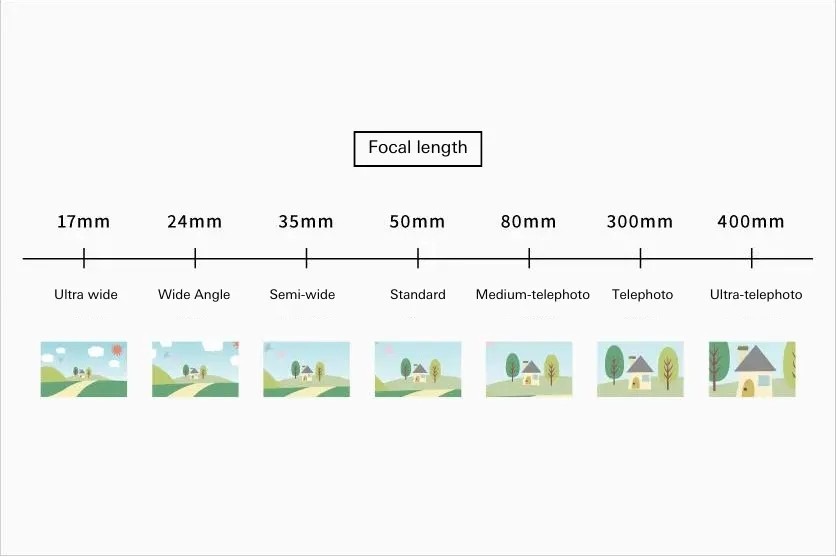
As a general rule, any lens with a focal length of roughly 80mm or more counts as a telephoto lens. Conventions vary between manufacturers and writers — some draw the line at 70mm, others at 85mm — but the working definition is the same: a narrow angle of view that enlarges whatever is far away.
Two things follow from that narrow angle. Less of the background fits inside the frame, and depth of field is shallower at any given aperture, which makes background blur easy to produce. The combined result is a photograph in which the subject dominates and everything else recedes.
Four characteristics do most of the work. Here is each one in turn.

TAMRON 50-400mm F4.5-6.3 (Model A067) Focal length: 400mm Exposure: F6.3 Shutter Speed: 1/800sec ISO: 100
The first and most obvious property of a telephoto lens is reach. Set against a standard lens photographing the same scene from the same spot, a telephoto lens takes in a much narrower slice and admits far less background information.
That narrowing is what lets you isolate a subject and make it the point of the picture. It also means you can record fine texture and detail on things you cannot physically approach: a nervous bird on a fence line, a klipspringer on a rock face across a valley, the stonework on a building you can only view from street level.
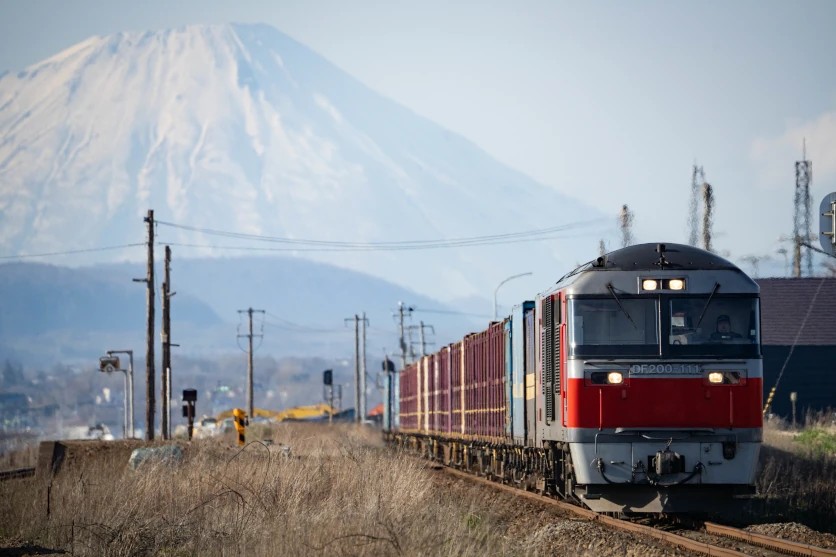
TAMRON 150-500mm F5-6.7 (Model A057) Focal length: 500mm Exposure: F8 Shutter Speed: 1/1600sec ISO: 400
The second characteristic is compression: the way a long focal length makes objects at different distances appear to sit closer together, flattening the sense of depth between them.
Photograph the apartment blocks along the Atlantic seaboard from far enough back with a long lens and the evenly spaced buildings stack into what looks like a solid wall. The same thing happens with the ridgelines of the Drakensberg, which separate into flat, overlapping bands of tone instead of receding naturally into the distance.
Compression is worth using deliberately. It can make a subject feel larger and more present against its surroundings, or it can raise the density of information inside the frame on purpose, for a busier and more graphic result.

TAMRON 70-180mm F2.8 G2 (Model A065) Focal length: 116mm Exposure: F2.8 Shutter Speed: 1/250sec ISO: 200
The third characteristic is how readily a telephoto lens produces background blur.
Depth of field — the zone that renders acceptably sharp — gets shallower as focal length increases. At 200mm and F2.8 that zone can be a matter of centimetres, and everything outside it dissolves. Point this at a person, an animal or a plant and the subject separates cleanly from whatever sits behind it.
Shorter lenses can blur backgrounds too, particularly at close range. What is distinctive about a telephoto lens is the combination: blur, plus compression, plus an angle of view narrow enough that you get to choose exactly which piece of background is being blurred in the first place.
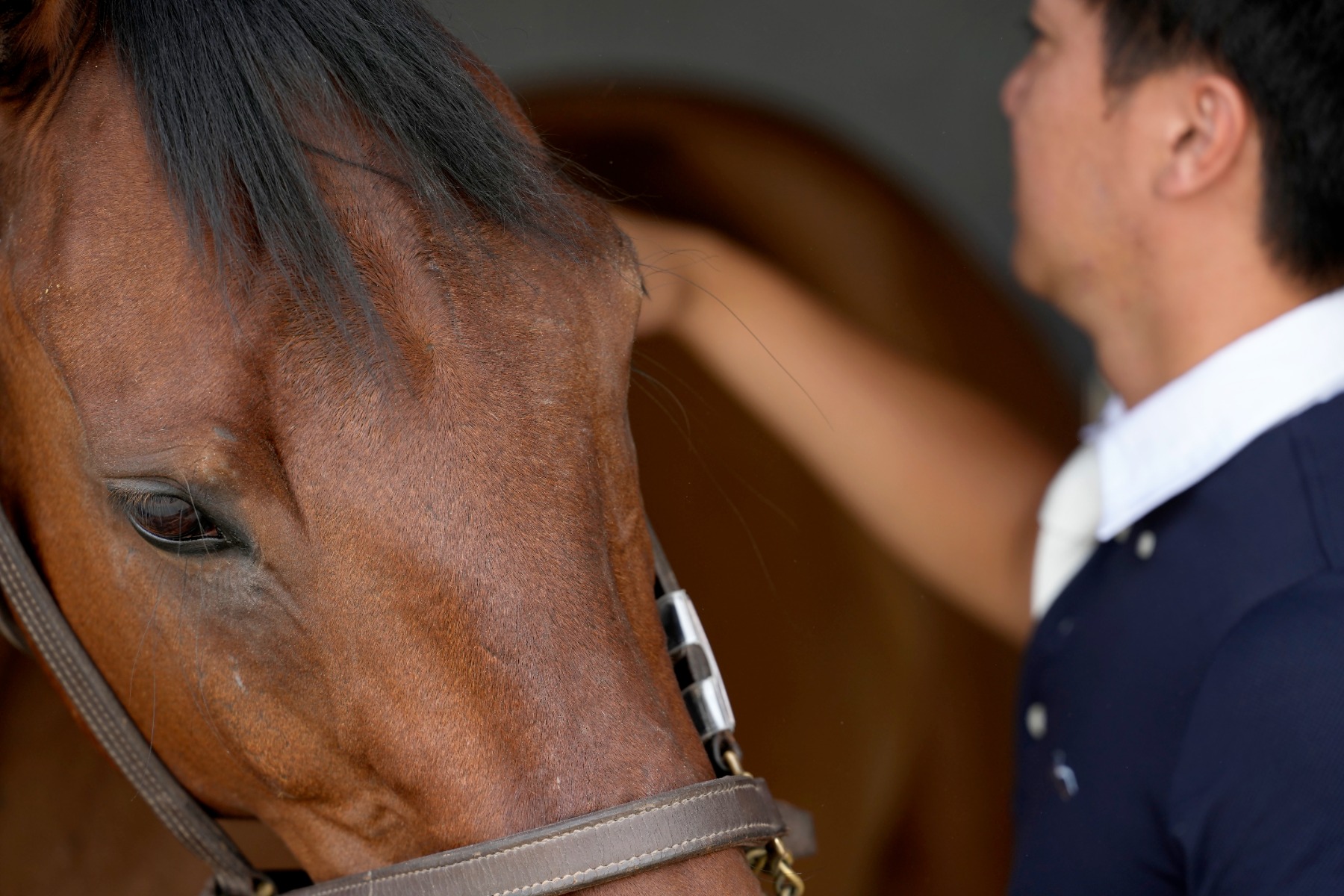
TAMRON 70-180mm F2.8 G2 (Model A065) Focal length: 180mm Exposure: F4 Shutter Speed: 1/640sec ISO: 400
The fourth characteristic follows from the third. A narrow angle of view is a cropping tool — it lets you photograph part of a scene rather than all of it.
In a cluttered setting where buildings, people and animals all compete for attention, a telephoto lens lets you lift out the one element you actually care about and leave the rest outside the frame. You can work right down to the level of an expression, a gesture or a surface texture, with the effect of observing the scene from outside it rather than standing in the middle of it.
Angle of view changes with focal length, and so does the character of the resulting photograph. Telephoto lenses fall into three broad bands:
• Medium telephoto — approximately 80-100mm
• Telephoto — approximately 100-300mm
• Ultra-telephoto — approximately 300mm and longer
These boundaries are conventions rather than hard rules, and you will see them drawn slightly differently elsewhere. Each band has its own feel and its own natural subjects.
One point matters before you go any further: every figure above assumes a full-frame camera. On an APS-C body, multiply by 1.5 for the equivalent angle of view. A 70-300mm behaves like a 105-450mm, and a 150-500mm reaches the equivalent of 750mm. If you shoot APS-C, you arrive at ultra-telephoto reach considerably more cheaply than a full-frame photographer does.
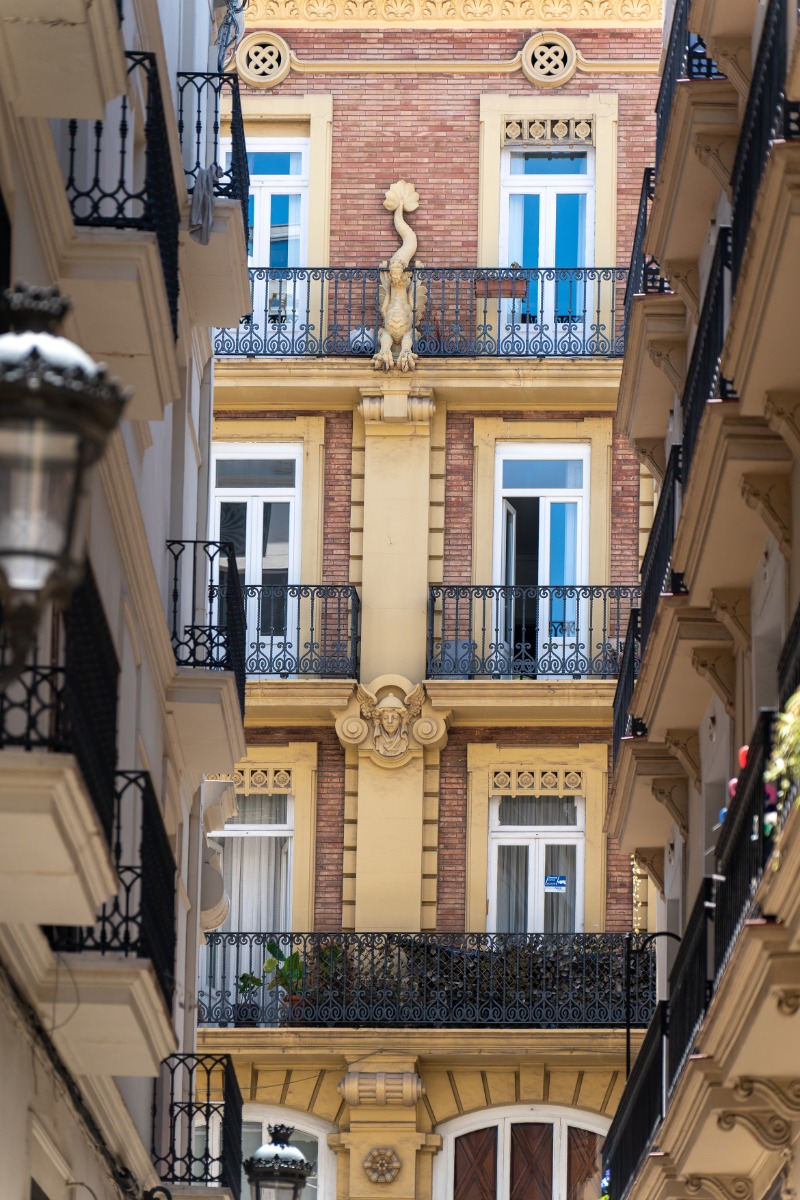
TAMRON 35-150mm F2-2.8 (Model A058) Focal length: 99mm Exposure: F2.8 Shutter Speed: 1/800sec ISO: 100
A medium telephoto sits between a standard lens and a true telephoto. It keeps telephoto behaviour — compression, easy background blur — while retaining enough of the natural perspective of a standard lens that scenes still look roughly the way you saw them.
That balance makes it the most comfortable band for portraits and for close-in event work, where you want separation from the background without standing so far back that you lose contact with your subject.

TAMRON 70-300mm F4.5-6.3 (Model A047) Focal length: 300mm Exposure: F6.3 Shutter Speed: 1/320sec ISO: 1000
This is what most people mean when they say telephoto lens. It is the band where the characteristic angle of view and the compression effect become unmistakable.
It covers the bulk of everyday long-lens work: a cricket match from the boundary, a schools athletics meeting from the stands, animals at moderate distance, a performer on a stage. For a great many photographers, a zoom that reaches 300mm is as long as they will ever need to go.
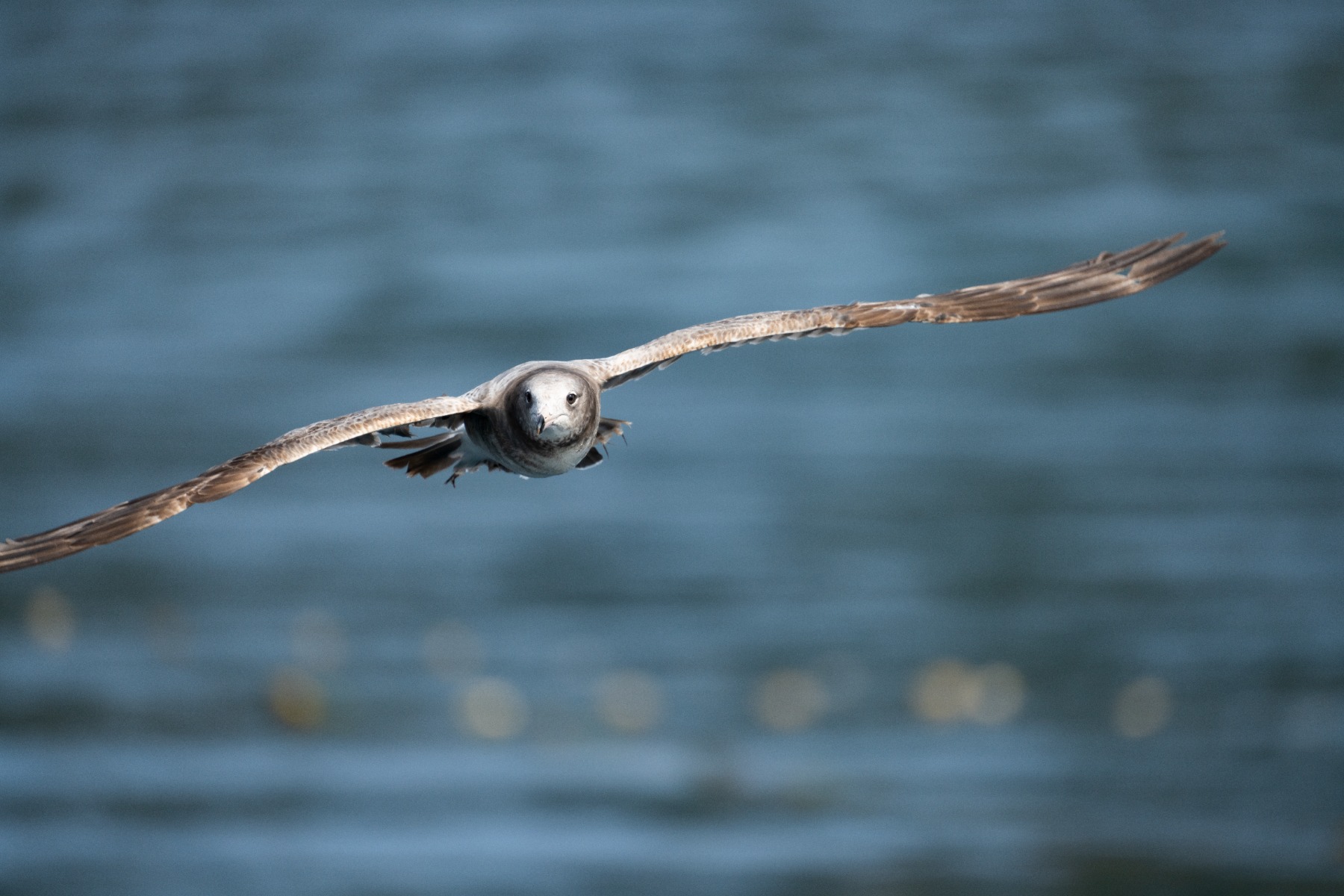
TAMRON 150-500mm F5-6.7 (Model A057) Focal length: 500mm Exposure: F6.7 Shutter Speed: 1/2000sec ISO: 500
An ultra-telephoto lens closes the gap on genuinely distant subjects and enlarges small ones. It is what you reach for when the subject will not let you approach, or is small enough that 300mm still leaves it as a speck in the frame.
Typical work includes aircraft on approach, birds from a wetland hide, wildlife at a distance, and architectural detail on tall buildings that is invisible from the pavement. Compression at these focal lengths is extreme, which opens up options in portraiture and landscape as well — a subject photographed at 500mm against a distant mountain will appear to be standing directly in front of it.
A telephoto lens is not only about reach. Compression and background blur mean it produces a different photograph from a wide-angle or standard lens even when the subject is identical. These are the situations where that difference matters most.

TAMRON 70-300mm F4.5-6.3 (Model A047) Focal length: 300mm Exposure: F6.3 Shutter Speed: 1/320sec ISO: 1000
Sport is the most familiar use for a telephoto lens. From a seat in the stands you can fill the frame with a player on the field — a fly-half lining up a kick, a batsman at the crease, a swimmer mid-stroke — with no access beyond a general admission ticket.
School athletics meetings and swimming galas are where it earns its keep for most parents. The distances at a school sports ground are short by professional standards but still far too long for a standard lens, and the gap between a merely recognisable child and a clearly readable expression is usually a couple of hundred millimetres of focal length.

TAMRON 35-150mm F2-2.8 (Model A058) Focal length: 85mm Exposure: F2.8 Shutter Speed: 1/200sec ISO: 80
A telephoto lens is a natural portrait tool. Working somewhere between 85mm and 150mm gives you flattering perspective, a comfortable working distance and background blur without any effort.
Compression adds a second option. Shooting a portrait from further back with a longer focal length pulls the background forward and enlarges it behind your subject — a vineyard slope, a line of Drakensberg foothills, a city skyline — which gives a strong sense of place without the background ever competing for attention.
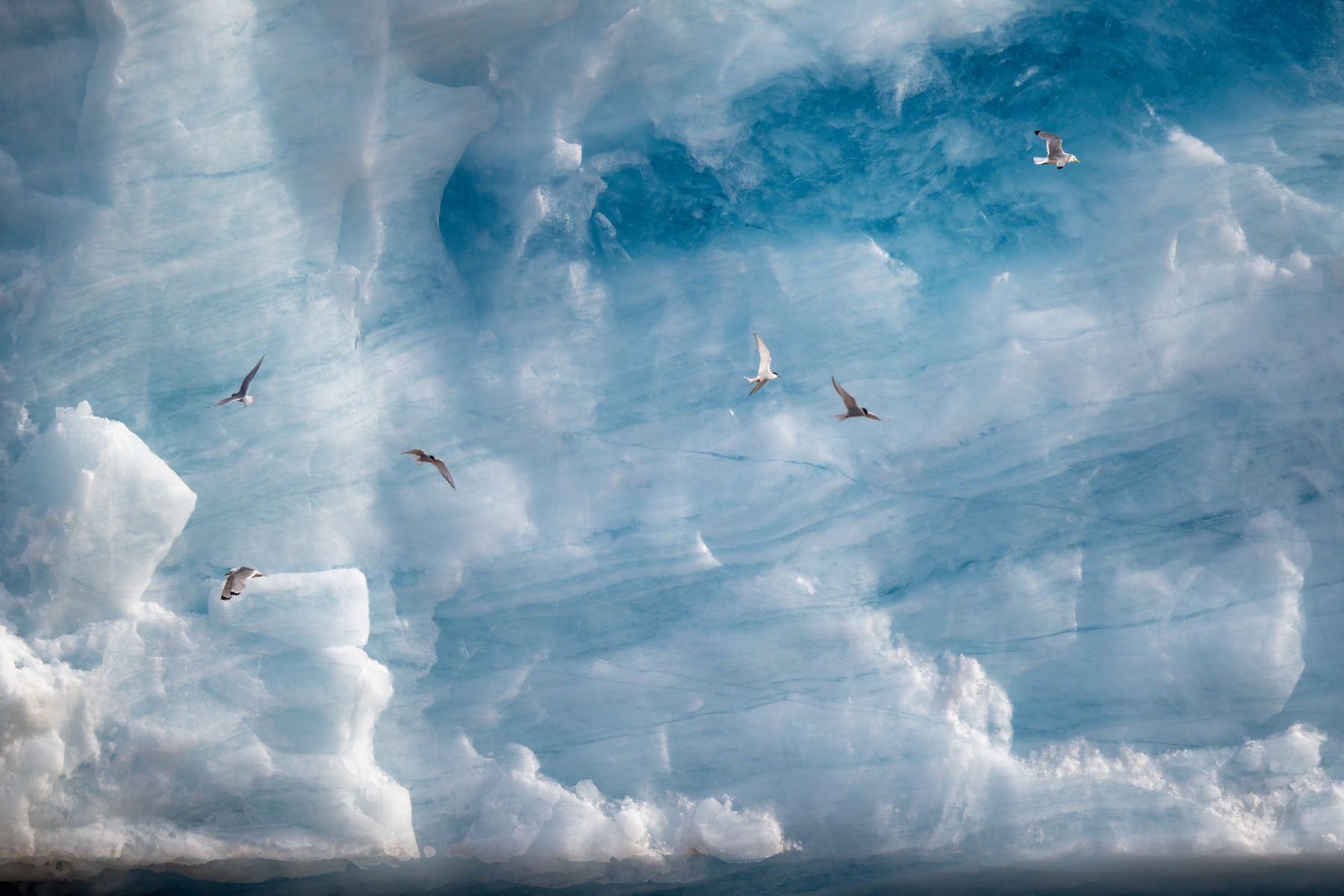
TAMRON 150-500mm F5-6.7 (Model A057) Focal length: 500mm Exposure: F6.7 Shutter Speed: 1/4000sec ISO: 640
Landscape work does not have to mean wide-angle. A telephoto lens lets you isolate a single element — one tree on a ridge, one building in a skyline, one band of light moving across a hillside — rather than trying to force an entire view into one frame.
Density is the other use. Where buildings, people or vegetation are packed together, compression tightens them further. A long lens pointed at the Johannesburg skyline from a koppie to the south, or at winter aloes on a Highveld slope, produces something far more graphic than the same scene shot wide.
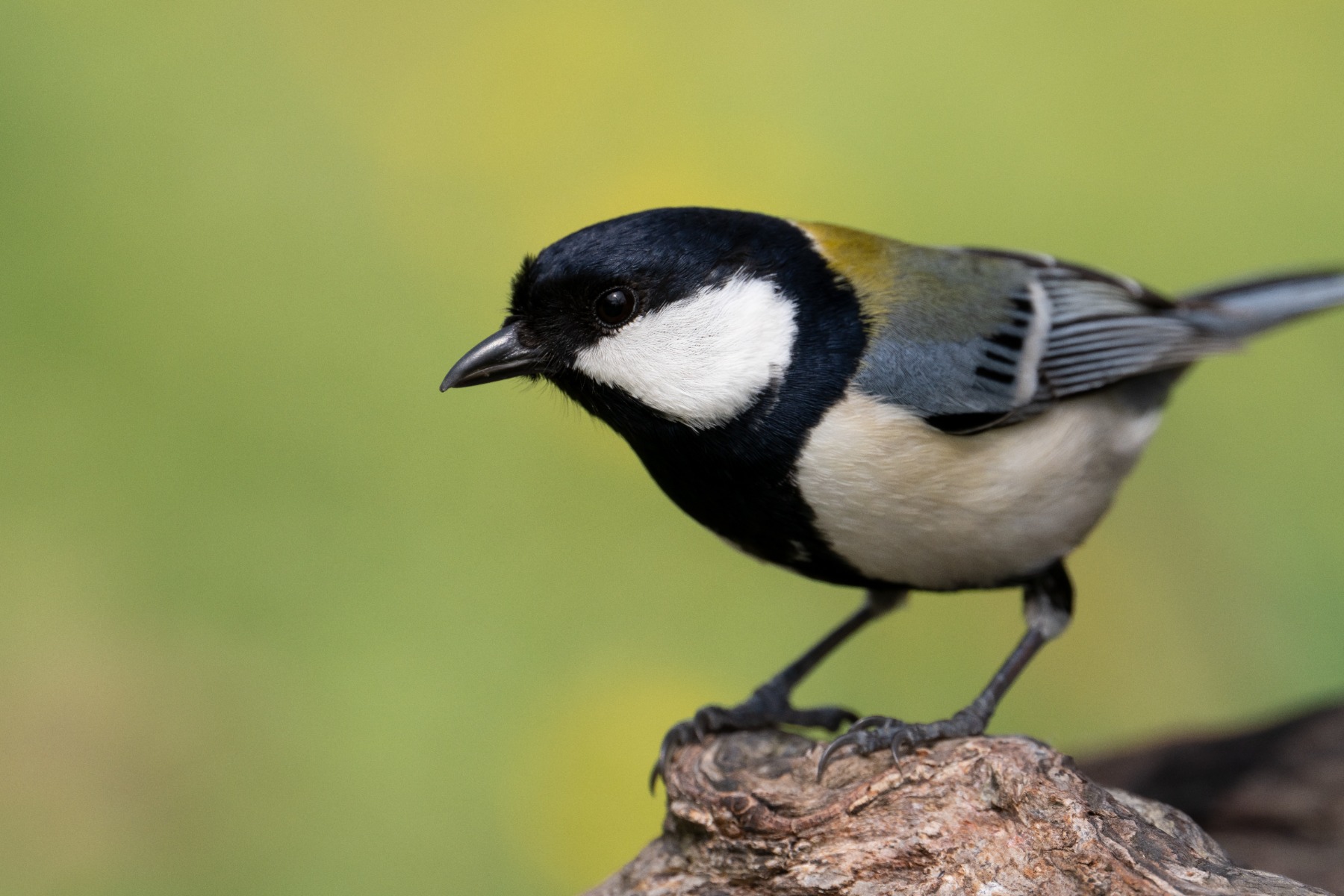
TAMRON 150-500mm F5-6.7 (Model A057) Focal length: 500mm Exposure: F11 Shutter Speed: 1/500sec ISO: 640
Anything that will not let you get close is telephoto territory. Birds in particular are small, alert and quick to move off, and no amount of patience is a substitute for focal length.
There is a great deal of this available without travelling far. Sunbirds working aloes and proteas, weavers building over water, hadedas on a suburban lawn, and coastal and wetland species from a public hide on the KwaZulu-Natal coast are all within reach of an ordinary weekend. An ultra-telephoto lens with a short minimum object distance is the ideal combination here, since you can work at genuine distance and still close in when something comes near.
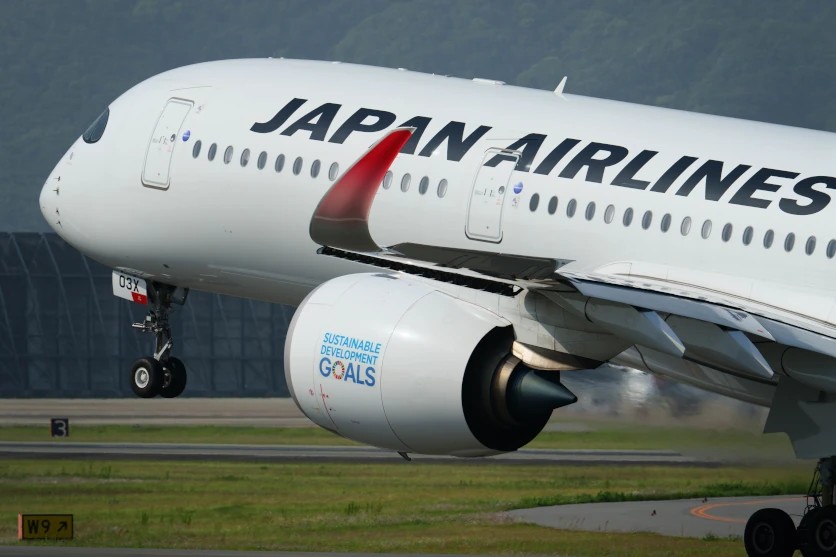
TAMRON 150-500mm F5-6.7 (Model A057) Focal length: 500mm Exposure: F6.7 Shutter Speed: 1/1600sec ISO: 200
Vehicles are usually photographed from a distance because you are rarely permitted anywhere near them. A telephoto lens closes that gap.
Aircraft on approach into a major airport, a Gautrain set crossing a viaduct, heritage steam working up a Western Cape pass, a field of cars braking into a corner at a Gauteng circuit: all of these are photographed from wherever the public is allowed to stand, which is usually a long way off.
Do not stop at isolating the vehicle, though. Framing that includes the background is often the stronger picture, because compression can stack a mountainside or a row of buildings behind a moving subject and produce something far more dynamic than a clean profile shot against empty sky. How tightly you crop is itself the creative decision.
Telephoto lenses are physically larger and heavier than shorter lenses, and that has consequences for how you have to shoot. The main issue is camera shake, which a long focal length magnifies along with everything else in the frame.
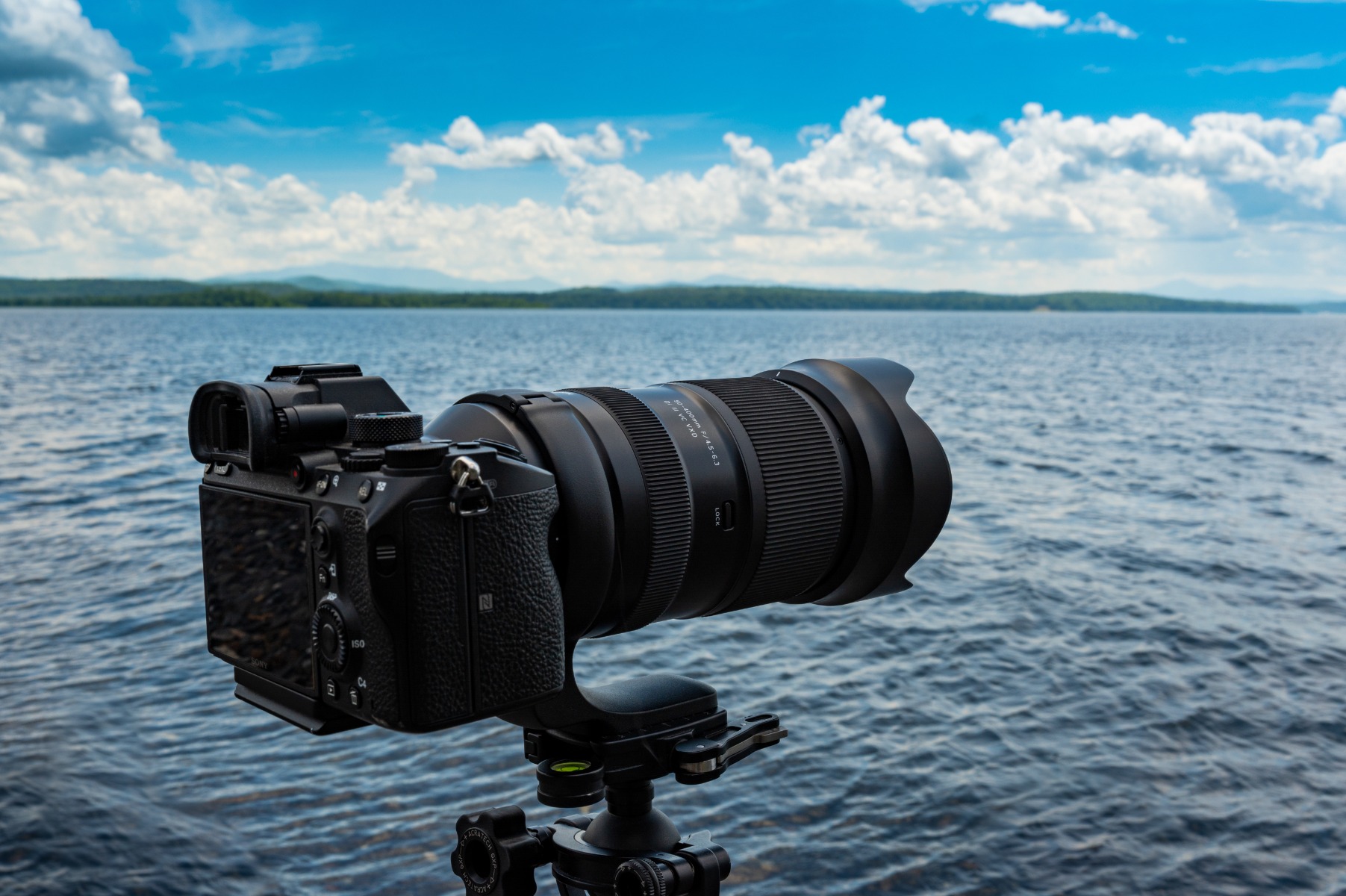
A tripod is the most reliable answer to camera shake with a long lens. It carries the weight, holds the framing steady and lets you work at shutter speeds that would be unusable handheld.
It is not always an option. Plenty of venues restrict tripods, and carrying one through a long day is its own problem. A monopod is a reasonable compromise for sport, where you need to track a moving subject but still want the weight taken off your arms. Where neither is practical, image stabilisation is what you fall back on.
Shutter speed is the single most important setting when shooting handheld with a telephoto lens. Slow shutter speeds let camera shake through, and the longer the lens the more obvious the result becomes.
The standard rule of thumb is to keep the shutter speed at or above 1 divided by the focal length — so at least 1/300sec at 300mm. On an APS-C body, work from the equivalent focal length rather than the marked one, which makes that 1/450sec. If the exposure comes out too dark, raise the ISO or apply exposure compensation before you let the shutter speed drop.
Image stabilisation counteracts small movements and buys back several stops of shutter speed. Many camera bodies stabilise in-body; some lenses, including those carrying TAMRON's VC (Vibration Compensation) mechanism, stabilise optically inside the lens itself.
Where both are available they generally work together. Stabilisation will not freeze a moving subject — only shutter speed does that — but it makes handheld telephoto work at moderate speeds far more consistent than it would otherwise be.
There are a lot of telephoto lenses on the market and the specification sheets look similar at a glance. The way through is to work out what you actually photograph and in what conditions, then weigh the factors below against that answer rather than against the specification alone.
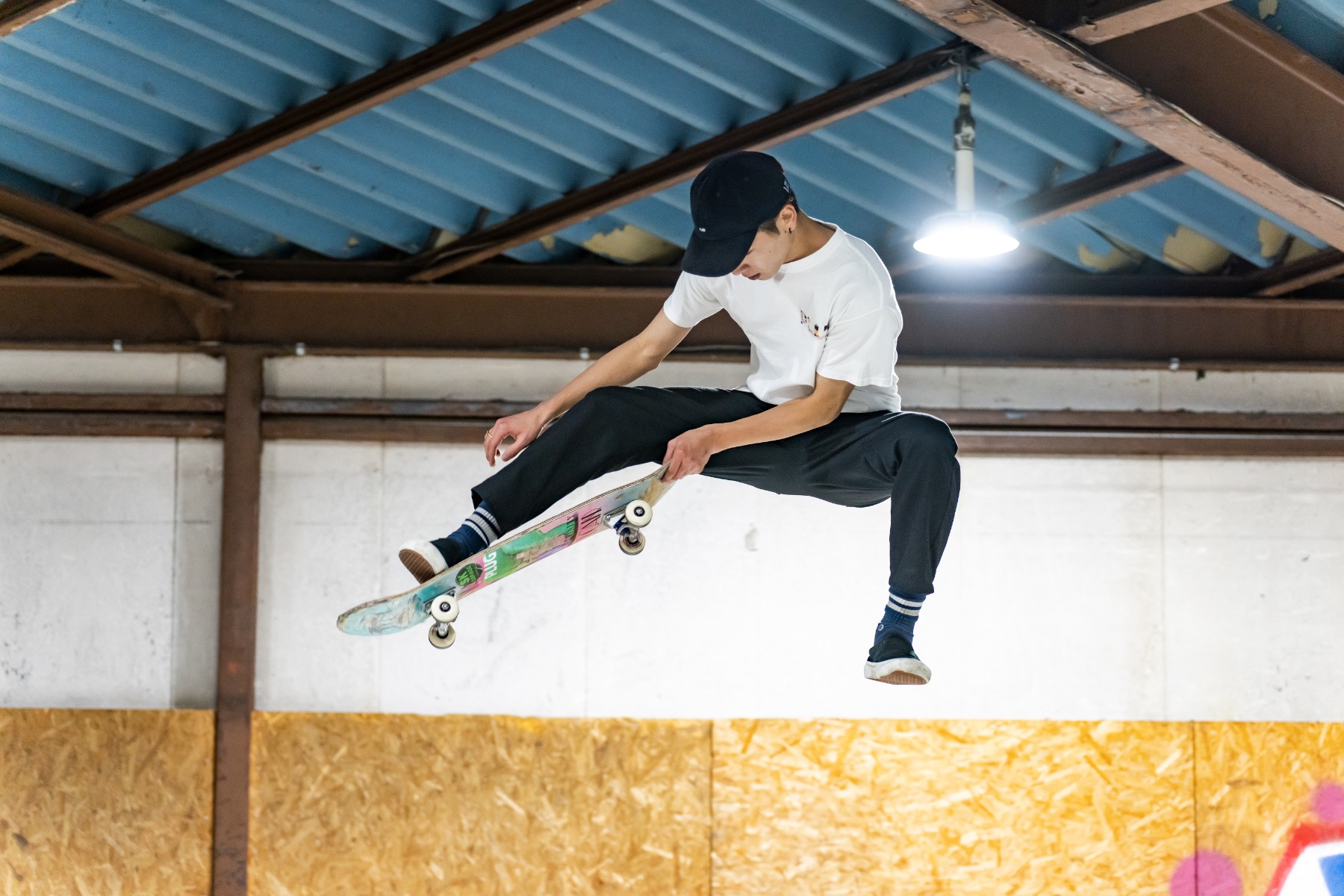
TAMRON 35-150mm F2-2.8 (Model A058) Focal length: 90mm Exposure: F2.8 Shutter Speed: 1/400sec ISO: 1600
The F-number describes how much light the lens lets through. Stopping the aperture down raises the F-number; opening it up lowers the F-number. A low F-number means more light and more background blur; a high F-number means less of both. The lowest F-number a lens can reach is its maximum aperture, and it is the figure quoted in the lens name.
A large maximum aperture helps in two ways. It allows a faster shutter speed in poor light — indoor sport, evening events, first light at a hide — and it gives you more control over how much the background dissolves. A constant F2.8 zoom is heavier and more expensive than a variable-aperture one, so the honest question is whether you regularly shoot in the conditions that need it.
The three bands above are the starting point. For general use, a lens covering medium telephoto through to around 300mm handles most of what people actually photograph.
Certain subjects push past that. Birds, distant wildlife, aviation and rail work all benefit from 400mm or more. Before committing to the weight and cost of a dedicated ultra-telephoto, check what your sensor format already gives you: an APS-C body turns a 70-300mm into a 105-450mm equivalent, which covers a surprising amount of that ground.
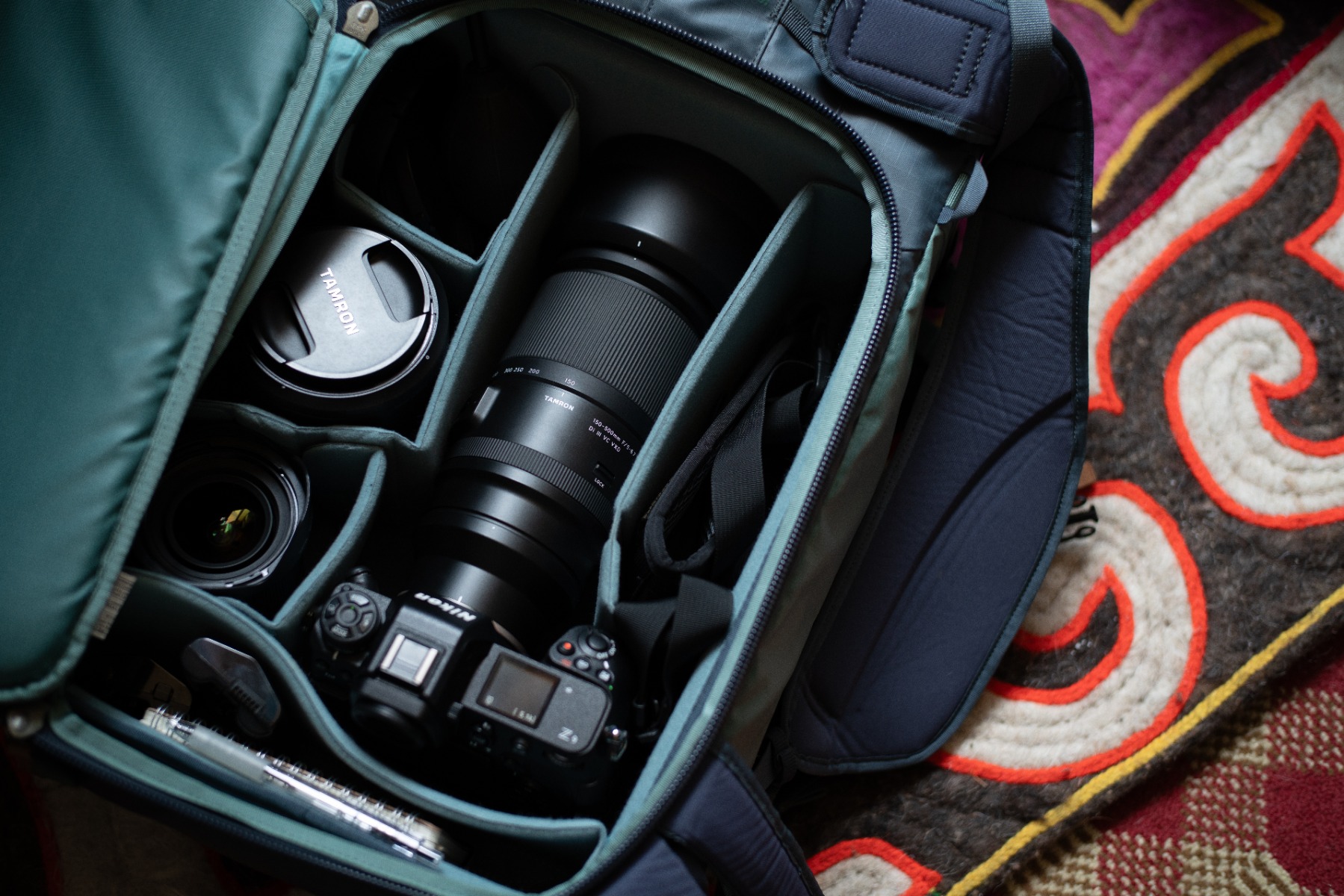
Portability matters more than most people expect. A lens light enough to carry all day is a lens you will actually have with you, and a lighter lens is easier to hold steady, which directly reduces camera shake.
This is also where you win back some of what you lose by leaving the tripod at home. A compact telephoto zoom handheld will usually beat a heavier one that stayed in the cupboard.
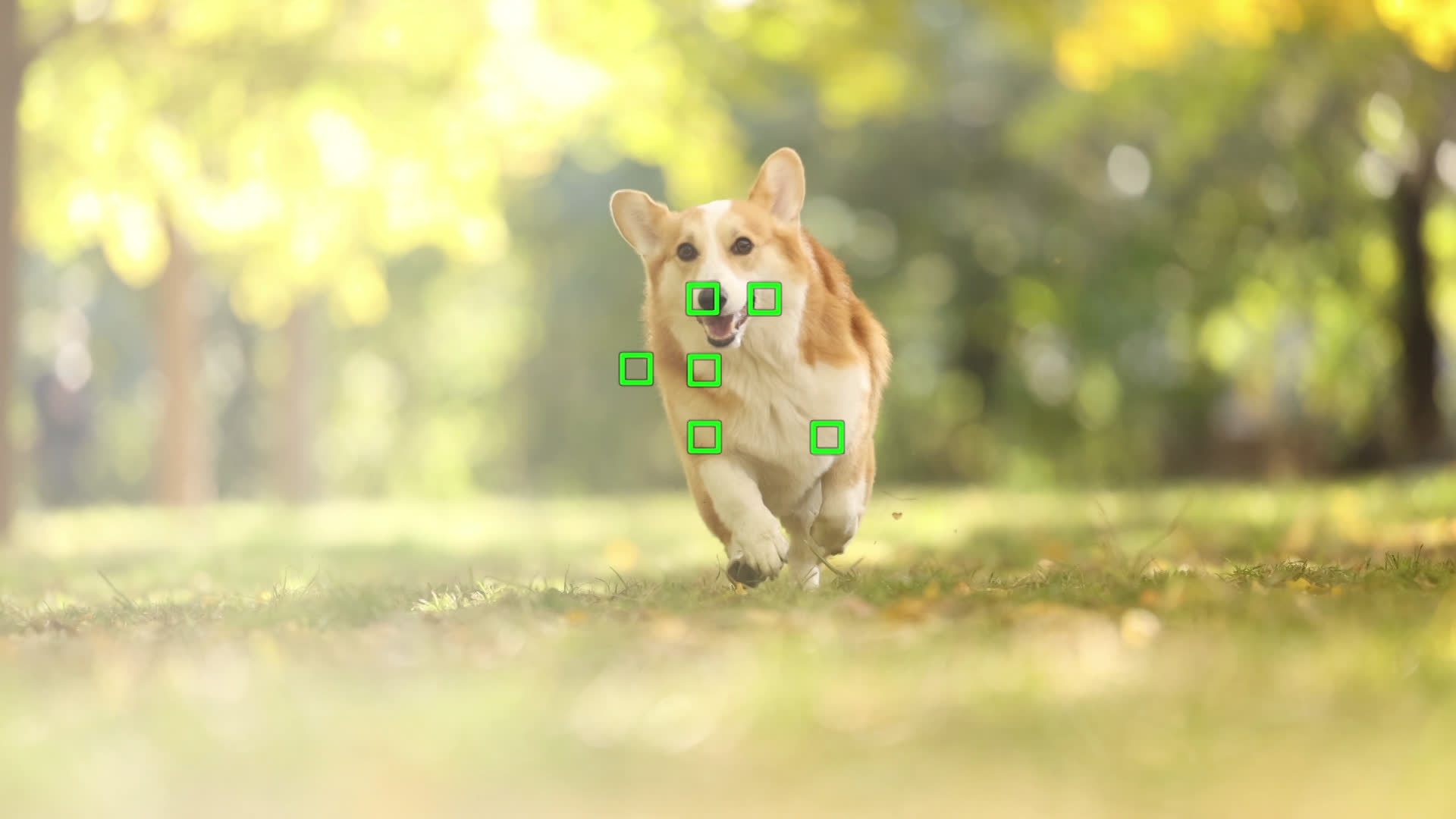
Check how the autofocus performs, not simply that it exists. Speed and accuracy on moving subjects is what separates a usable sport or wildlife lens from a frustrating one.
Noise matters too. Wildlife, indoor events and video work are all situations where an audible focus motor becomes a problem, so look for a quiet drive system. And given how much camera shake affects long focal lengths, built-in optical stabilisation is worth prioritising, particularly if your camera body does not stabilise on its own.

TAMRON 70-180mm F2.8 G2 (Model A065) Focal length: 70mm Exposure: F4.5 Shutter Speed: 1/8sec ISO: 100
Minimum object distance is the closest the lens can focus. It sets the limit on how near you can get to a subject and still take the picture.
A short minimum object distance widens what a telephoto lens can do. It lets you fill the frame with something small at close range and produce very strong background blur while doing it, effectively giving you a near-macro option on a lens you bought for reach.
A telephoto lens does three things no other lens does as well: it enlarges distant subjects, it compresses the space between them, and it separates a subject from its background with very little effort. Sport, birds, vehicles, portraits and landscapes all benefit, often in ways that are not obvious until you try them.
Work out which of those three properties you are actually after in a given photograph, then use the lens for that rather than simply for reach. That is where the more interesting pictures come from.