What is a subject in photography? The difference between a subject and a model, and how to make any subject shine
Pick up a camera and the possibilities are endless: a braai spread at sunset, waves breaking along the coast, the family dog dozing on the stoep. In photography, everything you point your lens at is called a subject. This guide explains what a subject in photography is, clears up some commonly confused terms and shares practical ways to bring out the best in whatever you photograph, including how to match your lens to the subject.
What is a subject in photography?
What is a subject?
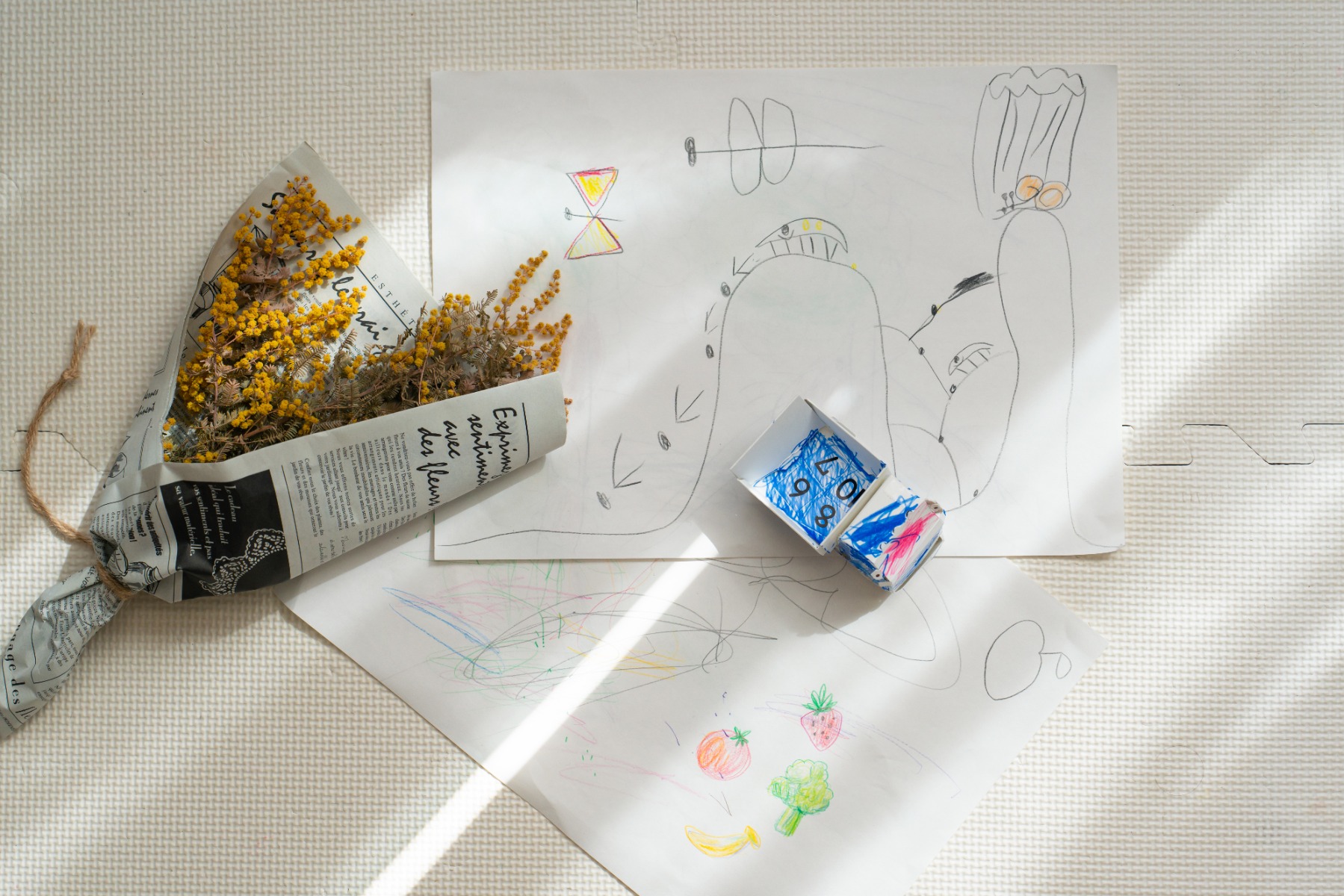
TAMRON 28-75mm F2.8 G2 (Model A063) Focal length: 62mm Exposure: F5.6 Shutter Speed: 1/125sec ISO: 200
A subject is anything you photograph. It might be a city skyline, a mountain view, a person, an animal, a plant, a plate of food or a building. Whatever the lens is pointed at becomes the subject of the image.
Choosing a subject, and deciding how to frame it, is one of the main ways a photographer expresses ideas and feelings. Take a strelitzia in a Durban garden: you could fill the frame with its sharp orange and blue petals to emphasise their shape and texture, or step back to show the flower within the lush greenery around it. The same subject can produce completely different photographs depending on how you approach it. This example was shot at 62mm (around 93mm equivalent on APS-C).
Terms often confused with a subject in photography
Photography has plenty of terms that sound alike or overlap, which can be confusing when you are starting out. Two are worth clarifying early.
The difference between subject and model
The difference between subject and model
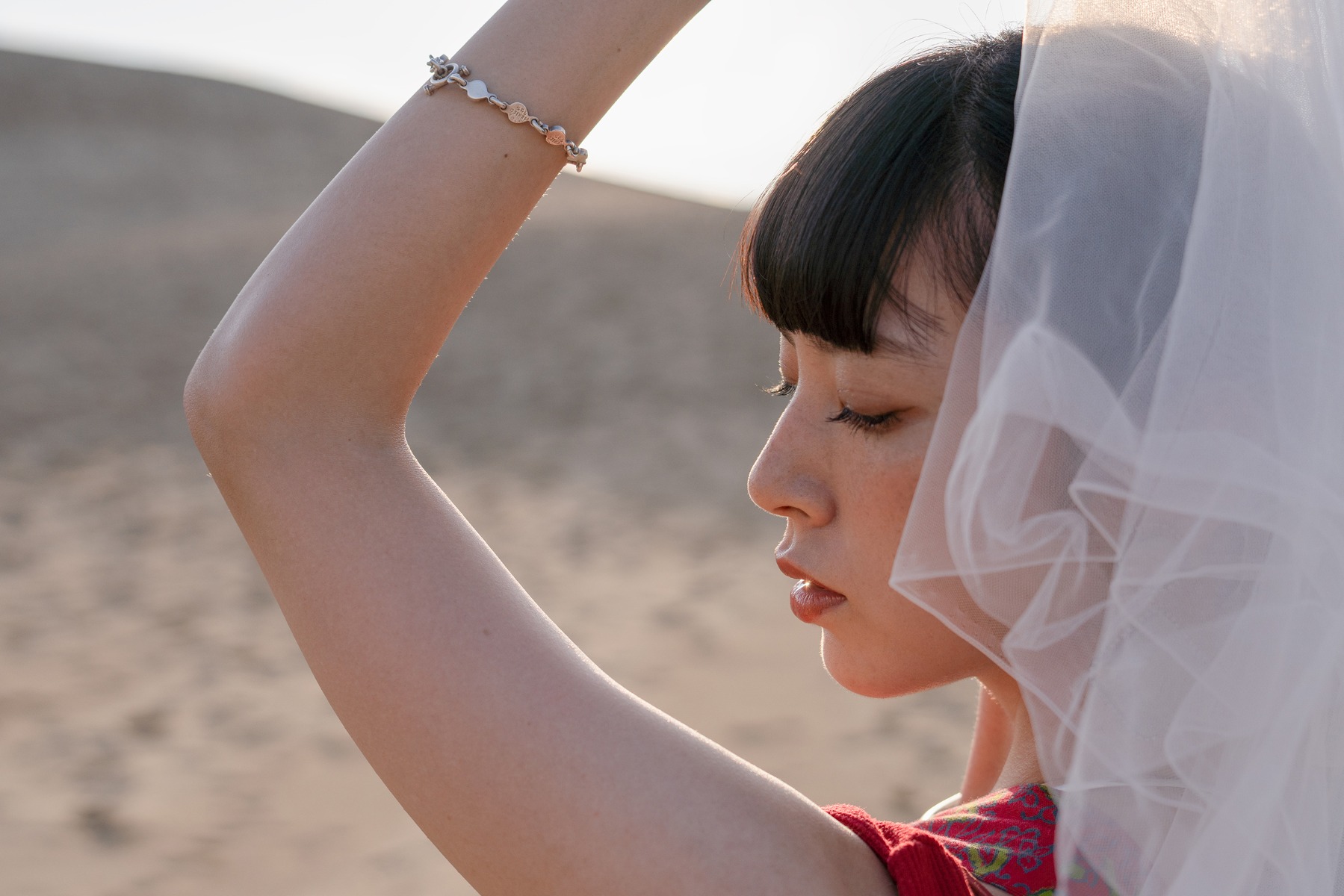
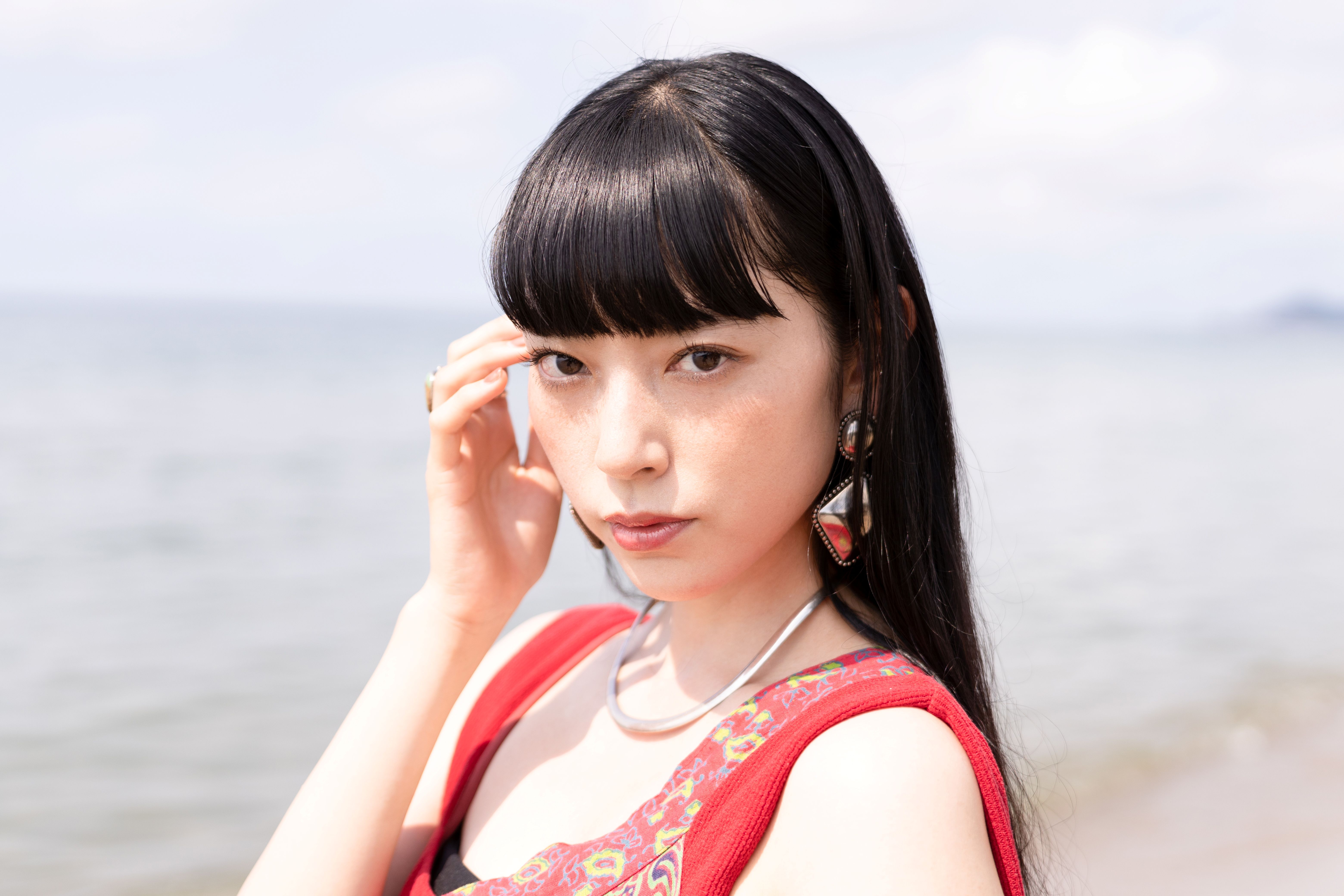
TAMRON 35-150mm F2-2.8 (Model A058) Focal length: 35mm Exposure: F2.8 Shutter Speed: 1/3200sec ISO: 100
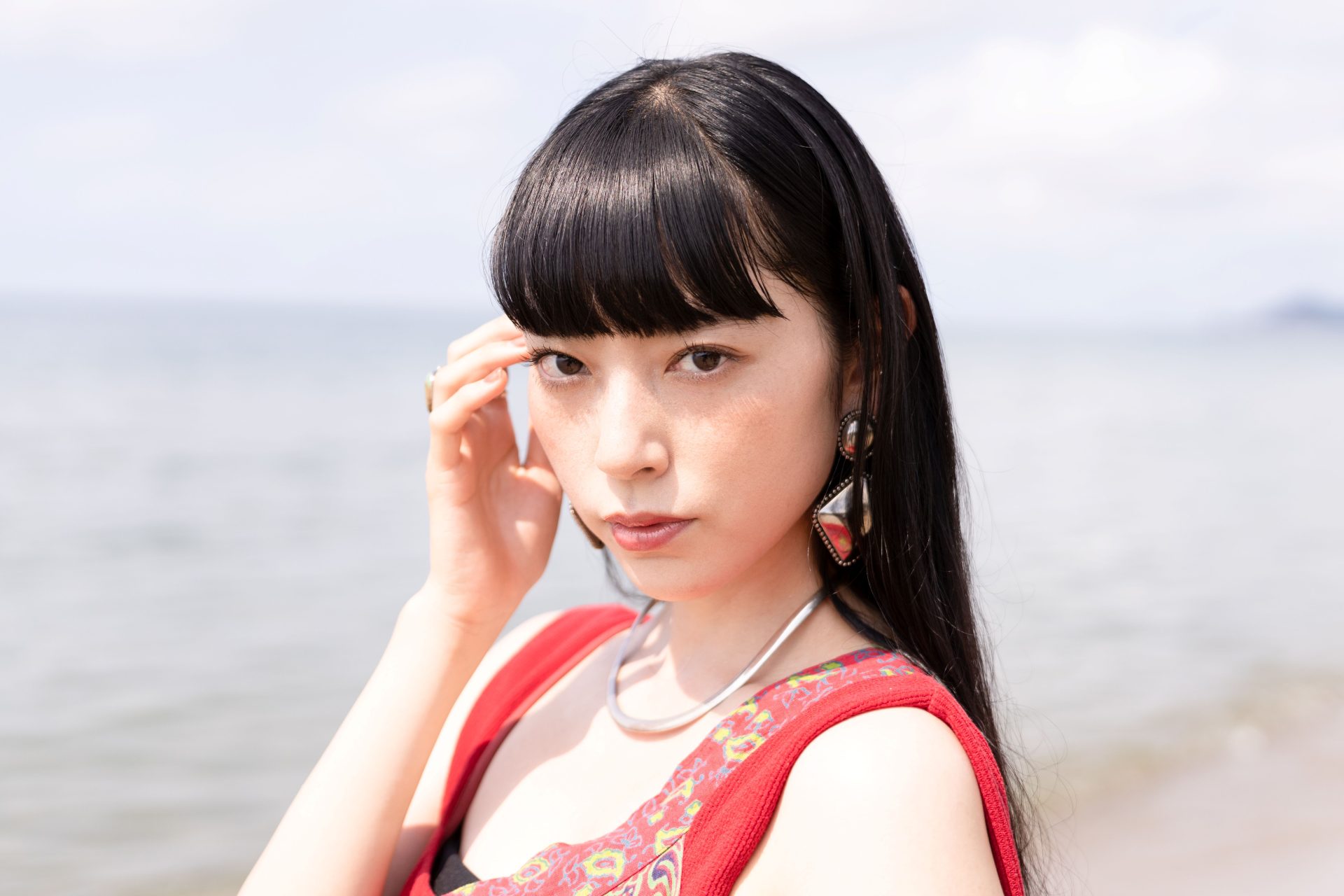
The difference between subject and model comes down to scope. A model is a person photographed deliberately, usually in portrait or fashion work, who poses and expresses themselves in collaboration with the photographer to create an image that reflects a shared idea. A subject is the much broader term, covering anything that is photographed, whether a person, a landscape or an object. Every model is a subject, but not every subject is a model; a model is simply one type of human subject. At a portrait session on a Cape Town beachfront promenade, for example, photographer and model work together to shape the result, and this subject-model collaboration is what separates a planned portrait from a candid photograph of a passer-by. This frame was taken at 35mm (around 52mm equivalent on APS-C).
Subject distance and depth of field
Depth of field often comes up alongside the subject, and the two are closely connected. Depth of field describes the zone in front of and behind the point of focus that appears acceptably sharp. It depends on three factors: aperture, focal length and the distance between the camera and the subject. Opening the aperture to a smaller F-number, using a longer focal length or moving closer to the subject all make depth of field shallower and the background blurrier. Stepping back or stopping the aperture down has the opposite effect, bringing more of the scene into focus. For a portrait, placing your subject well away from the background is one of the simplest ways to increase blur without changing lenses.
Making the most of any subject in photography
With the meaning of a subject in photography clear, the next step is bringing out its appeal. Start by deciding which element is your main subject, then observe it carefully and build the composition around it.
Find a composition that flatters the subject
Find a composition that flatters the subject

TAMRON 28-75mm F2.8 G2 (Model A063) Focal length: 40mm Exposure: F4 Shutter Speed: 1/200sec ISO: 400
Composition has a huge influence on how a subject comes across. The rule of thirds is one of the most widely used approaches and is easy to put into practice. Imagine the frame divided into thirds horizontally and vertically, then place the most important part of the subject on one of the lines or where they cross. The result feels balanced and stable. This example was captured at 40mm (around 60mm equivalent on APS-C).
Negative space matters too. Leaving open space around the subject gives it room to breathe and creates a sense of depth. A lone surfer on the KwaZulu-Natal south coast, placed on a third with open sea around them, shows how empty space can make a small subject feel significant. Our guide to composition basics covers many more techniques.
Change your angle and position
Change your angle and position
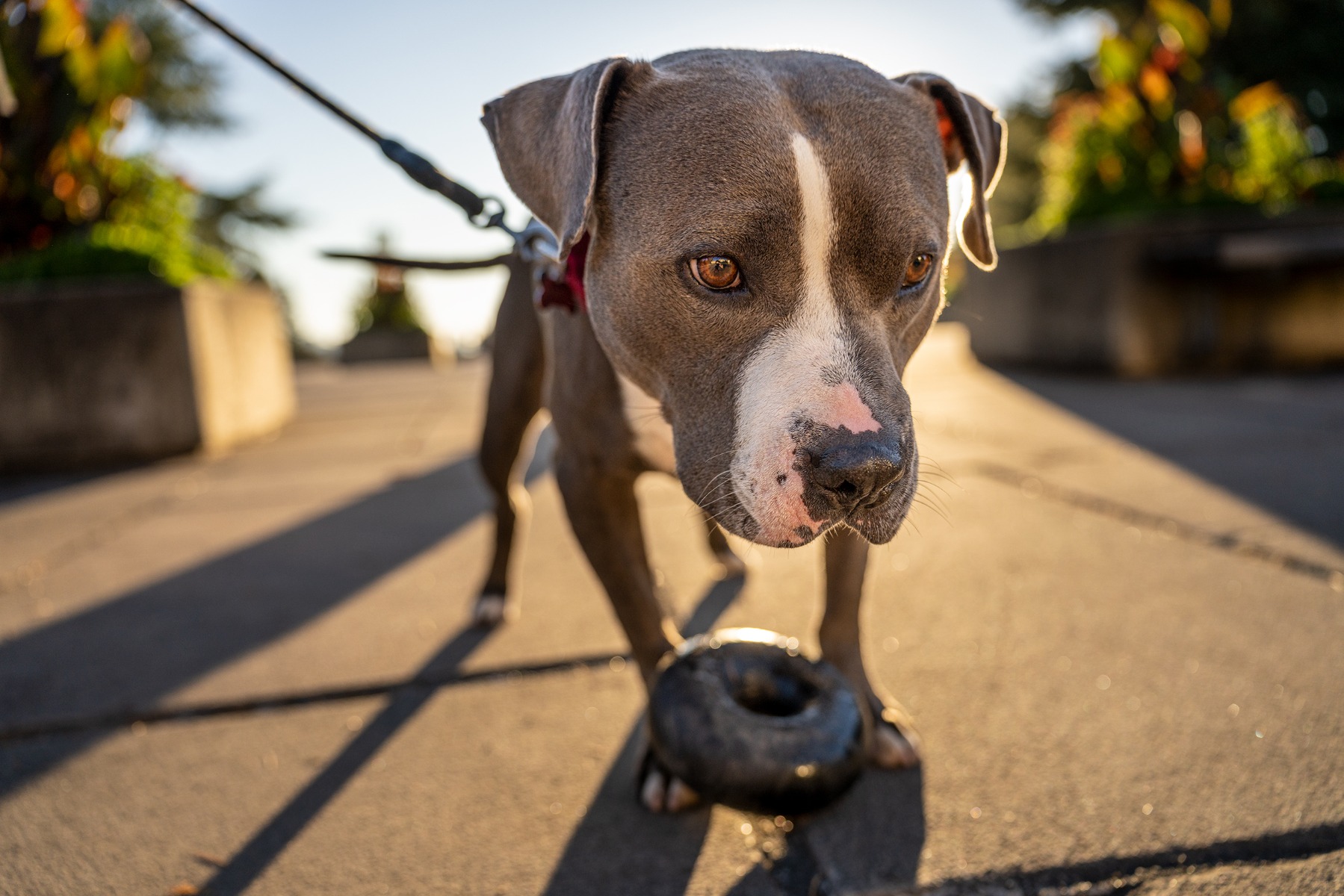
TAMRON 28-75mm F2.8 G2 (Model A063) Focal length: 28mm Exposure: F2.8 Shutter Speed: 1/2000sec ISO: 320
Angle, meaning the tilt of the camera, and position, meaning its height, can transform the same subject. A low position combined with an upward angle makes a subject look large and powerful, which works well for buildings and adds energy to children or pets at play. A low position at eye level, meanwhile, gives a natural, intimate view of children and dogs running across a Gauteng park; when photographing other people’s children, ask a parent or guardian first. A high position with a downward angle shows how everything in a scene relates, which suits landscapes and street snaps.
Move around the subject too, shooting from the side or from behind as well as from the front. Changing your distance alters the feeling of the image, from intimacy up close to tension or isolation further back, and it also changes the direction of the light. This frame was taken at 28mm (around 42mm equivalent on APS-C). Our guide to camera angles explores these options in more depth.
Work with the direction and quality of light
Work with the direction and quality of light

TAMRON 17-28mm F2.8 (Model A046) Focal length: 17mm Exposure: F3.2 Shutter Speed: 1/500sec ISO: 100
With natural light, the strength and mood of the light change throughout the day. The soft, low light of golden hour, just after sunrise and before sunset, wraps gently around a subject and creates a warm atmosphere. On the Highveld in winter, the sun sets at around 17:30 SAST, so late-afternoon sessions need to start early. This example was shot at 17mm (around 25.5mm equivalent on APS-C).
Direction matters as much as quality. Front light records colour and detail faithfully, while backlight outlines the subject and adds drama. With artificial light, adjusting the strength and angle of your light source lets you control shadows and colour for more creative results.
Use bokeh and choose your focus point
Use bokeh and choose your focus point
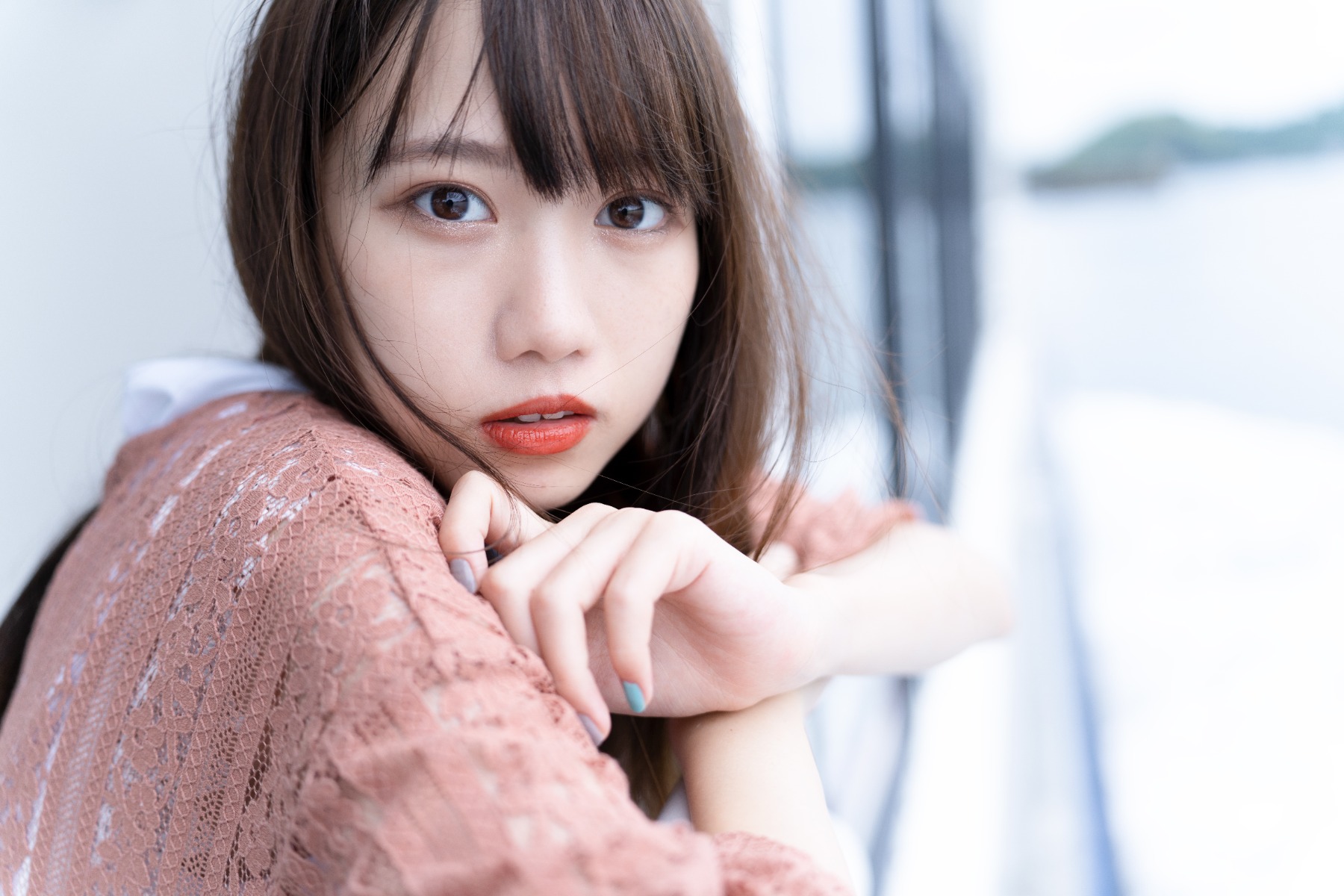
TAMRON 35-150mm F2-2.8 (Model A058) Focal length: 35mm Exposure: F2 Shutter Speed: 1/800sec ISO: 200
Background blur, or bokeh, helps the subject stand out. You control it mainly through aperture: opening up to a smaller F-number increases the blur and separates the subject from its surroundings. This works especially well for portraits and flowers, and a backdrop of Pretoria’s jacarandas in October dissolves into a soft wash of violet. This example was shot at F2 and 35mm (around 52mm equivalent on APS-C).
Getting the focus right is just as important. Decide which part of the subject matters most, such as the eyes in a portrait or the centre or texture of a flower, and focus precisely there. With a wide-aperture lens at close range, depth of field can become extremely thin, so stop down slightly to widen the zone of sharpness if needed. Our autofocus guide covers focusing techniques in more detail.
Make the most of autofocus
Make the most of autofocus
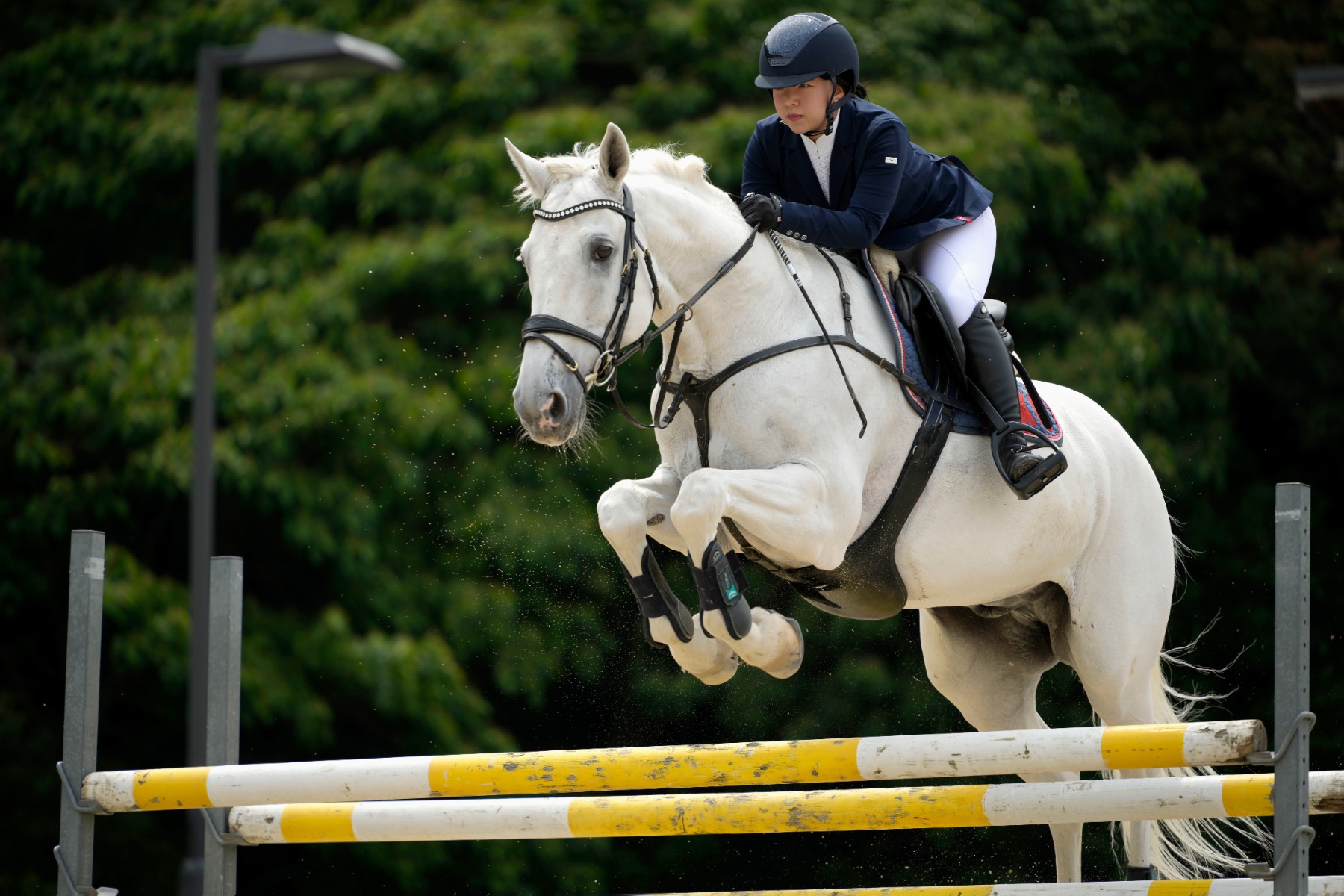
TAMRON 70-180mm F2.8 G2 (Model A065) Focal length: 180mm Exposure: F2.8 Shutter Speed: 1/1600sec ISO: 100
Modern autofocus covers a wide range of functions, and what is available depends on your camera. Eye-detection AF, which locks onto the eyes of people and animals, helps with portraits, while tracking AF keeps a moving subject in focus, from a rugby wing breaking down the touchline to a dog racing along the beach. The lens plays an important part too, as a fast, quiet AF motor responds quickly whenever the camera needs to refocus. Choose continuous AF for moving subjects and single-shot AF for still ones, and let tracking do the rest. This example was captured at 180mm (around 270mm equivalent on APS-C).
Choosing a lens to suit the subject in photography
Every lens has its own character, and the best choice depends on the subject and how you want to express it. Knowing which lenses suit landscapes, portraits and other subjects helps you decide quickly. Here are the main types and what they do best.
Wide-angle lenses for landscapes and architecture
Wide-angle lenses for landscapes and architecture
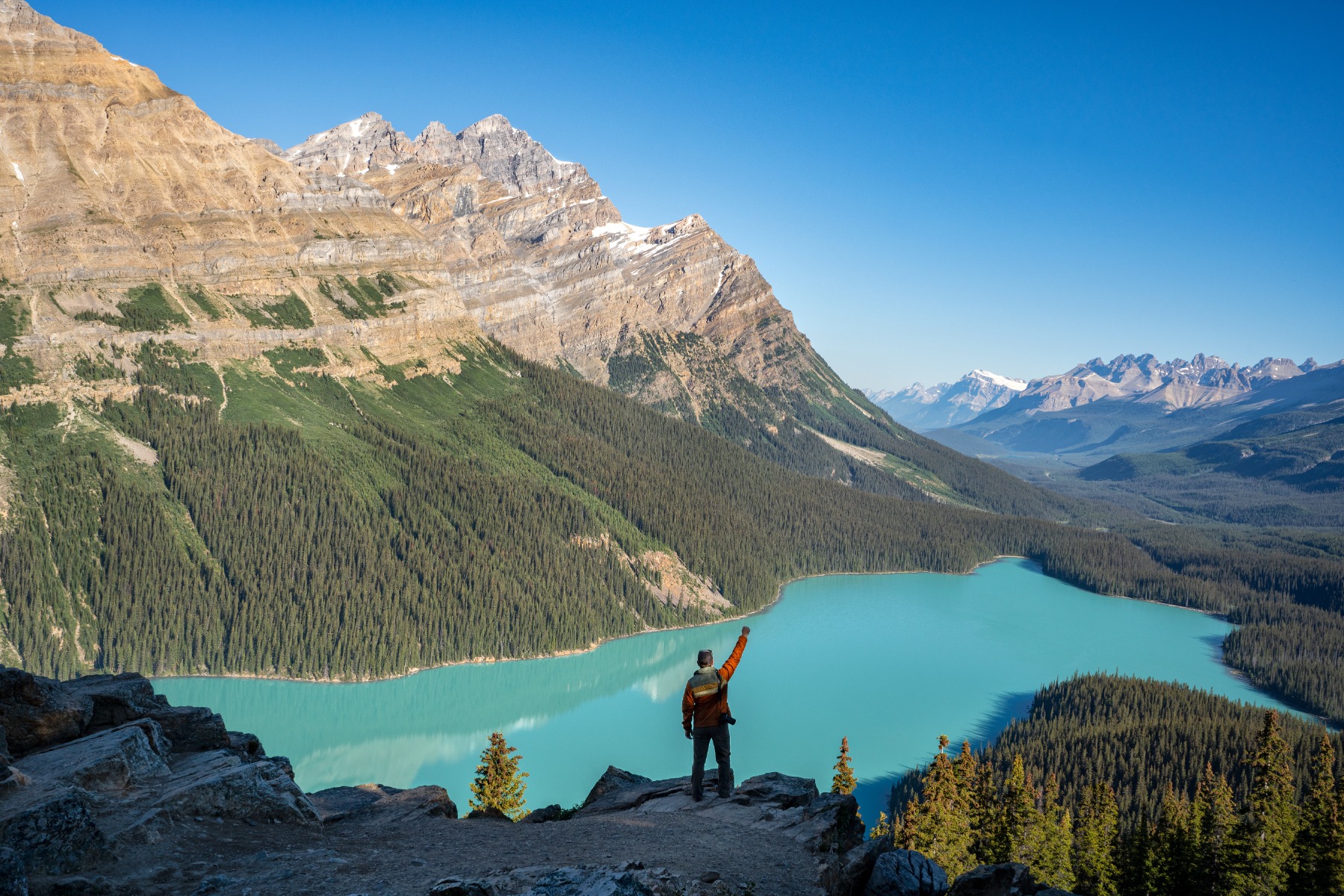
TAMRON 20-40mm F2.8 (Model A062) Focal length: 38mm Exposure: F14 Shutter Speed: 1/30sec ISO: 200
Wide-angle lenses have a broad angle of view, taking in a large area in a single frame. That makes them ideal for sweeping landscapes and expansive cityscapes. In the Cederberg, for example, you can include everything from the sandstone boulders at your feet to the ridges on the horizon. This example was taken at 38mm, the long end of a wide-to-standard zoom (around 57mm equivalent on APS-C), at F14 for front-to-back sharpness.
Wide-angle lenses also make perspective more pronounced, because they let you work close to the subject. Looking up at Johannesburg’s towers from street level, their lines converge dramatically towards a single point in the sky.
Standard lenses for natural portraits and everyday scenes
Standard lenses for natural portraits and everyday scenes
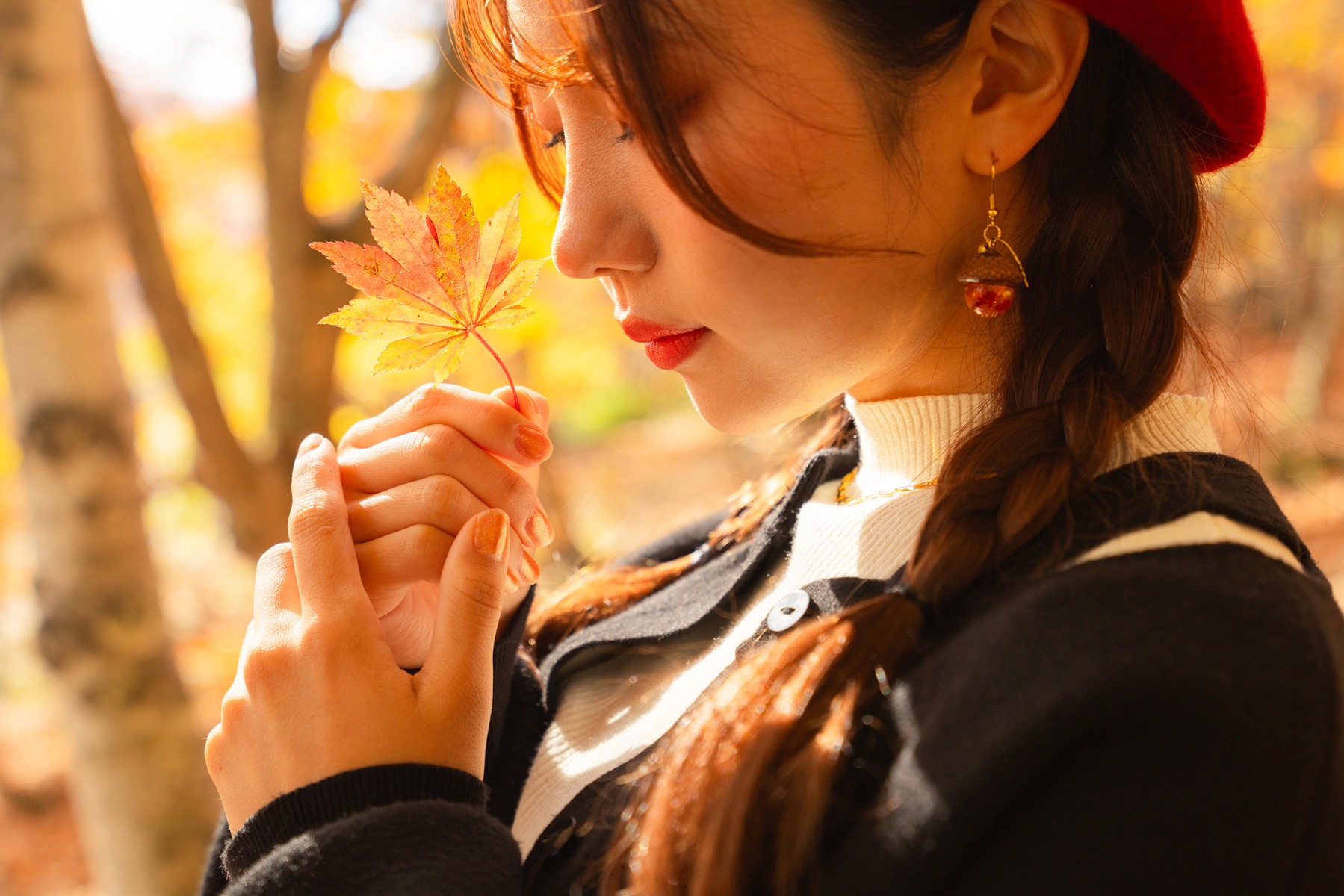
TAMRON 17-50mm F4 (Model A068) Focal length: 50mm Exposure: F4 Shutter Speed: 1/500sec ISO: 100
A standard lens has an angle of view close to that of human vision, so it records people and places much as we see them. In portraits, faces and figures look natural and true to life. The same quality suits everyday photography, from browsing a Cape Town market to recording family gatherings, and standard lenses are versatile enough for landscapes too. On an APS-C camera, a focal length of around 33mm to 35mm gives the same natural view as 50mm on full frame. This example was shot at 50mm (around 75mm equivalent on APS-C).
Telephoto lenses for distant subjects
Telephoto lenses for distant subjects
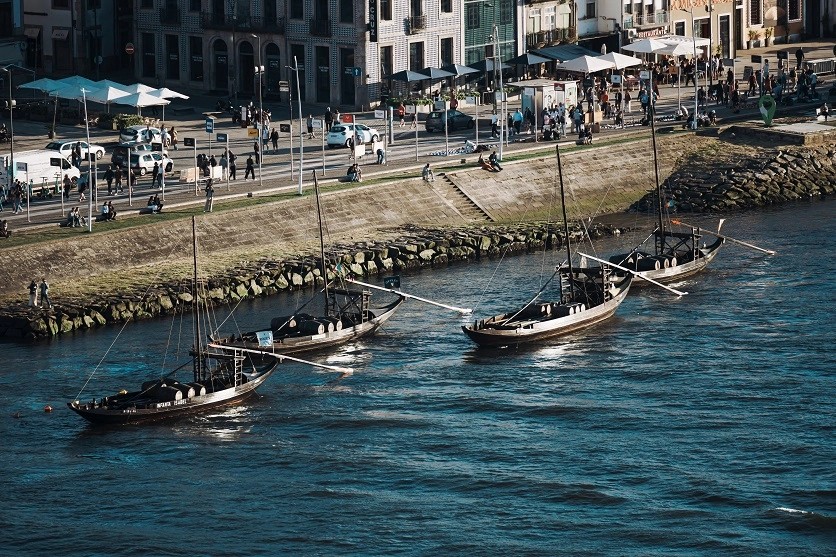
TAMRON 50-300mm F4.5-6.3 (Model A069) Focal length: 300mm Exposure: F6.3 Shutter Speed: 1/640sec ISO: 125
Telephoto lenses make distant subjects appear large in the frame, which is ideal when you cannot get close. They are perfect for capturing athletes’ expressions at school interhouse athletics or a club cricket match, and for photographing birds, such as waders feeding along a KwaZulu-Natal estuary, without disturbing them. When photographing school events, check that you have permission. Telephotos also compress the apparent distance between subject and background and produce strong background blur, adding impact to portraits. Because longer focal lengths magnify camera shake, use a fast shutter speed or a tripod; lenses with VC (Vibration Compensation), TAMRON’s image stabilisation system, also help. This example was captured at 300mm (around 450mm equivalent on APS-C).
All-in-one zoom lenses for travel and variety
All-in-one zoom lenses for travel and variety
TAMRON 28-300mm F4-7.1 (Model A074) Focal length: 28mm Exposure: F4 Shutter Speed: 30sec ISO: 100
All-in-one zoom lenses for travel and variety
TAMRON 28-300mm F4-7.1 (Model A074) Focal length: 300mm Exposure: F7.1 Shutter Speed: 1/200sec ISO: 100
A high-magnification, or all-in-one, zoom covers everything from wide angle to telephoto in a single lens. You can switch from a landscape to a street scene to a distant subject in seconds and respond to sudden opportunities without changing lenses. On a Garden Route road trip, one lens can handle coastal views at the wide end and distant detail at 300mm (around 450mm equivalent on APS-C). The 28mm example used a 30-second exposure on a tripod, the kind of long exposure that suits Cape Town’s city lights at night. A prime lens may have an edge in outright image quality, but the flexibility of an all-in-one zoom makes it an easy choice for travel and for newer photographers.
Prime lenses for beautiful bokeh
Prime lenses for beautiful bokeh
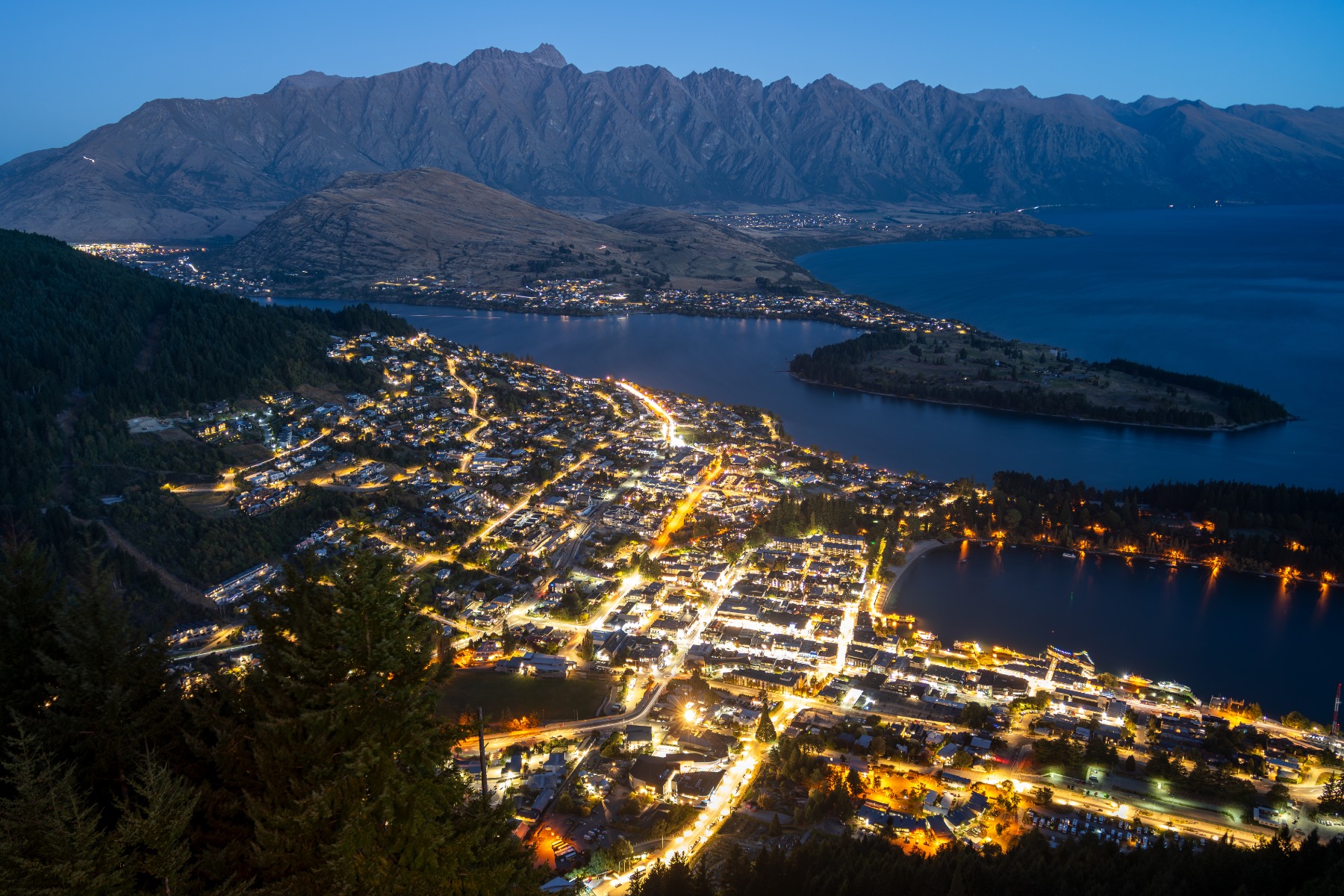
TAMRON 90mm F2.8 MACRO (Model F072) Focal length: 90mm Exposure: F5.6 Shutter Speed: 1/160sec ISO: 800
Prime lenses have a fixed focal length, and many offer a wide maximum aperture, meaning a small F-number, along with smooth bokeh and excellent sharpness. Shooting wide open produces large, creamy background blur, and the extra light gathered by a wide aperture makes it easier to shoot in dim conditions such as an indoor portrait. Primes also stay sharp when stopped down, as in this 90mm example at F5.6 (around 135mm equivalent on APS-C).
Because the focal length is fixed, you change framing by moving closer to or further from the subject. That is less convenient than zooming, but it builds a strong feel for working distance and how it shapes an image.
Understanding your subject in photography: observe, then shoot
This guide has covered what a subject in photography is, how it differs from related terms, the techniques that bring out its appeal and how to choose a lens to suit it. Technical skills matter, but the most important step comes first: observe your subject closely and discover what makes it interesting. Try spending five minutes studying a single subject before taking your first frame, then photograph it from several angles and distances to find the version that says what you want to say.