| September 18, 2026
 South Africa's #1 Mobile Protection Brand
Most of us reach for a phone when we want to film something, and phones have come a long way. Dedicated camcorders still have their place too. But if you have ever filmed a thunderstorm building over the Highveld and found that the footage looked flatter on screen than the scene did in front of you, you have met the ceiling of a small sensor and a fixed lens. An interchangeable lens camera lifts that ceiling. This guide sets out what the format gives you as a filmmaker, the scenes it handles best, and what to look for when you choose a lens for video.
It is easy to think of an interchangeable lens camera as a stills tool that happens to record clips, but that is no longer a fair description. Current bodies have a dedicated video mode, and switching into it gives you high-quality recording straight away. Once you start configuring the body properly and adding lenses, filters, microphones and support gear, the same camera will produce work at a professional standard. For anyone whose first priority is image quality, an interchangeable lens camera is the most capable video tool available at the price.
One caveat is worth checking before you commit to a long take. Older bodies often capped recording at around 30 minutes per clip. If you are filming a school concert, a conference session or a full ceremony, look up your camera's maximum clip length first, because a body with that limit is not the right tool for continuous coverage.
The real strength of the format is that nothing about it is fixed. Lenses, filters, audio and stabilisation all come apart and go back together in whatever combination the job needs, which means the camera you buy this year can keep growing with you. Here are the five advantages that matter most once you start filming seriously.
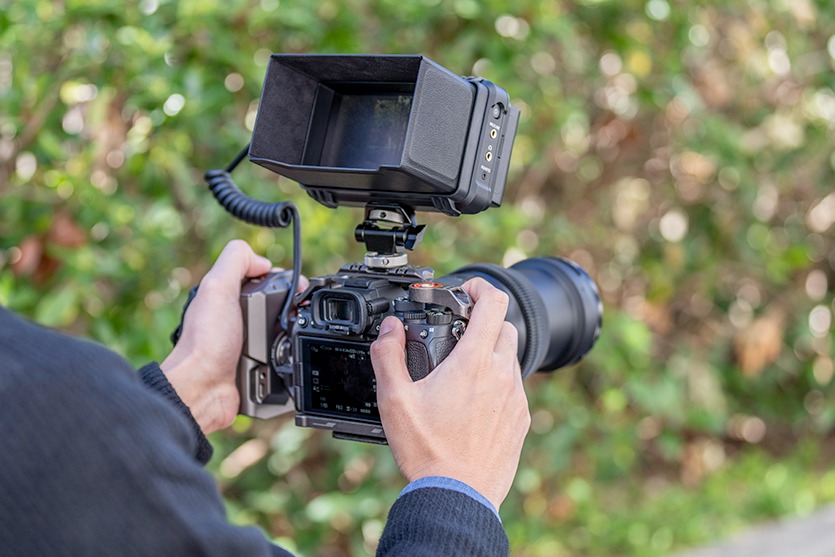
You are not buying a finished product; you are buying the centre of a system. Around the body sit filters, gimbals and other stabilisers, external monitors, cages and microphones, and each one is a separate decision you can make as the budget allows. Match the lens and the filter to the scene in front of you and the range of looks available to you widens considerably.
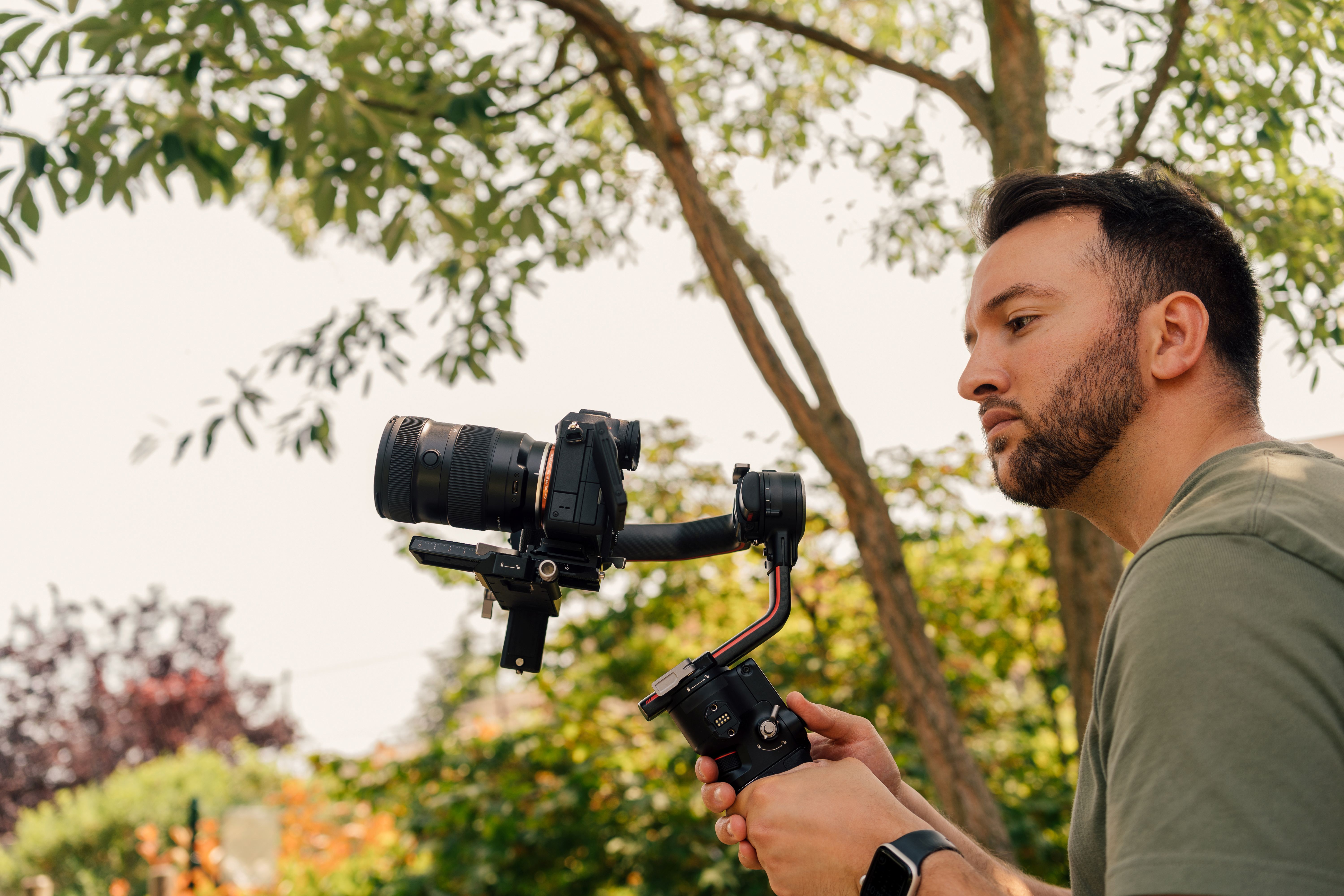
A gimbal or stabiliser turns a walking shot into something smooth enough to use. An external microphone does the same job for sound, which matters more than most beginners expect. Wind coming off the Atlantic seaboard will overwhelm an on-camera mic in seconds, and a shotgun mic with a decent windshield is often the difference between usable footage and a clip you can only run with music over it.
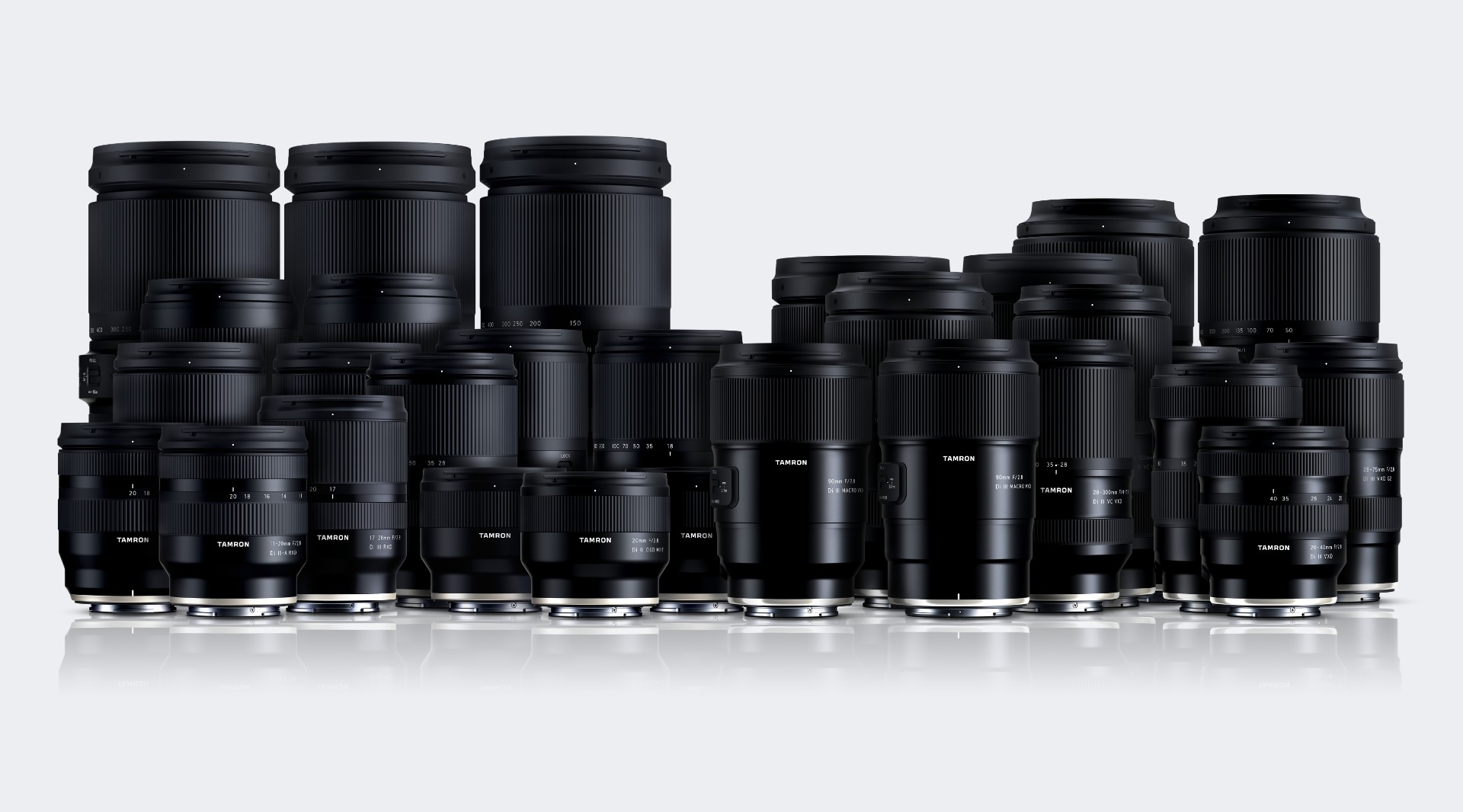
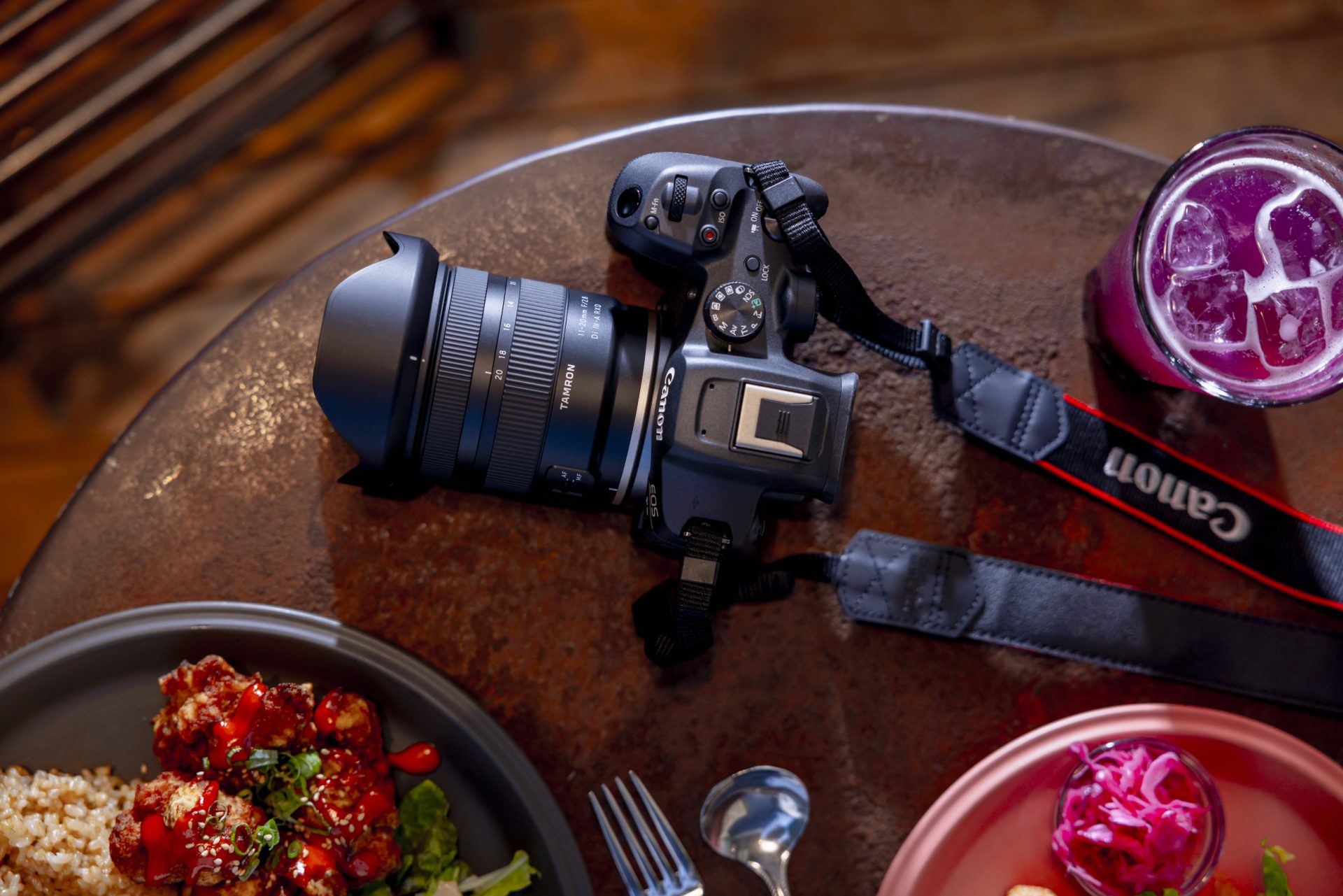
Primes, zooms, wide-angles, telephotos and macro lenses are all available, and all of them mount to the same body. A zoom lets you shift framing mid-shot without moving your feet, which is invaluable when you cannot get closer to the action. Swapping to a different lens between setups changes the character of the footage entirely, and that flexibility is the clearest advantage the format holds over a sealed-lens device.
Fast aperture lenses give you shallow depth of field, and with it the ability to lift a subject cleanly away from whatever sits behind them. A busy background softens into colour and shape, the eye goes where you want it, and the footage takes on the separation people describe as cinematic. A phone approximates this in software; a fast lens does it optically, and the difference shows at the edges.
Aperture, shutter speed, frame rate, ISO and white balance are all yours to set. Open the aperture for more blur, choose a frame rate according to whether you want natural motion blur or slow motion, and set white balance to suit the light you are actually standing in — the low, warm sun of a Cape winter afternoon calls for different treatment from midday on the Highveld. Recording in Log or RAW then leaves you far more room to shape colour in the edit.
The sensor in an interchangeable lens camera is far larger than anything in a phone, and that shows most clearly in poor light. Indoor venues, evening events and the half hour after sunset become workable rather than a gamble. The wider dynamic range helps too: a bright window and a shadowed corner in the same frame both hold detail instead of collapsing into white and black, so the footage looks closer to what you remember seeing.
Once the camera and lens are working together, certain kinds of footage become far easier to pull off. These are the situations where the format earns its keep.
If the goal is work that looks like a film rather than a clip, this is the right tool. A large sensor gives you the resolution and tonal range to start with, frame rate choices let you control how motion reads, and shooting in Log produces a flat file you can grade properly afterwards. Pair the body with a fast aperture lens and you have the shallow focus and controlled contrast that define the look.
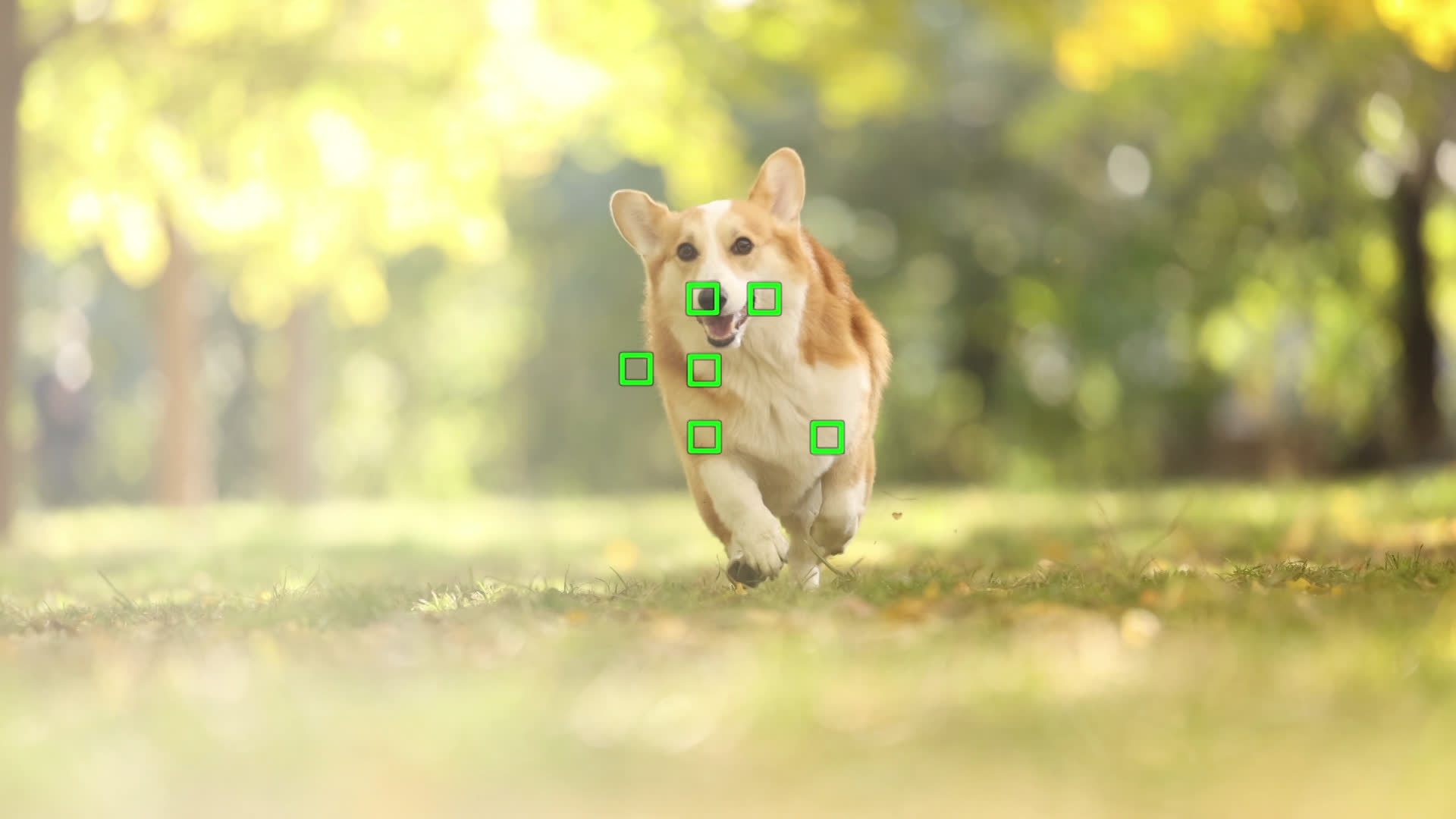
The format suits ordinary days as much as set pieces. Background blur alone lifts a vlog above the average phone clip. Film a dog running along a Durban beach at first light, a potjie coming together over the coals, or a child learning to ride a bicycle in the driveway — the subject matter is unremarkable, which is precisely why the image quality does so much of the work.
Weddings and anniversaries reward good equipment because nothing about them is repeatable. Indoor venues are frequently darker than they look, whether that is a cellar in the Cape Winelands or a function hall in Pretoria, and many venues restrict flash and video lighting outright.
An interchangeable lens camera copes with this. You can hold exposure where you need it in low light, and with a lens range running from wide to telephoto you can cover both the whole room and a single expression from the back of it. Speeches after dark, a first dance under strung lights, a quiet moment at the edge of the crowd — the detail survives.
Take the camera on a trip and the footage changes character. A wide-angle lens gives scale to the Drakensberg escarpment or a stretch of Garden Route coastline in a way a phone cannot manage. Turn the same camera on the people you are travelling with, open the aperture, and the landscape falls back into soft colour behind them — which is usually the shot you actually want to keep.
Sport is where a zoom lens becomes essential. At an inter-house athletics meeting or a Saturday morning club rugby fixture you cannot walk onto the field, so an all-in-one zoom running from wide to long lets you frame the whole event and then pull in tight on one competitor without changing lenses. Working the zoom while recording also gives footage a rhythm that flat, static coverage never has.
The edit matters as much as the shooting. Cutting between a wide establishing shot and a tight frame on the finish line builds tension that neither shot carries alone. Learning to shoot with the cut in mind is what turns a long, faithful record of an afternoon into something people will actually sit and watch.
Talking-head footage benefits enormously from separation between subject and background. Phones and camcorders will simulate it, but a fast aperture lens produces blur that stays clean at the edges and falls away naturally, with no halo around hair or shoulders. The subject sits forward in the frame and holds attention, which is the entire point of an interview.
Not every lens that performs well for stills performs well for video. These are the characteristics worth checking before you buy.
A large maximum aperture — a small F-number — is what you want for bright footage and strong background blur. It also buys you options in difficult light. Indoors, under heavy cloud, or in the hour before dark, a fast lens keeps ISO down and the image clean.
Look is the overall impression a lens leaves: how it renders colour, how it handles contrast, and how the out-of-focus areas fall away. Two lenses with near-identical specifications can produce noticeably different images. If you are cutting footage from several lenses into one sequence, staying within a single manufacturer's range usually keeps colour and rendering consistent enough that the cuts do not draw attention to themselves.
Focus breathing is a shift in the angle of view as the focus point moves. In stills it barely registers. In video, where pulling focus between two subjects is routine, a lens that breathes visibly makes the frame appear to zoom slightly on every pull. Test a lens for this before you rely on it, and choose one that breathes as little as possible.
Axis shift describes the optical axis — the line running from the centre of the lens to the focus point — moving out of alignment between the wide and telephoto ends of a zoom. Focus shift describes the focus point drifting as the focal length changes. Both are more visible in video than in stills, because you watch the movement happen. Zoom a lens through its full range on a fixed subject and check whether the frame drifts or the image softens.
Autofocus quality for video is not the same thing as autofocus speed for stills. What matters is whether focus moves smoothly rather than snapping into place, and whether it tracks a moving subject without hunting back and forth. Listen as well: some focus mechanisms are audible, and an on-camera microphone will pick that up on every rack.
A lens with a VC mechanism smooths out the small movements that handheld filming introduces. Shake becomes more obvious the longer the focal length, so stabilisation matters most on telephoto shots — following a ball across a rugby field, for instance, or filming from a moving vehicle.
Much of the filming you will do happens outdoors, where the weather does not consult you first. Moisture-Resistant Construction gives you margin when a summer thunderstorm arrives earlier than forecast, when you are shooting close to water, or when you are working in the salt-laden air along the KwaZulu-Natal coast.
Handling is easy to overlook and hard to live with when it is wrong. Check how the AF/MF switch falls under your hand, how much resistance the focus ring offers in manual focus, and whether the zoom ring turns evenly across its full travel rather than tightening at one end.
You will be moving with the camera, often for hours at a time. A lighter, more compact lens is the one you will actually carry up a path, hold at arm's length, or keep rolling with when a heavier setup would already be back in the bag. Size affects the variety of shots you come home with more than most people expect.
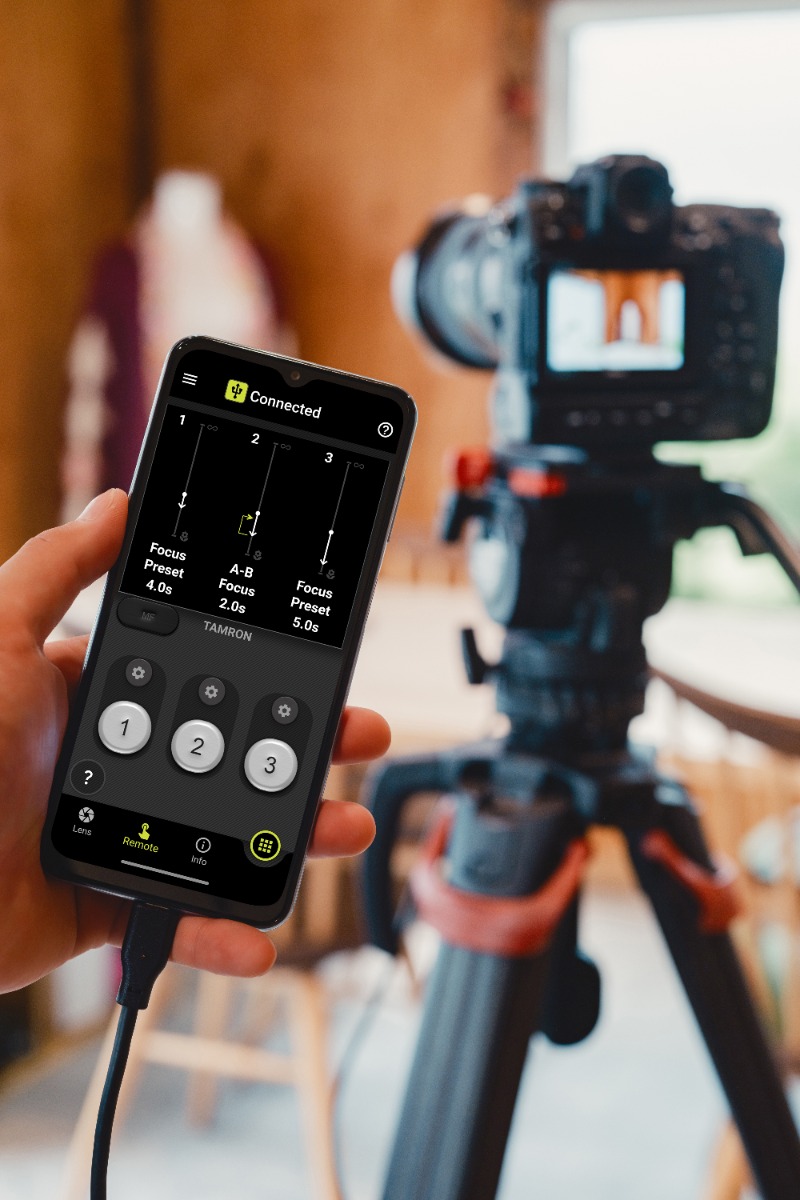
TAMRON Lens Utility is an application that lets you assign practical functions to the lens itself, for video and stills alike, from a smartphone or a PC. It takes the place of equipment that traditionally had to be bolted onto a rig.
It is built to be quick to learn, and it changes what a single operator can achieve alone. The short film Findley demonstrates the range, drawing on a number of the application's functions to produce effects that would otherwise call for a crew.
Here are the main functions available.
Set markers on both the focus and aperture rings, then use the DFF (Digital Follow Focus) screen to shift to any preset position with a single tap. Focus pulls and iris changes are controlled from your phone.
* Aperture control via the DFF, including Iris Marker and Focus (FC)/Iris Marker Link, is not supported on Nikon Z mount.
Working alongside your camera's interval shooting, this function shifts the focus position gradually across a time-lapse sequence, so the focus moves as the scene does.
* Nikon Z mount is not supported.

TAMRON 50-400mm F4.5-6.3 (Model A067) Focal length: 227mm Exposure: F6.3 Shutter Speed: 1/2500sec ISO: 640
This function restricts the focus range when you are filming moving subjects, so the lens does not search past them.
• Switch instantly between “Full” and “Limit” using the Focus Set Button.
• Alternatively, set “Full” while the button is held and “Limit” while it is released, or the reverse, depending on how you work.
• Choose the limited distance range yourself.
MF Method changes how the focus responds when you are working manually. “Non-Linear” varies how far the focus point travels according to how fast you turn the focus ring. “Linear” ties movement strictly to how far you turn it, which is what you want when you need to hit a mark repeatably while recording. For detailed cinematic focus work, set a 270° rotation angle; around 180° suits faster, more responsive video shooting.
Select AF/MF assigns focus mode switching to the Focus Set Button, so you can move between autofocus and manual focus even on a lens with no dedicated AF/MF toggle on the barrel.
The range of lenses and accessories available for an interchangeable lens camera is what makes the format worth committing to. Cinematic sequences, vlogs, family footage, sport and interviews all sit within reach of the same body, and you build towards them one component at a time rather than replacing everything at once. Choose the lens that suits the work in front of you, add the support gear as you need it, and the footage will show the difference.