| September 18, 2026
 South Africa's #1 Mobile Protection Brand
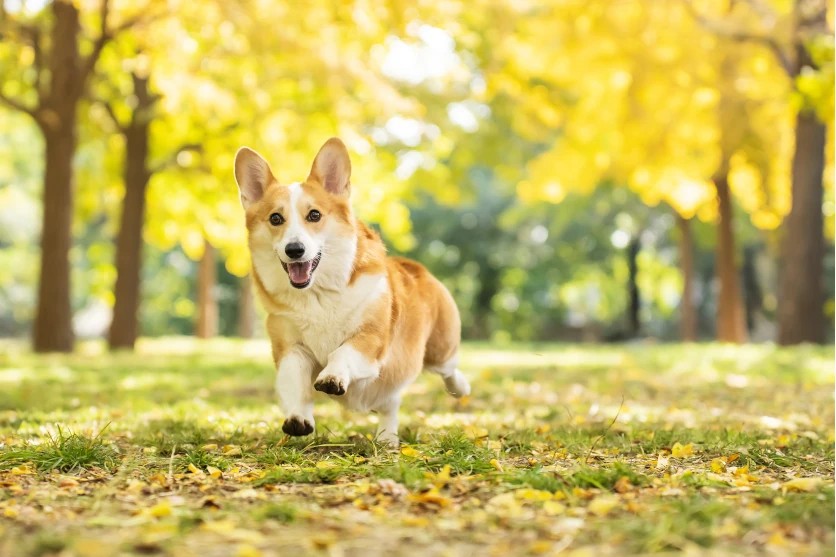
Most people who buy an interchangeable lens camera for their dog or cat discover the same thing within a week: the animal will not cooperate, the light is harsher than it looked, and the photographs come out slightly soft in a way that is difficult to diagnose. Almost all of it comes down to three things — where you focus, where you put the camera, and how you handle the light. This article covers how to photograph dogs and cats with an interchangeable lens camera: the six techniques that make the largest difference, how the approach shifts between the lounge, a walk and open country, and what to look for when you choose a lens.
There are six things worth getting right, and they build on one another. Start with focus and camera position, because those cost nothing and fix most problems, then work through exposure and lens choice.
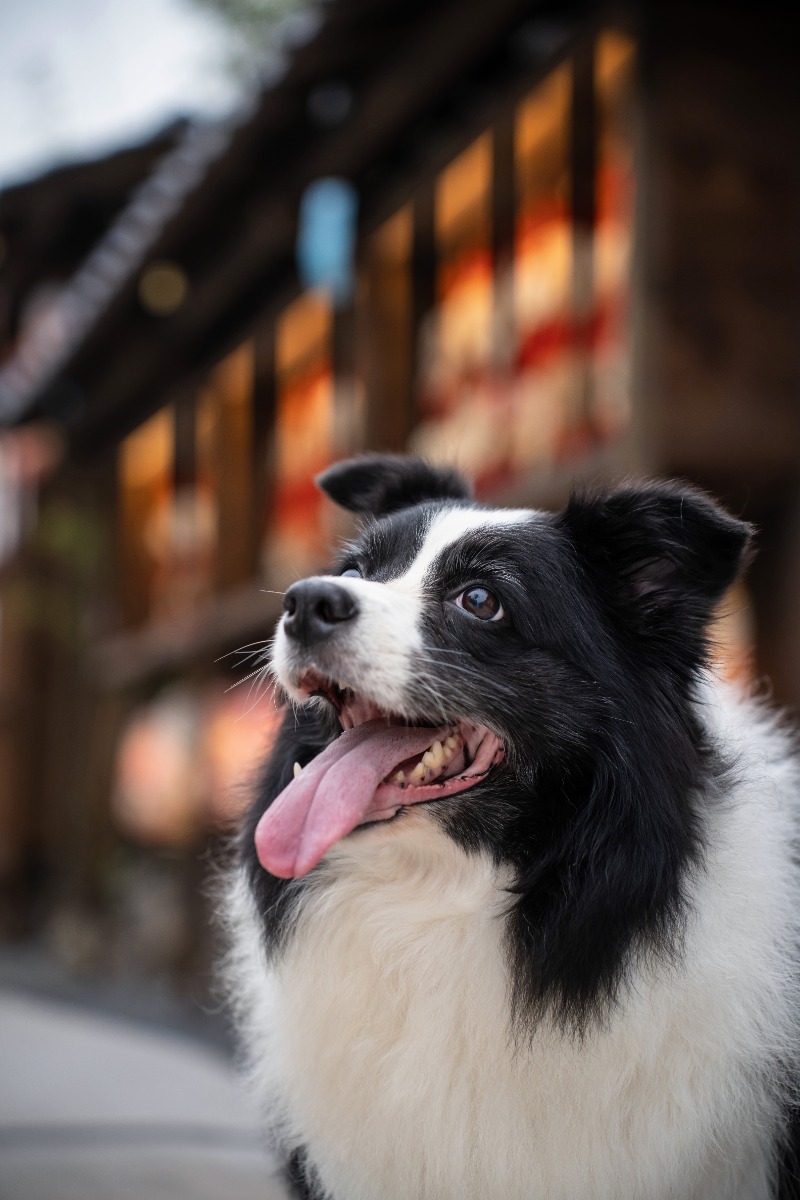
Focal length: 75mm Exposure: F2.8 Shutter Speed: 1/500sec ISO: 400
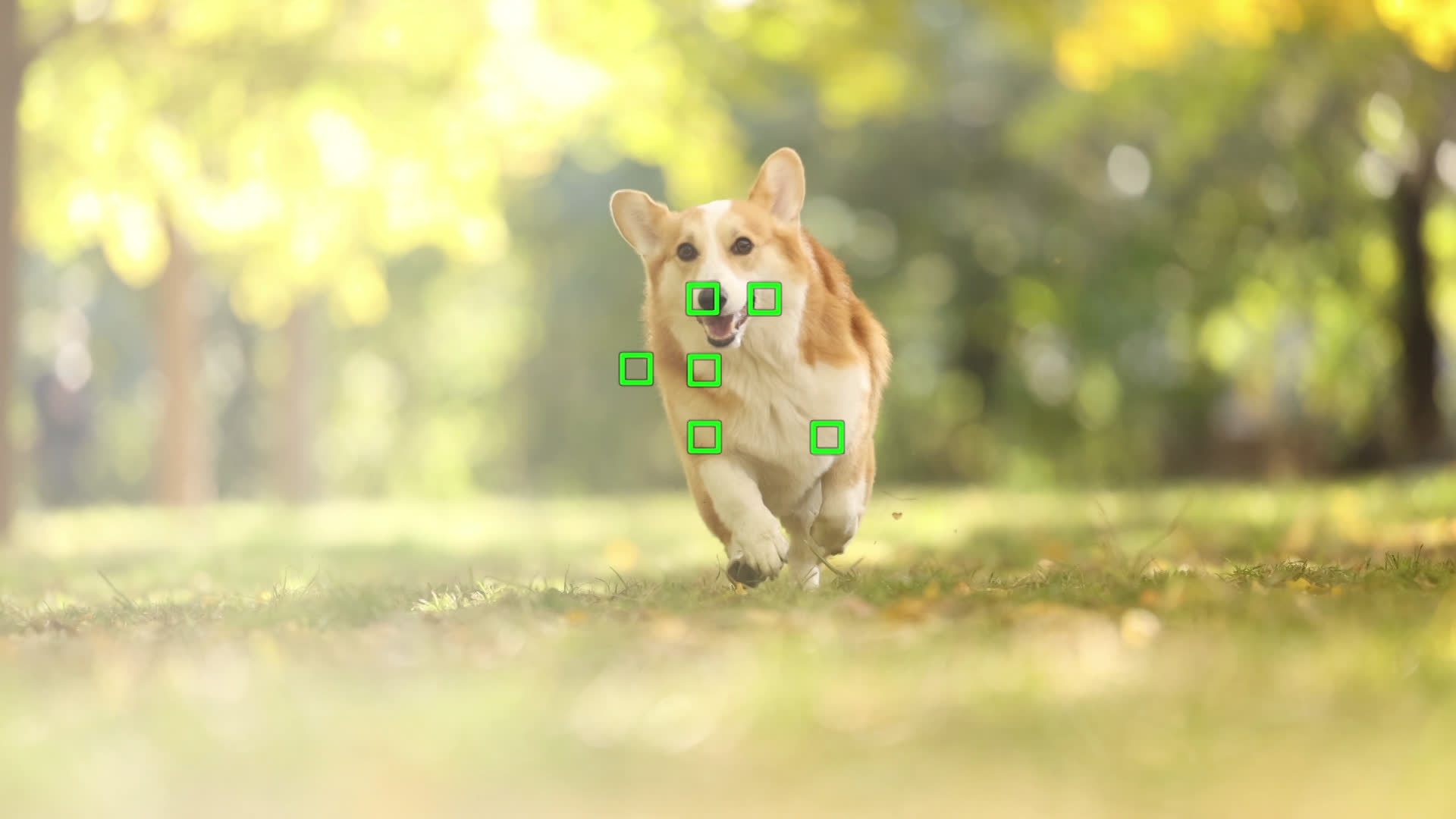
A dog or cat's face is deeper than it looks. Point the camera at it with a wide aperture and the camera will often settle on the nose or an ear, leaving the eyes fractionally soft — and a photograph with soft eyes reads as a mistake even to someone who cannot say why. Focus on the eye nearer the camera, and aim for a point just above its centre rather than dead on. That puts the sharpest part of the frame where a viewer looks first, and pulls the rest of the face along with it.
Animal Eye AF, on bodies that have it, does this more reliably than you can by hand. Most systems now let you select dogs and cats specifically rather than lumping them under a general animal setting, which improves the hit rate considerably on flat-faced breeds and on cats in profile. Switch it on and leave it on. Where the fur is dark and the eyes darker still, detection can drop out entirely — that is the moment to fall back to a single AF point and place it yourself.
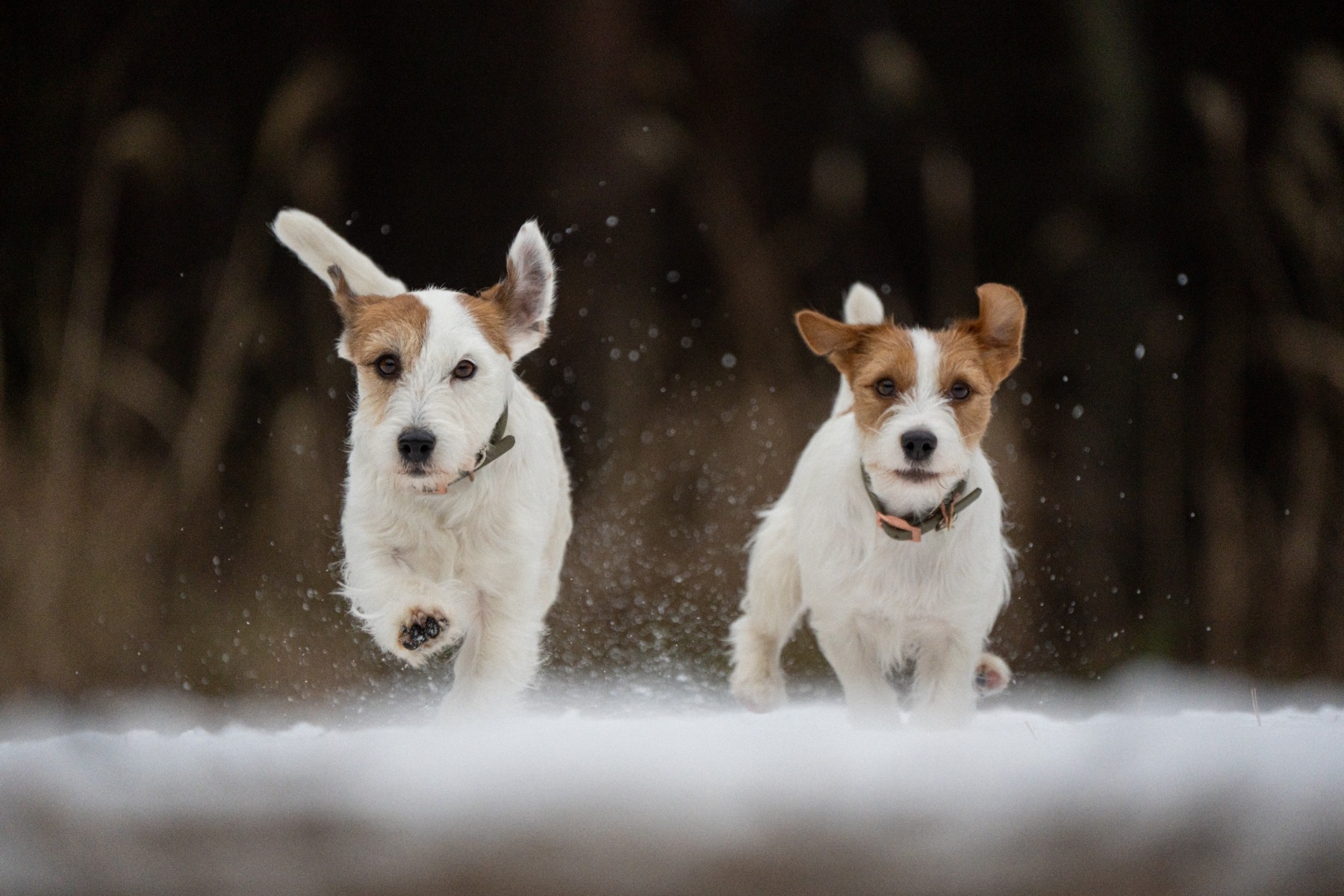
Focal length: 400mm Exposure: F6.3 Shutter Speed: 1/1250sec ISO: 800
The commonest fault in pet photographs is that they were taken by someone standing up. Shooting down at an animal flattens it, shrinks it in the frame and produces more or less the same picture every time. Drop the camera to the animal's eye level and everything changes: you see the face properly, the background moves from the floor to whatever is actually behind them, and the photograph starts to look considered rather than incidental.
Going lower still — below eye level, lens angled slightly upwards — gives you a more dramatic frame. It suits small dogs particularly well, and cats, who spend most of their lives nearer the ground than we do. Try three heights on the same animal in the same light; the difference between them is larger than any setting you could change.
Getting them to look at the camera is a separate problem. A name, a whistle, a clap, a rustled packet — most work once, some work twice, none work indefinitely. Have focus acquired and exposure set before you make the sound, because you will get about a second and a half. Choose the background to suit the animal too: a pale cat against a dark doorway, a dark dog against a bright wall or open sky.
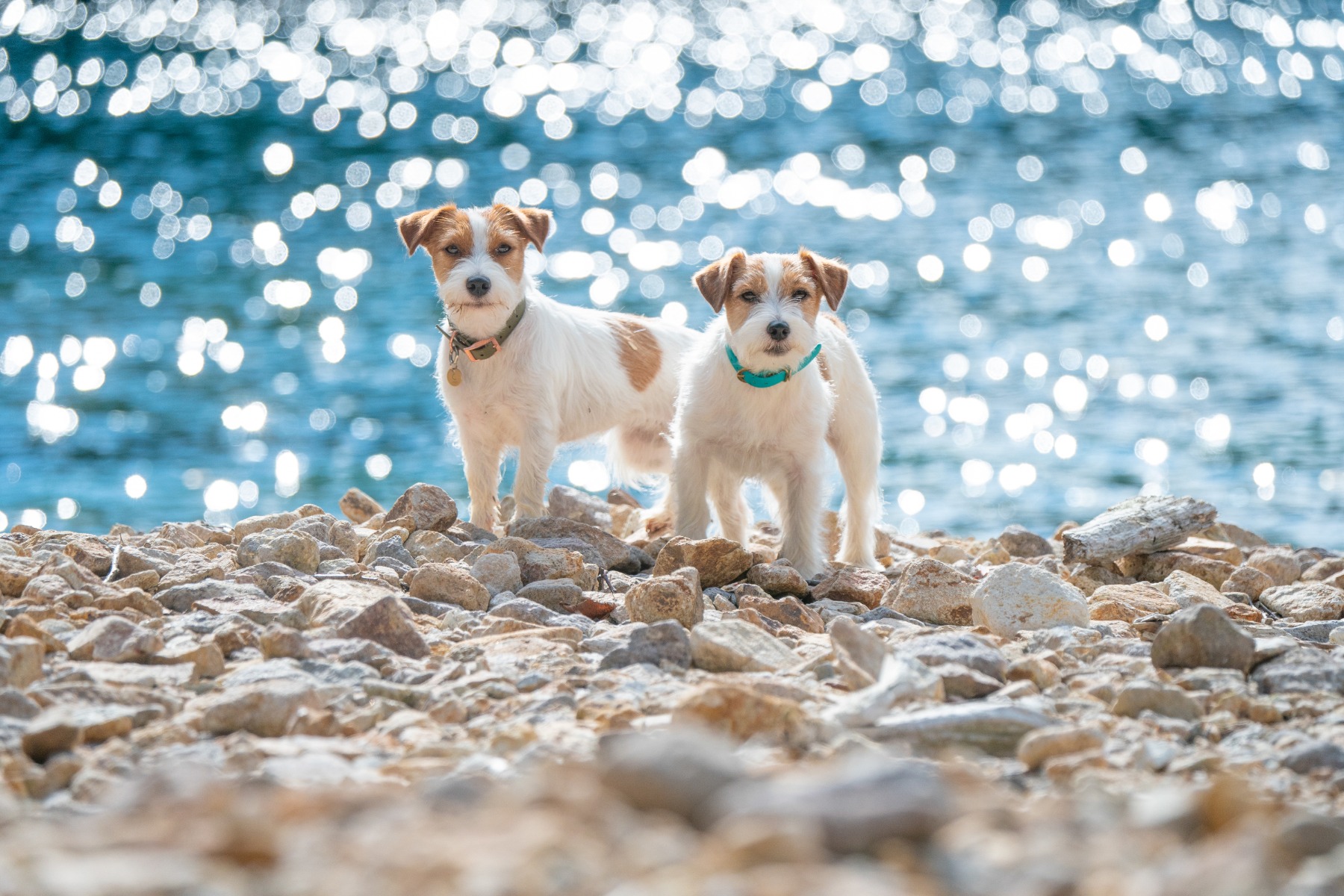
Focal length: 227mm Exposure: F6.3 Shutter Speed: 1/2000sec ISO: 640
Front light — sun behind you, falling on the animal's face — gives the clearest view of an expression, and it is the safe starting point. Here it is also the setting most likely to defeat you. Between roughly 10:00 and 15:00 in summer the sun sits close to overhead, hard enough to make animals squint, dig black shadows into the eye sockets and blow out any white fur in the frame. On the Highveld it gets difficult earlier than that. Move into open shade, or shoot early and late, which is when most people are out with their dogs anyway.
Back light puts the sun behind the animal. Nothing squints, the edges of the coat light up, and the whole frame takes on a warm quality that suits long-haired dogs and cats especially well. The cost is that the face falls into shadow, so add half a stop to a full stop of exposure compensation to bring it back. Judge that on the face, not on the overall brightness of the frame.
Catch lights — the small bright reflection in the eye — are what stop dark eyes reading as flat black. They come easily under front light. Under back light you have to engineer them: position the animal so a pale wall, a light-coloured path or a stretch of bright sky sits in front of them and bounces something back. It is a small detail that carries a surprising amount of the photograph.
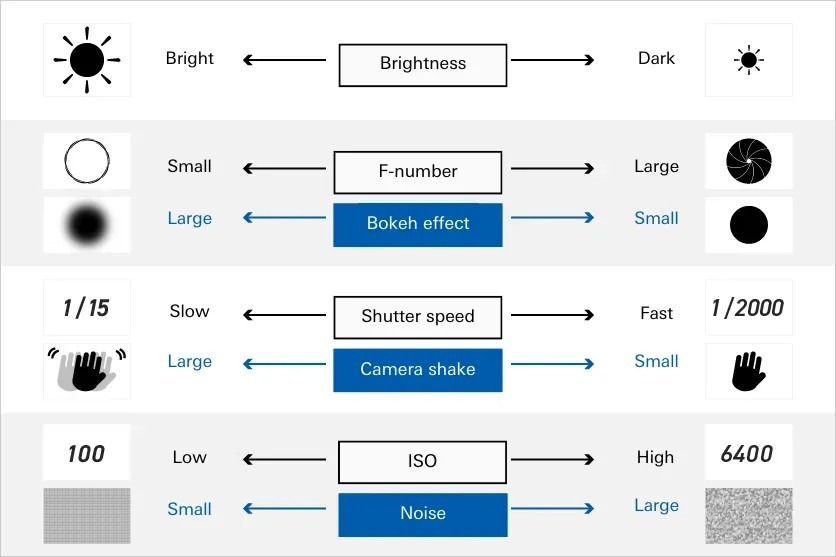
Brightness comes from three controls working together: aperture, shutter speed and ISO sensitivity. Animals move unpredictably and their faces have real depth, so the settings that suit them are not always the obvious ones. Here is how to think about each.
The f-stop describes how wide the aperture is opened, and the numbering runs backwards: a low number is a wide opening, a high number a narrow one. Wide open, the lens gathers the most light and throws the background furthest out of focus. Stopped down, it gathers less and holds more of the scene sharp. The widest a given lens can go is its maximum aperture, and that figure is fixed by the lens rather than by you.
The instinct with pets is to shoot wide open for maximum background blur, and it is worth resisting a little. At f/1.8, on a face turned even a few degrees off-axis, one eye is sharp and the other is not. Closing down a stop or two — to f/2.8 or f/4 — keeps the whole face inside the sharp zone while still separating the animal from the background. Wide open earns its place in genuinely dim conditions, or for a deliberate close-up of a single eye.
Shutter speed is how long the sensor is exposed to light. A slow speed such as 1/50 sec lets in plenty, which helps indoors, but leaves the frame vulnerable to both subject movement and camera shake.
A fast speed such as 1/1000 sec does the reverse: less light reaches the sensor, but movement stops cleanly and small tremors in your hands stop mattering.
Animals rarely hold still, so bias fast. For a cat settled on a windowsill or a dog moving gently around a room, 1/250 to 1/500 sec is usually enough. For anything running — a dog along a beach, a cat going up a tree — go to 1/1000 sec and accept the cost in light. If the frame goes dark, raise ISO rather than slowing back down.
The sensor turns light into an electrical signal, and ISO decides how much that signal is amplified. Higher ISO gives a brighter image and more noise; lower gives cleaner files but less to work with. Keep it as low as conditions allow, and no lower than that.
In clear weather you can hold ISO down even at fast shutter speeds — there is a great deal of light here for most of the year. The situations that force it upwards are indoors, in deep shade, and on a grey Cape winter afternoon with a restless dog inside because the walk was cancelled. Push it in those cases. A slightly noisy sharp frame is a photograph; a clean blurred one is not.
Aperture priority suits portraits. You set the f-stop, the camera works out the shutter speed, and the amount of background blur stays exactly where you put it while the light changes around you.
Shutter priority suits movement. You set the speed, the camera sets the aperture, and a running dog stays sharp whether or not it has just gone from sun into shade.
Manual gives you both, and it is worth learning for one specific reason: it is the only way to hold exposure identical across a burst while an animal crosses between bright and dark parts of a scene. Until then, the two priority modes cover almost everything.
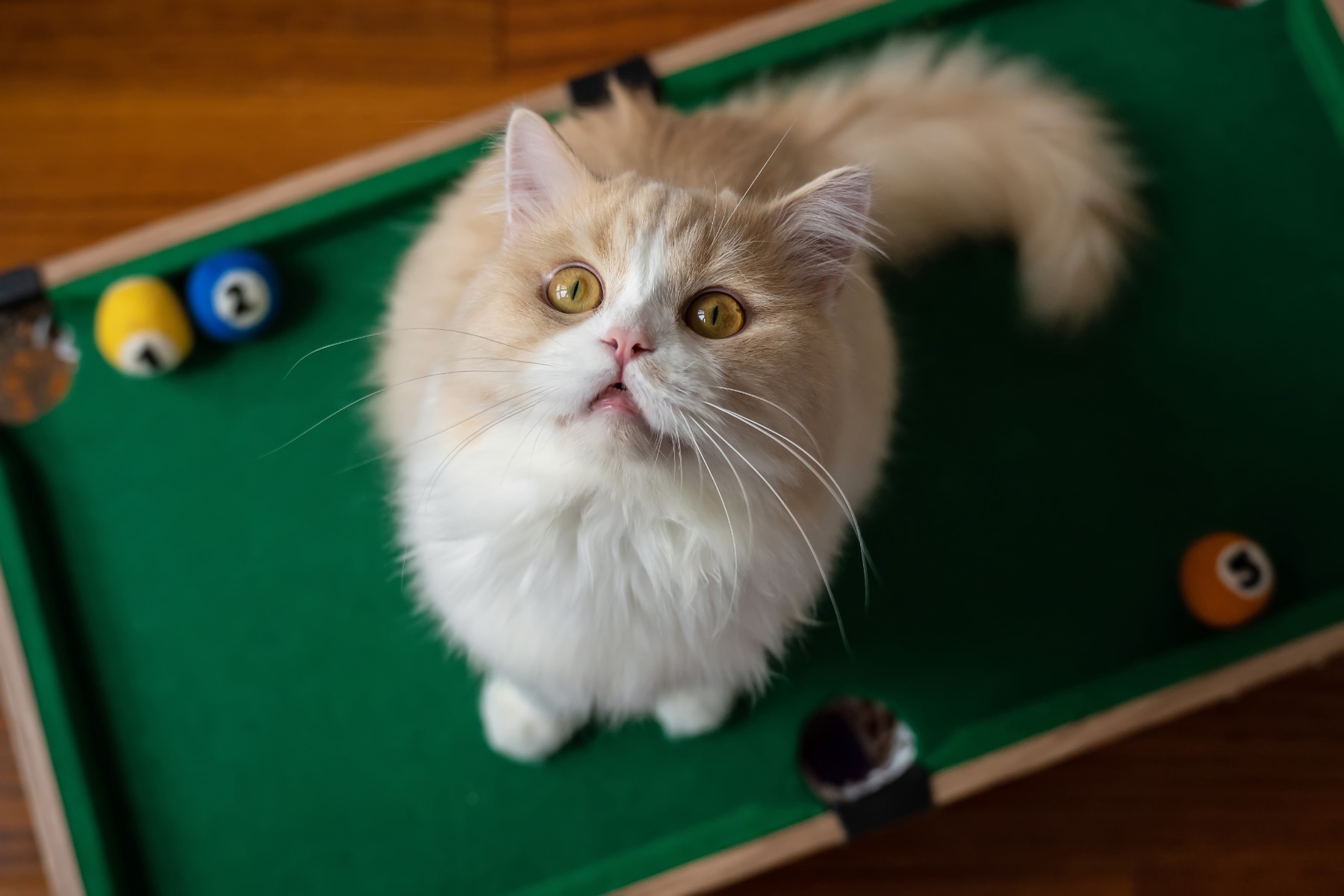
Focal length: 32mm Exposure: F2.8 Shutter Speed: 1/800sec ISO: 500
A wide-angle lens, or the short end of a standard zoom, takes in more of the scene and holds more of it in focus. That makes it the lens for photographs where the place matters as much as the animal — a dog small in the frame on an empty stretch of sand, a cat on a wall with Table Mountain behind it, fynbos or open grassland running away to the horizon.
Wide-angle lenses also focus close, which opens up the other use: right up against the animal, camera low, lens angled up, with trees or buildings towering behind. The perspective exaggeration that makes wide lenses awkward for human portraits is exactly what makes this work — a nose slightly too large, the world slightly too big behind it.
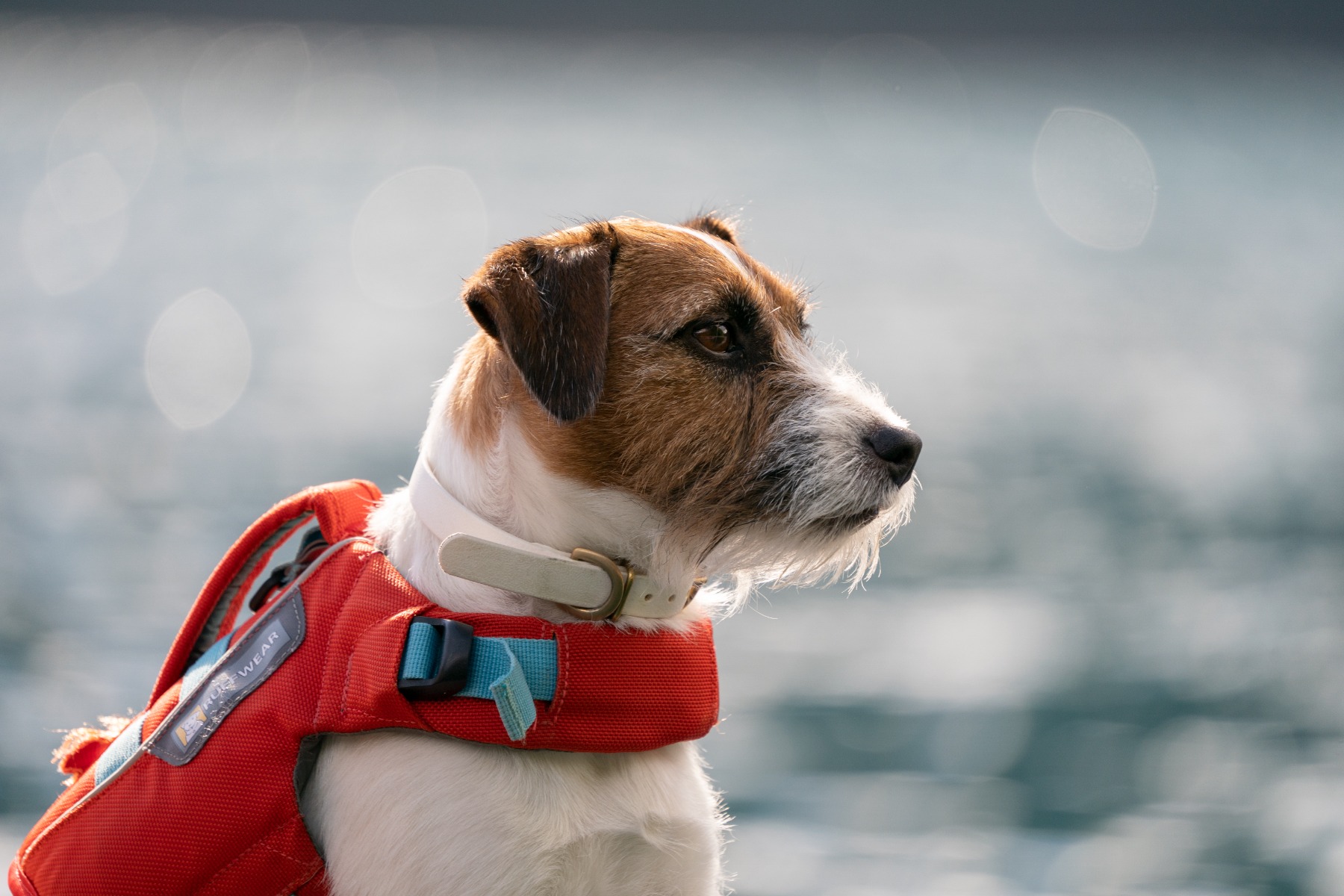
Focal length: 400mm Exposure: F6.3 Shutter Speed: 1/400sec ISO: 320
A telephoto lens narrows the angle of view and magnifies what is left, letting you fill the frame with a face and read the texture of a coat from several metres away. It also compresses the background, stacking whatever is behind the animal into a smoother, closer-feeling wash of colour.
The more useful advantage is behavioural. Many animals react to a lens pointed at them from close range — cats look away, nervous dogs get up and leave — and the resulting pictures are of an animal being photographed rather than an animal being itself. Backing off with a telephoto solves it. From a distance where they have stopped paying attention to you, you get the sprawl, the yawn and the slow blink that no animal will perform on demand.
The principles hold everywhere, but what limits you changes with the place. These are the three situations that account for most of the photographs anyone actually takes.
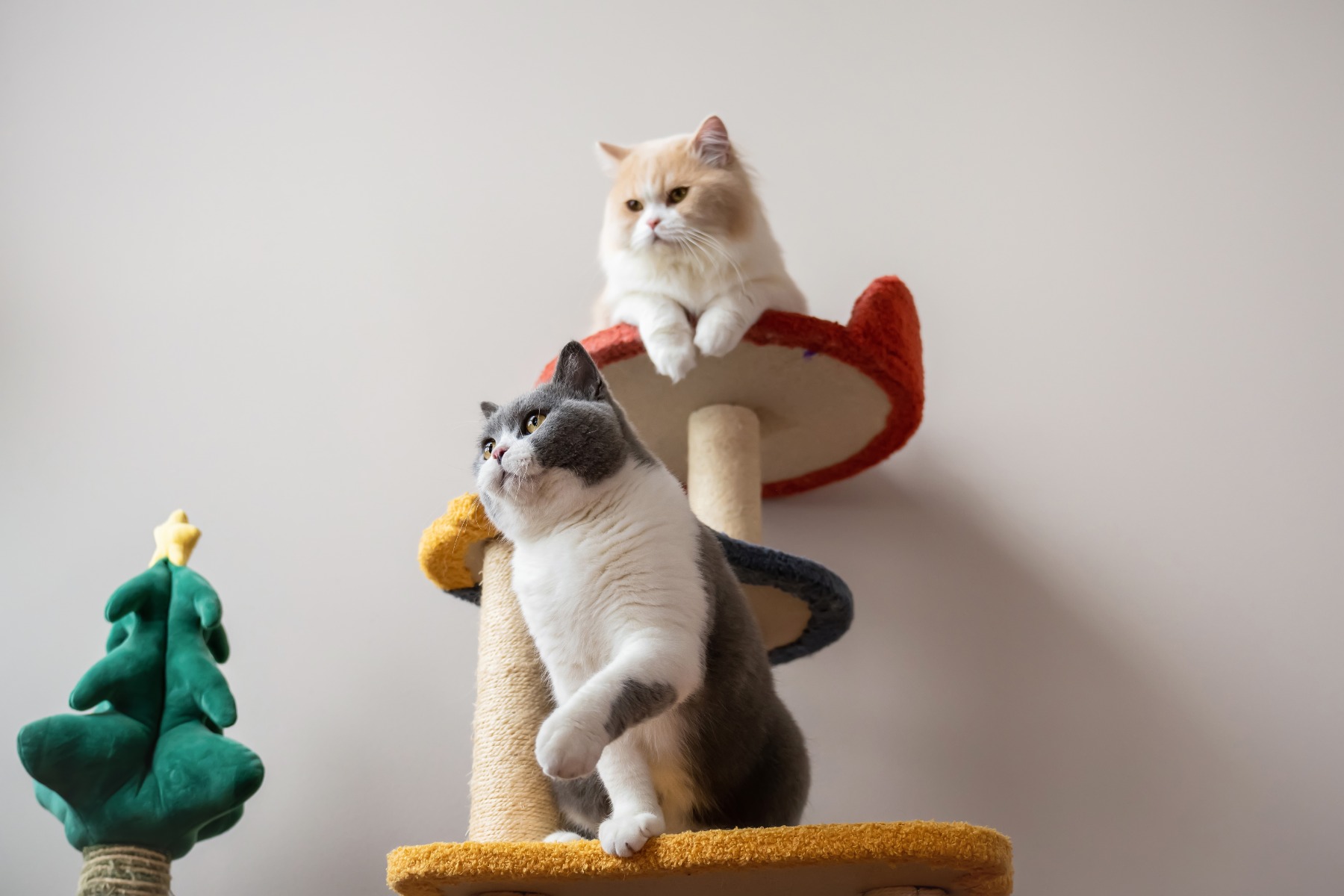
Focal length: 29mm Exposure: F2.8 Shutter Speed: 1/320sec ISO: 800
Indoors, light is the constraint, though the local version of the problem is less about scarcity than about contrast — a window in full sun throws a hard band of light across a room and leaves everything else in the dark. Work near a window that is bright but not taking direct sun, switch the overhead lights off so you have one source rather than three colours of light fighting each other, and put a pale wall opposite the window to bounce something back into the shadows. Open the aperture, and raise ISO before you let the shutter speed sag.
The other indoor problem is the animal. A dog that has decided the camera is interesting will not stop investigating it, and a cat that has decided otherwise will simply leave. Toys and treats buy you attention, but the more reliable approach is patience: set up where the light is good, wait for them to settle there of their own accord, and shoot once they have forgotten about you.
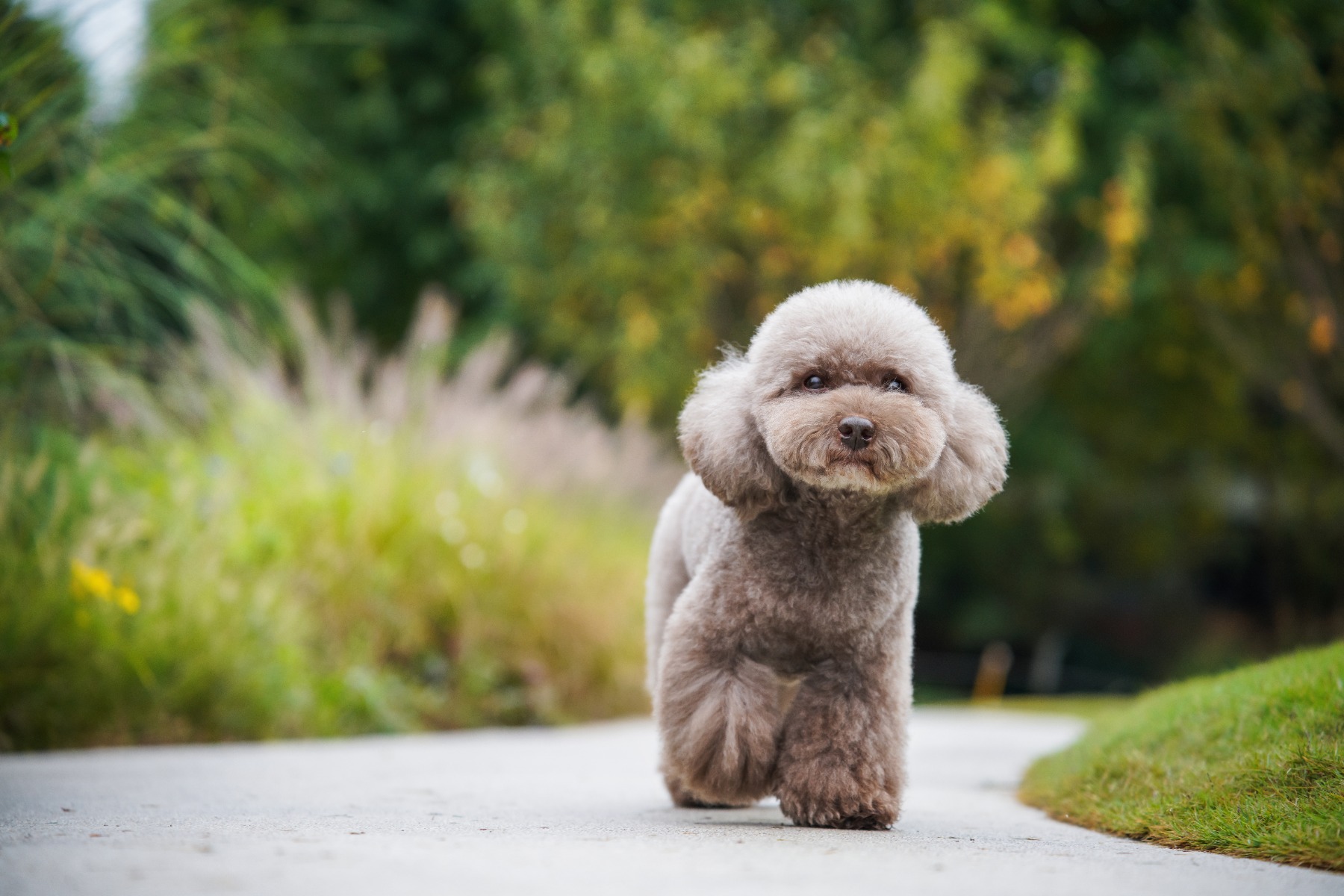
Focal length: 75mm Exposure: F2.8 Shutter Speed: 1/800sec ISO: 500
A walk gives you movement, changing backgrounds and an animal doing something it enjoys, which is most of what a good photograph needs. Get the camera low — held down near knee height, or lower — so you are shooting across at them rather than down onto them.
Keeping up is the difficulty. A dog moving towards you covers ground faster than you can react, and the frame you press for is usually a moment behind the one you wanted. Continuous autofocus with burst shooting closes the gap: hold focus, hold the button down through the movement, and choose afterwards.
Timing helps as much as technique does. Because most people here walk before eight in the morning or after five in the afternoon to avoid the heat, the ordinary dog walk lands in the best light of the day almost by accident. In June the sun is gone by about 17:45 in Cape Town and 17:05 in Durban, so the afternoon walk runs straight into low sun, long shadows and warm colour — conditions a landscape photographer would wait around for.
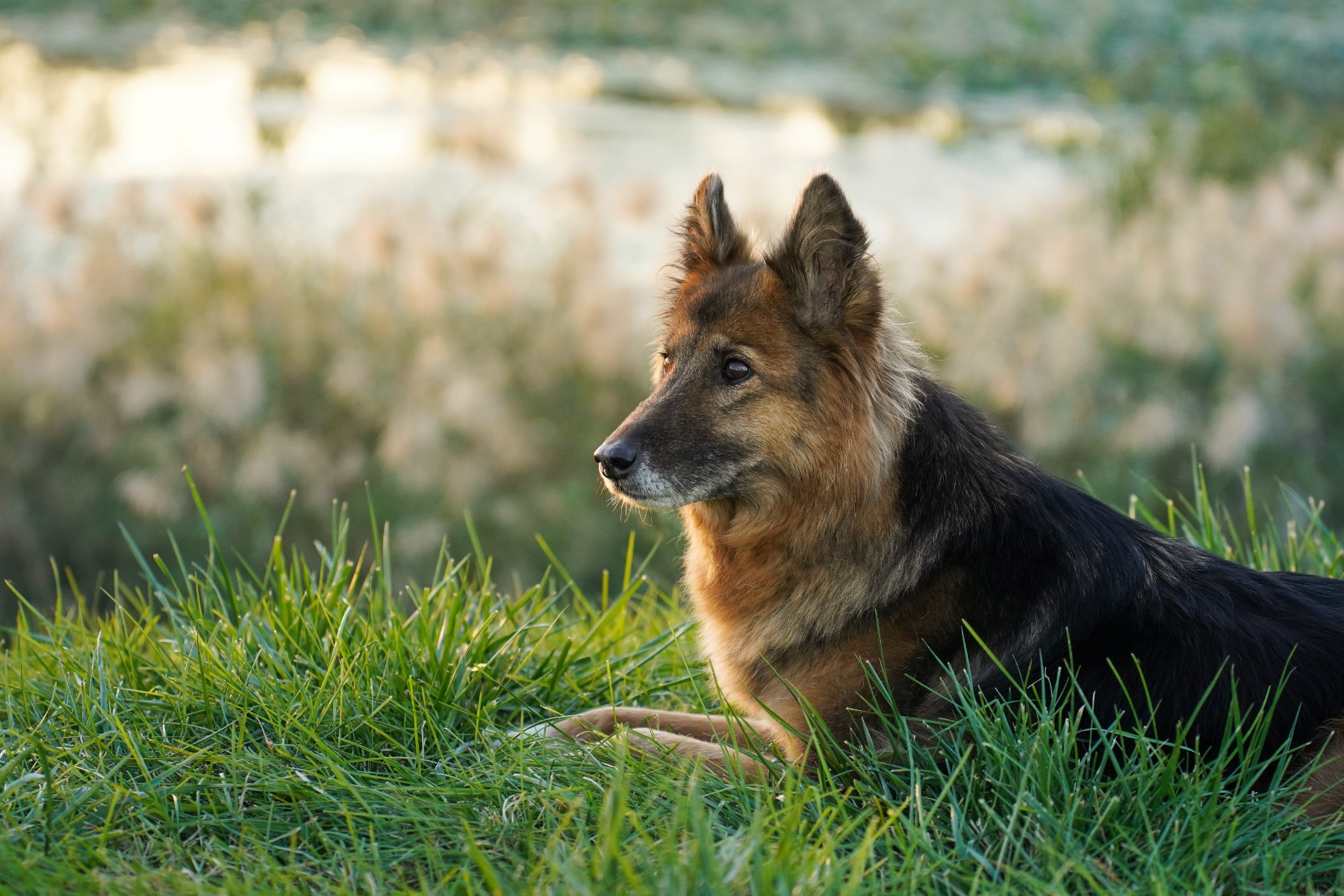
Focal length: 67mm Exposure: F2.8 Shutter Speed: 1/800sec ISO: 800
Open ground gives you backgrounds worth having: a mountain ridge, water, grassland going gold in late summer, the long line of a beach on the KwaZulu-Natal coast. Put the animal in the scene rather than in front of it, raise the shutter speed if they are covering ground, and use burst mode. A telephoto at a wide aperture will melt a distant background into colour and leave the animal standing clear of it.
Back light outdoors is worth seeking out deliberately. Shooting into a low sun with the animal between you and it, then lifting the exposure to recover the face, produces the warmest images you will get all day. Watch the exposure on the face and let the background go bright.
Strong sun is the thing to work around, and it matters more with dark-coated animals than most photographic advice acknowledges. A black dog or a dark tabby under overhead summer sun loses all facial detail — the camera meters for the bright surroundings and the face collapses into a shape. Open shade fixes it, cloud fixes it better, and if you must shoot in full sun, dial in negative exposure compensation and expose for the coat rather than for the scene.
Settings and technique take you a long way, but the lens sets the limits on all of it. Six things to weigh up.
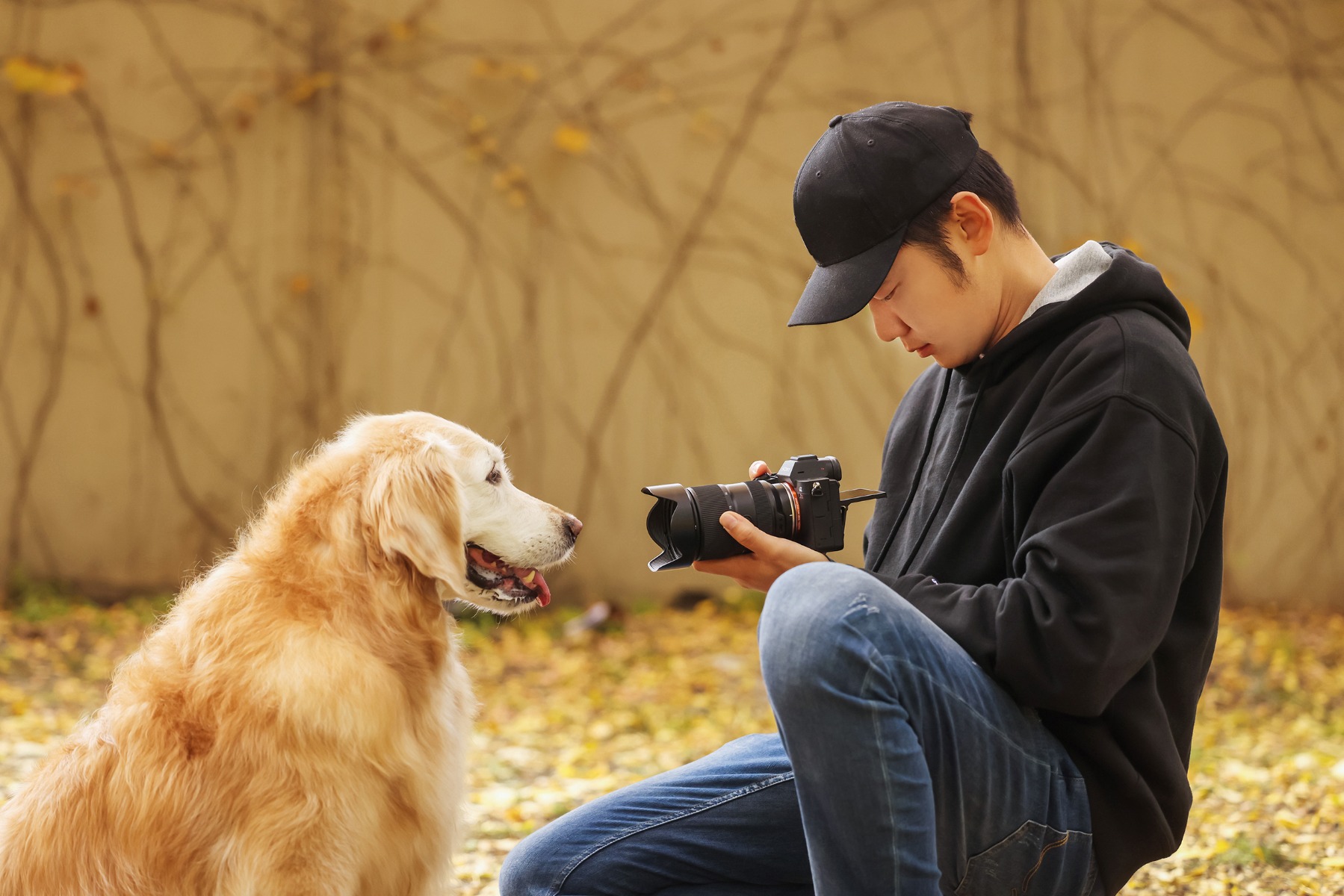
You will be crouching, kneeling, following an animal around a garden and holding the camera at odd heights for longer than is comfortable. A light, compact lens makes that sustainable, and it is the lens you will still have with you on the walk where something worth photographing finally happens. Bulk matters too, when the bag already contains a lead, water and everything else.
Photographing animals pushes you towards fast shutter speeds and into low light more often than most subjects do, and frequently both at once. A large maximum aperture is what gives you room to manoeuvre when that happens. It is also what produces the strong background separation that lifts an animal clear of a cluttered room or a busy garden.
Check how quickly a lens acquires focus and how well it tracks something moving straight towards the camera, which is the hardest case and the one that comes up constantly. Noise is worth checking as well — a lens that whirrs audibly will unsettle a nervous animal and undo the ten minutes you spent getting them calm. Vibration Compensation earns its place at longer focal lengths and in dim rooms, where it buys you a usable frame at shutter speeds that would otherwise be marginal.
Minimum object distance is the closest a lens can focus, measured from the subject to the camera's sensor. A short one lets you work tight: a paw, an eye, the texture of fur at the edge of a face, whiskers against a dark background. It also means the lens you brought for general use can handle the detail shots, instead of you carrying a second one for them.
Maximum magnification ratio describes how large a subject appears at that closest focusing distance. At 0.25x, an object is rendered at a quarter of life size on the sensor. The larger the figure, the more of the frame a small subject fills — which matters for close detail work, and for genuinely small animals, where a modest magnification ratio leaves you with a great deal of empty frame around the subject.
Animals take equipment into conditions it was not designed for: wet sand, dust, a garden caught by a Highveld thunderstorm, and the moment a curious dog decides to lick the front element. TAMRON lenses use moisture-resistant seals through the barrel and at the mount to keep water and dust out, and the fluorine coating on the front element means nose prints and worse wipe away without a fight.
None of this is complicated. Focus on the nearer eye, get the camera down to their height, watch where the light is coming from, and choose an aperture that keeps the whole face sharp rather than simply the widest one available. Then shoot far more than you think you need — the frames worth keeping are the ones where the animal has forgotten you are there, and you cannot arrange those, only wait for them.