| September 18, 2026
 South Africa's #1 Mobile Protection Brand

Whether you are photographing the sweeping plains of the Kruger National Park, capturing the rugged peaks of the Drakensberg, or documenting the vibrant street culture of Johannesburg's Maboneng Precinct, choosing the right lens makes all the difference. South Africa offers an extraordinary diversity of shooting environments, and selecting the correct Canon EF lenses for your Canon camera system is the first step towards capturing those moments with confidence.
Canon EF lenses have long been a trusted choice among South African photographers, from amateur enthusiasts shooting weekends in the bush to professional photographers covering Springbok rugby matches and Cape Town fashion campaigns. With a broad range of models available across various price points and focal lengths, the Canon EF lens system offers remarkable flexibility for any shooting situation.
In this guide, we walk you through everything you need to know to select the right Canon EF lens for your camera body, your subject matter, and the unique conditions of shooting in South Africa. We also cover the differences between the EF mount, EF-S mount, and RF mount, as well as the key distinctions between prime lenses and zoom lenses.
Before choosing a lens, it is important to understand how lenses and camera bodies connect. The lens mount is the mechanical and electronic interface between your camera body and the lens itself. Canon's interchangeable-lens camera range uses three primary mount standards: the EF mount, the EF-S mount, and the RF mount. Knowing which mount your camera uses is the essential starting point for any lens purchase.
The Canon EF mount is the foundation of Canon's DSLR lens ecosystem and has been the standard mount for Canon interchangeable-lens cameras since its introduction in 1987. Canon EF lenses are designed for full-frame and APS-C sensor DSLRs and represent one of the widest and most mature lens selections available from any manufacturer. For South African photographers who have built their kit around Canon DSLRs, the EF mount offers an extensive range of options — from affordable entry-level optics to professional-grade glass used by sports and wildlife photographers in the field.
The EF-S mount is Canon's dedicated lens system for APS-C sensor DSLR cameras. Lenses designed for the EF-S mount are engineered specifically for the smaller APS-C sensor size, resulting in more compact and lightweight optics. This makes EF-S lenses particularly practical for photographers who spend long days on their feet — whether hiking the Drakensberg trails with a camera bag or moving through the crowds at a Durban street festival. It is important to note that EF-S lenses cannot be used on full-frame Canon bodies without risk of damage.
The RF mount is Canon's lens system developed for their mirrorless interchangeable-lens cameras. Because mirrorless cameras eliminate the mirror box found in traditional DSLRs, the distance between the lens mount and the sensor (known as the flange back distance) is significantly shorter. This engineering advantage gives lens designers considerably more freedom, enabling larger apertures, improved optical performance, and more compact form factors. As mirrorless adoption continues to grow among South African photographers, the RF mount ecosystem is rapidly expanding.
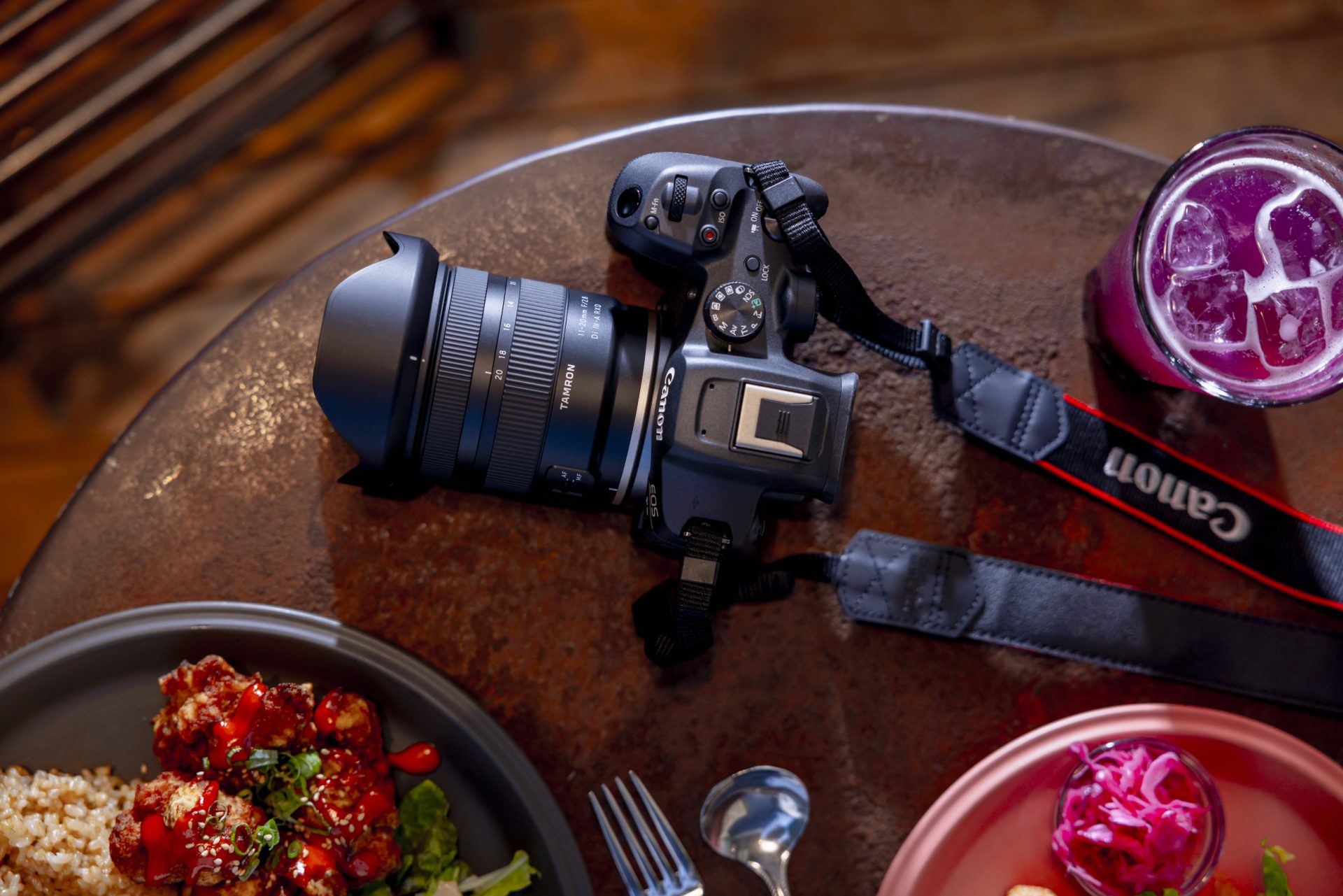
As a general rule, you should always match your lens to the mount standard of your camera body. That said, Canon EF lenses can be used on RF mount mirrorless bodies through Canon's EF-to-RF mount adapter, which is a popular option among South African photographers upgrading from a DSLR to a mirrorless system. This allows you to continue getting value from your existing Canon EF lens collection while transitioning to a new camera body.
When using an adapter, it is worth noting that certain functions and performance characteristics may be limited depending on the specific lens and adapter combination. Always check compatibility before shooting, particularly in demanding situations such as wildlife tracking or fast-paced sports coverage.
With such a wide variety of Canon EF lenses available — both from Canon directly and from trusted third-party manufacturers — the selection process can feel overwhelming, especially for photographers who are new to interchangeable-lens systems. The following criteria will help you narrow down your options and find the lens that best suits your needs.
Compatibility is the first and most non-negotiable consideration when selecting any lens. Canon's DSLR range includes both full-frame and APS-C sensor bodies, and while Canon EF lenses are designed to cover the full-frame image circle, EF-S lenses are designed exclusively for the smaller APS-C sensor.
If you shoot with an APS-C Canon body — such as the Canon 90D or Canon 850D, which are popular choices among South African enthusiasts — a Canon EF lens mounted on your camera will apply a crop factor of approximately 1.6x. This means a 100mm EF lens will behave like a 160mm equivalent, which can actually be advantageous when photographing wildlife in Kruger or Addo Elephant National Park, effectively giving your telephoto reach a meaningful boost without additional cost.
When purchasing Canon EF lenses locally — whether new from an authorised South African retailer or second-hand from the used gear market — always confirm that the mount and sensor size are compatible with your specific camera body before completing the purchase.
Canon EF lenses fall into two broad categories: prime lenses (fixed focal length) and zoom lenses (variable focal length). Each has its strengths, and understanding the difference will help you build a more purposeful lens kit.
Prime lenses typically offer a wider maximum aperture, meaning they can gather more light and produce a shallower depth of field with smoother background blur. This makes them well suited to shooting in low-light environments — think Cape Town jazz venues, dimly lit restaurant interiors, or the warm, fading light of a Highveld sunset. Prime lenses also tend to deliver exceptional sharpness and image quality, making them a favourite for portrait photographers working in Johannesburg and Cape Town's commercial photography scene.
Zoom lenses, on the other hand, offer the flexibility to change your focal length on the fly — an enormous advantage when you cannot physically move closer to or further from your subject. On a game drive in the Sabi Sands or Addo, where your vehicle must remain stationary and animals move unpredictably, a zoom lens allows you to reframe your composition instantly. Many modern Canon EF zoom lenses deliver outstanding optical quality that rivals prime lenses, making them an exceptionally practical choice for South African travel, wildlife, and sports photography.
Lenses are broadly categorised by focal length into three groups: wide-angle (approximately 35mm or less), standard (approximately 50mm), and telephoto (approximately 80mm and above). Each focal length produces a distinct visual character, and matching the right focal length to your subject is one of the most impactful creative decisions you can make.

Wide-angle Canon EF lenses have a broad field of view, allowing you to capture sweeping scenes in a single frame. Their naturally deep depth of field makes it easy to render an entire scene in sharp focus, from foreground to background. Wide-angle lenses also emphasise perspective, making the distance between near and far elements feel more dramatic and expansive.
In South Africa, wide-angle lenses are an essential tool for landscape photography — particularly for capturing the vast open spaces of the Namaqualand wildflower fields during spring, the dramatic panoramas of the Drakensberg, and the rocky coastal scenery along the Cape Peninsula. Beyond landscapes, wide-angle lenses are also used effectively for environmental portraiture, where the story of a place is as important as the person being photographed — such as street portraits taken in Soweto or the brightly painted facades of Bo-Kaap in Cape Town. Lenses with a focal length of approximately 20mm or less are classified as ultra-wide-angle and offer an even more immersive, expansive perspective.

A standard lens — typically around 50mm on a full-frame body — produces an angle of view that closely mirrors natural human vision. The result is images that feel honest, immediate, and intimate, without the exaggerated perspective of a wide-angle or the flattening compression of a telephoto.
Standard Canon EF lenses are exceptionally versatile and well suited to documentary-style photography, everyday street shooting, and lifestyle content. In South Africa, they are ideal for capturing the energy of a Saturday morning at the Neighbourgoods Market in Braamfontein, the colour and texture of a Cape Malay spread at a family gathering, or authentic moments at cultural events across KwaZulu-Natal. For photographers who want a single, do-it-all lens for exploring South African urban and suburban life, a standard lens is often the natural starting point.
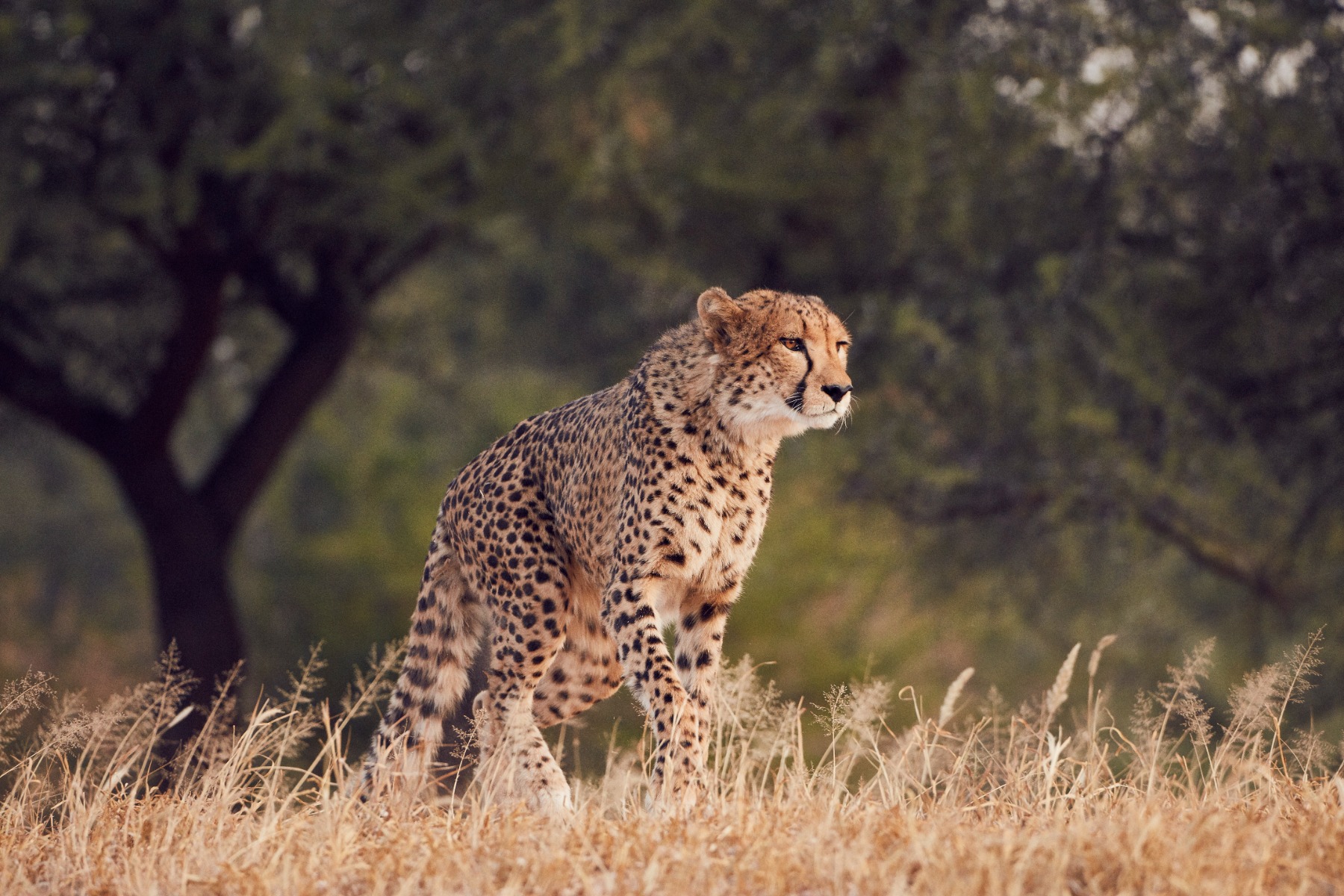
Telephoto Canon EF lenses allow you to photograph subjects from a significant distance, compressing the apparent space between elements in the frame and isolating your subject against a softly blurred background. These characteristics make telephoto lenses indispensable across a wide range of South African photography disciplines.
For wildlife photography — one of the most popular genres among South African photographers — telephoto lenses are simply non-negotiable. In the Kruger National Park, Hluhluwe-iMfolozi, or the private reserves of the Greater Kruger, the ability to fill the frame with a lion, leopard, or elephant from a safe distance is only possible with a telephoto or super-telephoto lens. Similarly, photographing Fish Eagles over the Vaal Dam, flamingos wading in the shallows at Walvis Bay, or the African Penguin colonies at Boulders Beach near Simon's Town all demand substantial focal length reach.
Telephoto lenses are equally valuable for sports photography. Capturing a Springbok winger breaking through the defensive line at Loftus Versfeld, a Proteas batsman driving through the covers at Newlands Cricket Ground, or a Bafana Bafana striker in full flight requires fast autofocus and a long focal length to isolate the action from the crowd. Canon EF lenses with focal lengths of 300mm or more are considered super-telephoto and are the tool of choice for professional sports and wildlife photographers across the country.
The compression effect produced by telephoto lenses also opens up creative possibilities beyond wildlife and sport — photographing the dense rows of baobab trees on the Limpopo plains or using the Johannesburg skyline as a compressed backdrop for an urban portrait are just two examples of how this optical characteristic can elevate your imagery.
The weight and physical size of a lens have a very real impact on how often and how effectively you use it. South African photography frequently involves extended time in the field — long game drives that begin before sunrise, full-day hikes along the Drakensberg Amphitheatre, or an entire day of match coverage at a cricket stadium. In these conditions, a lighter and more compact lens is not just a convenience — it is a genuine advantage.
A lighter Canon EF lens reduces fatigue in your arms and shoulders over the course of a long shooting day, particularly important when shooting handheld in warm conditions. It also makes it easier to hold the camera steady, minimising the risk of camera shake — especially relevant when shooting in bright African light at slower shutter speeds or in the golden hour. Beyond endurance, a lighter lens allows you to raise the camera and shoot more quickly when an unexpected moment presents itself — something every wildlife and sports photographer knows can make the difference between capturing or missing the decisive shot.
The maximum aperture of a lens — expressed as its minimum f-number (for example, f/1.8 or f/2.8) — determines how much light the lens can gather when its aperture is fully open. A lens with a smaller maximum f-number is described as a "fast" lens, and offers several practical advantages for South African photographers.
A wide maximum aperture allows you to shoot at faster shutter speeds in low-light conditions, which is particularly valuable for evening events such as the Cape Town International Jazz Festival, outdoor night markets in Johannesburg, or after-dark game drives at private lodges where artificial lighting is minimal. A wide aperture also produces a shallower depth of field, rendering backgrounds as smooth, creamy blur — a quality that portrait photographers working along the Garden Route or at the V&A Waterfront frequently use to separate subjects from busy backgrounds and create a polished, professional result.
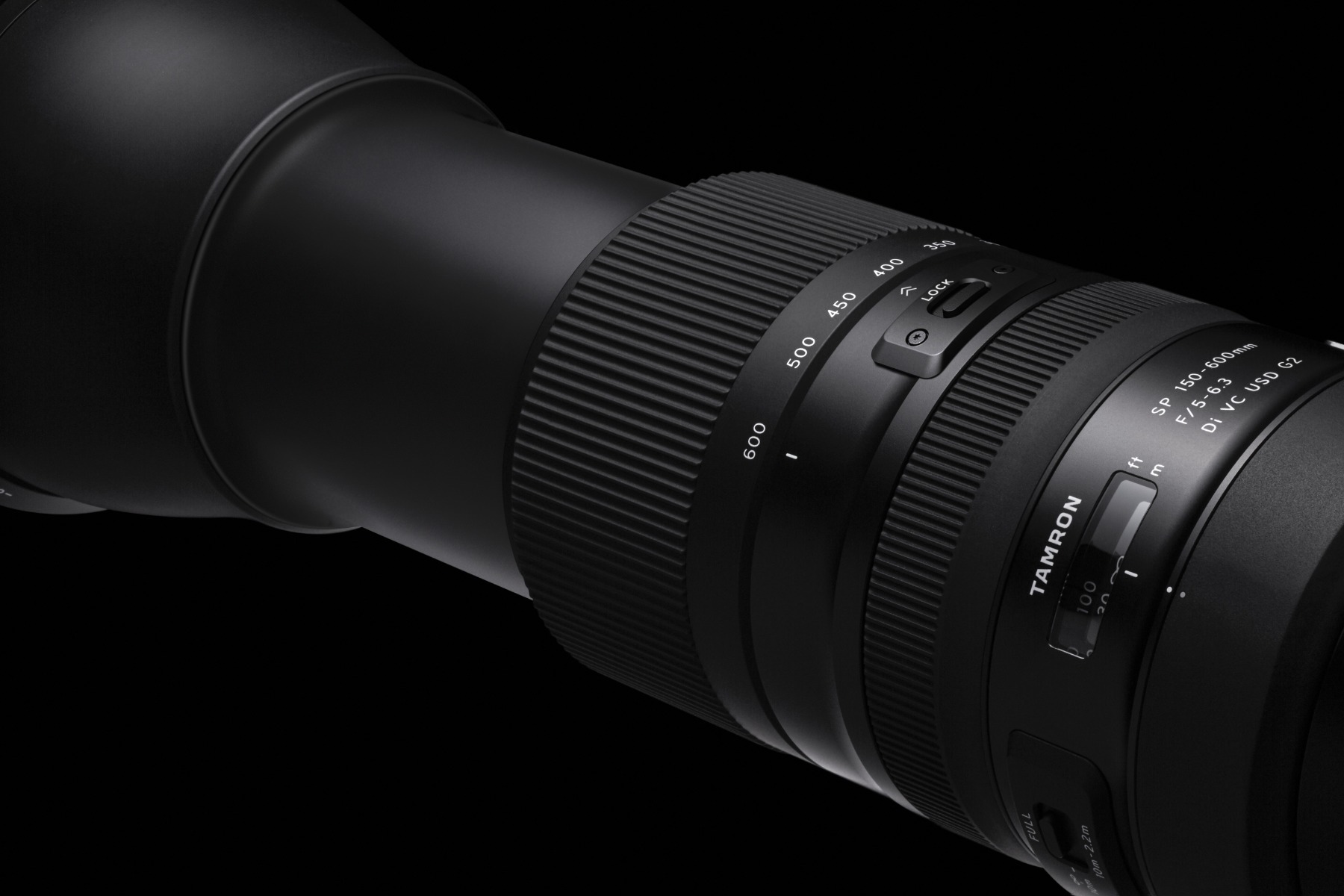
Beyond the technical specifications, how a lens feels and handles in practical use is an important consideration. Depending on your shooting scenario, you may need to switch between autofocus and manual focus quickly — for example, at a wildlife hide where you want precise control over your focus point, or during a fast-moving rugby match at Loftus Versfeld where you need seamless AF tracking without accidental mode changes.
For zoom lenses, pay attention to whether the lens barrel extends physically when zooming, and whether the lens features a zoom lock mechanism. A zoom lock is particularly valuable when carrying Canon EF lenses on bumpy game drive vehicles in the bush or on mountain trails, preventing the barrel from creeping unintentionally. Wherever possible, handle a lens before purchasing — the feel of the zoom and focus rings in your hands will tell you a great deal about whether a lens suits your shooting workflow. Panning shots of the Gautrain at speed or tracking freight trains across the Highveld are also excellent ways to test a zoom lens's operational smoothness in real shooting conditions.
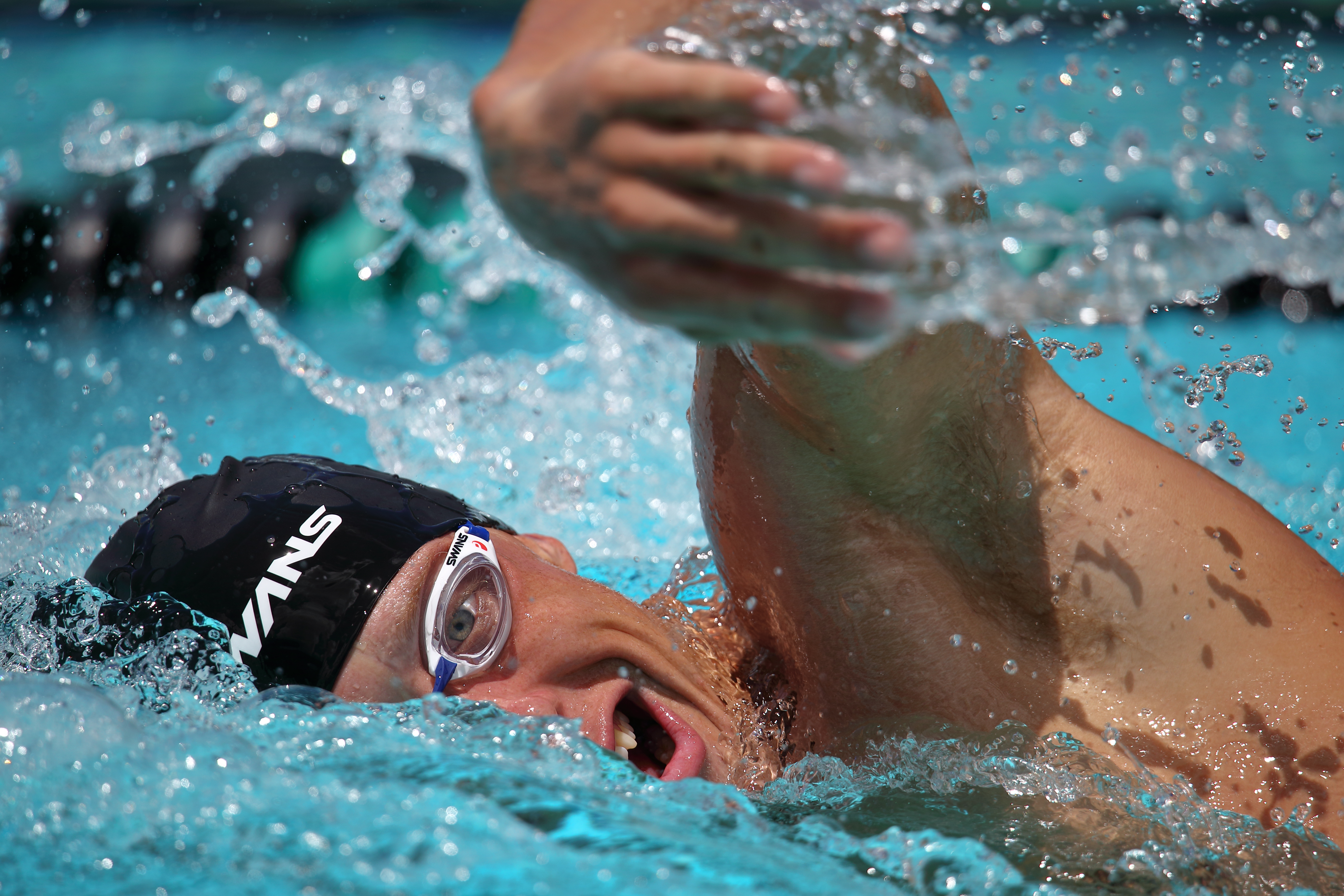
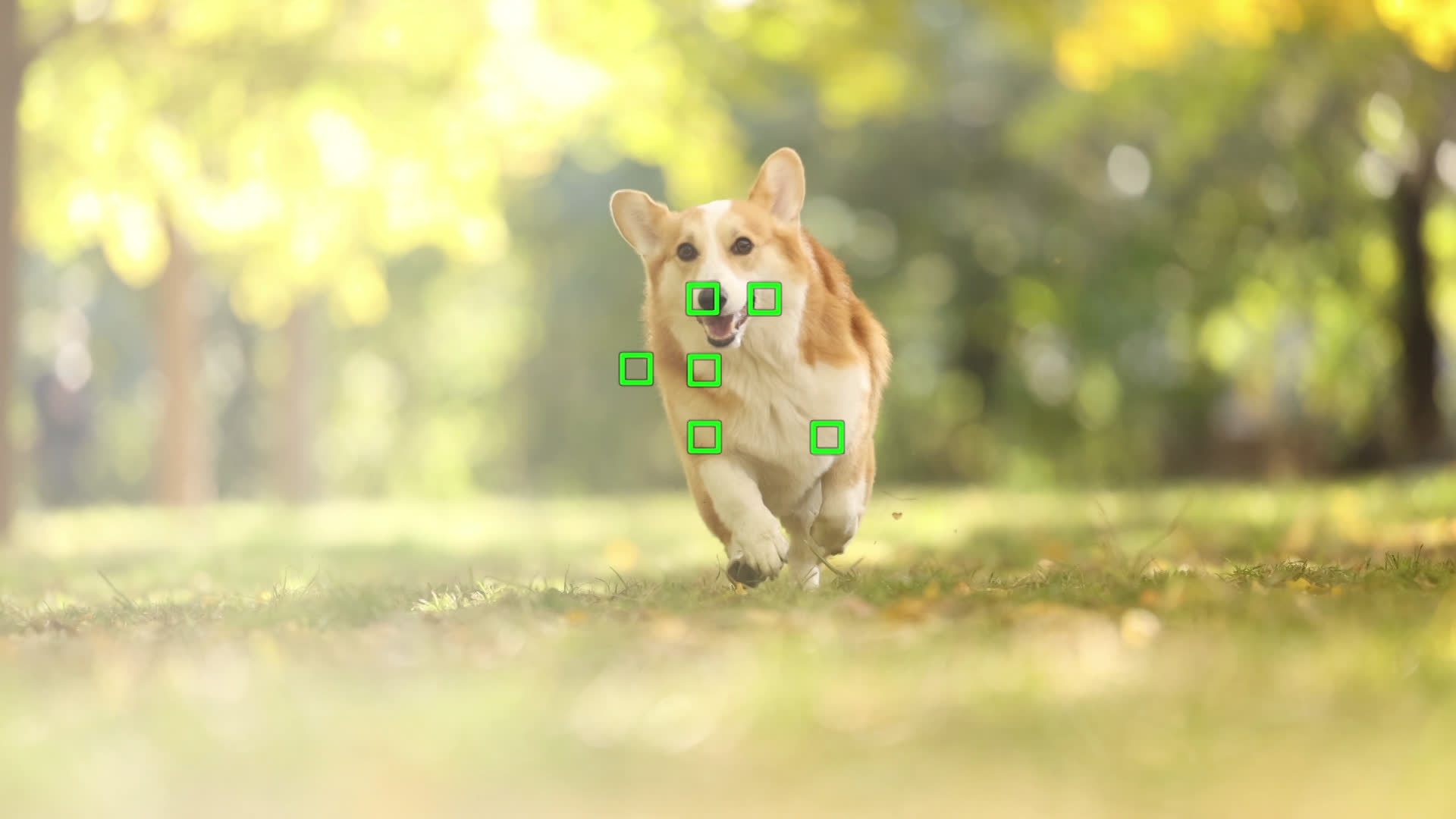
Not all Canon EF lenses focus at the same speed or with the same degree of precision. Autofocus performance varies significantly between models, and it is one of the most important factors to consider if your photography involves fast-moving subjects — which describes a large proportion of the most exciting photography opportunities in South Africa.
For wildlife photographers in the Kruger, the ability to lock focus on a cheetah at full sprint, track a diving Fish Eagle, or follow a herd of buffalo moving through the bush requires a lens with fast, accurate, and reliable autofocus tracking. The same demands apply to sports photography: capturing a Springbok breakaway try, freezing a Proteas fielder diving to take a catch, or following the movement of a Bafana Bafana striker requires a lens that can keep up with the action without hunting or losing lock.
If you also shoot video — increasingly common among South African content creators and social media photographers — quiet autofocus motor performance becomes an additional consideration. For wedding videography, corporate event filming, or live performances at venues such as the Joburg Theatre or the Grand Arena in Cape Town, a loud AF motor can be disruptive and detract from the final recorded audio.
Canon's in-lens image stabilisation (IS) system compensates for camera shake during handheld shooting, and it is a feature well worth considering for South African photographers who frequently work in challenging conditions. Image stabilisation is particularly valuable when shooting with telephoto Canon EF lenses at slow shutter speeds, or in situations where using a tripod is impractical.
On a game drive in the Sabi Sands or Madikwe, where the vehicle is idling and you need to shoot handheld at long focal lengths, image stabilisation can be the difference between a sharp image and a blurry one. It is equally useful when shooting along the Cape Peninsula coastline in strong south-easterly winds, or in the wide-open Karoo landscape where there is little to brace against. If your Canon EF lens allows you to adjust the degree of stabilisation, you can also tailor it for specific creative techniques — such as panning shots of cheetahs at full sprint in a private reserve, or tracking the Gautrain as it enters a station at speed.

The minimum focus distance of a lens defines how close you can position yourself to a subject while still achieving sharp focus. A lens with a short minimum focus distance opens up the world of close-up and macro photography — a genre that South Africa's extraordinary biodiversity makes particularly rewarding.
South Africa is home to the Cape Floristic Region, one of the world's six plant kingdoms, offering macro photographers an almost endless subject list: the intricate forms of proteas, leucadendrons, and restio fynbos; the structural geometry of aloes in the Eastern Cape; and the remarkable insect life of the Karoo desert. A Canon EF lens with a short minimum focus distance allows you to reveal details invisible to the naked eye, bringing texture, pattern, and colour to the foreground of your images in a way that standard focal lengths cannot.
A short minimum focus distance is also highly practical for food and product photography. Whether photographing a richly spiced Cape Malay curry, a generously loaded braai platter, or artisan produce at a Johannesburg farmers' market, the ability to move close to your subject and fill the frame with detail adds depth and appeal to your compositions — an important consideration for South African photographers working in commercial, culinary, or lifestyle photography.
South Africa is one of the most visually rich countries in the world — from the pristine wilderness of its national parks to the dynamic energy of its cities, from the extraordinary flora of the Cape to the dramatic sporting arenas where national teams make history. For photographers based here, choosing the right Canon EF lenses is about more than technical specifications; it is about equipping yourself to do justice to the remarkable subjects and scenes this country offers.
By considering mount compatibility, focal length, aperture, autofocus performance, weight, and image stabilisation in the context of your own shooting environments and creative goals, you can build a Canon EF lens kit that serves you across every genre and every location South Africa has to offer. Whether you are just starting out or looking to expand an existing collection, the wide availability of Canon EF lenses through authorised South African distributors means there is a well-suited option at every level of investment.
Use the criteria outlined in this guide as your framework, and you will be well placed to make a confident, informed decision that supports your photography for years to come.