| September 18, 2026
 South Africa's #1 Mobile Protection Brand
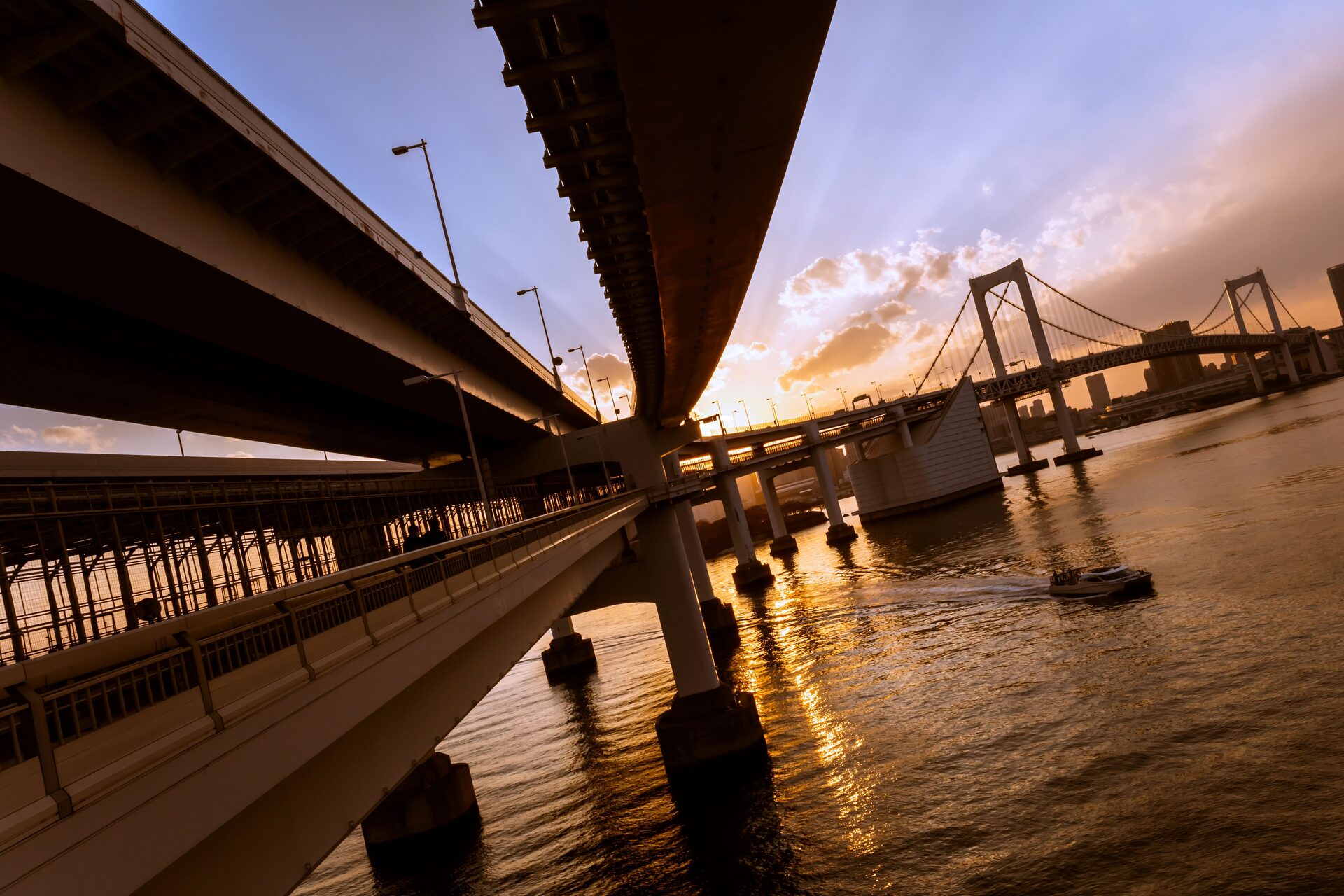
Wide-angle photography opens up creative possibilities that standard lenses often cannot achieve. Whether you are capturing the dramatic cliffs of Cape Point, the vibrant streets of Bo-Kaap, or the endless night skies of the Karoo, a wide-angle lens helps you fit more of the scene into a single frame while adding depth and visual impact.
For travel photographers, landscape enthusiasts, and content creators across South Africa, a wide-angle lens is one of the most versatile tools you can carry. From safari adventures in Kruger National Park to urban photography in Johannesburg and Cape Town, these lenses allow photographers to create immersive and dynamic images.
In this guide, we will explain what a wide-angle lens is, how it works, when to use it, and how to choose the right one for your photography style.
A wide-angle lens is designed to capture a broader field of view than a standard lens. In general, lenses with a focal length of 35mm or shorter are considered wide-angle lenses.
Because they capture more of a scene, wide-angle lenses are especially useful for photographing landscapes, architecture, interiors, and travel destinations. They are also popular for creative compositions that emphasize perspective and depth.
In South Africa, wide-angle lenses are ideal for photographing expansive natural scenery such as the Drakensberg Mountains, the Garden Route coastline, and open safari landscapes where space and scale play an important role in storytelling.
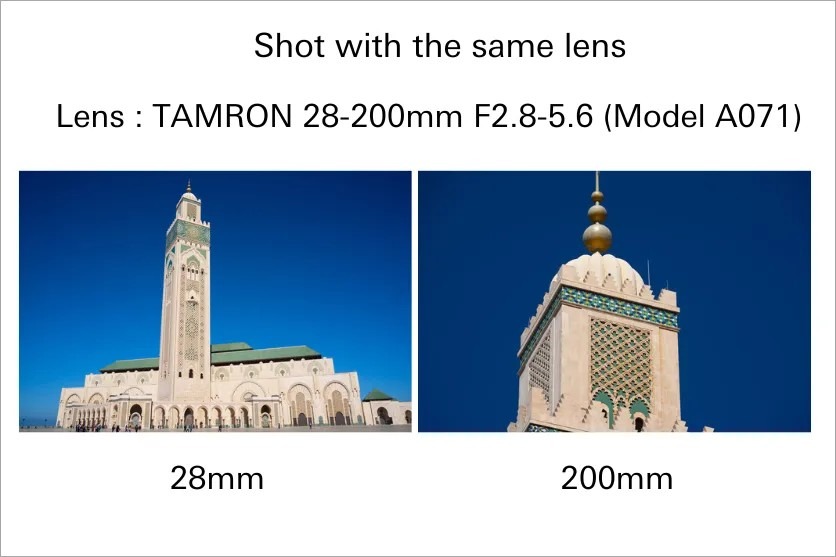
The shorter the focal length, the wider the angle of view. This means you can include more elements in your composition without stepping further back.
Ultra-wide-angle lenses usually range from around 10mm to 20mm, while standard wide-angle lenses often fall between 24mm and 35mm.
For example, when photographing Table Mountain from a scenic viewpoint in Cape Town, a wide-angle lens allows you to capture both the mountain and the surrounding cityscape in one frame.
Wide-angle lenses are also useful for sports and event photography. If you are photographing a rugby match or cricket stadium from close range, the wider field of view helps capture the atmosphere of the crowd and the scale of the venue.
One of the defining characteristics of a wide-angle lens is its naturally deep depth of field. This means more of the scene appears sharp from foreground to background.
Landscape photographers often use this feature to create detailed images where nearby rocks, plants, or pathways remain sharp while distant mountains and skies also stay in focus.
This is particularly effective when photographing South African scenery such as:
The rocky coastline along the Cape Peninsula
Hiking trails in the Drakensberg
The colorful flower fields of Namaqualand
Sunset views along the Garden Route
A deep depth of field helps create immersive landscape images that draw viewers into the scene.
Wide-angle lenses do more than simply fit more into the frame. They also exaggerate perspective, making nearby objects appear larger while distant subjects appear smaller.
When used creatively, this effect can add energy, drama, and depth to your photographs.
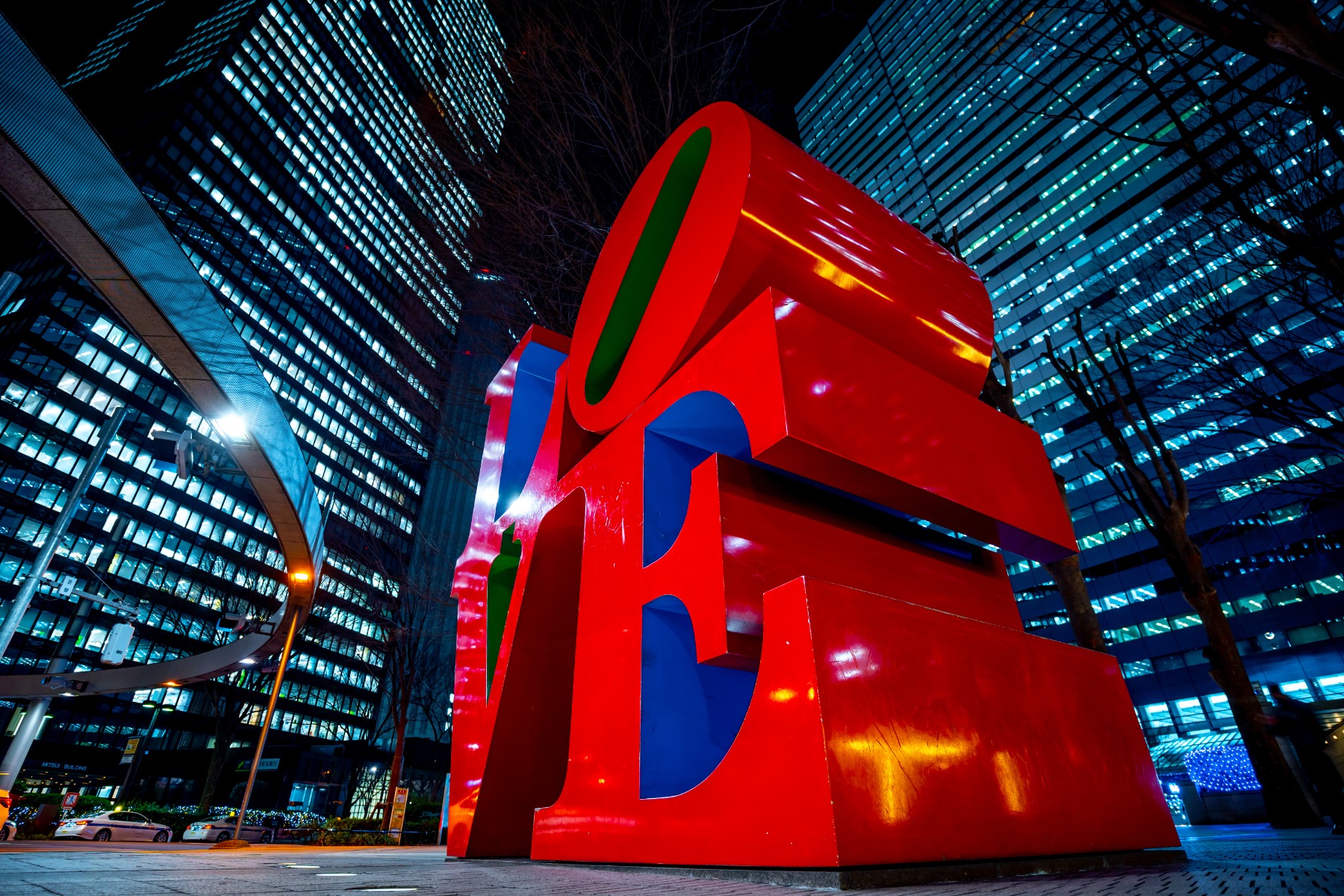
Perspective is one of the biggest creative advantages of wide-angle photography.
For example, if you photograph a hiking trail in the Drakensberg with rocks or flowers in the foreground, those elements will appear larger and more prominent while the distant mountains stretch dramatically into the background.
This technique creates a stronger sense of scale and depth.
In street photography, placing yourself closer to the subject can also create more immersive images. Capturing the colorful houses of Bo-Kaap or busy city scenes in Johannesburg with a wide-angle lens allows viewers to feel as though they are standing inside the environment.
To maximize perspective:
Get close to foreground subjects
Use leading lines such as roads or pathways
Shoot from lower angles
Include layered elements in the frame
These techniques help produce visually dynamic compositions.
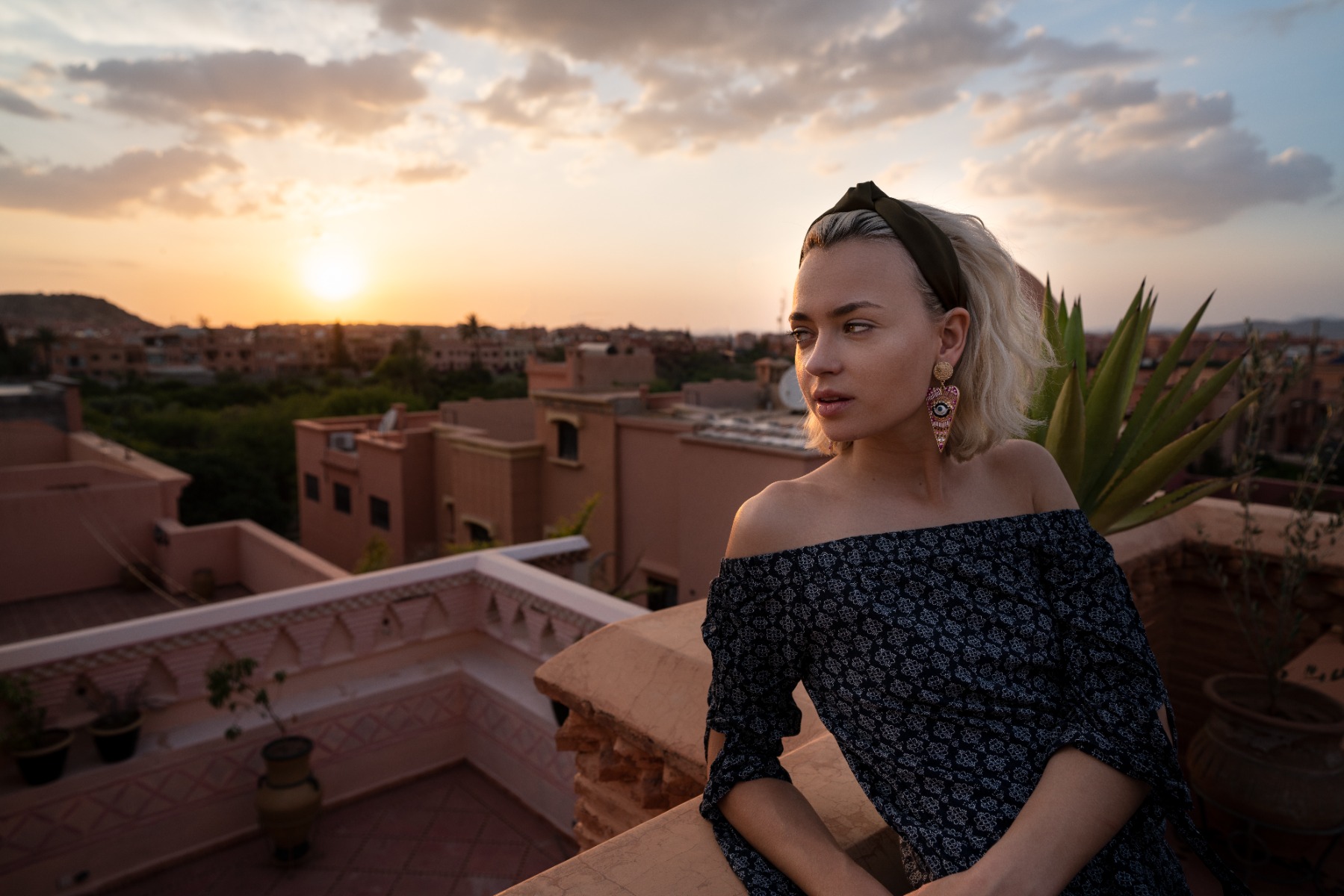
Wide-angle lenses can sometimes distort subjects near the edges of the frame. Straight lines may appear curved, and people positioned too close to the edge can look stretched unnaturally.
This is especially noticeable in architectural photography and portraits.
When photographing Cape Dutch buildings, city skylines, or interior spaces, try to keep important vertical lines centered in the frame. Many cameras and editing programs also include lens correction tools that help reduce distortion.
For portraits, avoid placing faces too close to the corners of the image unless you intentionally want a creative effect.
Understanding distortion allows you to use wide-angle lenses more effectively while maintaining natural-looking compositions.
Wide-angle lenses are highly versatile and perform well across many photography styles. Their ability to capture expansive environments makes them particularly suited to South Africa’s diverse landscapes and travel destinations.
South Africa offers countless opportunities for landscape photography.
A wide-angle lens is perfect for capturing:
Table Mountain at sunrise
Coastal scenery along the Garden Route
The vast plains of the Karoo
Namaqualand during flower season
Waterfalls and hiking trails in the Drakensberg
Including foreground details such as rocks, plants, or pathways helps create depth and scale within the image.
Wide-angle compositions also work well during golden hour, when soft sunlight enhances textures and colors across large landscapes.
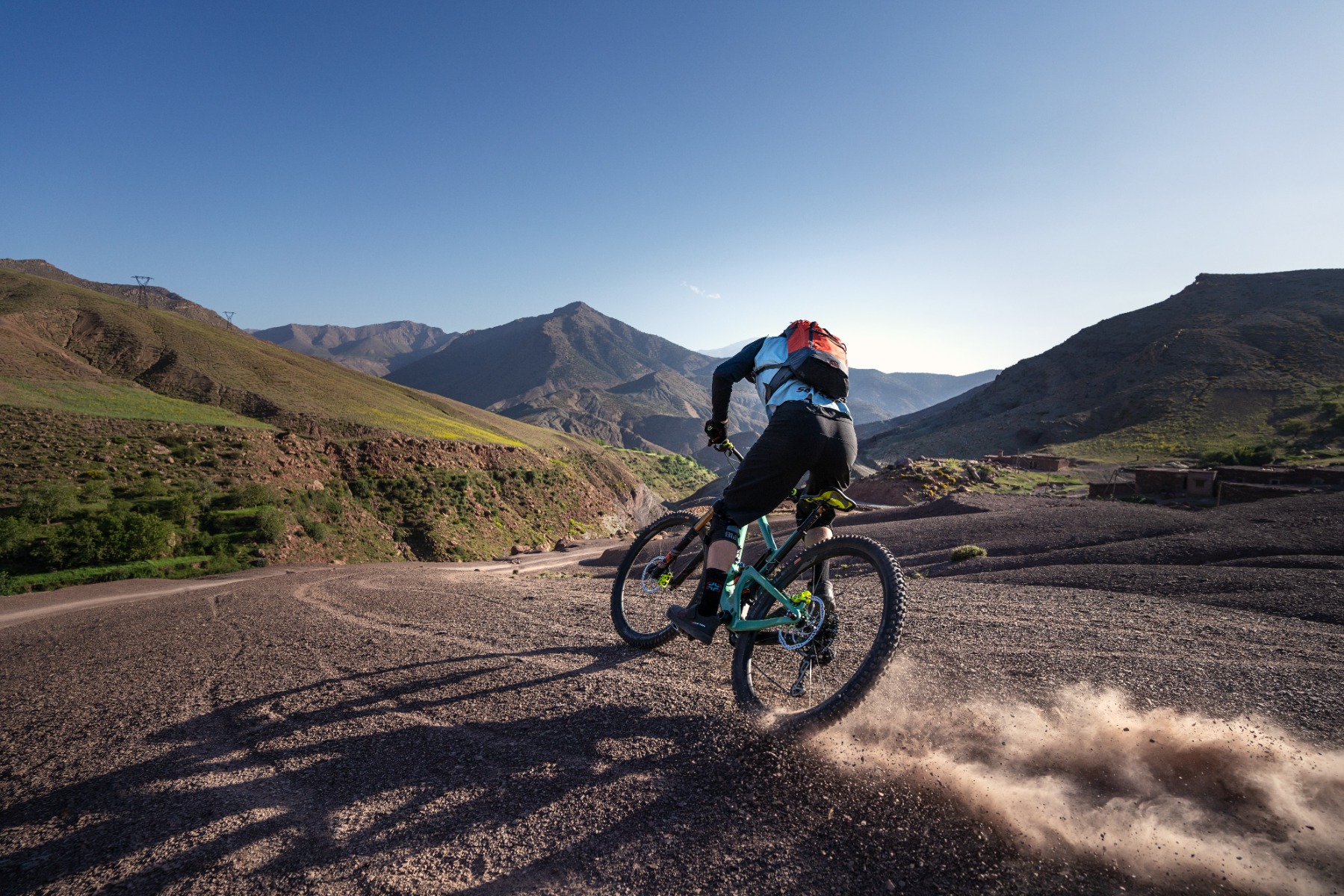
Wide-angle lenses are popular for astrophotography because they capture large portions of the night sky while allowing longer exposures before star trails become visible.
The Karoo and Sutherland are internationally recognized for their dark skies, making them excellent locations for photographing the Milky Way.
A wide-angle lens allows you to include both the night sky and foreground scenery such as desert landscapes, trees, or rock formations.
For astrophotography:
Use a tripod
Shoot with a wide aperture
Choose locations with minimal light pollution
Use manual focus for sharper stars
Combining expansive skies with dramatic foregrounds creates powerful nighttime images.
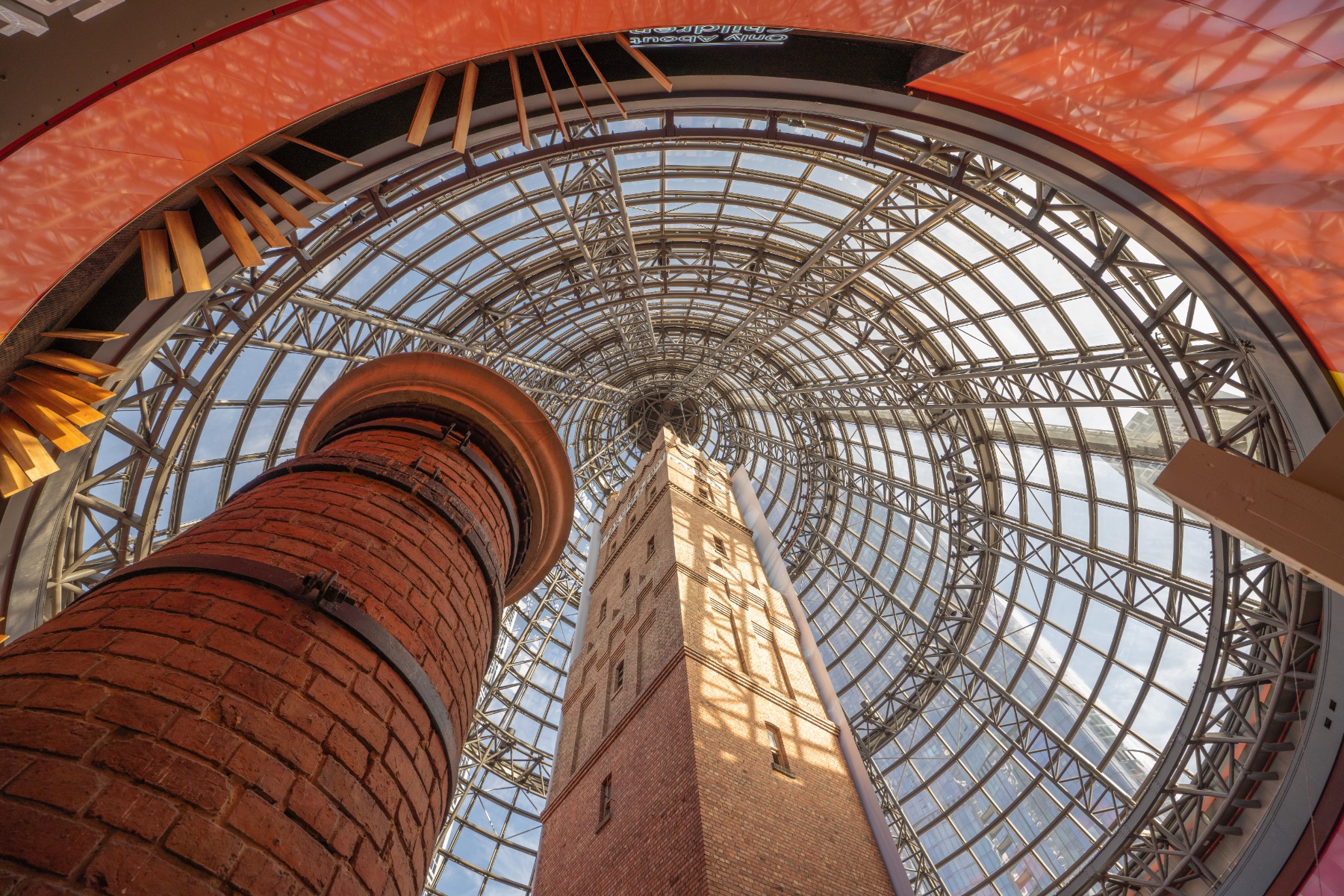
Wide-angle lenses are extremely useful in tight indoor spaces where stepping backward is not possible.
Photographers often use them when shooting:
Boutique hotels
Restaurants and cafés
Art galleries
Modern apartments
Wine estates
In architecture photography, a wide-angle lens helps emphasize space, symmetry, and depth.
Whether photographing contemporary buildings in Sandton or historic Cape Dutch architecture in Stellenbosch, wide-angle compositions help capture the atmosphere and design of the environment.
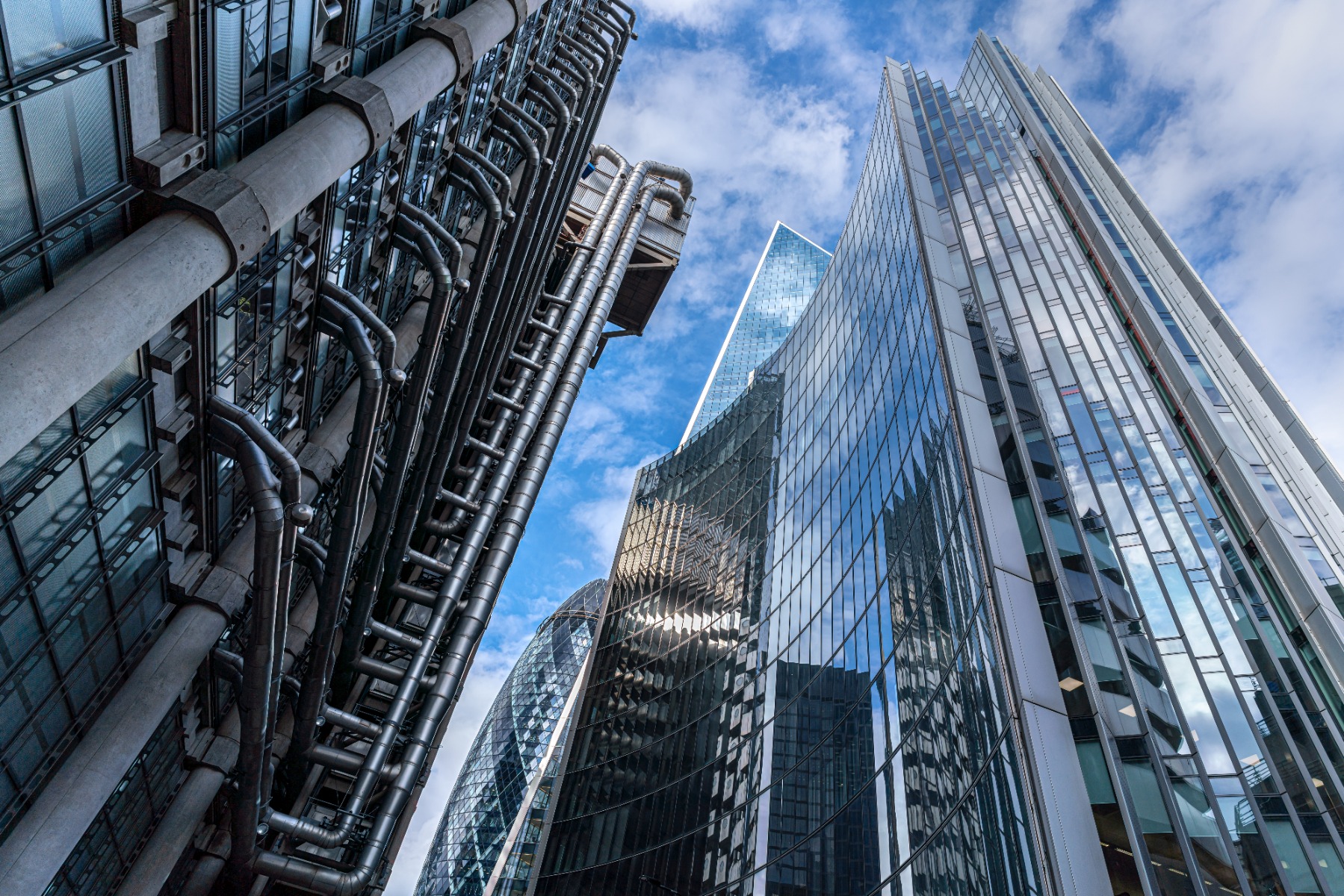
Street photography becomes more immersive with a wide-angle lens.
Instead of isolating subjects, wide-angle compositions allow photographers to include the surrounding environment as part of the story.
Popular South African street photography locations include:
Bo-Kaap in Cape Town
Long Street nightlife
Durban beachfront promenades
Johannesburg markets and urban spaces
A wide-angle lens allows photographers to showcase both people and place simultaneously.
This style works especially well for travel photography and documentary storytelling.
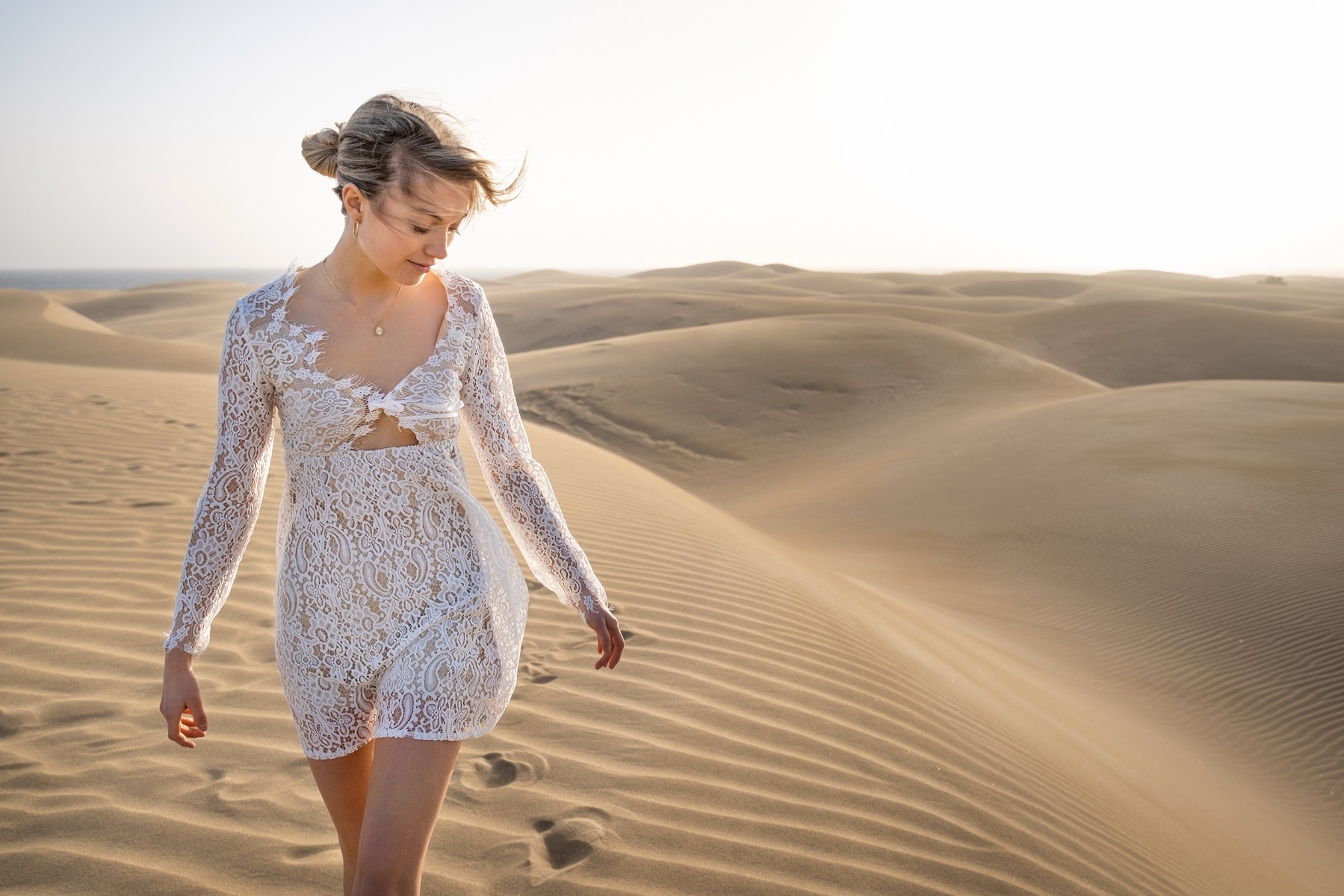
Wide-angle lenses can also be used for portraits when the environment is an important part of the image.
For example:
Beach portraits in Camps Bay
Vineyard portraits in Stellenbosch
Adventure portraits on hiking trails
Lifestyle travel photography along the coast
Instead of focusing only on the subject’s face, environmental portraits show the person within a larger setting.
To avoid distortion, keep a comfortable distance from the subject while allowing the environment to fill the frame naturally.
Choosing the best wide-angle lens depends on your shooting style, travel habits, and camera system.
Understanding focal length, aperture, portability, and stabilization can help you select a lens that matches your photography needs.
Different focal lengths create different visual effects.
Ultra-wide lenses capture dramatic perspectives and expansive scenery, while moderate wide-angle lenses provide more natural compositions.
A wide aperture is also important for:
Astrophotography
Indoor photography
Low-light city scenes
Sunset landscapes
Photographers shooting night skies in the Karoo or handheld city photography after sunset may benefit from brighter lenses with larger maximum apertures.
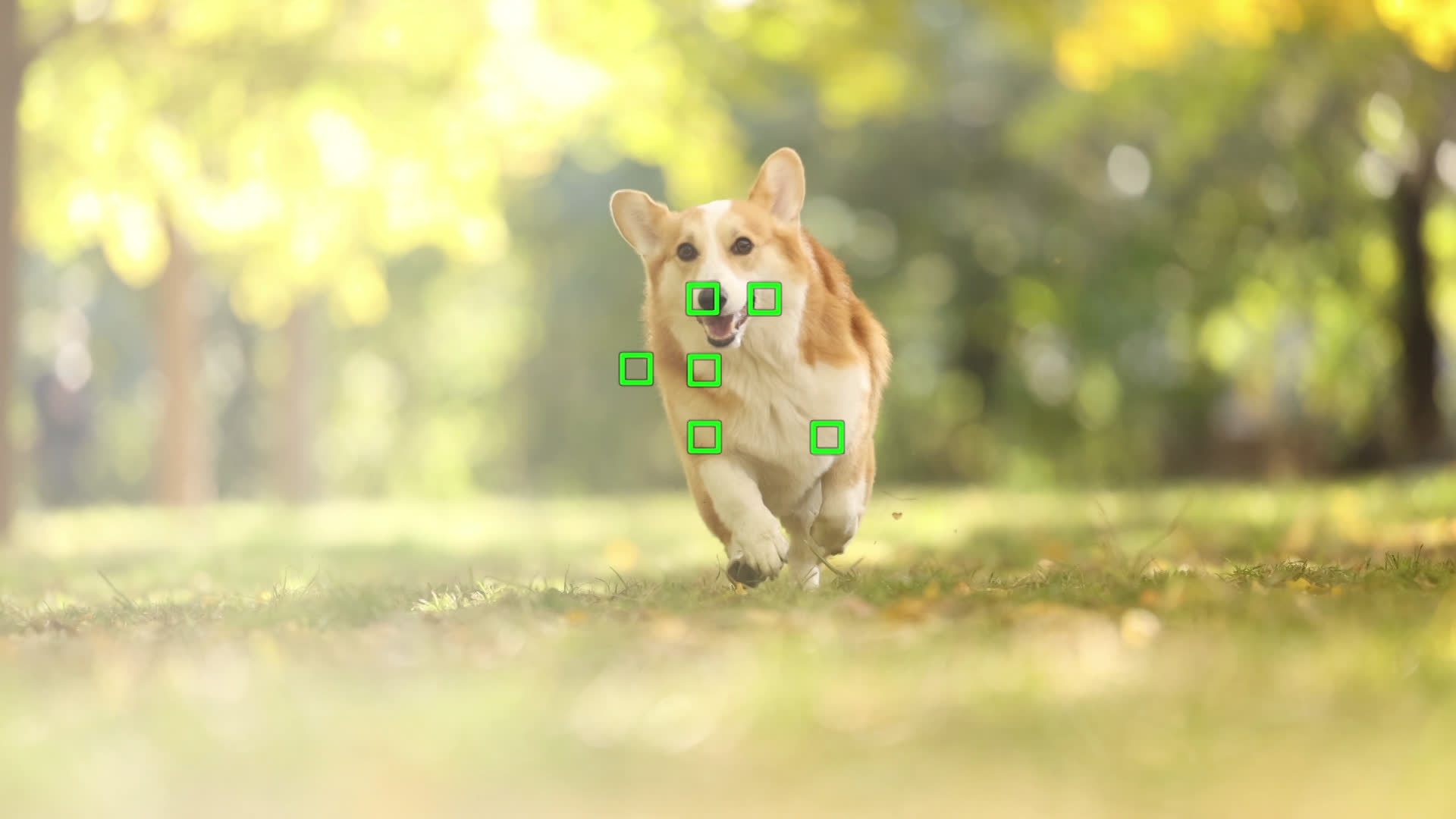
Fast autofocus is useful when photographing moving subjects, travel scenes, or handheld street photography.
Vibration Compensation (VC) or image stabilization also helps reduce blur during handheld shooting.
This becomes especially valuable during:
Night photography
Travel photography
Indoor shooting
Hiking and adventure photography
Image stabilization allows photographers to shoot more confidently without relying entirely on a tripod.
Travel photographers often prefer lightweight lenses that are easy to carry for long periods.
Compact wide-angle lenses are ideal for:
Road trips along the Garden Route
Safari travel
Hiking adventures
City exploration
Smaller lenses also attract less attention during street photography and make handheld shooting more comfortable.
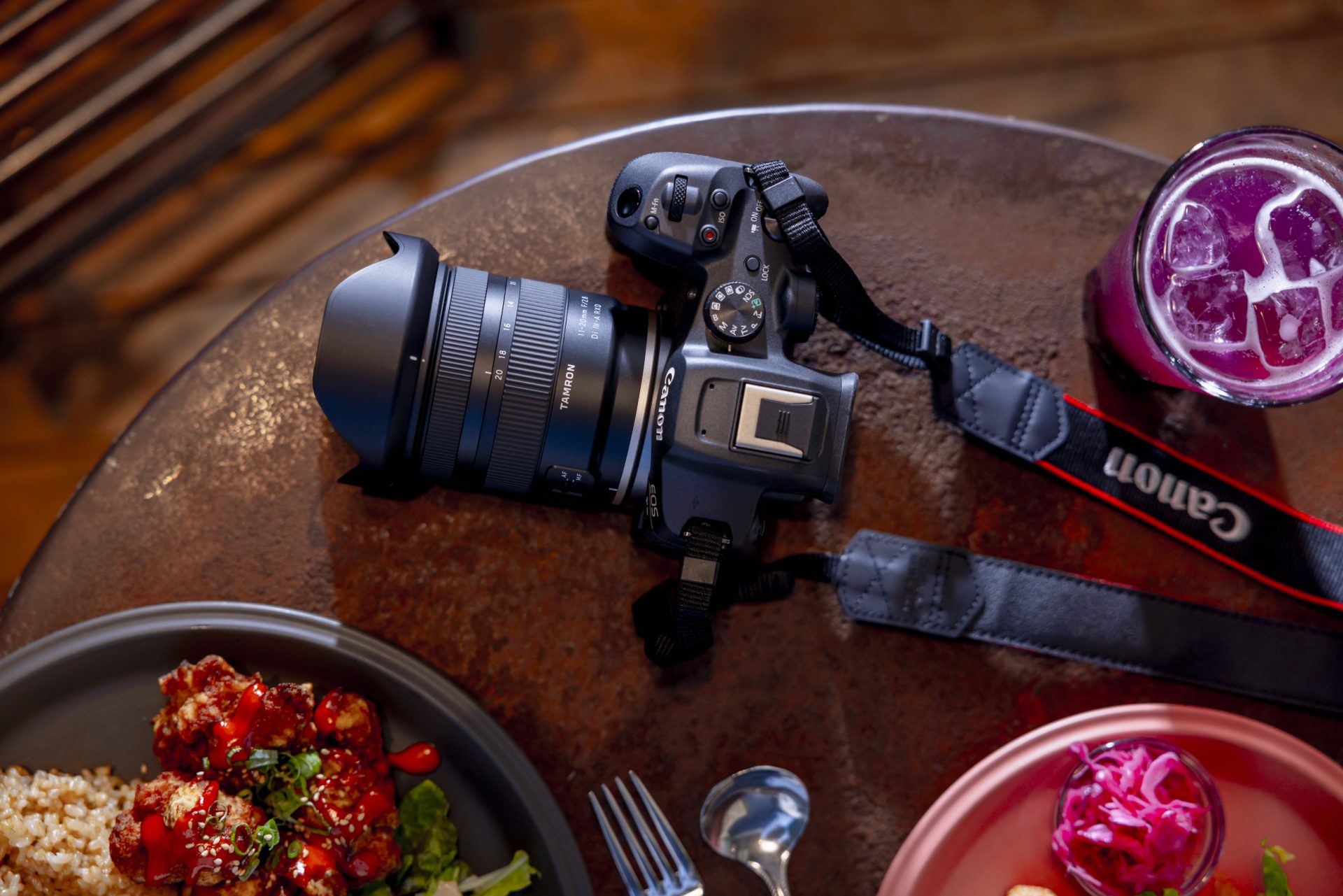
Before purchasing a lens, always confirm compatibility with your camera mount and sensor size.
Some lenses are designed specifically for APS-C cameras, while others are intended for Full-Frame systems.
Mirrorless camera users should also consider:
Size and weight
Autofocus performance
Weather resistance
Lens portability
Choosing the right combination helps photographers get the most from their equipment.
TAMRON offers several wide-angle lens options suited to travel, landscape, street, and astrophotography.
For photographers who enjoy road trips, city photography, and outdoor adventures, lightweight zoom lenses provide flexibility across different environments.
Wide-angle zoom lenses are particularly useful because they allow photographers to quickly adjust framing while shooting landscapes, architecture, and environmental portraits.
Whether you are photographing Cape Town’s coastline, wildlife landscapes in Kruger National Park, or night skies in the Karoo, a high-quality wide-angle lens can help you create more immersive and visually engaging images.
By understanding how wide-angle lenses work and where they perform best, photographers can unlock new creative possibilities and capture South Africa’s incredible scenery with greater impact.