| September 18, 2026
 South Africa's #1 Mobile Protection Brand
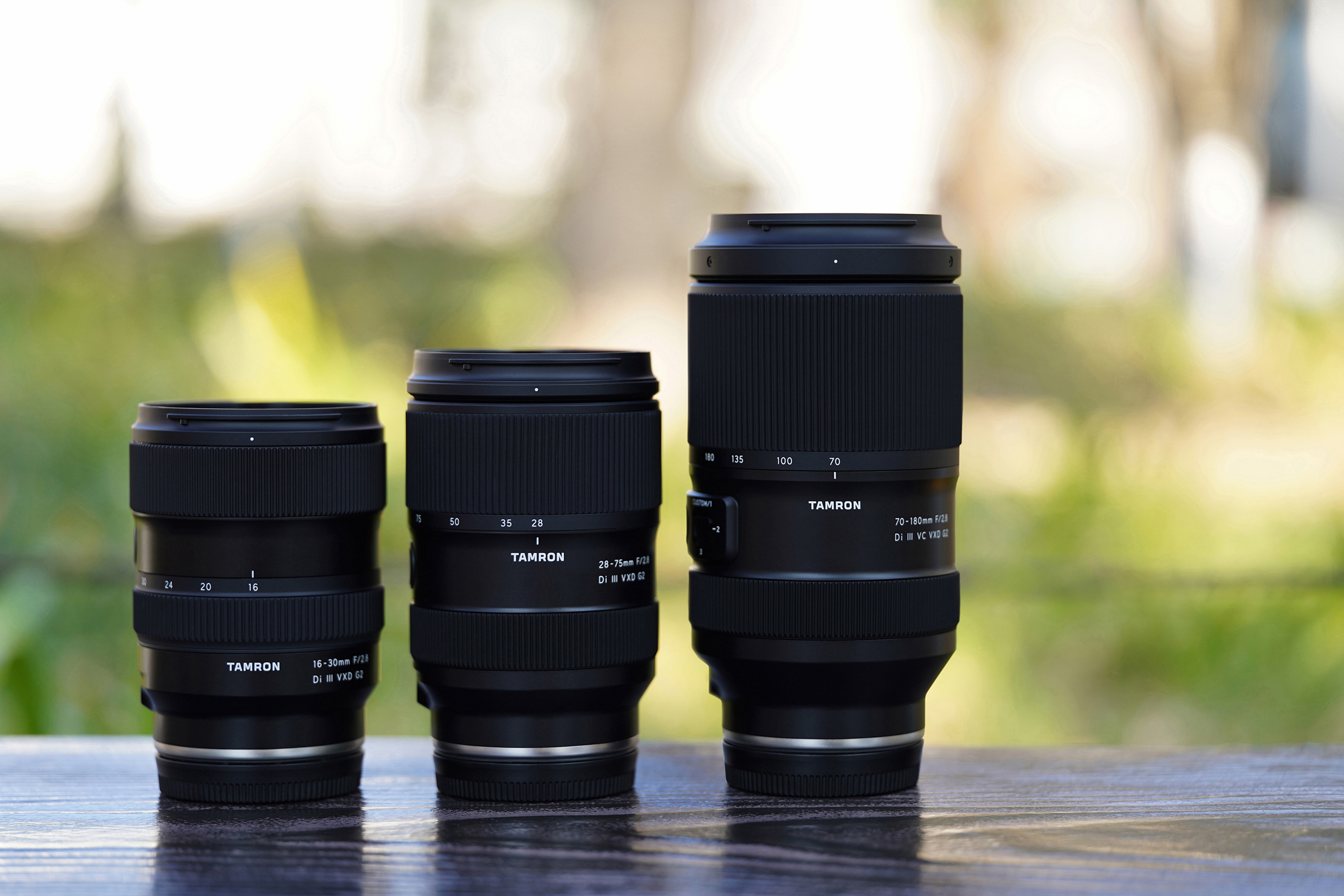
You own a kit zoom, and probably a fast prime or two. You have been circling an F2.8 zoom for months — reading reviews, watching the price, putting it off. Something keeps stopping you, and it is usually one of two things: what it costs, or what it weighs.
Holy trinity lenses are the three constant-F2.8 zooms that between them cover almost everything: a wide-angle, a standard and a telephoto. They are the professional default for good reasons, and they are also genuinely easy to talk yourself out of.
This article argues both sides. The first half covers why some photographers decide they do not need them, and several of those reasons are sound. The second half covers what you gain if you do buy in, which situations justify it, and what to check before you spend. Focal lengths are given for full-frame, with APS-C equivalents noted where they matter.
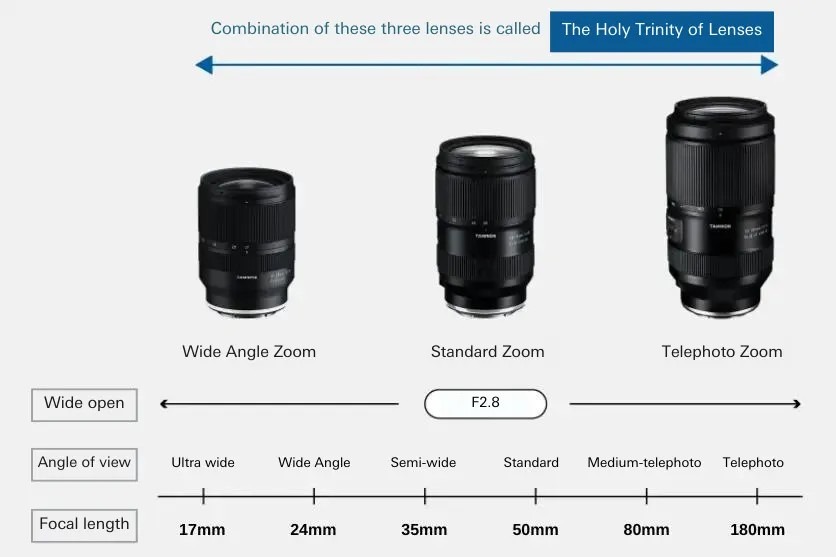
The holy trinity is three zoom lenses that each hold a maximum aperture of F2.8 across their entire zoom range: a wide-angle zoom, a standard zoom and a telephoto zoom. Between them they cover roughly 17mm to 180mm without a gap.
The defining feature is not F2.8 on its own. It is that the aperture is constant. A typical kit zoom might open to F3.5 at the wide end and close to F5.6 by the time you have zoomed in, which means the exposure changes as you zoom and you lose light at exactly the point where you have reached for something distant. A constant-aperture zoom holds F2.8 throughout, so nothing shifts underneath you.
Each lens has a job. The wide-angle zoom covers landscapes, interiors and tight spaces. The standard zoom is the one most people use most of the time — wide enough for a group, long enough for a portrait. The telephoto reaches across a field, a hall or a stretch of water.
If you shoot APS-C, the angles of view work out differently. A 17-28mm behaves roughly like a 26-42mm on a crop body, a 28-75mm like a 42-113mm, and a 70-180mm like a 105-270mm. The aperture does not change — F2.8 is F2.8 on any sensor — but the framing does, and the set skews longer overall. Several manufacturers now build constant-aperture zooms specifically for APS-C, which is worth looking at before adapting a full-frame set to a crop body.
There is also an F4 trinity: the same three focal ranges at a constant F4, sometimes called the small trinity. One stop darker, noticeably lighter, and meaningfully cheaper. More on that below.
Four objections come up repeatedly. They are worth taking seriously, because at least two of them are often correct.
A prime at F1.4 or F1.8 gathers more light than any F2.8 zoom and usually renders better at a similar price. Photographers who own two or three primes and like what they produce have a reasonable case for stopping there.
The limitation is not optical. It is physical. A prime makes you the zoom: to change the framing, you move. That works when you can move.
Often you cannot. At a school prize-giving you are wherever the seating puts you. At a wedding ceremony you are not going to cross in front of the couple to reframe. On a sideline you stand where the officials tell you to stand. In those situations the choice is not between a prime and a zoom. It is between the shot and no shot.
A sensible compromise is to keep the primes for controlled work and add a single zoom for the situations where your feet are not an option.
Frequently true, and worth saying plainly. Outdoors, in daylight, at moderate apertures, a modern kit zoom resolves more detail than most people’s technique. If that describes most of what you shoot, an F2.8 set will not transform your photographs.
The gap opens when the light drops. A variable-aperture zoom sitting at F5.6 on its long end is two stops behind F2.8 — the difference between 1/250 sec and 1/60 sec at the same ISO, or between ISO 1600 and ISO 6400 at the same shutter speed. Neither of those is a good trade.
So the honest test is not whether your current lens is sharp. It is how often you shoot indoors, after sunset, under winter overcast or inside a hall, and how many of those frames you have already thrown away.
A full F2.8 trio plus a body comes to roughly three kilograms before you add a bag, water or anything else. Over a day’s walking on a Cape Peninsula hiking route, or eight hours at a wedding, that is a real physical cost and not an imaginary one.
There are two responses. The first is that you rarely carry all three at once. Most people who own the set work with two on any given day, and the third stays at home.
The second is that the weight range has widened considerably. Some current F2.8 zooms are dramatically lighter than the generation before them, with shorter barrels and smaller filter threads, without giving up the constant aperture. If weight is your objection, the specification worth comparing is not “F2.8 zoom” as a category but the individual lens.
The F4 trinity also answers this directly — one stop darker, substantially lighter, and easier to carry for a full day.
This is the objection that stops most people, and locally it stops more people than it does in most markets. Imported equipment costs more here, and a full F2.8 trio is a serious purchase by any reasonable measure — enough that most people buying one are buying it instead of something else rather than alongside it.
There are three routes through it.
Buy one at a time. Nothing requires you to own the set, and the phrase encourages people to think of it as a package when it is really three separate decisions. Most photographers should start with the standard zoom, which covers the widest range of situations on its own, and add a second only once experience has told them which end they keep running out of.
Consider the F4 trinity. One stop darker for meaningfully less money and weight. If you shoot mostly outdoors, or mostly stopped down, that stop may cost you nothing you were actually using.
And if you shoot APS-C, the equivalents cost less. Constant-aperture zooms built for crop sensors are smaller, lighter and cheaper than their full-frame counterparts, and for a great many photographers that is the whole reason they are on APS-C in the first place. It is a legitimate route to a trinity rather than a diminished version of one.
Buying used is worth a mention too. F2.8 zooms hold their value well, which cuts both ways, but it does mean a well-kept older model is a real option rather than a gamble.
Those objections are real. Here is what you get in exchange for accepting them.
Two separate things tend to get bundled together here, and they are worth pulling apart.
The first is light. F2.8 against F5.6 is two stops — twice the light, then twice again. At a school concert that is the difference between 1/250 sec and 1/60 sec at the same ISO, which is to say the difference between a sharp frame and a blurred one. It is equally the difference between ISO 1600 and ISO 6400, which is the difference between clean shadows and noisy ones. Locally this matters more than it might elsewhere: Cape winter overcast, sea fog rolling over the Peninsula, and highveld light collapsing ahead of a summer afternoon storm are normal seasonal conditions here, not edge cases.
The second is optical quality. F2.8 zooms are generally the lenses manufacturers put their best glass into, with low-dispersion elements, modern coatings and more complex optical designs. They are built to be used wide open rather than merely capable of it, which is not true of every lens with a low F-number printed on the barrel.
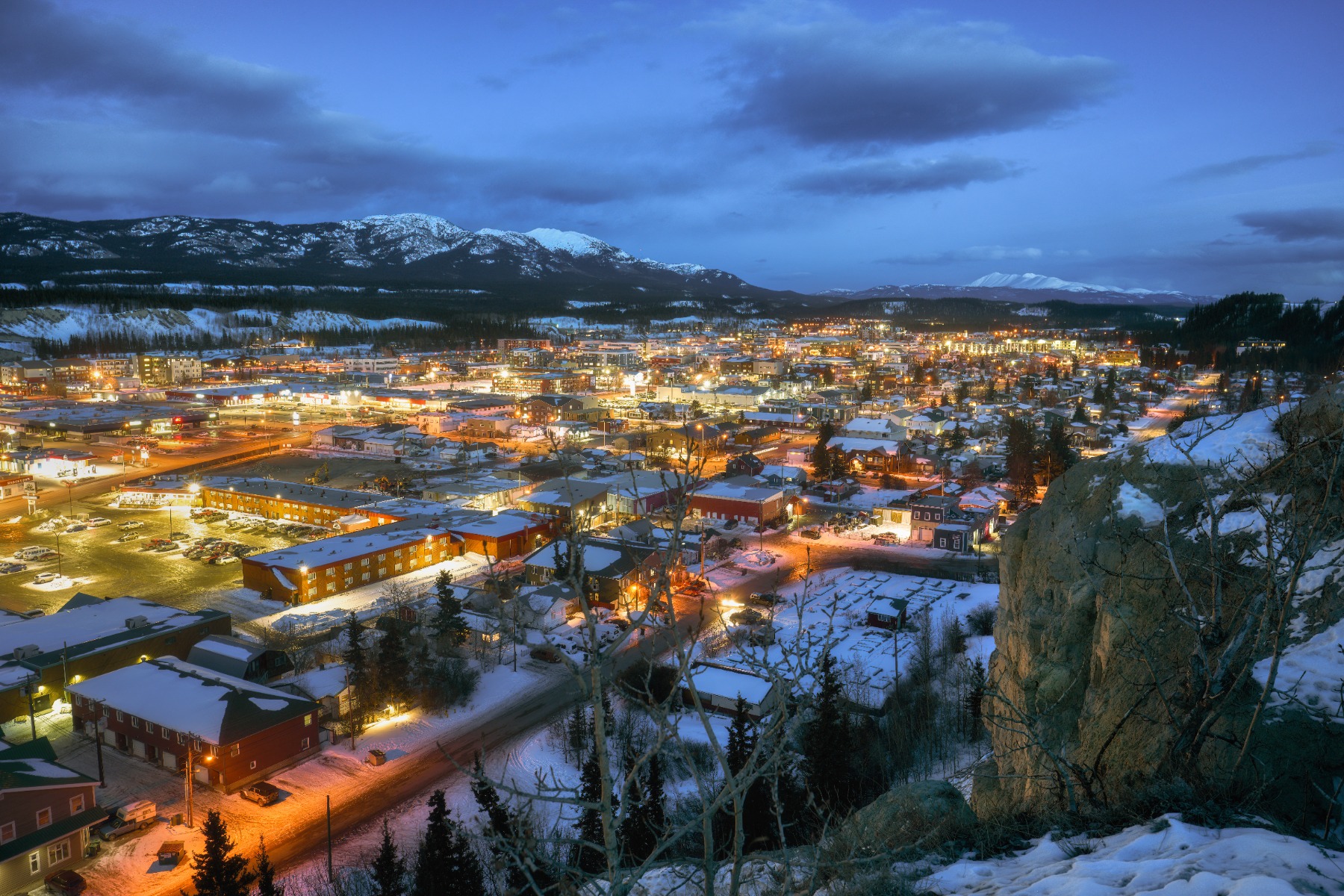
TAMRON 17-28mm F2.8 (Model A046) Focal length: 17mm Exposure: F2.8 Shutter Speed: 1/15sec ISO: 200
A wide aperture gives you shallow depth of field on any lens. What separates a good lens from an ordinary one is how the out-of-focus area actually renders.
Aberration and flare are the reasons cheaper lenses produce harsh, edgy or busy backgrounds. Specialised elements correct the aberrations that make out-of-focus highlights render with hard outlines, and coatings suppress the internal reflections that lift veiling flare across the frame and flatten contrast. The result is a background that falls away smoothly instead of breaking up into distracting shapes.
This is why two lenses shot at the same F2.8 from the same position can produce visibly different backgrounds. The aperture decides how much is out of focus. The optical design decides what that looks like.
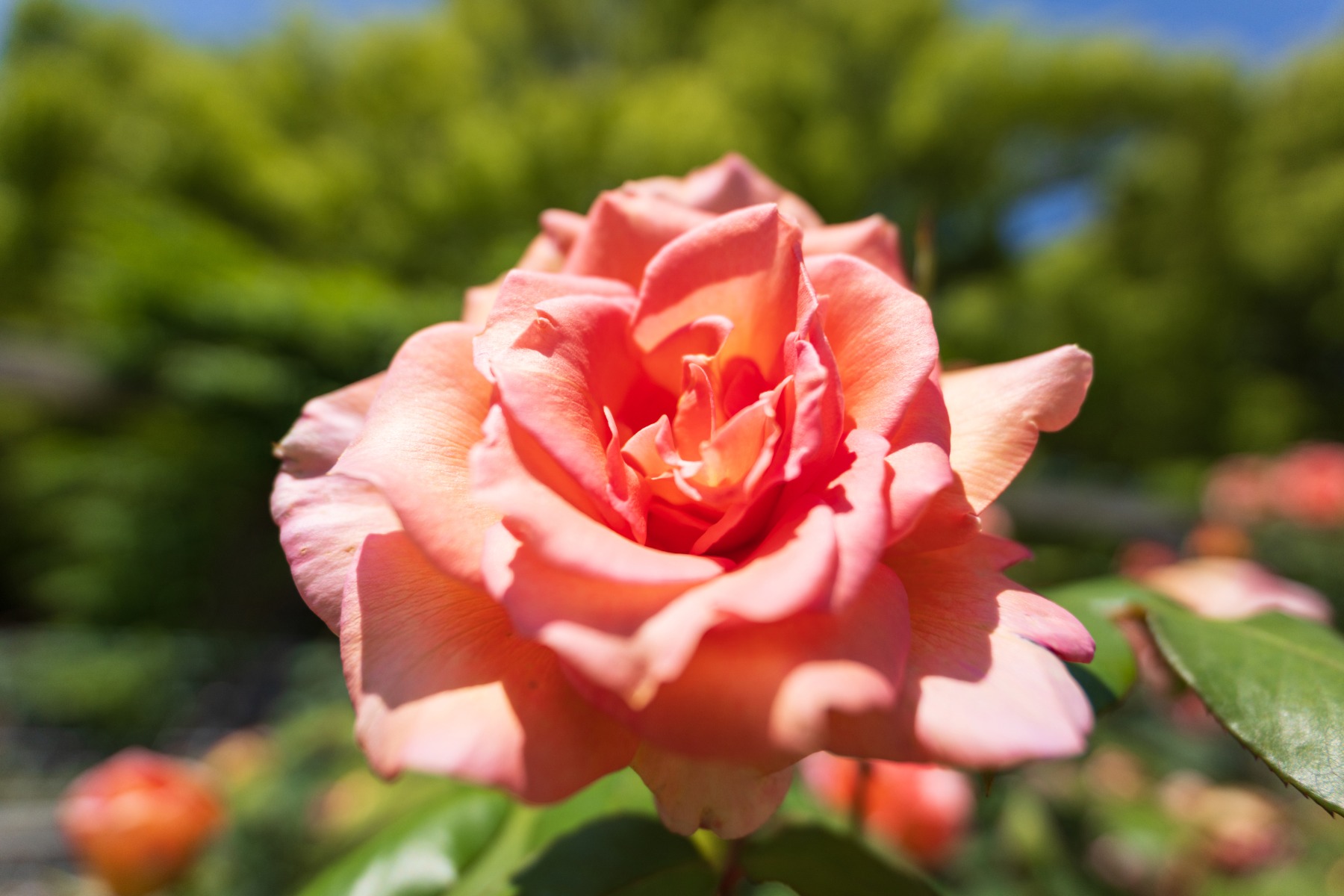
TAMRON 17-28mm F2.8 (Model A046) Focal length: 28mm Exposure: F2.8 Shutter Speed: 1/400sec ISO: 100
Every lens in the lineup opens to F2.8, which has a practical consequence that sounds minor on paper and is not.
At a wedding you meter once. You shoot the ceremony on the standard zoom, swap to the telephoto for portraits from further back, and your settings still hold. No re-metering, no test frame, no adjusting the camera while the moment goes past.
The same logic applies within each lens. A constant aperture holds F2.8 from one end of the zoom range to the other, so zooming does not change your exposure either. With a variable-aperture zoom it changes every time, and in manual mode you either compensate for it or lose the frame.
Some situations make the case far better than others. These are the ones where the difference is obvious rather than theoretical.
The telephoto end is where portraits live. Somewhere between 100mm and 180mm compresses features flatteringly, throws the background well out of focus, and lets you work at a distance most subjects find comfortable.
Late in the afternoon in a winelands valley, the light comes in low and warm across the rows and needs very little help. Open shade in a Gauteng garden through summer gives you soft, even light with nobody squinting. On the KwaZulu-Natal coast the humidity puts a slight haze in the air that a long lens turns into background separation rather than a problem to solve.
F2.8 helps considerably in low light, but it will not make night portraiture easy. At dusk or under artificial light you are still going to be pushing ISO. The aperture buys you two stops, not ten.
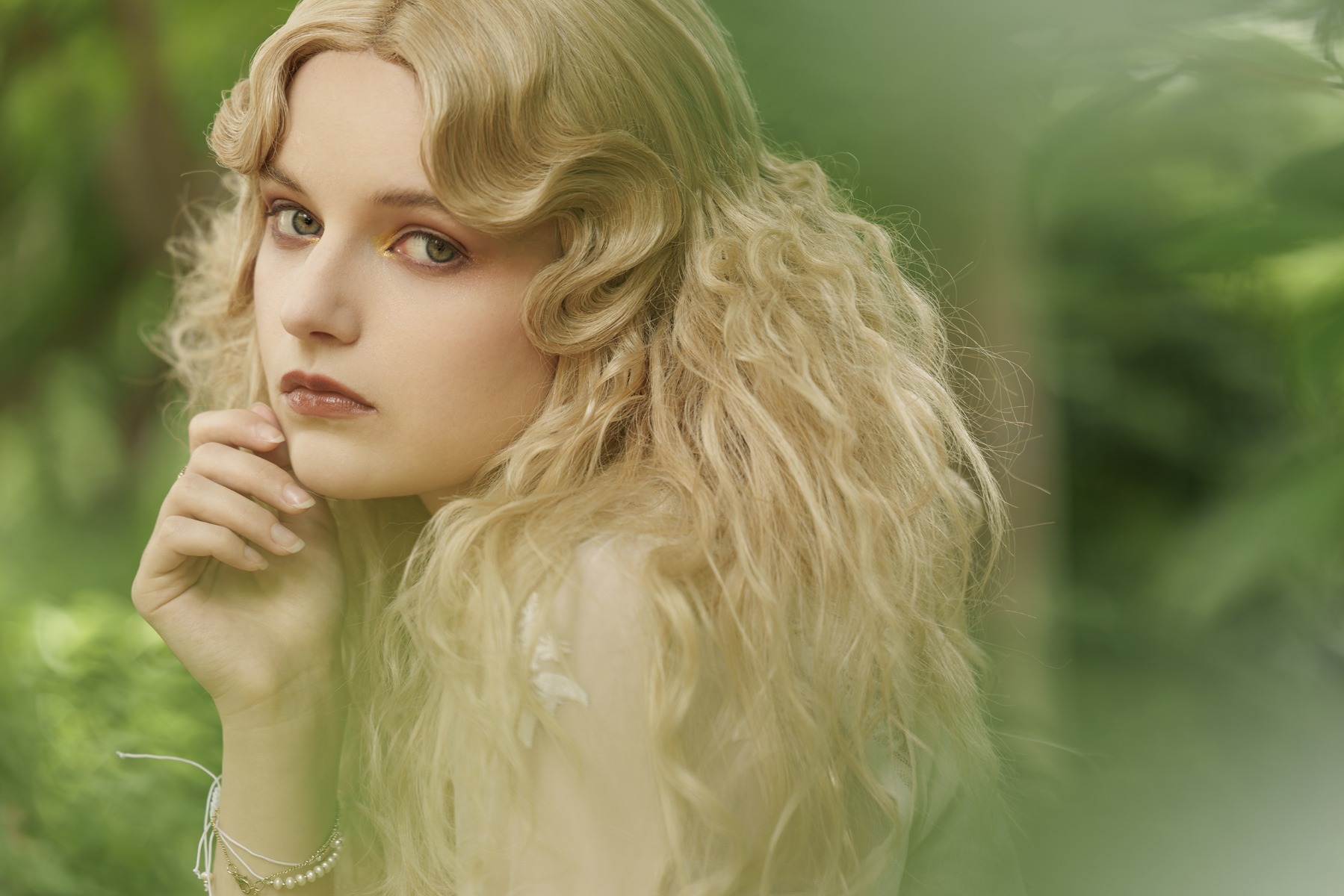
TAMRON 70-180mm F2.8 G2 (Model A065) Focal length: 116mm Exposure: F2.8 Shutter Speed: 1/250sec ISO: 200
School concerts, prize-givings, dance showcases and community hall performances all share the same problem: the lighting is designed for the audience’s eyes, not for a camera.
The settings below are worth looking at closely. 1/10 sec handheld at ISO 1600 and F2.8 sits at the very edge of what is possible, and it was possible only because the aperture was F2.8. At F5.6 the same frame needs 1/2.5 sec, which is not a photograph.
Weddings add the swap problem on top. Winelands and farm venues in the Western Cape, garden and homestead settings in Gauteng, coastal and Midlands venues in KwaZulu-Natal — different spaces, same requirement. Wide for the room, standard for the group, long for the couple, often within minutes of each other. A constant aperture means each swap costs you nothing in exposure.
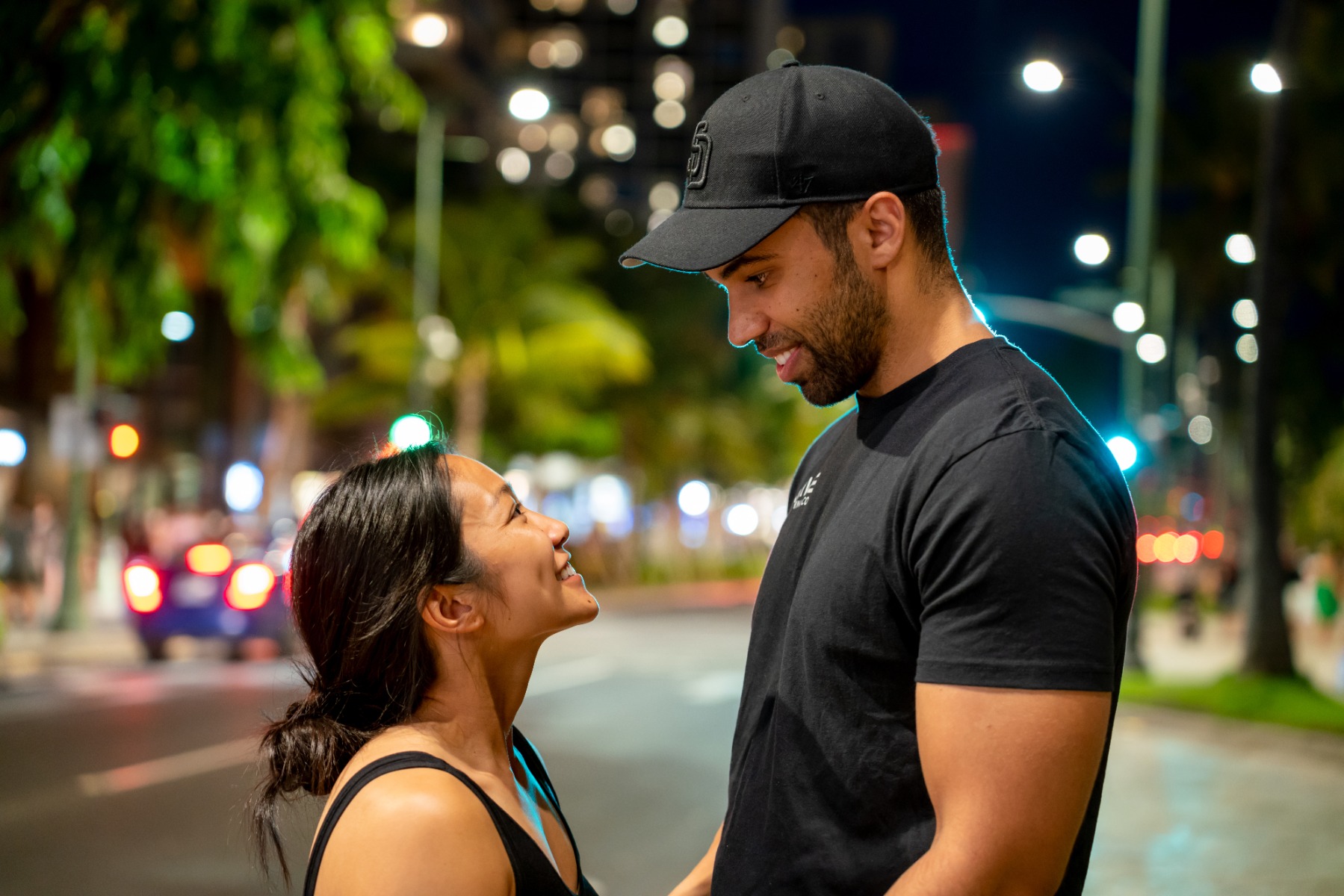
TAMRON 28-75mm F2.8 G2 (Model A063) Focal length: 75mm Exposure: F2.8 Shutter Speed: 1/10sec ISO: 1600
School sport is the reason a great many local photographers buy their first F2.8 zoom, and it is a good reason.
Indoor codes make the strongest case of all. Netball and basketball are fast, the halls are poorly lit, and you need a high shutter speed in conditions that do not support one. F2.8 is what makes 1/500 sec achievable at an ISO you can still use. Indoor hockey and squash present the same problem in tighter spaces, where the standard zoom is often more useful than the telephoto.
Outdoors, rugby, football and field hockey through winter afternoons run into it from a different direction. The fixture starts in reasonable light and finishes in poor light, and a variable-aperture lens gets darker at precisely the point the conditions do. Cricket stretches the same problem across an entire day. Athletics rewards reach and shutter speed together, particularly at the finish.
Equestrian events sit between this section and the next: fast-moving, frequently under cover in poor light, and unpredictable enough that autofocus tracking matters as much as the aperture does.
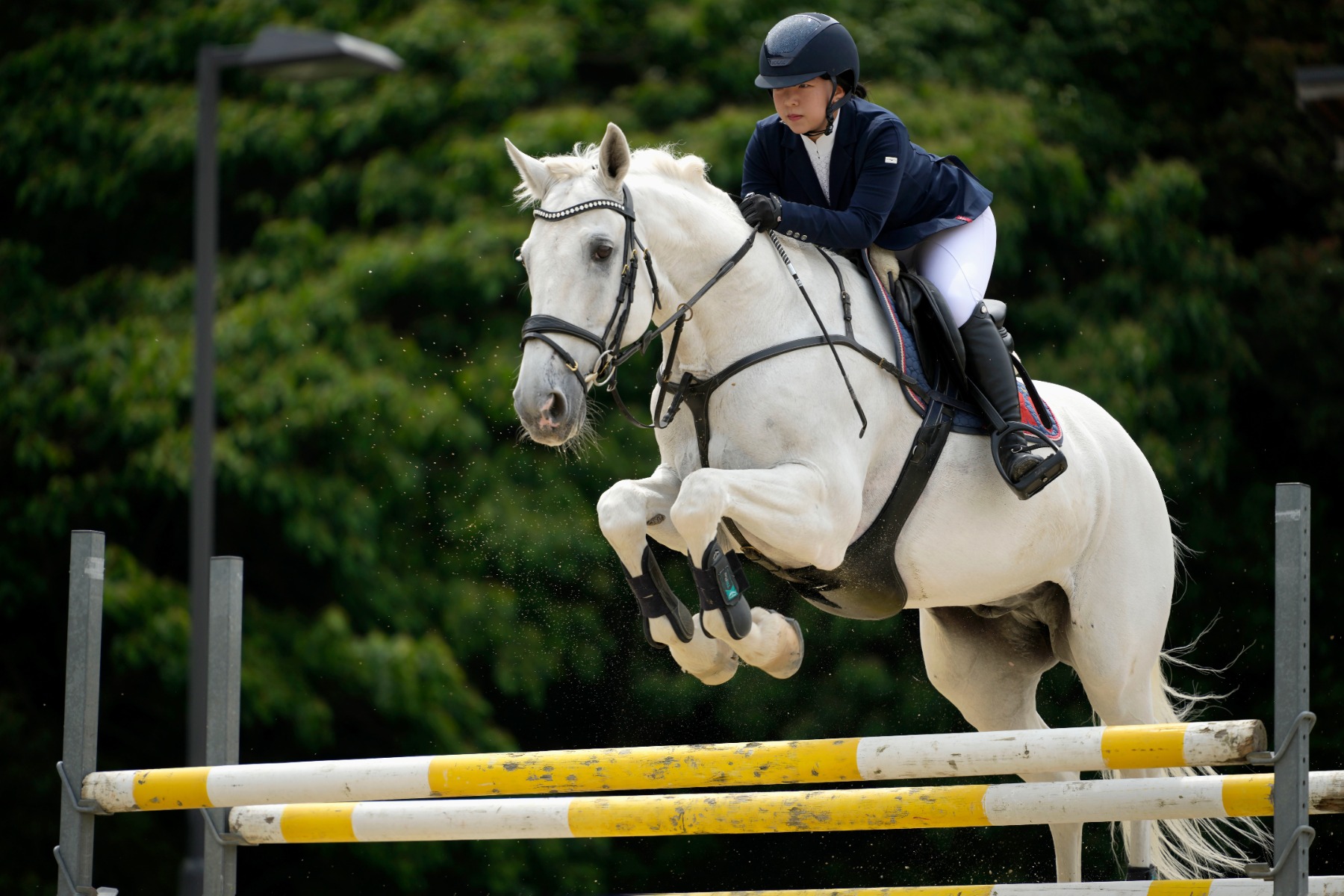
TAMRON 70-180mm F2.8 G2 (Model A065) Focal length: 180mm Exposure: F2.8 Shutter Speed: 1/1600sec ISO: 100
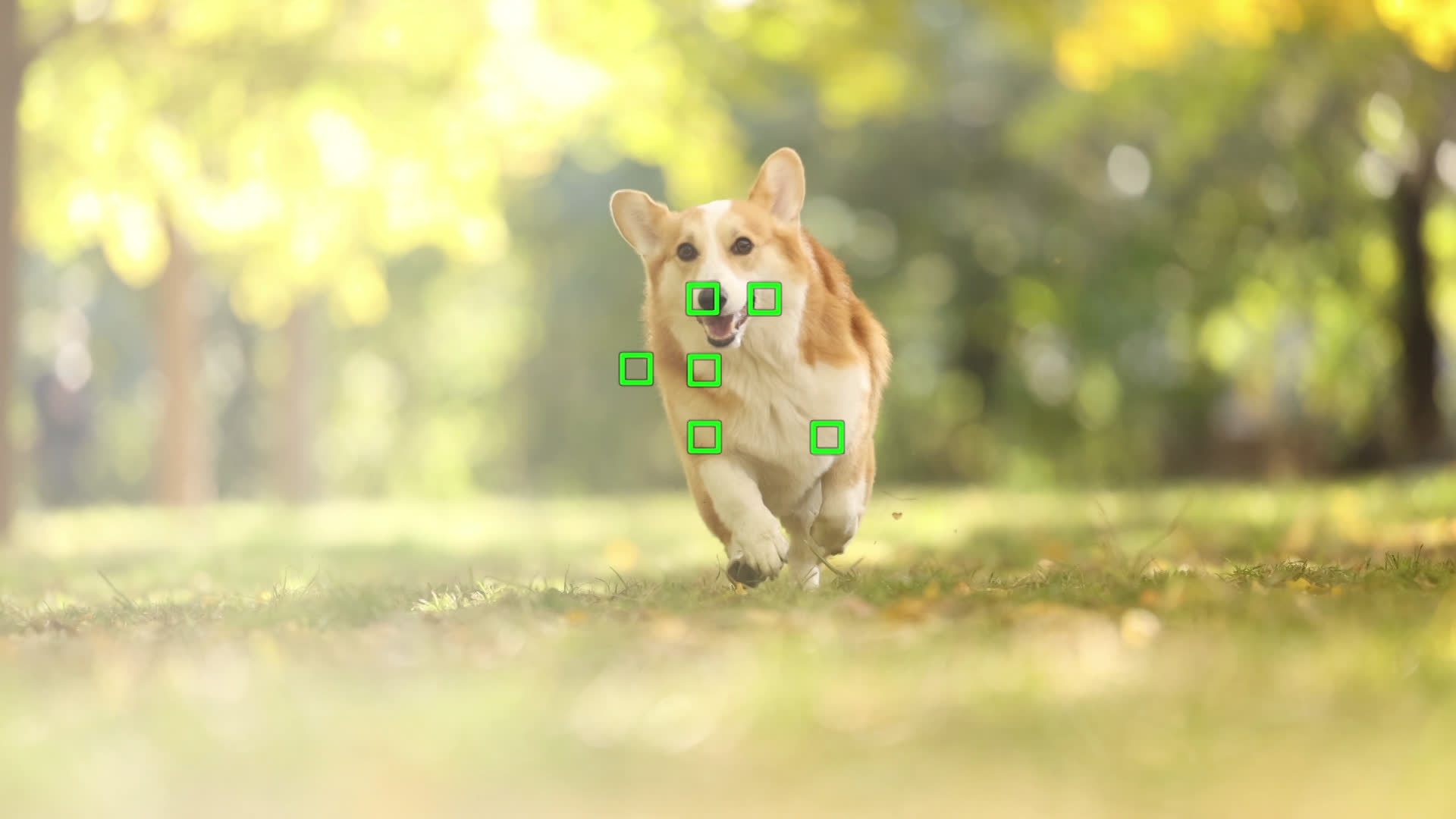
Dogs and cats move unpredictably, spend a lot of their time indoors, and are frequently darker than whatever is behind them. All three of those point towards a fast lens.
The standard zoom is more useful here than the telephoto for most people: a close working distance, room to frame either a whole animal or just a face, and enough reach that you are not crowding a nervous one. Horses and equestrian work need more length. Garden birds need more still, and seabirds along the shoreline need considerably more than a trinity will give you.
Outdoors, moisture resistance earns its place. Coastal work means salt spray, fine and persistent, and a highveld summer afternoon can turn without much warning. A sealed lens does not make the session waterproof, but it does mean an unexpected shower stops being the end of it.
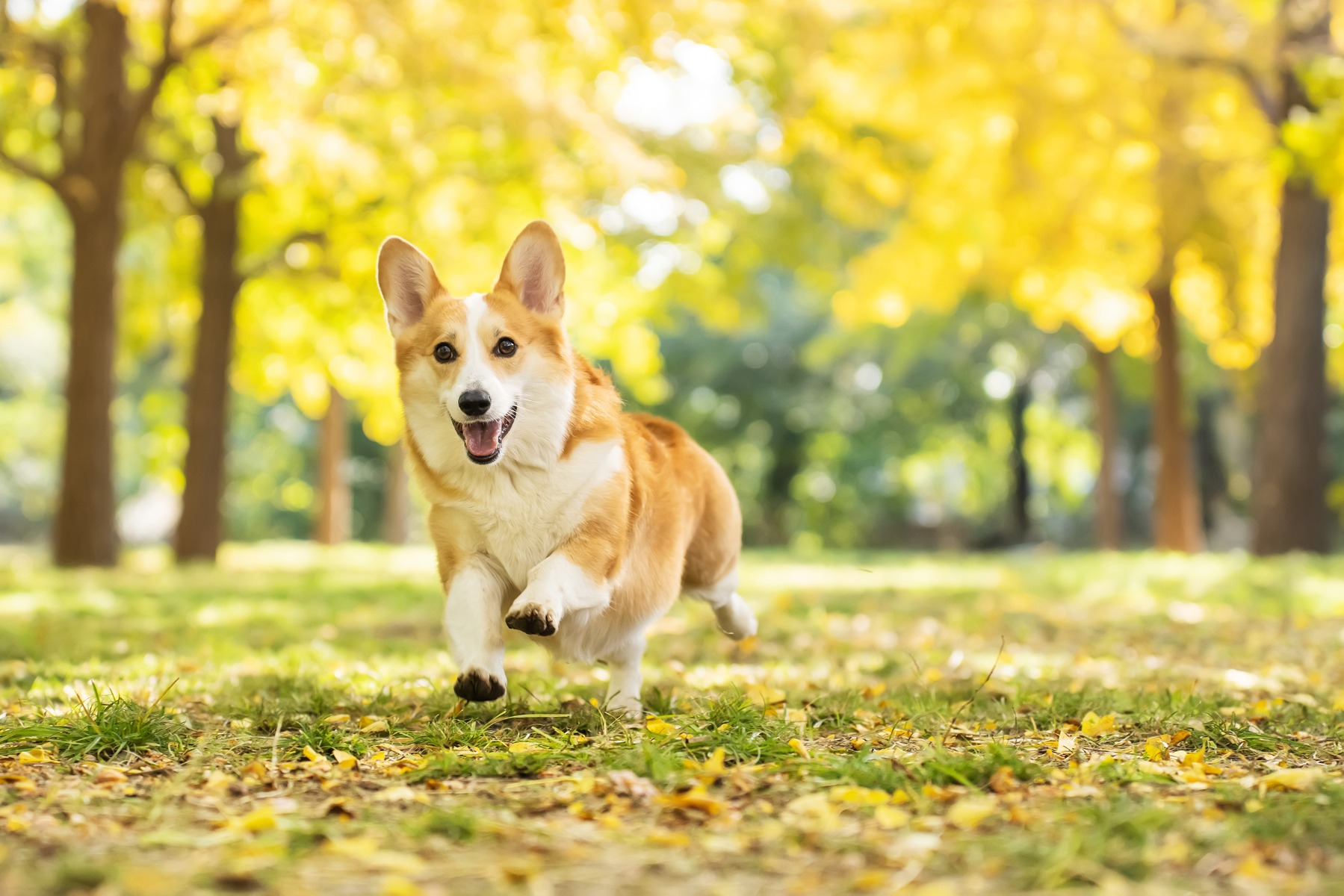
TAMRON 28-75mm F2.8 (Model A063) Focal length: 75mm Exposure: F2.8 Shutter Speed: 1/800sec ISO: 800
Landscape work is usually done stopped down, which looks like an argument against paying for F2.8. It is not, for two reasons.
The first is that these lenses are generally excellent at F8 and F11 as well. The optical investment does not switch off when you close the aperture. Note the settings below: F8, which is where landscape work actually happens.
The second is the weather. Cape winter fronts arrive quickly and bring low, flat light with them. Highveld summer afternoons build storms that produce the best light of the year and the worst conditions for equipment inside the same hour. Midlands hill country in KwaZulu-Natal holds mist well into the morning. A lens that stays usable as the light drops, and stays sealed while it does, is doing real work in all three.
Note too that the seasons run December to February for summer and June to August for winter, with the low directional light landscape work depends on arriving from around 17h00 SAST in midwinter. All times are SAST year-round, with no daylight saving adjustment.
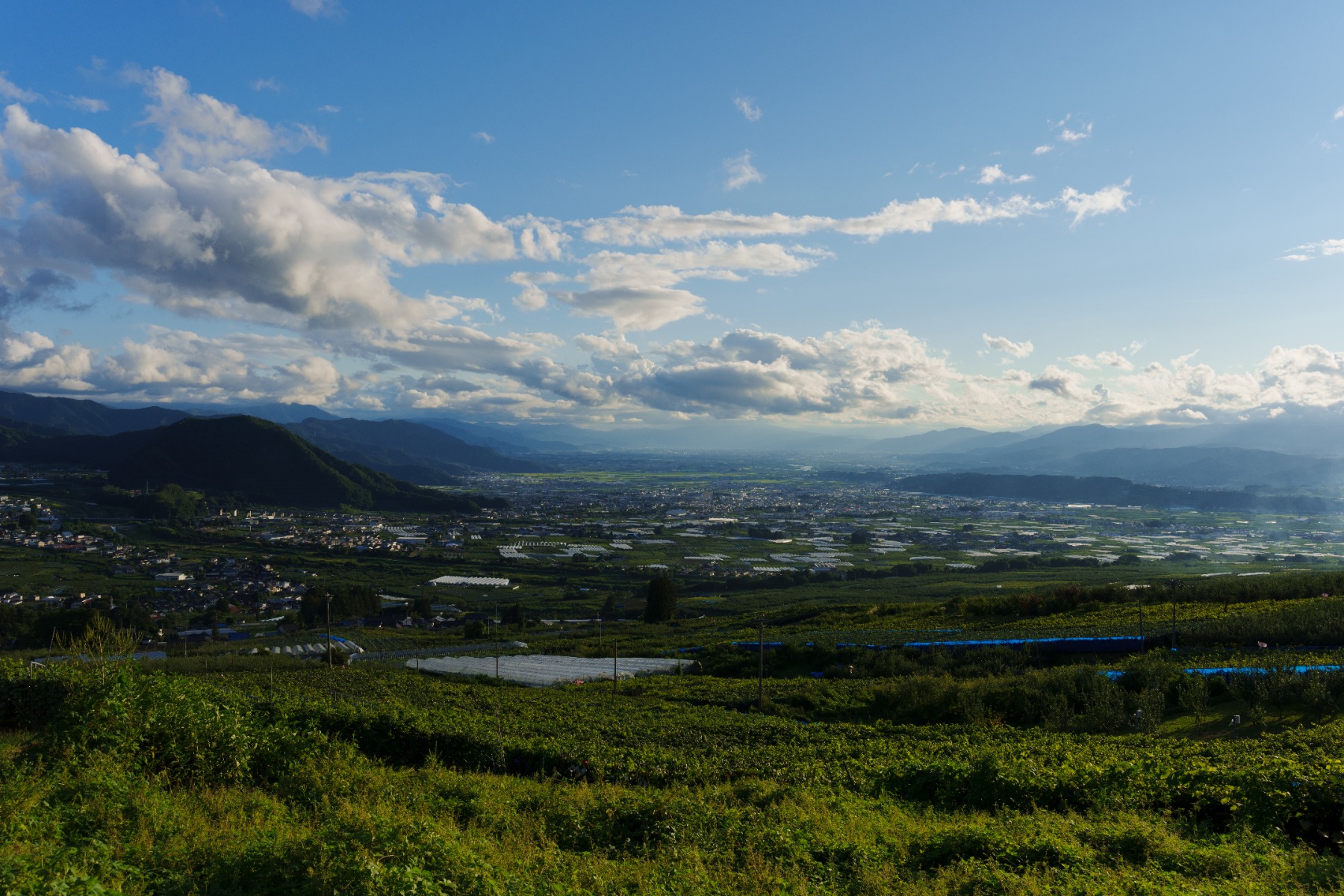
TAMRON 28-75mm F2.8 (Model A063) Focal length: 28mm Exposure: F8 Shutter Speed: 1/500sec ISO: 100
Image quality is where most people start. These four matter just as much and get considered far less.
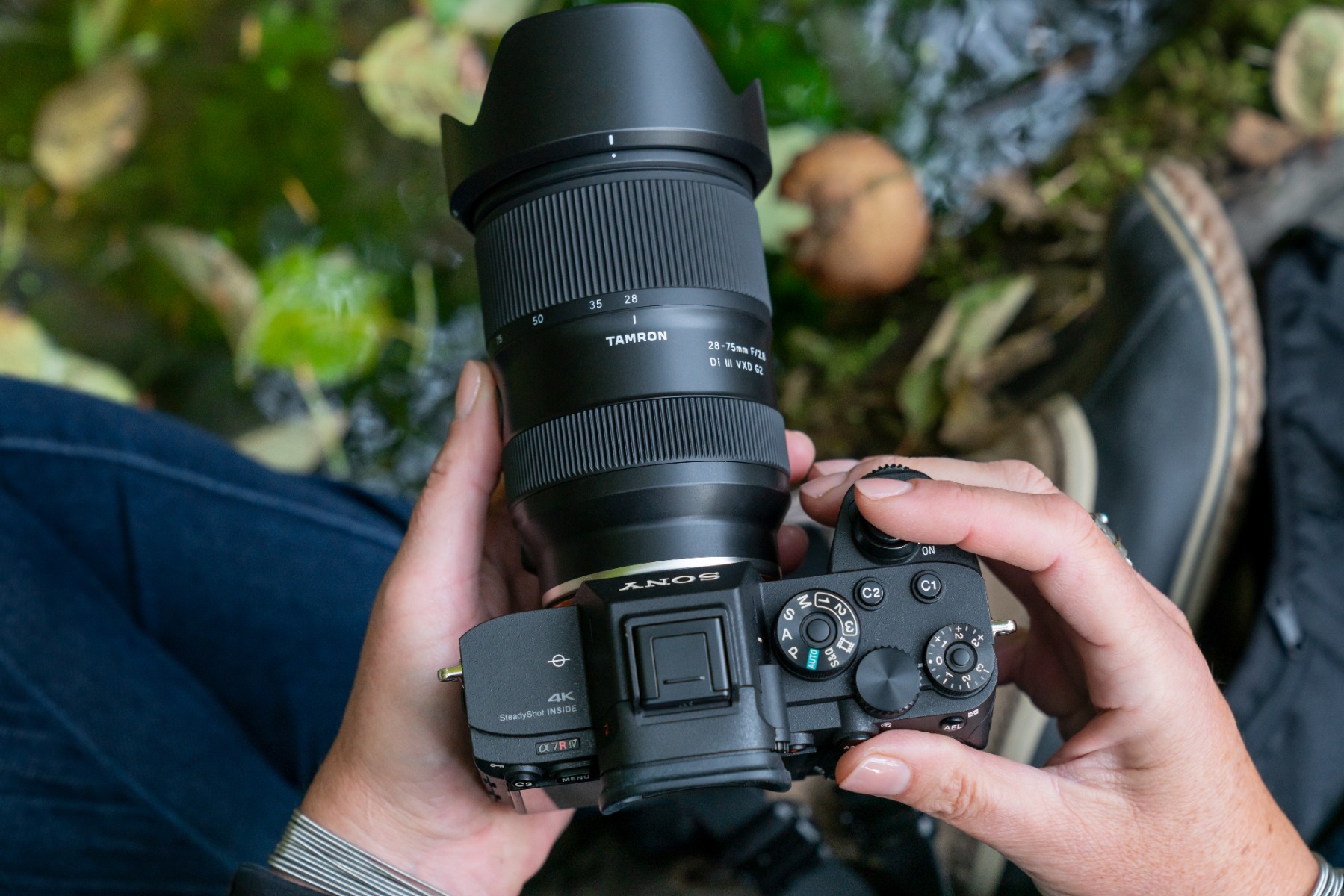
Weight is the obvious measure and not the only one.
Length determines how the lens sits in a bag and whether you can change lenses standing up rather than crouching over an open bag on the ground. Filter thread size matters more than most people expect: if all three lenses share a thread, you buy one set of filters instead of three, and you stop carrying step-up rings.
Over a day’s hiking on a Peninsula route or a KwaZulu-Natal escarpment trail, the difference between a compact F2.8 zoom and a large one is frequently the difference between carrying it and leaving it in the car.
And one honest observation worth keeping in mind: most people who own all three end up carrying two.
Contrast is how cleanly a lens separates light from dark. Gradation is how smoothly it moves between them.
You see contrast in a bright coastal scene, where a lens with poor flare control lifts the shadows and washes the whole frame out. You see gradation inside a venue, where a good lens holds the difference between a dark suit and a dark background instead of collapsing both into a single shape.
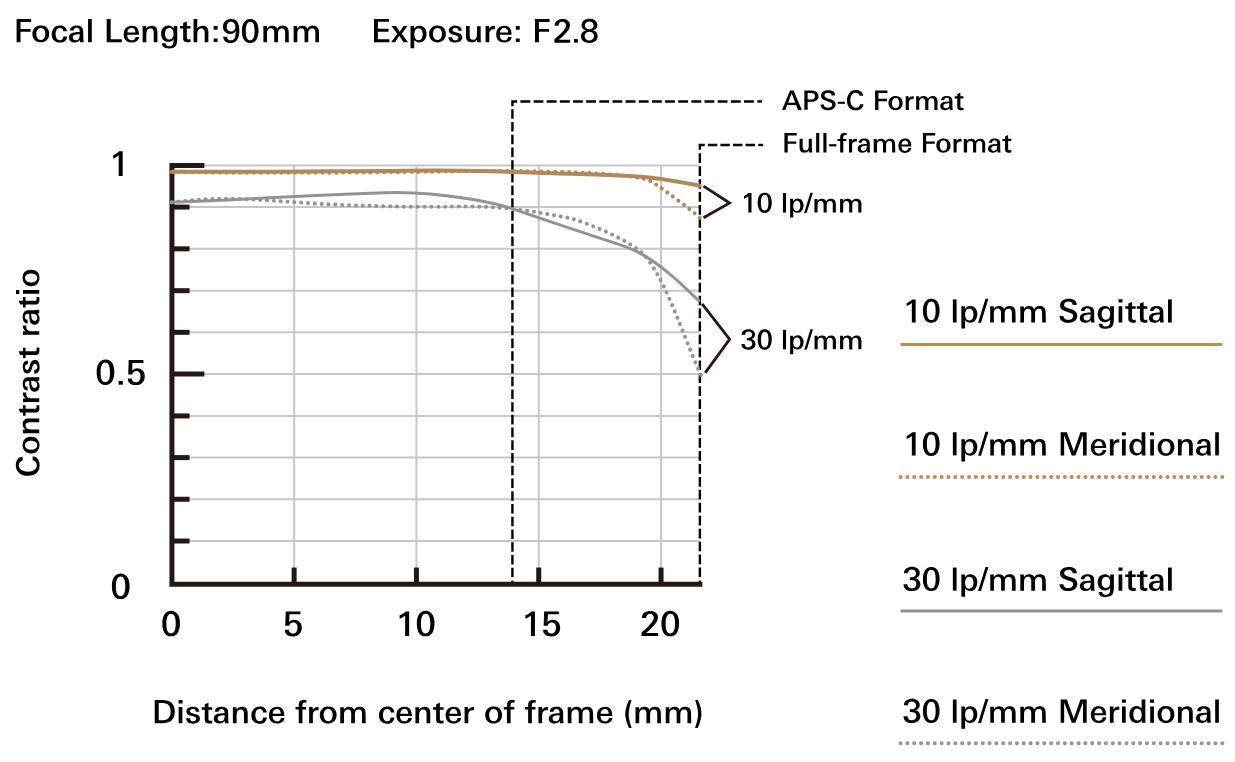
MTF curves are commonly recommended for comparing lenses and they are genuinely useful, but they describe sharpness and contrast at specific frequencies and tell you very little about gradation or how a lens renders colour. For that, look at real images shot in conditions resembling your own.

TAMRON 70-180mm F2.8 G2 (Model A065) Focal length: 70mm Exposure: F5 Shutter Speed: 1/15sec ISO: 400
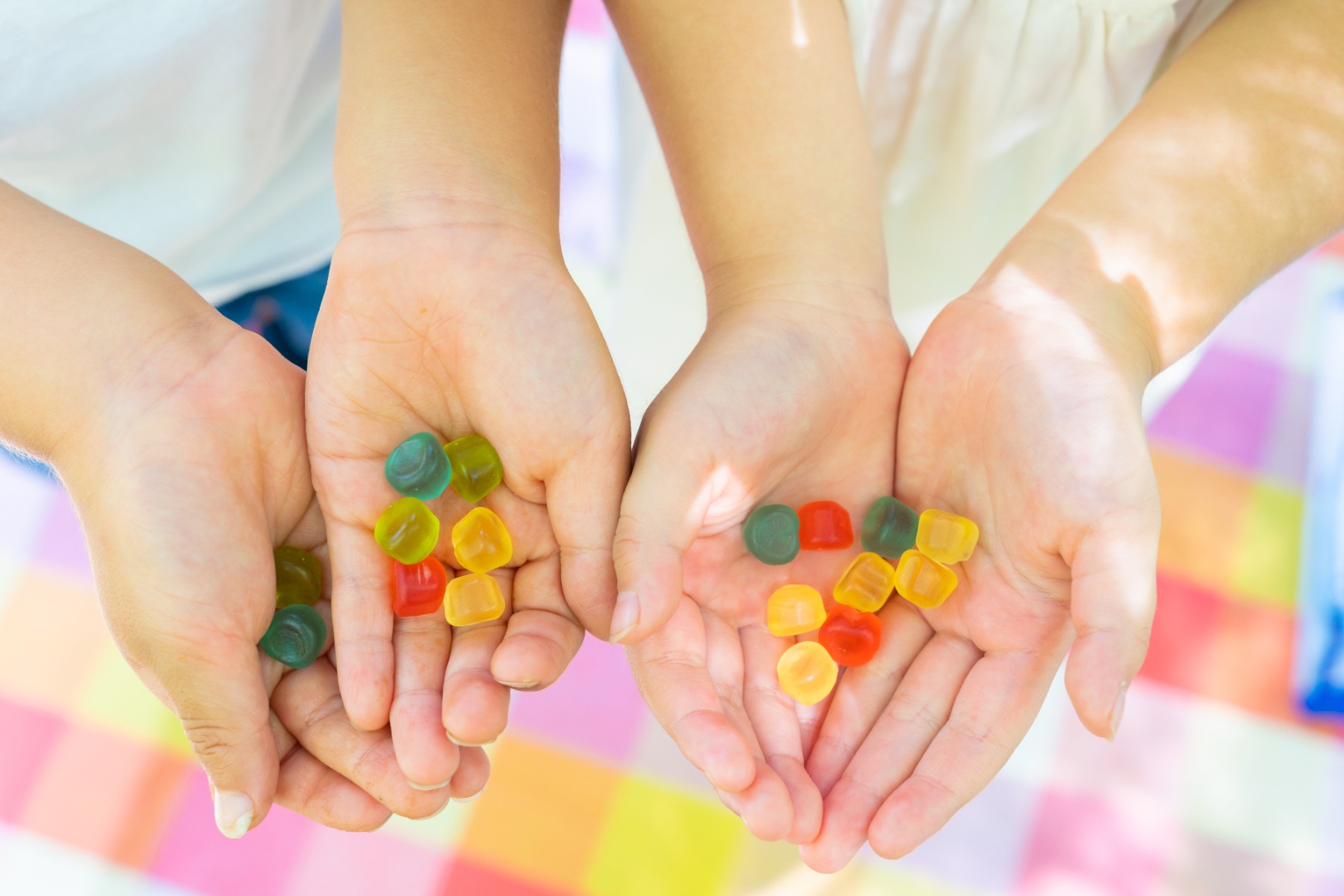
TAMRON 28-75mm F2.8 (Model A063) Focal length: 43mm Exposure: F5.6 Shutter Speed: 1/125sec ISO: 400
Minimum object distance (MOD) is the closest a subject can be to the camera and still be brought into focus.
It matters most on the standard zoom, where a short minimum object distance effectively turns one lens into two. You photograph the room, then the rings, the table setting or the detail on a dress, without changing lenses. At an event that is not a convenience. It is the difference between getting the frame and missing it.
Worth checking the figure at both ends of the zoom range, since it often differs between them.
Three separate things are worth checking, and they usually get reported as one.
• Accuracy — does it land on the subject, and does it keep landing there as the light drops.
• Tracking — does it hold a subject moving towards the camera rather than falling behind it.
• Noise — how audible the focus motor is in a quiet room.
Noise is the one that gets overlooked until the moment it matters. At a school concert or a recital the room is quiet and the camera is not, and a loud focus motor is genuinely disruptive to everyone near you. The same applies around nervous animals.
Tracking ties directly back to the sports section. A lens that focuses beautifully on a static subject and hunts on a moving one will cost you exactly the frames you bought it for.
The case against is real. They are expensive, they are heavy, and if you shoot mostly in good light with a kit zoom you may not need one at all.
The case for comes down to two things: light and consistency. Two stops is the difference between usable and unusable indoors, and a constant aperture means your settings hold as you zoom and as you swap lenses.
If you decide to buy, buy one. Make it the standard zoom unless you already know from experience that you shoot long, then let a year of using it tell you what the second one should be. That is a better way to arrive at the set than buying all three at once and discovering you only ever carry two.