| September 18, 2026
 South Africa's #1 Mobile Protection Brand
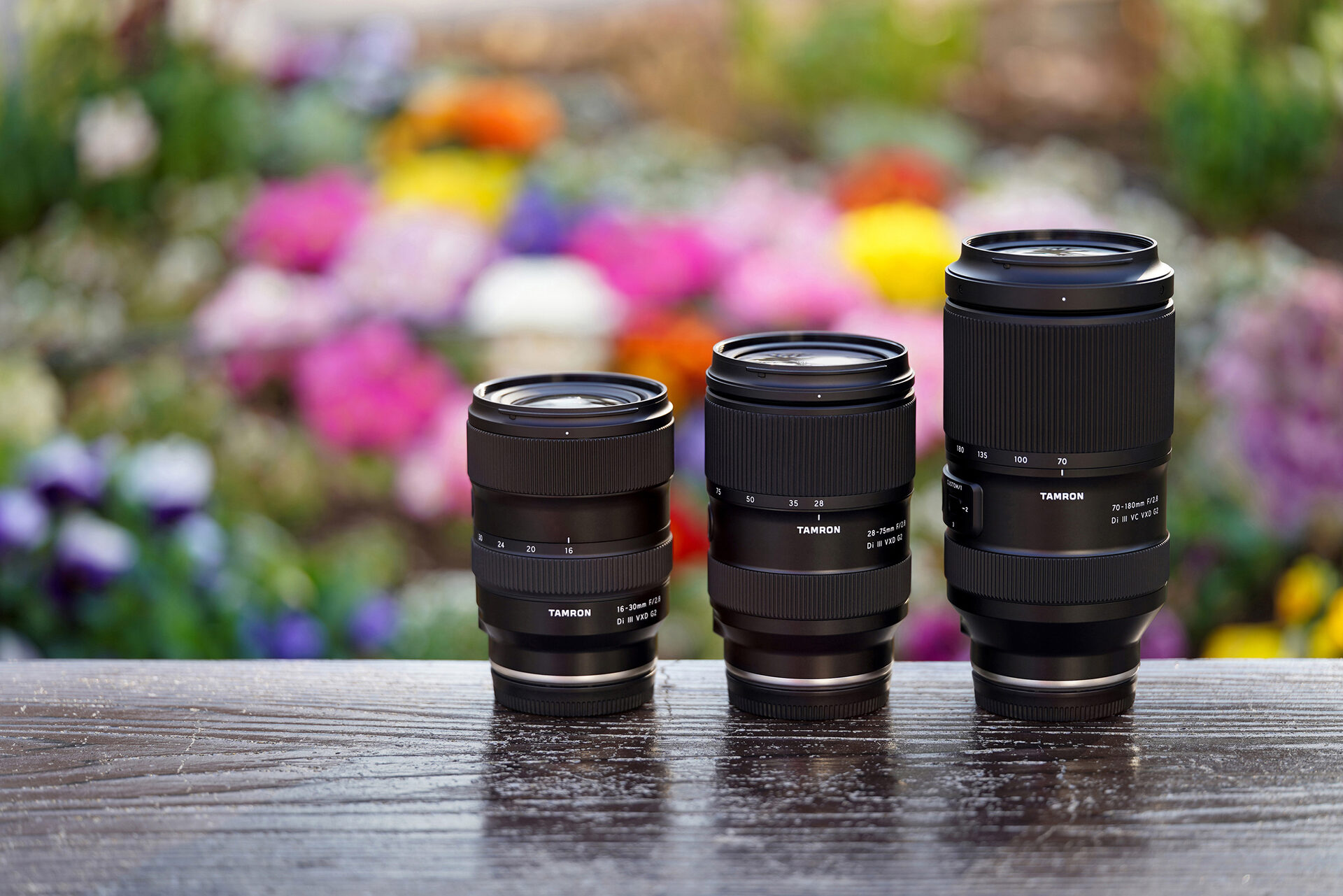
Photographers often rely on a flexible lens setup that allows them to capture many different subjects without constantly changing equipment. One of the most popular professional setups is known as the holy trinity lenses. This trio of zoom lenses covers wide-angle, standard, and telephoto focal lengths while maintaining a constant f/2.8 aperture.
In South Africa, this lens combination is particularly useful. A photographer might photograph wildlife in Kruger National Park, capture landscapes along the Garden Route, and then shoot a rugby match or city life in Cape Town. With the right holy trinity lens lineup, adapting to these different scenes becomes much easier.
In this guide we explain what are holy trinity lenses, how the holy trinity zoom lens system works, and whether photographers really need this versatile setup.
The term holy trinity lenses refers to three professional zoom lenses that share a constant f/2.8 aperture. Together they provide a flexible focal range that allows photographers to capture almost any subject. The typical holy trinity zoom lens lineup includes a wide‑angle zoom, a standard zoom, and a telephoto zoom. These lenses are widely used because they balance versatility with professional image quality.
The combination usually looks like this:
• Wide‑angle zoom: around 16–35mm
• Standard zoom: around 24–70mm
• Telephoto zoom: around 70–200mm
This setup ensures photographers can capture sweeping landscapes, everyday scenes, and distant subjects without needing to constantly switch equipment.
A holy trinity zoom lens setup works because each lens covers a specific focal length range. The wide-angle lens captures expansive scenes, the standard zoom provides natural perspectives, and the telephoto lens allows photographers to reach distant subjects.
For example, a photographer might photograph Table Mountain using a wide-angle lens, switch to a 24-70mm f/2.8 lens for travel photography in Cape Town, and then use a telephoto zoom to capture wildlife during a safari.
Because each lens covers a different range, photographers can quickly adapt to different shooting situations without sacrificing image quality.
There are several reasons why photographers rely on the holy trinity lenses system. These lenses offer professional performance across many different photography situations.
Some of the biggest advantages include:
A bright constant aperture
Smooth background blur
Professional image quality
Versatility across multiple photography genres
Together, these benefits make the trinity setup one of the most reliable lens systems available.
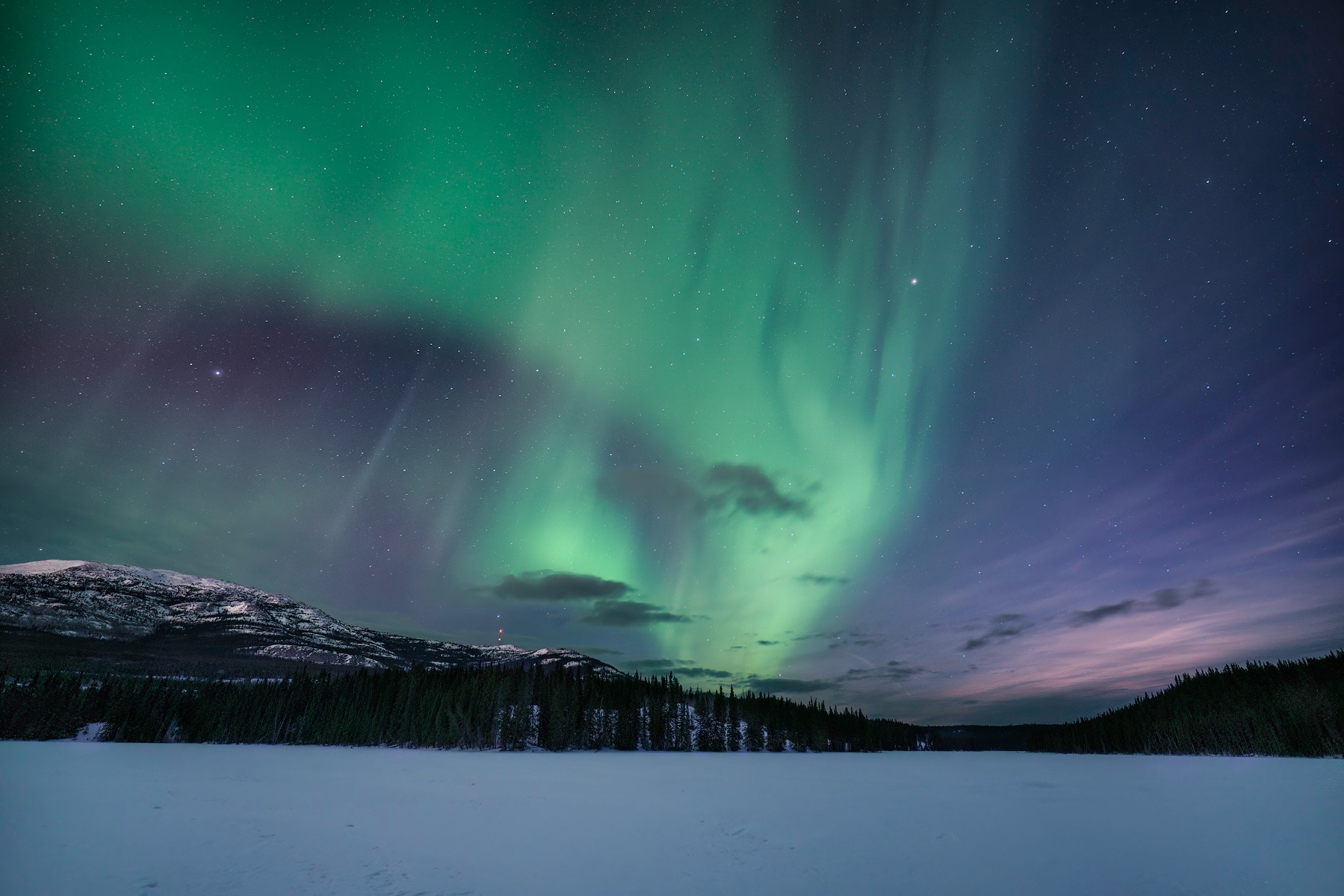
One of the defining features of trinity lenses is the constant aperture zoom lens design, typically with a maximum aperture of f/2.8.
A constant aperture means the lens maintains the same brightness throughout the entire zoom range. This makes exposure easier to control when changing focal lengths.
For photographers shooting in low light, such as sunset wildlife photography or indoor sports events, this brightness can make a significant difference.
For example, during an evening safari in Kruger National Park, light conditions can change quickly. A bright f/2.8 lens allows photographers to maintain faster shutter speeds and capture sharp images even as the sun sets.

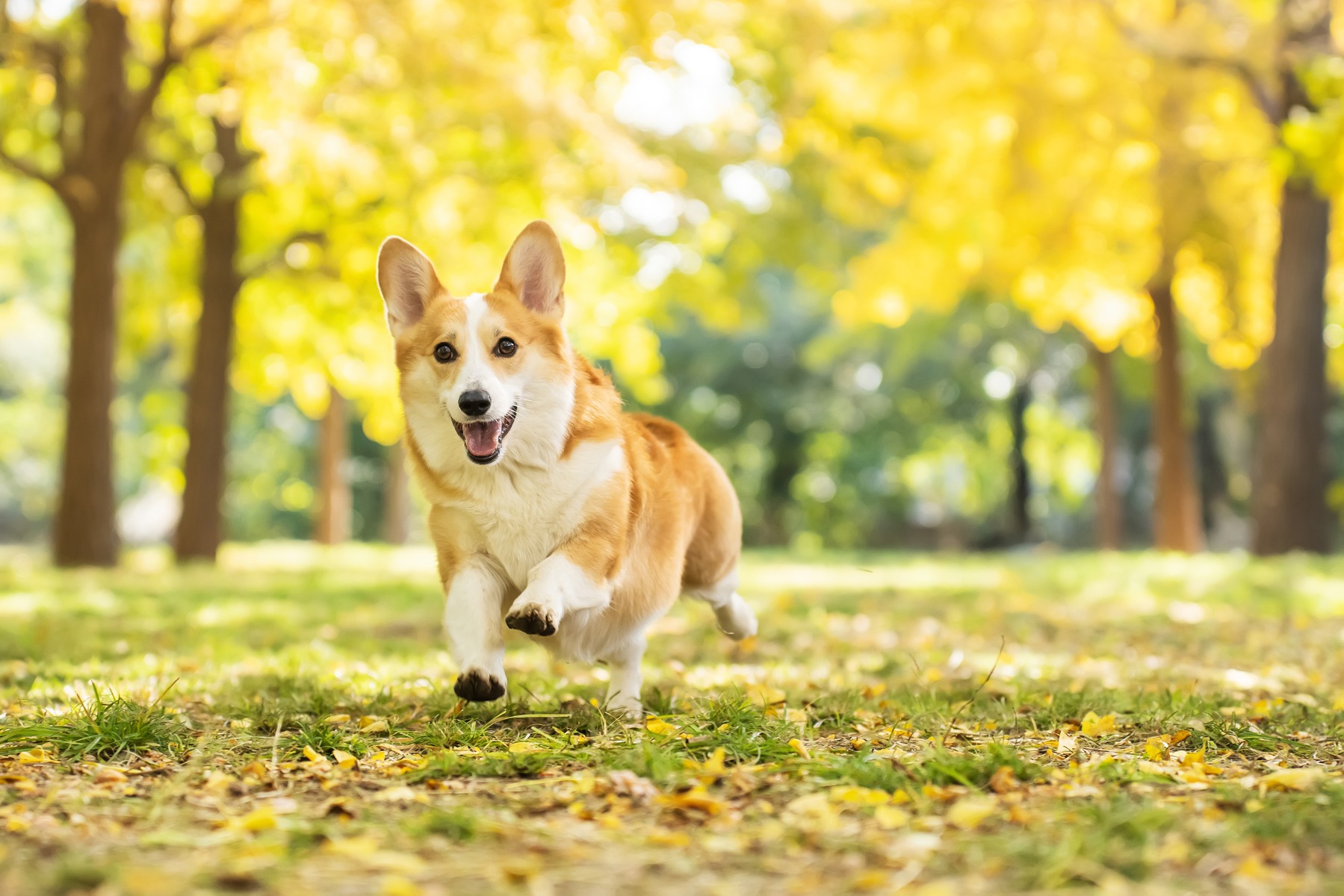
Another reason photographers appreciate trinity lenses is their ability to produce smooth background blur, also known as bokeh.
A wide aperture helps separate the subject from the background, creating images with strong visual impact.
Portrait photographers often rely on lenses such as the Tamron 24-70mm f/2.8 or Nikon 24-70mm f/2.8 because they provide flattering perspectives and attractive background blur.
For example, outdoor portraits taken along the Cape Town coastline or inside Kirstenbosch Botanical Garden benefit greatly from this shallow depth-of-field effect.
Manufacturers design holy trinity lenses using advanced optical elements that reduce distortion and improve clarity.
These lenses are engineered to deliver:
High sharpness
Strong contrast
Accurate colour reproduction
High image quality is especially important when photographing landscapes and wildlife. For example, capturing the dramatic cliffs of the Blyde River Canyon or the textures of the Drakensberg mountains requires lenses capable of resolving fine detail.
Because of their optical performance, trinity lenses are widely used by professional photographers, photojournalists, and advanced enthusiasts.
Perhaps the greatest advantage of the trinity setup is versatility.
With three lenses covering a wide range of focal lengths, photographers can move between different genres of photography with ease.
A typical workflow might look like this:
Use a wide-angle lens for landscapes or architecture
Use a 24-70mm f/2.8 standard zoom for everyday scenes and portraits
Use a telephoto lens for sports or wildlife photography
This flexibility allows photographers to cover travel, wildlife, portraits, and sports with a single lens system.
The 24-70mm f/2.8 lens is often considered the heart of the holy trinity lens lineup.
This focal range closely matches the natural perspective of the human eye, making it extremely versatile for many photography situations.
Many photographers rely on lenses like the Tamron 24-70mm lens for:
Travel photography
Portrait photography
Documentary photography
Event coverage
Because of its flexibility, the 24-70mm lens is frequently the lens photographers keep mounted on their camera most of the time.
The classic trinity lens setup is often associated with full-frame cameras, but photographers can also build holy trinity lenses for APS-C systems.
For crop-sensor cameras, photographers typically choose lenses that provide similar focal length coverage when the crop factor is considered.
For example, photographers looking for a 24-70mm f/2.8 for APS-C may choose lenses that offer an equivalent field of view.
This allows APS-C users to enjoy many of the same benefits of the trinity system, including flexibility and consistent aperture performance.
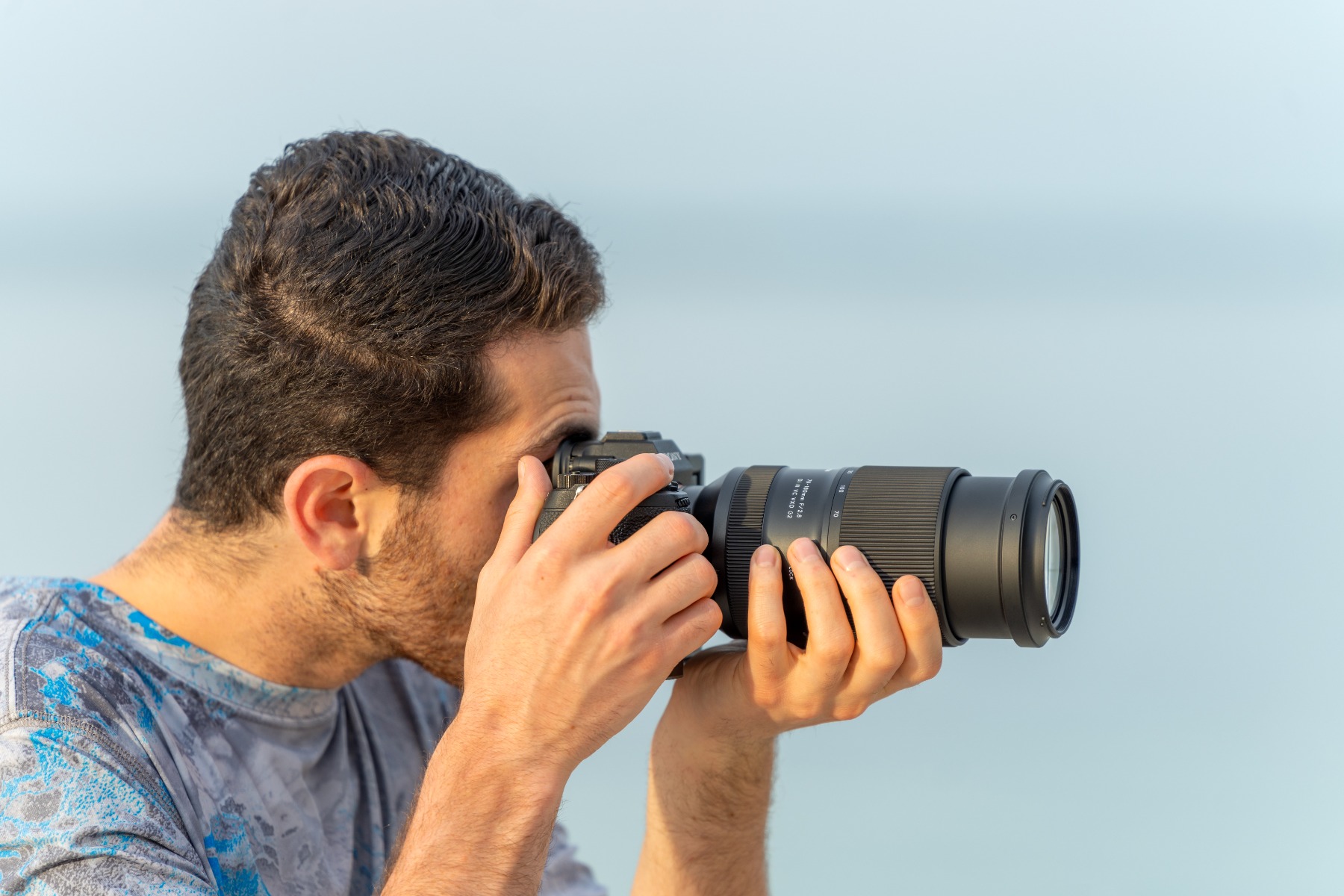
Many photographers ask: do I need holy trinity lenses?
The answer depends largely on your photography style.
If you regularly photograph multiple subjects — such as wildlife, travel, landscapes, sports, and portraits — the trinity setup can greatly improve your efficiency.
Instead of carrying many different lenses, you can rely on three versatile zoom lenses that cover nearly every situation.
However, beginners or hobbyists may prefer lighter equipment or prime lenses depending on their needs.
Ultimately, holy trinity lenses are designed for photographers who want a professional, flexible lens system capable of handling almost any photographic challenge.