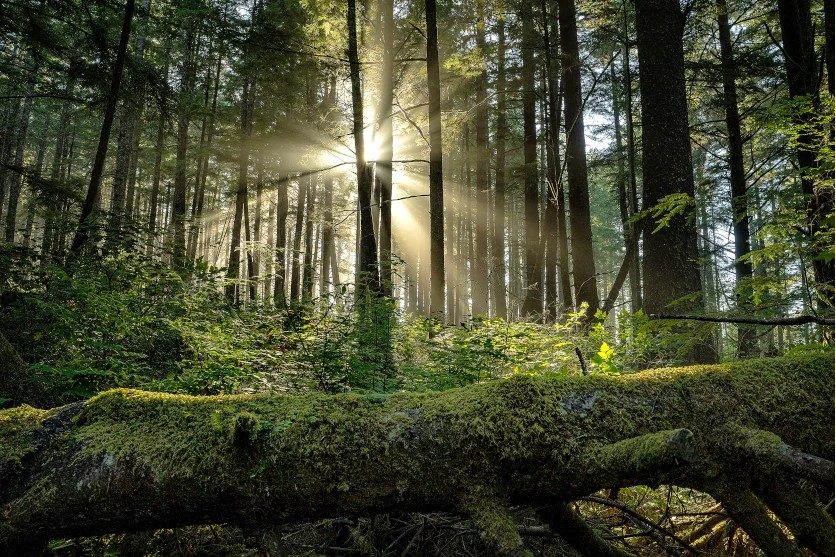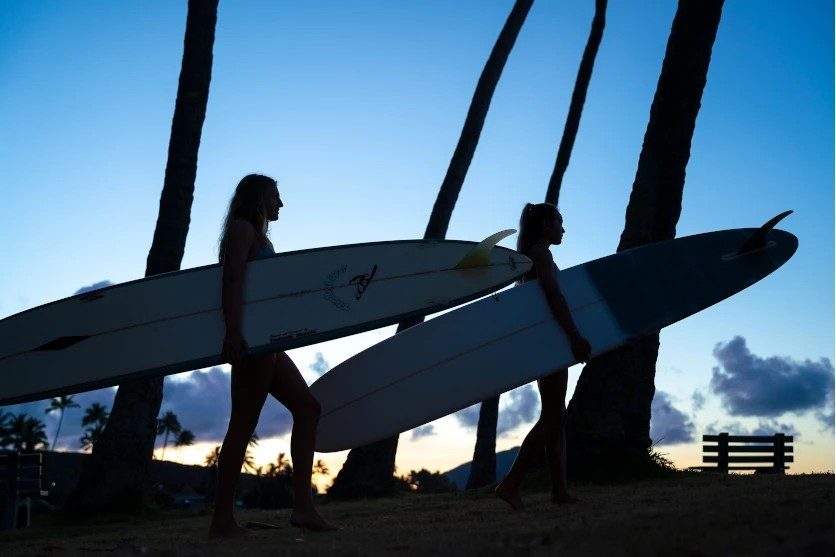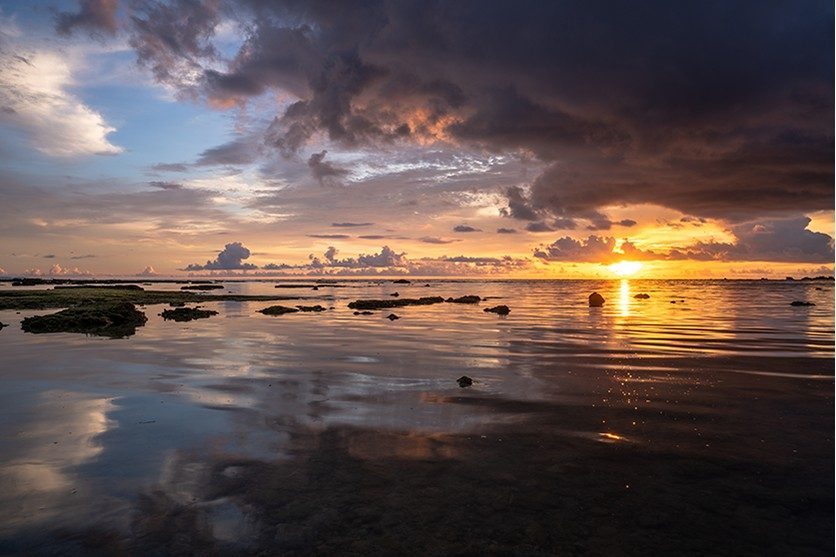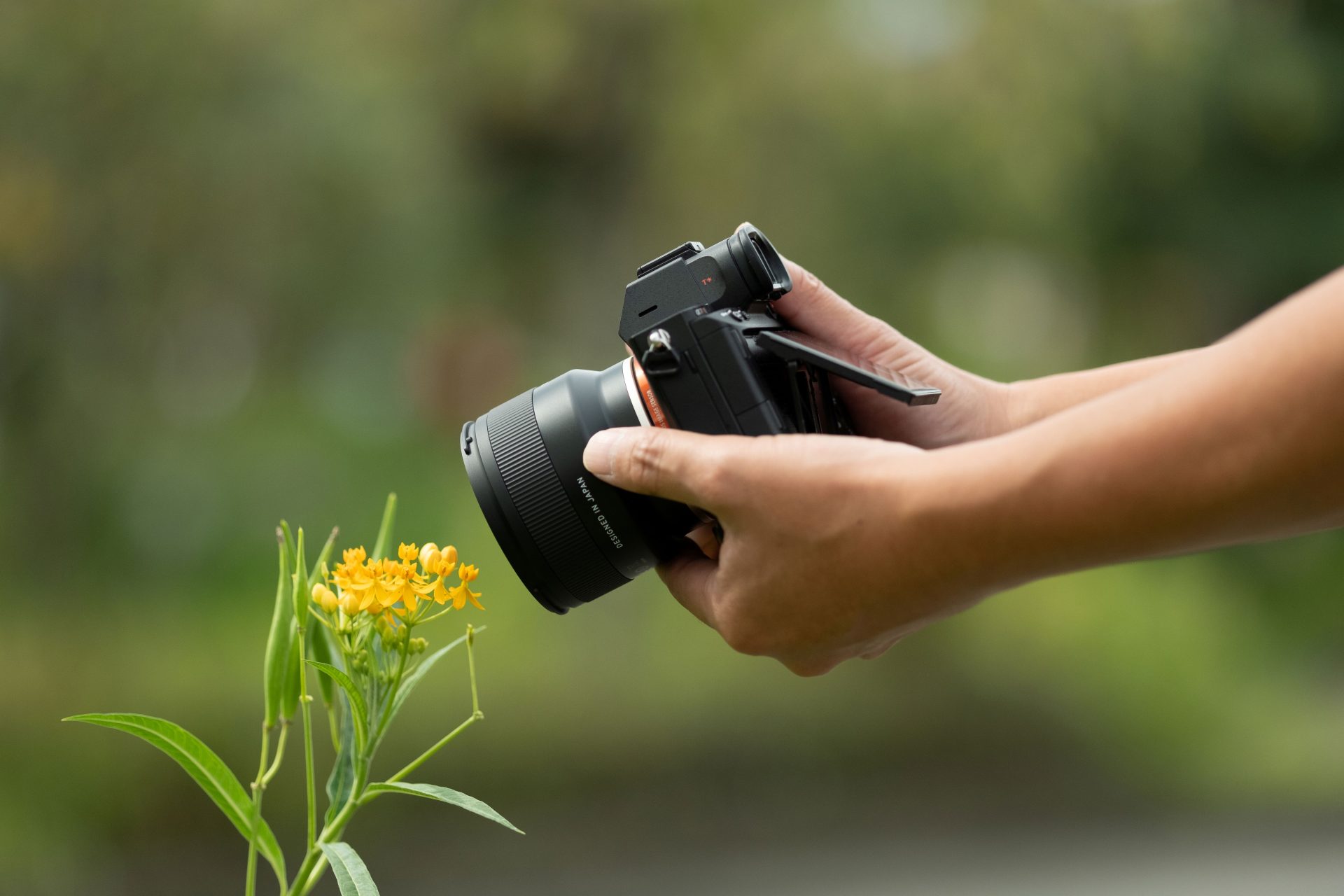
Picture a summer thunderstorm rolling across the Highveld at sunset, the sky shifting from deep purple to copper within minutes. Capture it as a JPEG and those subtle colours can band or burn out; capture it as a RAW photo and you keep far more information to work with later. Choosing between the two is one of the first decisions in RAW shooting. This guide explains how the two differ, the strengths and weaknesses of each, how processing works and the scenes where RAW makes the biggest difference.
What is a RAW photo, and what is RAW shooting?
A RAW photo is a file containing the data recorded by the camera’s image sensor before it has been turned into a finished image. Each photosite on the sensor sits beneath a red, green or blue filter and records a single brightness value; the full-colour picture is only created later, when software combines those values in a step known as demosaicing. Because nothing has yet been fixed in place, a RAW file is often compared to a film negative: it holds