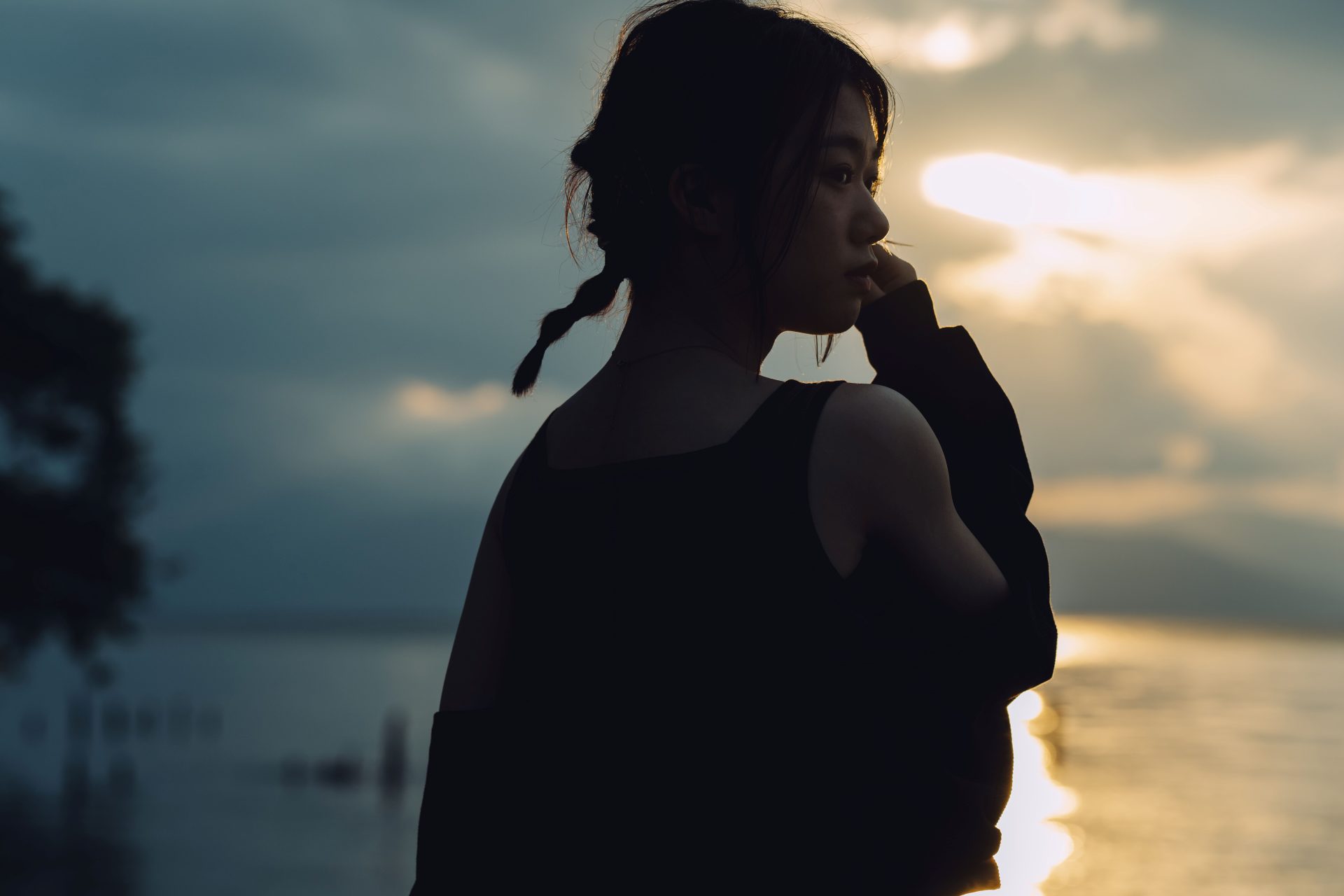
Light in South Africa is unforgiving. At altitude on the Highveld, under a clear summer sky at midday, the gap between the brightest and darkest parts of a scene can be enormous, far wider than what a camera records in a single frame. The result is familiar: a sky that goes white, a subject that goes black, or both at once. Understanding dynamic range is what separates a photographer who works around those conditions from one who is defeated by them. This article explains what dynamic range is, how it is measured, and how to get the most out of yours.
What is dynamic range in a camera?
Dynamic range is the span of brightness a camera can record in one exposure, from the darkest tone that still holds detail through to the brightest tone that has not turned to pure white.
Your eyes are far better at this than any sensor. Human vision adapts continuously, the iris adjusting while the brain merges information gathered across those adjustments, so you can stand on a shaded stoep and read detail