| September 18, 2026
 South Africa's #1 Mobile Protection Brand
Photography is all about capturing the world through your unique perspective, and a fundamental element that shapes every shot is lens focal length. Whether you’re photographing the jacaranda-lined streets of Pretoria, the dramatic peaks of the Drakensberg, or wildlife in Kruger National Park, understanding focal length will help you frame your shots, control depth of field, and bring your creative vision to life.
In this guide, we’ll explore what lens focal length is, how it affects the angle of view and focal length lenses, and how to choose the right lens for your photography in South Africa.
The focal length of a lens is the distance between the lens’s optical center and the camera’s sensor. This distance determines how much of a scene the lens captures and how objects appear in relation to each other.
For example, a wide-angle lens with a short focal length can capture the sweeping view of Table Mountain or a bustling Cape Town cityscape. A telephoto lens with a long focal length allows you to photograph wildlife in Kruger National Park without disturbing the animals.

Understanding lens focal length is essential for photographers of all levels because it directly influences composition, perspective, and the overall storytelling of your images.
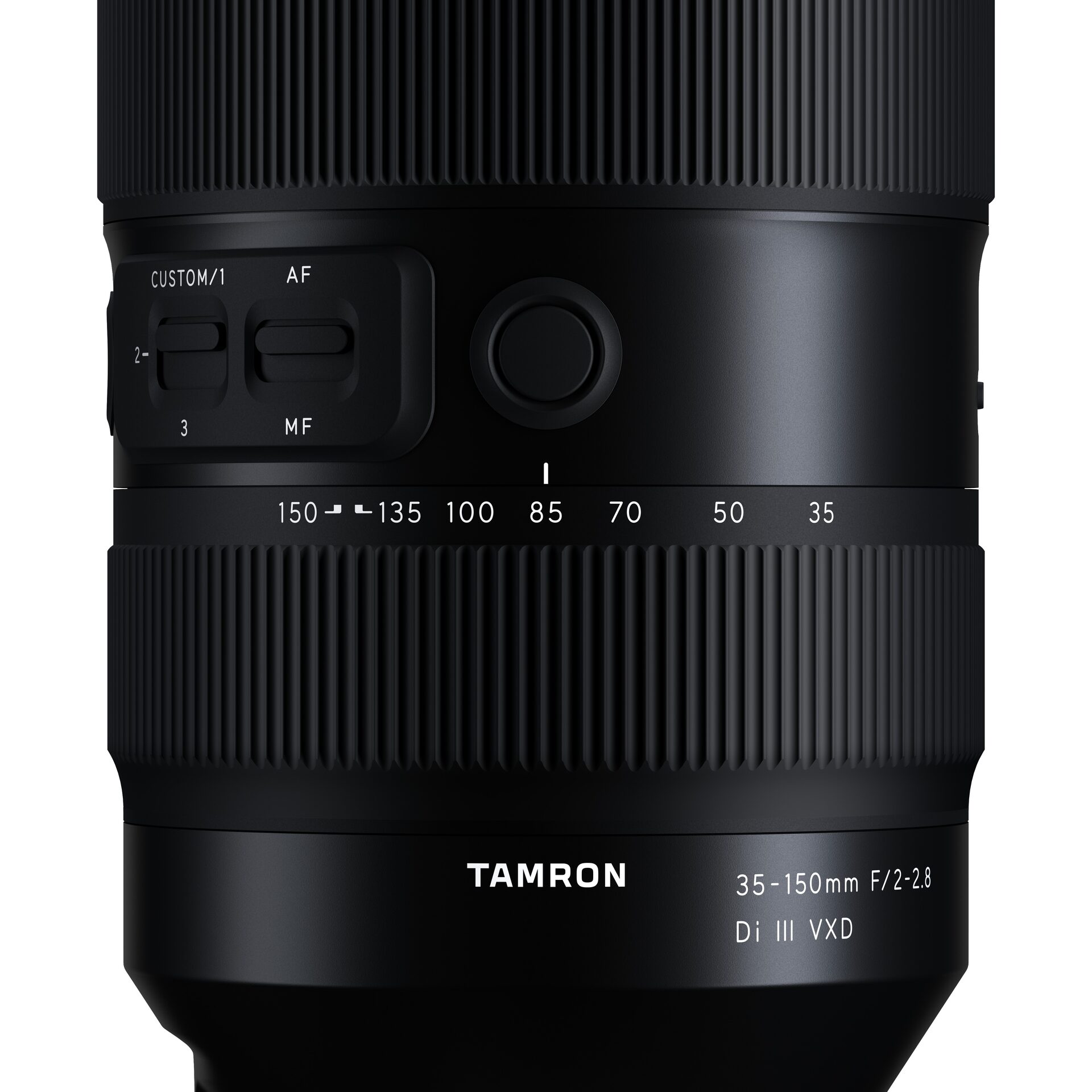
You’ve probably seen lenses labeled with numbers like 24mm, 50mm, or 70–200mm. These numbers indicate the focal length of the lens in millimeters.
Prime lenses have a fixed focal length, such as 35mm or 50mm. They are often sharper and lighter, ideal for portraits or street photography in cities like Johannesburg or Durban.
Zoom lenses cover a range of focal lengths, such as 24–70mm or 70–300mm. These lenses provide versatility, perfect for landscapes, wildlife, or capturing the action at a local rugby match.
Knowing what mm on a lens means helps you select the right lens for the scene you want to capture.

The angle of view is how much of a scene your lens can capture. It changes with lens focal length:
Wide-angle lenses (<35mm): Capture broad landscapes like the Cape Winelands or the Garden Route coastline.
Standard lenses (~50mm): Offer a natural perspective for street photography in Cape Town or Durban.
Telephoto lenses (>80mm): Bring distant subjects closer, ideal for photographing elephants, lions, or birds on safari.
Choosing the right lens focal length ensures your subjects are framed perfectly while maintaining the composition you envision.


Depth of field refers to how much of your image appears sharp from foreground to background. Your lens focal length affects this:
Wide-angle lenses have a deep depth of field, keeping landscapes like the Drakensberg in sharp focus from front to back.
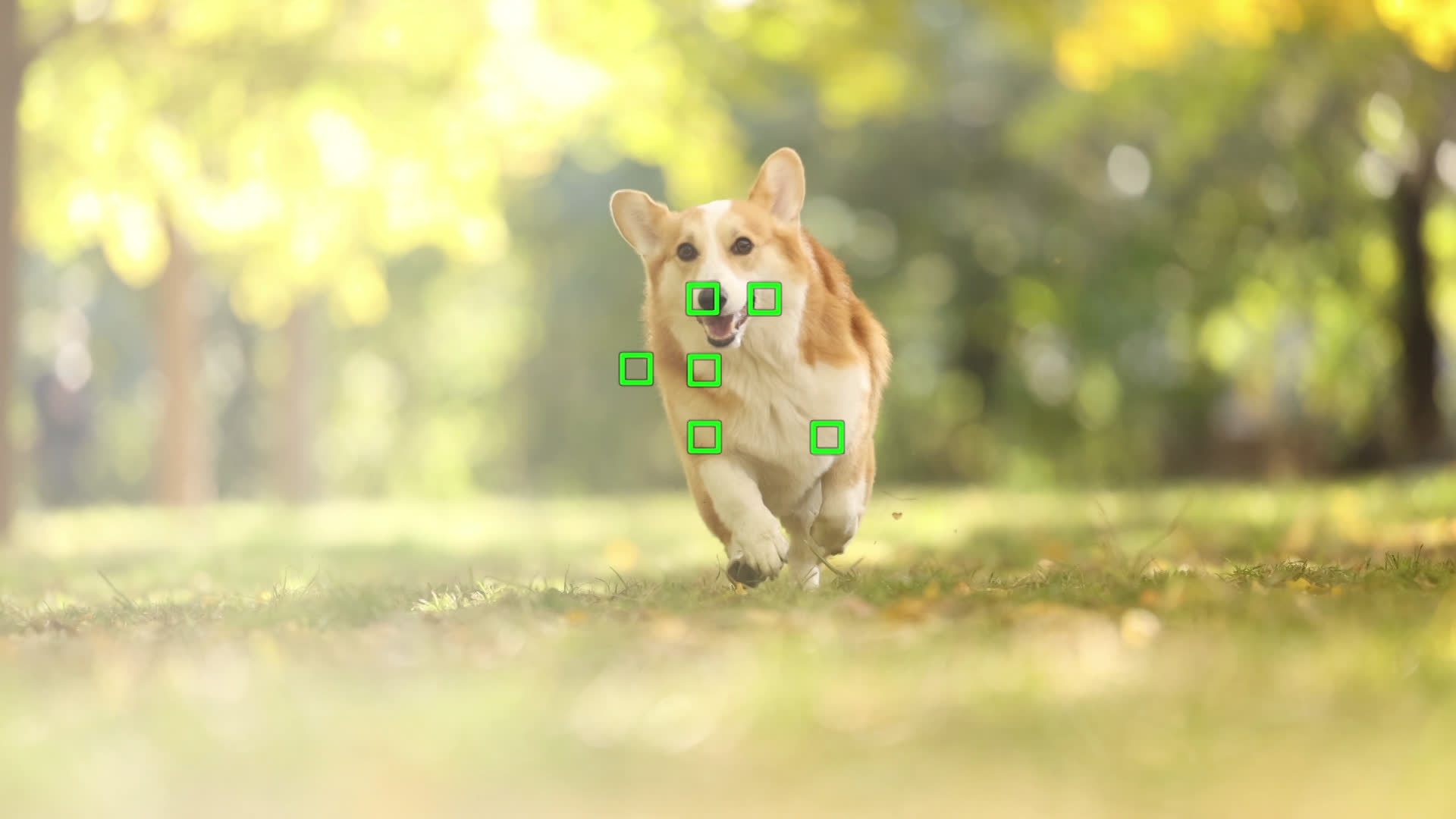
Telephoto lenses produce a shallower depth of field, creating beautiful bokeh that makes your subject, such as a lion in Kruger Park, stand out against a blurred background.
Understanding how focal length lenses impact depth of field helps you create the desired artistic effect in your photographs.
The size of your camera’s sensor also affects the angle of view:
Full-frame sensors capture the entire angle of view specified by the lens.
APS-C or smaller sensors crop the image, effectively increasing the apparent focal length.
For example, a 50mm lens on an APS-C camera behaves like a 75mm lens on a full-frame camera. Learning to calculate focal length using the sensor size is important when selecting lenses for your Canon, Nikon, Sony, or Fujifilm camera in South Africa.
The F-number (aperture) of a lens works hand-in-hand with focal length. Larger apertures (smaller F-number) allow more light in and create shallower depth of field. This is perfect for:
Capturing the golden-hour light over Table Mountain.
Blurring the background in city portraits in Johannesburg.
Highlighting wildlife against a blurred savannah in Kruger National Park.
When choosing focal length lenses, consider how the F-number will influence exposure and artistic effect.
Depending on what you photograph, different focal length lenses suit different scenarios:
Ideal for landscapes along the Garden Route or Cape Town coastlines.
Examples: 10–24mm, 16–35mm lenses.
Perfect for street photography, cityscapes, and everyday versatility.
Examples: 24–70mm, 24–105mm lenses.
Capture wildlife on safari or sports events like cricket and rugby.
Examples: 70–200mm, 100–400mm lenses.
For distant wildlife, birds, or detailed landscape features.
Examples: 150–600mm lenses.
Understanding lens focal length empowers you to capture every South African scene as you imagine it. Whether shooting wide landscapes, street photography, or wildlife, choosing the right focal length lenses makes all the difference.
By applying these concepts, you can master your camera, frame compelling shots, and bring your photography vision to life across South Africa’s diverse landscapes.