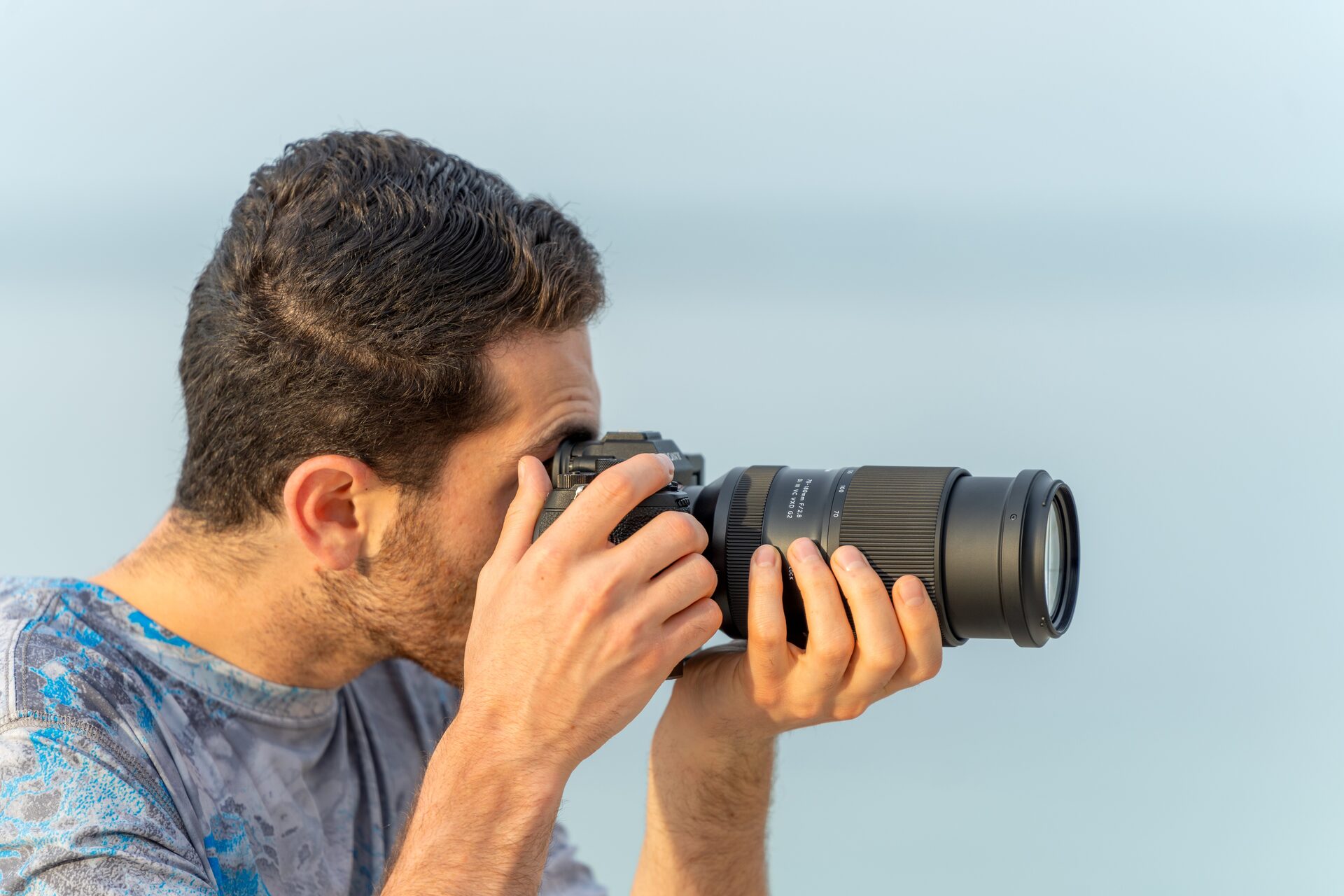
Learning how to use a DSLR for beginners can feel overwhelming at first, especially when you’re faced with unfamiliar buttons, settings, and photography jargon. The good news is that once you understand a few essential camera basics, you can start taking beautiful photos almost immediately.
This beginner DSLR camera guide is designed for everyday photographers who want to take better pictures using simple, practical techniques. Whether you’re capturing family moments, travel scenes, landscapes, or lifestyle shots, mastering exposure, composition, light, and lens choice will help you take clean photos with confidence.
How to Use DSLR for Beginners: Master Exposure for Clean, Well-Balanced Photos
Exposure is one of the most important camera basics to understand when learning how to use a DSLR for beginners. Exposure controls how bright or dark your image appears and is determined by three settings: aperture, ISO, and shutter speed.
Balancing these settings correctly allows you to take clean photos in a wide range of lighting conditions, from bright outdoor scenes to indoor environments.
What Is f-stop (Aperture)?
Aperture controls how much light enters your camera through the lens. It also affects how much of your photo is in focus.
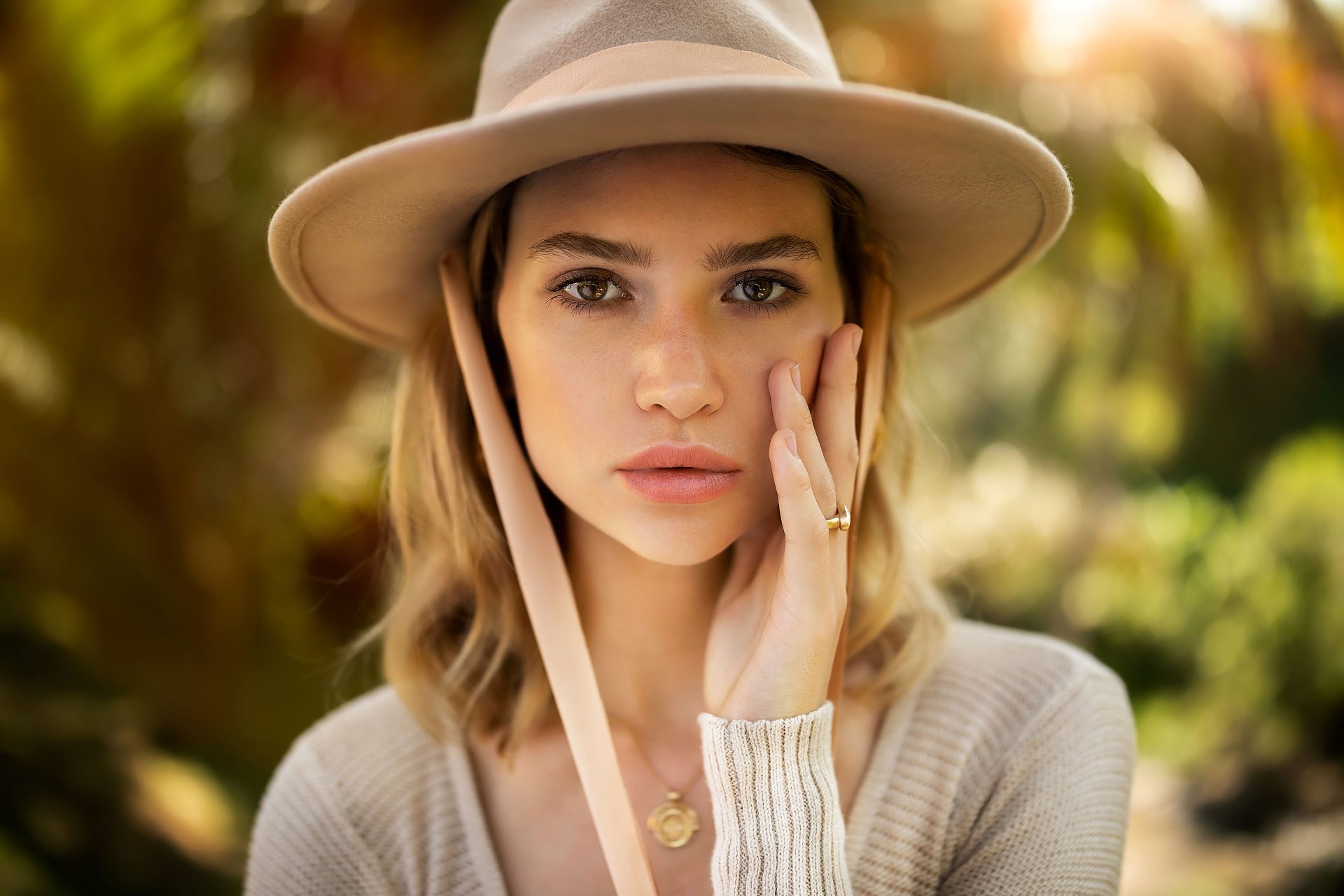
A wide aperture (small f-number like f/2.8) lets in more light and creates a soft, blurred background, which is ideal for portraits and detail shots. A narrow aperture (large f-number like f/11) keeps more of the scene in focus, making it useful for landscapes and group photos.
For beginners, adjusting aperture is one of the easiest ways to start taking beautiful photos with a DSLR.
What Is ISO Sensitivity?
ISO controls how sensitive your camera sensor is to light. A low ISO (100–200) produces cleaner images with less grain, making it ideal for bright outdoor conditions. Higher ISO values brighten your image in low light but can introduce visible noise.
When learning how to take clean photos, keep ISO as low as possible and only increase it when light levels are low.
What Is Shutter Speed?
Shutter speed determines how long the camera sensor is exposed to light. Faster shutter speeds freeze motion, while slower speeds create motion blur.
If you’re photographing movement, such as people walking or sports action, faster shutter speeds help you take sharper images. Slower shutter speeds can be used creatively for light trails or low-light scenes when your camera is stabilised.
Utilize Your Camera’s Exposure Modes
Beginner DSLR cameras include automatic and semi-automatic modes that make learning easier. Aperture Priority mode allows you to control aperture while the camera selects the remaining settings, making it ideal for beginners.
Using these modes helps you understand exposure without needing to adjust everything manually.
Use Exposure Compensation to Adjust Brightness
Exposure compensation allows you to brighten or darken your photo without changing individual settings. This is especially useful in high-contrast scenes where the camera’s automatic exposure may not be accurate.
Learning this simple adjustment is a key step in how to take better pictures with a DSLR.
How to Take Beautiful Photos by Using Aperture on a Beginner DSLR Camera
Aperture is one of the most creative tools available on a beginner DSLR camera. By adjusting aperture, you control both brightness and background blur.
Using a wide aperture helps isolate your subject and creates visually pleasing images. Smaller apertures are useful when you want sharpness throughout the frame, such as in landscape photography.
Understanding aperture gives beginners creative control and helps transform ordinary scenes into beautiful photos.
How to Take Better Pictures with Simple Composition Rules for Beginners
Composition is how elements are arranged within your frame. Strong composition often matters more than expensive equipment when learning how to take better pictures.
By using a few basic composition techniques, you can instantly improve your photography.
Look for Leading Lines
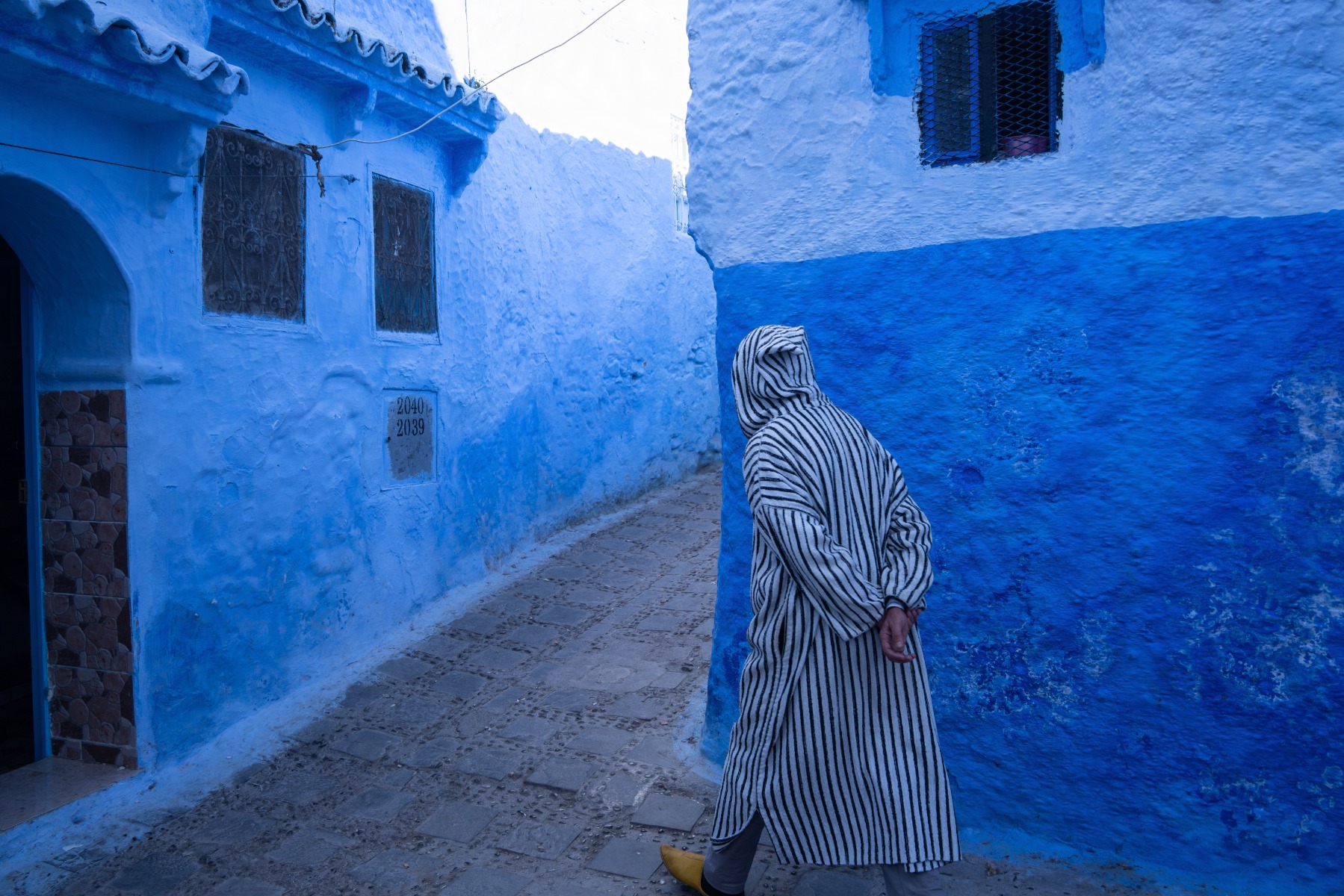
Leading lines guide the viewer’s eye through the image. Roads, paths, fences, and architectural lines can all draw attention to your subject.
This technique works especially well for landscapes, city scenes, and travel photography.
Basic Photography Composition: Rule of Thirds
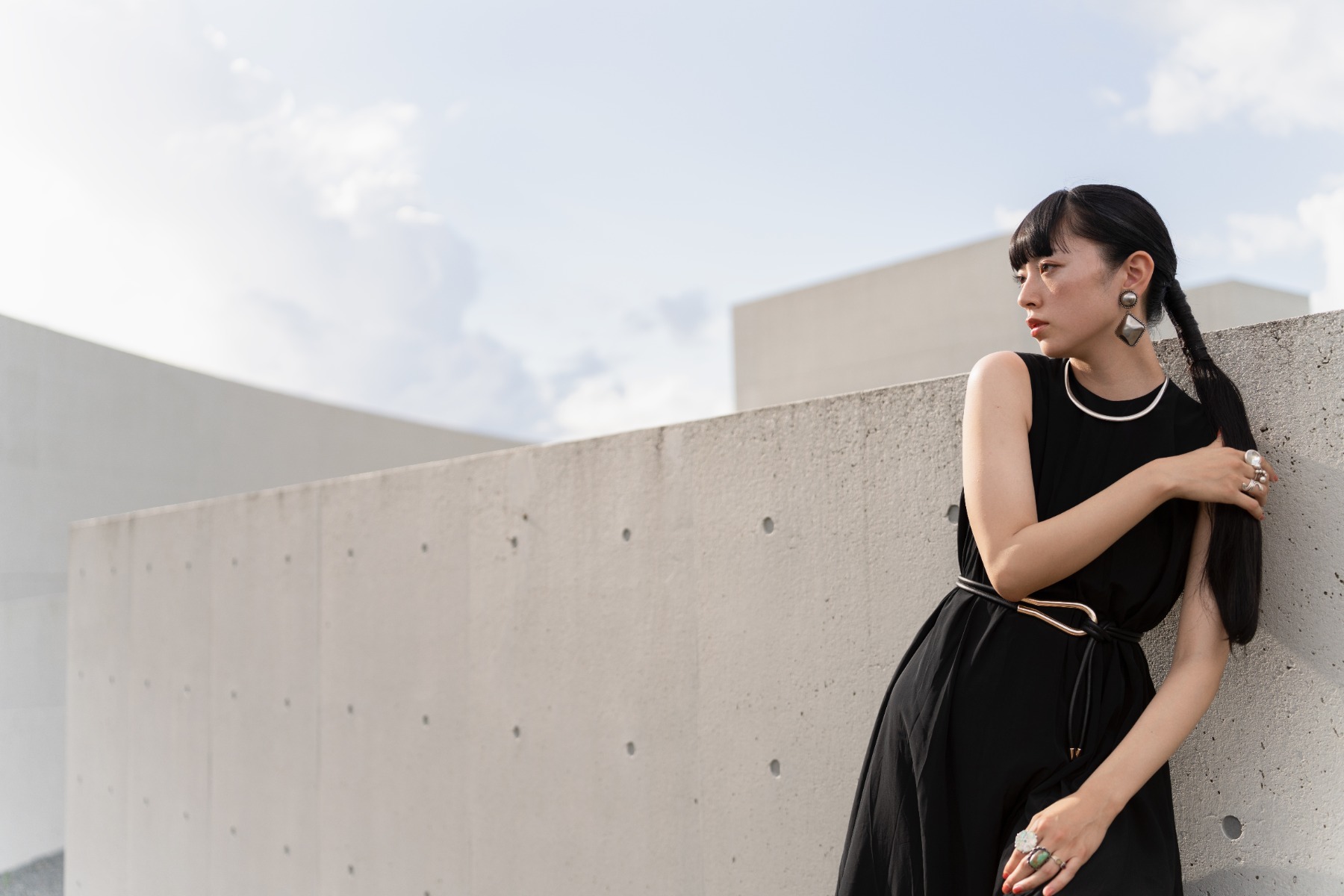
The rule of thirds divides your frame into nine equal sections. Placing your subject along these lines or intersections creates balance and visual interest.
This is one of the most effective composition rules for beginners.
Basic Photography Composition: Diagonal Composition

Diagonal lines add energy and movement to your photos. Positioning elements diagonally makes images feel more dynamic and engaging.
This technique works well for lifestyle and action photography.
Basic Photography Composition: Triangular Composition
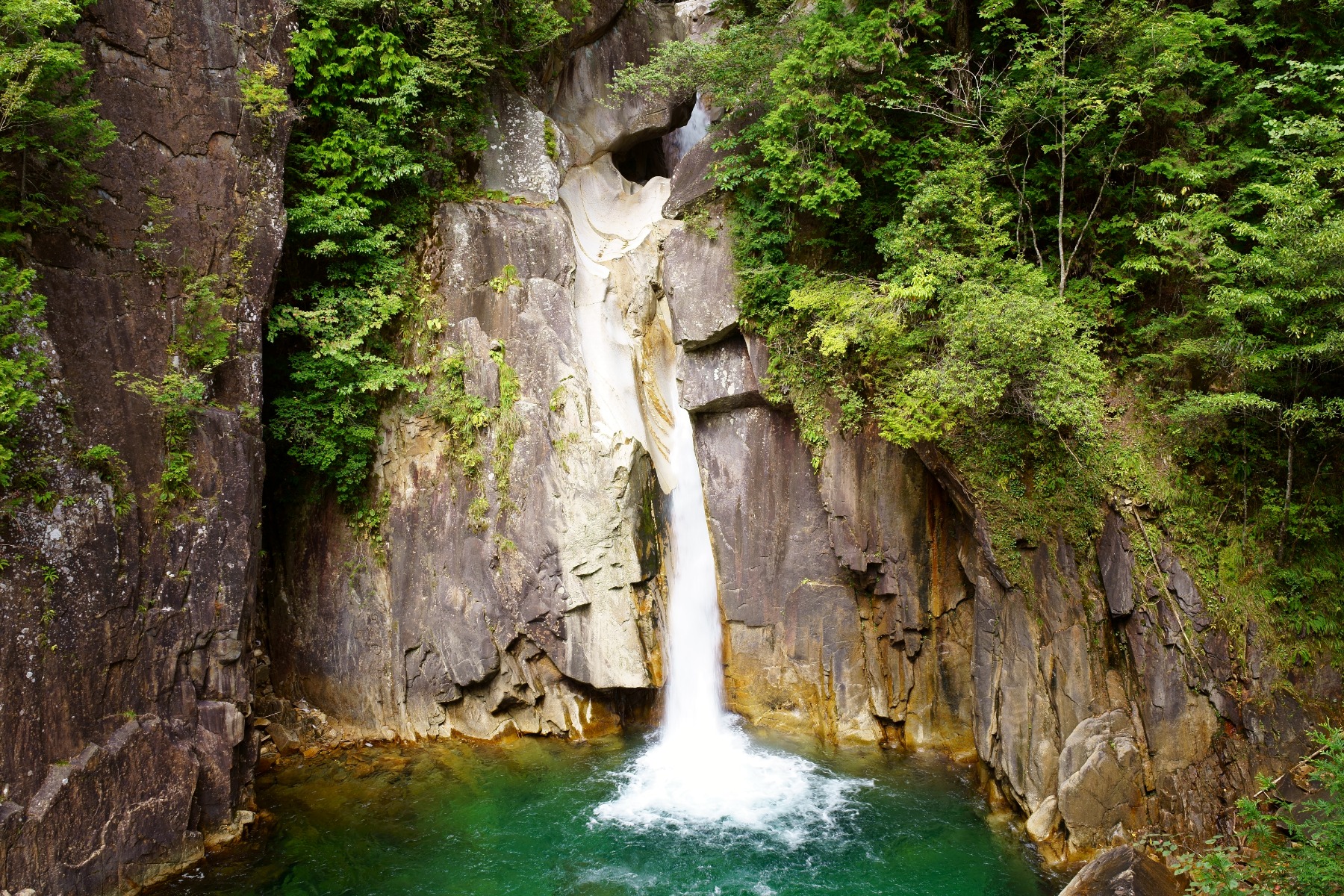
Triangular composition uses three points of interest to create balance. It is particularly effective for group shots, still life, and food photography.
Try Incorporating Other Compositions
Once you’re comfortable with the basics, experiment with framing, symmetry, and negative space. Creativity grows with practice, and there’s no single “correct” composition.
How to Use DSLR for Beginners: Improve Photos by Changing Your Shooting Angle
One of the simplest ways to take better pictures is to change your angle or position. Shooting from eye level is common, but stepping closer, crouching down, or shooting from above can dramatically improve your results.
Movement encourages creativity and helps beginners see scenes differently without changing equipment.
How to Take Clean Photos by Understanding Light Direction on a DSLR
Light direction has a major impact on mood, texture, and clarity. Learning how light interacts with your subject is essential when learning how to use a DSLR for beginners.
When You Want Clear Images, Go for Direct Light
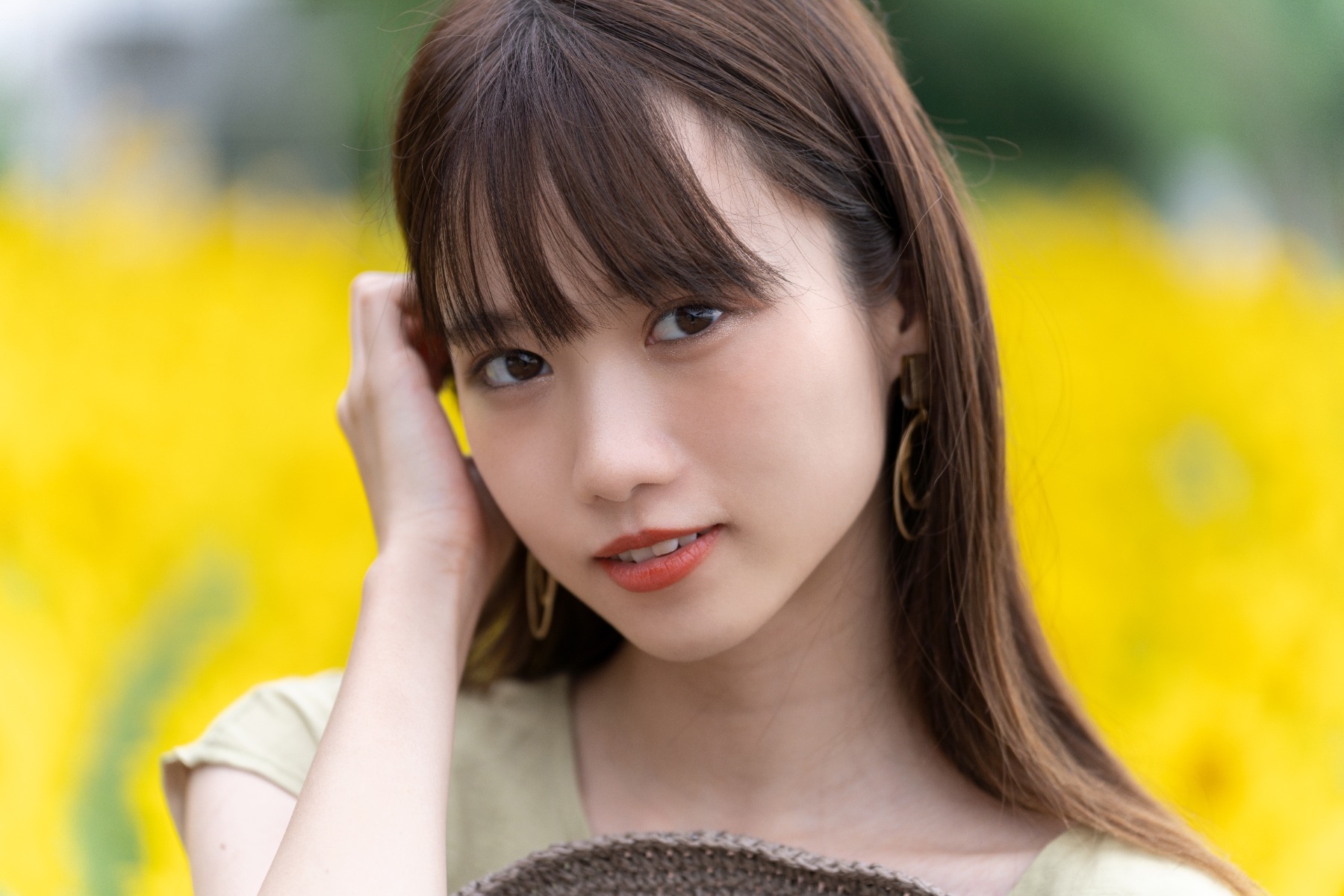
Direct light produces bright, evenly lit images. However, harsh midday light can create strong shadows, so using shade or diffused light helps maintain clean photos.
Use Back Light to Produce Emotional Moods
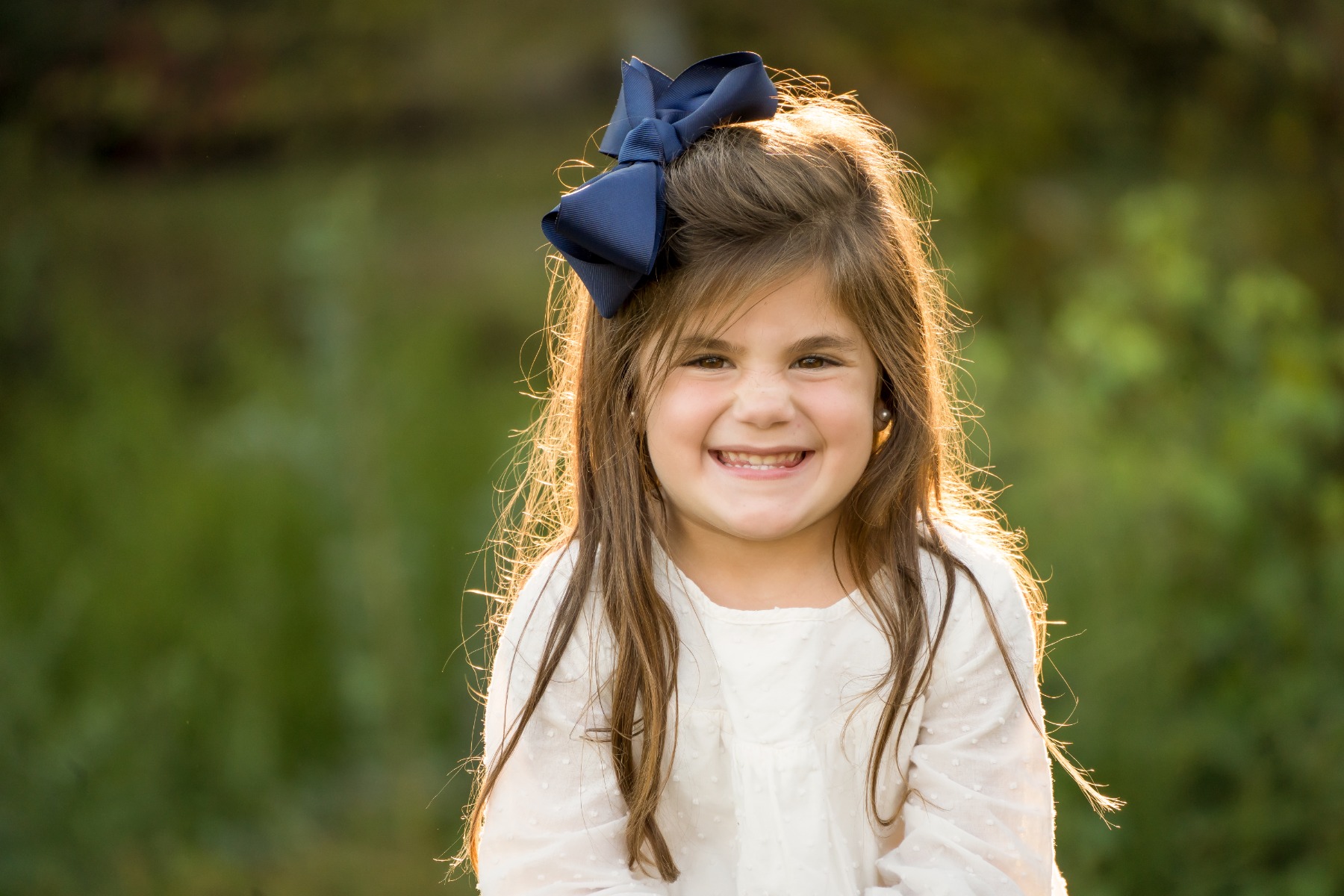
Backlighting places the light source behind your subject, creating silhouettes or glowing edges. This technique works beautifully for portraits and sunset photography.
Side Light Emphasizing Shadows on the Subject
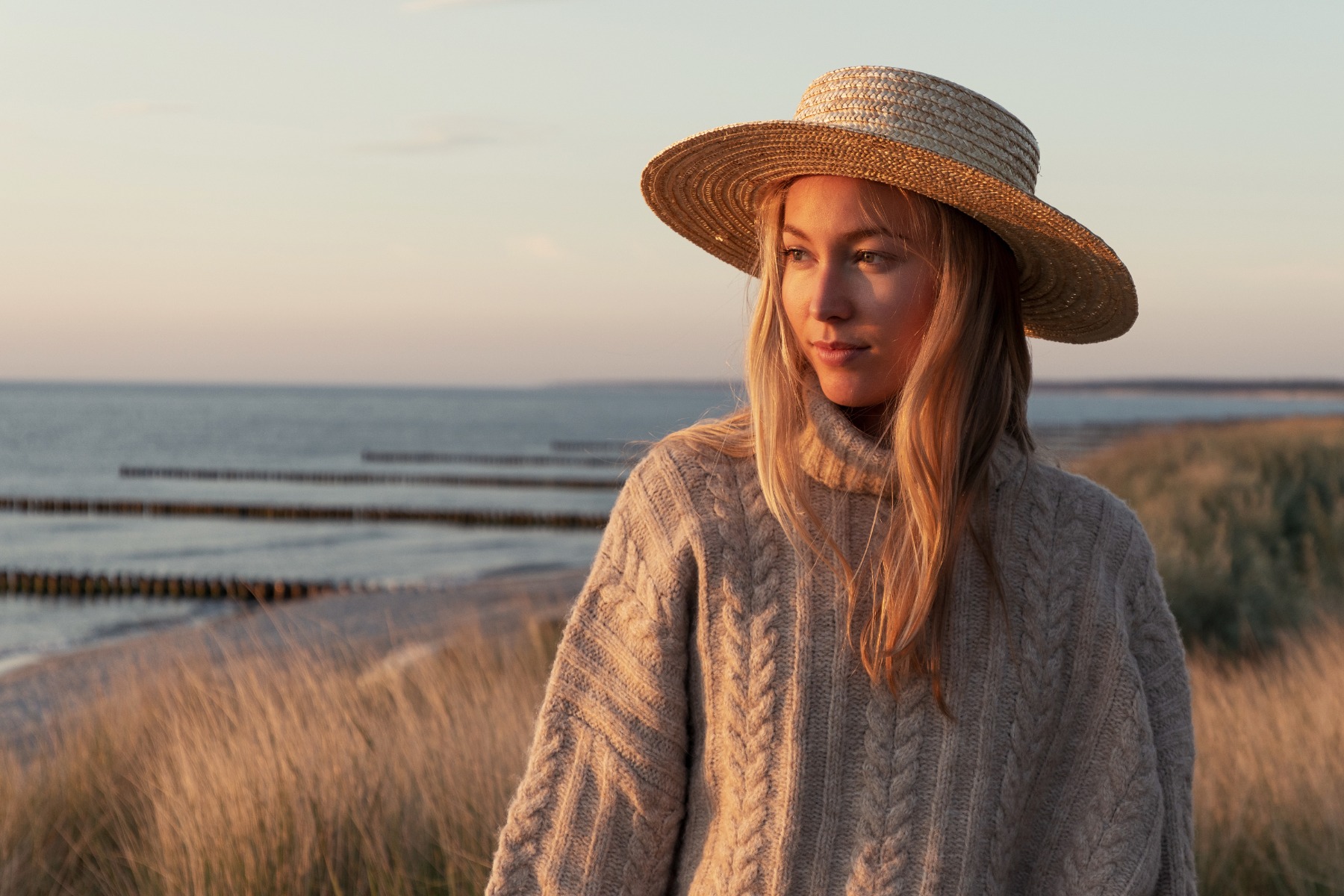
Side lighting highlights texture and depth. It’s ideal for portraits, food photography, and artistic still life images.
How to Use DSLR for Beginners: Choosing the Right Lens for Better Pictures
Lens choice influences how your photo looks more than camera bodies. Understanding basic lens types helps beginners make better creative decisions.
Prime Lenses Make It Easier to Produce Bokeh

Prime lenses have a fixed focal length and often offer wider apertures. They’re excellent for portraits and low-light photography.
Wide-Angle Lenses for Shooting Dynamic Landscapes
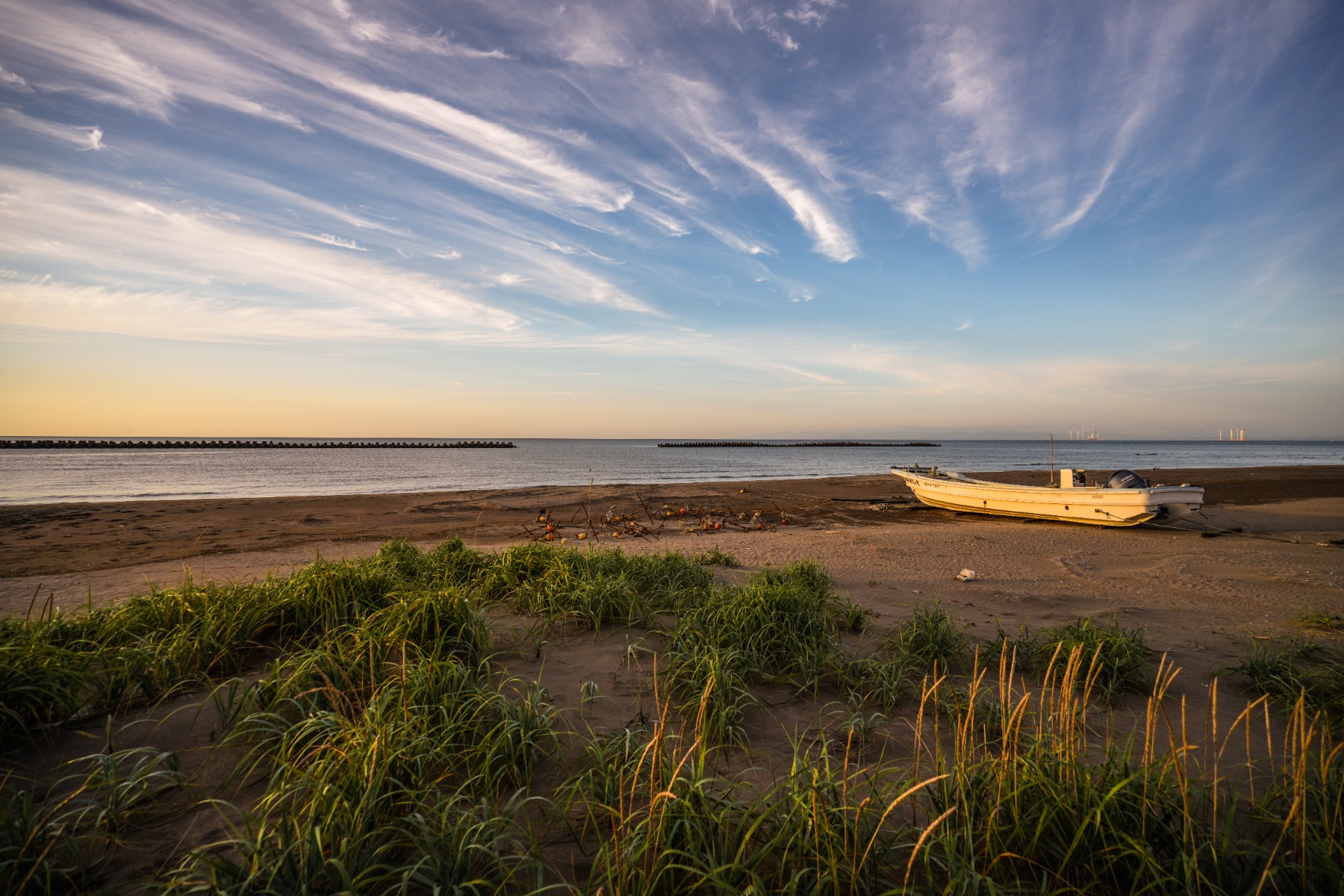
Wide-angle lenses capture more of the scene and work well for landscapes, interiors, and travel photography.
Standard Lens as the Ideal Option for Portraits and Snapshots
Standard zoom lenses are versatile and perfect for everyday photography. They’re a great starting point for beginner DSLR users.
Telephoto Lens for Shooting Subjects from Far Away
Telephoto lenses allow you to photograph distant subjects, making them useful for sports, wildlife, and candid moments.
Camera Basics for Beginners: Accessories That Help You Take Better Pictures
Accessories can improve image quality when used correctly, but beginners don’t need a lot of gear to start.
Tripod
A tripod stabilises your camera and is essential for night photography, landscapes, and long exposures.
Filter
Filters help manage reflections and light intensity. Polarising and neutral density filters are especially useful for outdoor photography.
Flash
Flash can brighten low-light scenes but requires practice. Beginners should focus on natural light before relying on flash.
How to Take Better Pictures: Beginner DSLR Tips for Real-Life Situations
Different scenes require different approaches. Understanding these scenarios helps beginners adapt quickly.
Shooting Portraits
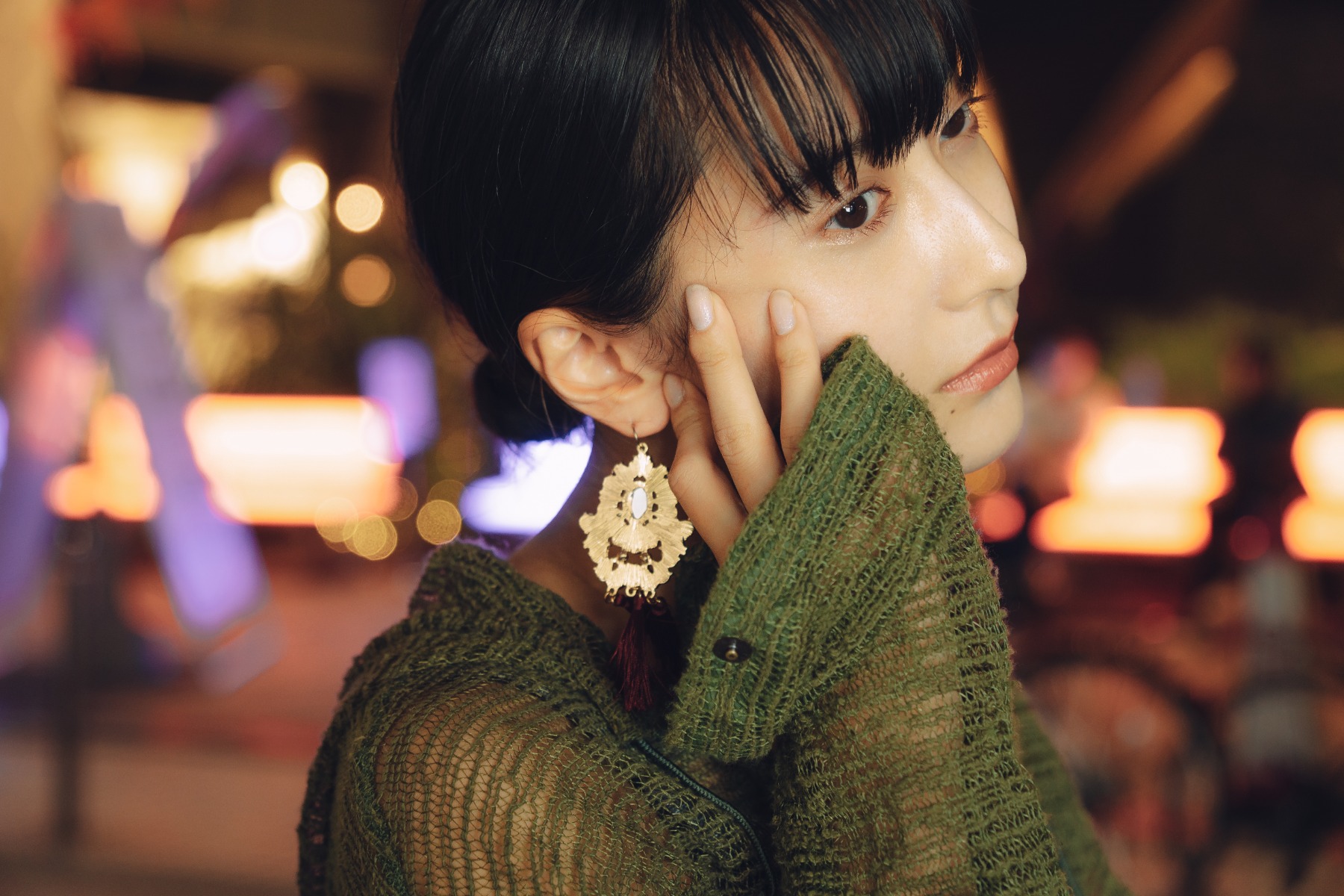
Use a wide aperture to blur backgrounds and focus on the eyes for sharp, engaging portraits.
Shooting Sports Photography
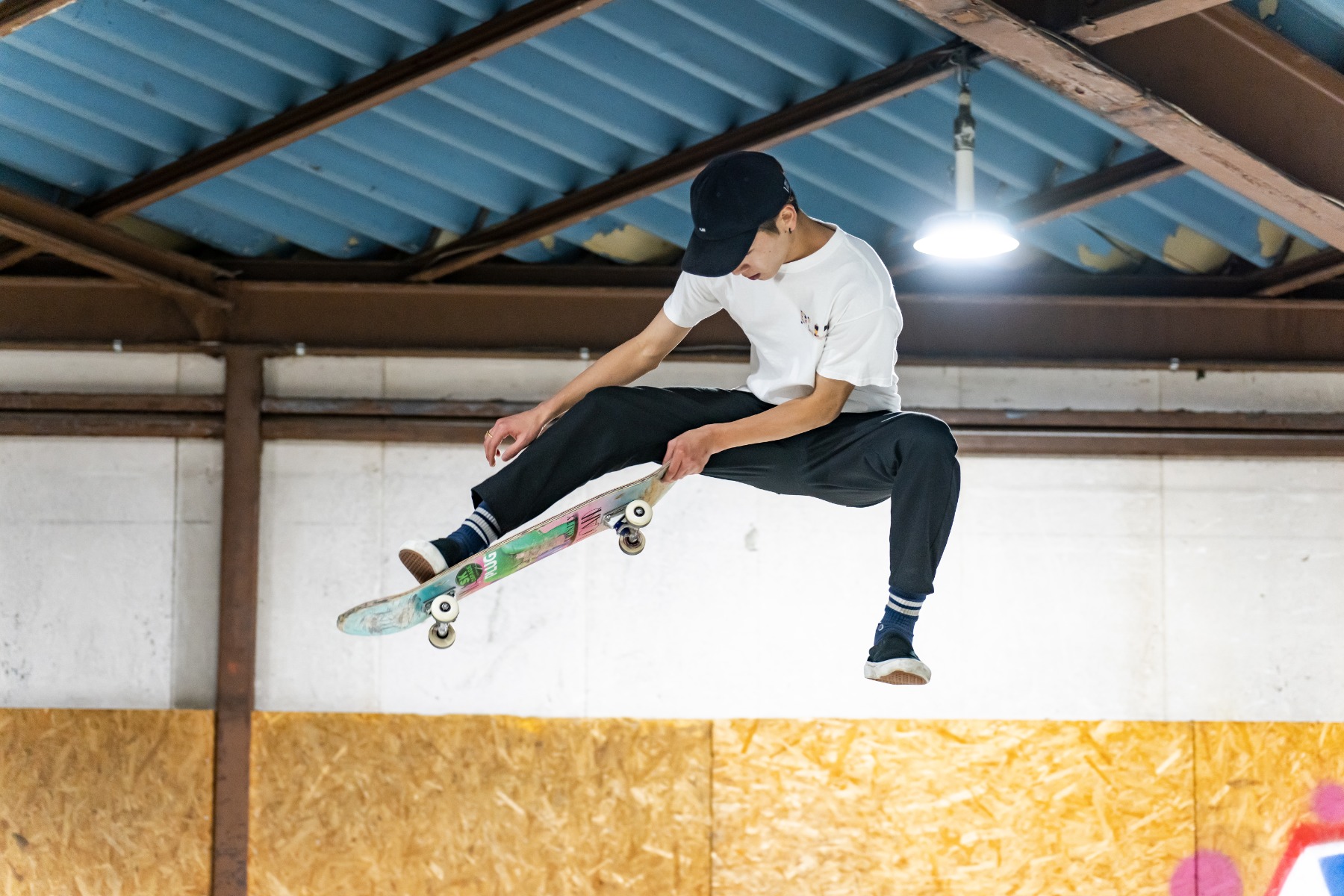
Fast shutter speeds and continuous autofocus help freeze motion and capture action clearly.
Photographing Children and Pets

Shoot at eye level and use faster shutter speeds to capture natural movement.
Shooting Natural Landscapes
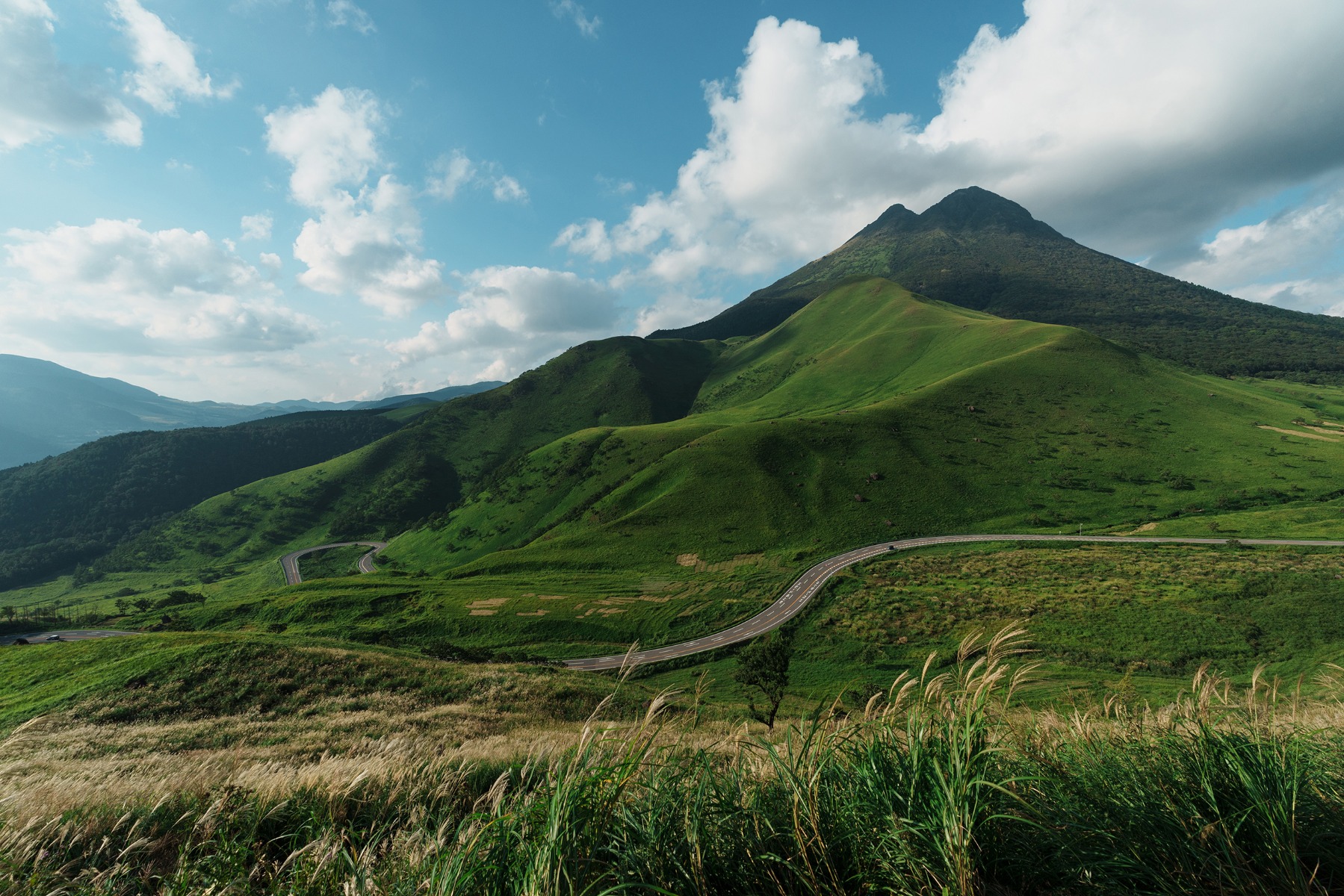
Use smaller apertures for sharpness and pay attention to composition and light.
Shooting Night Views
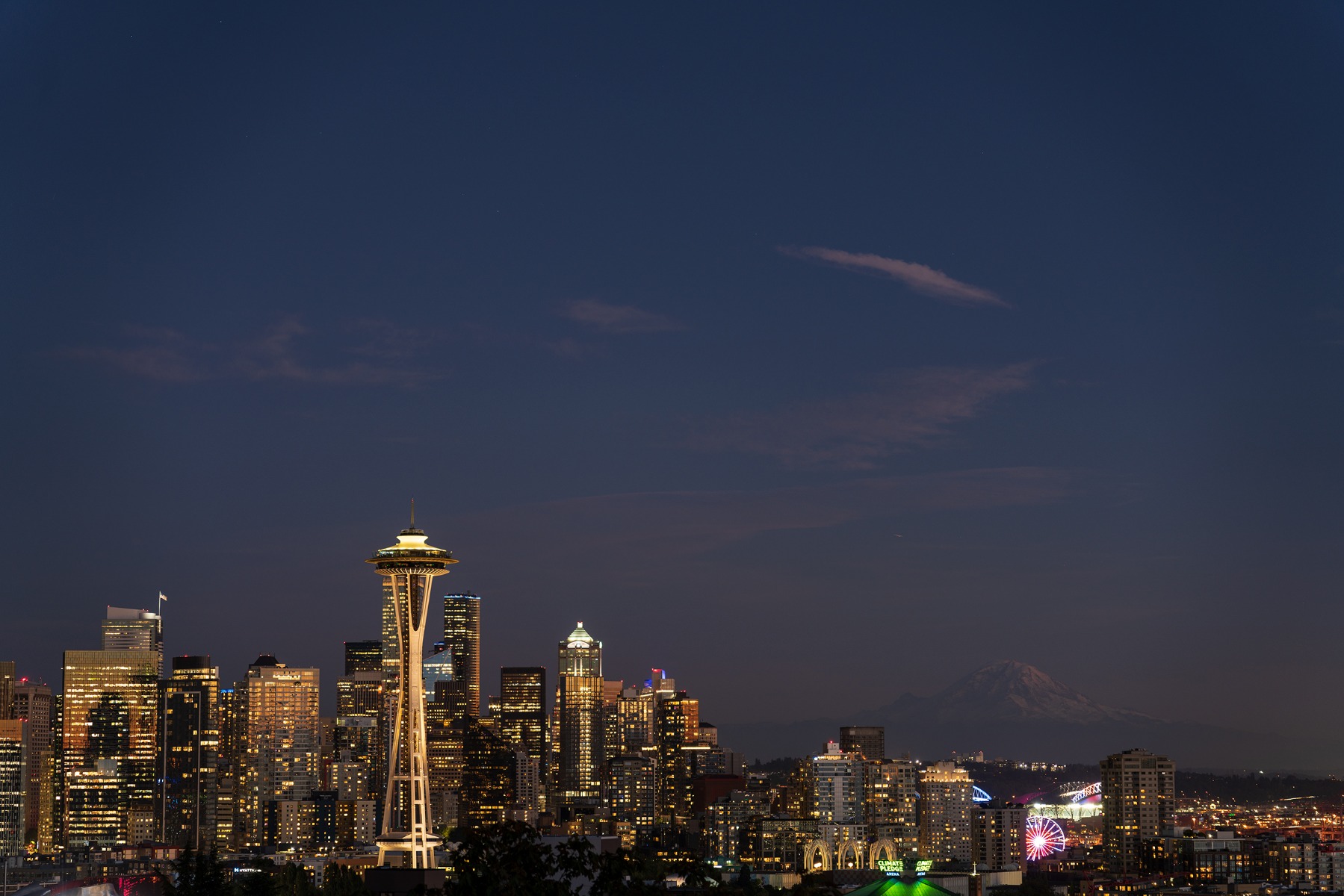
Stabilise your camera and use longer shutter speeds for clean, detailed night photos.
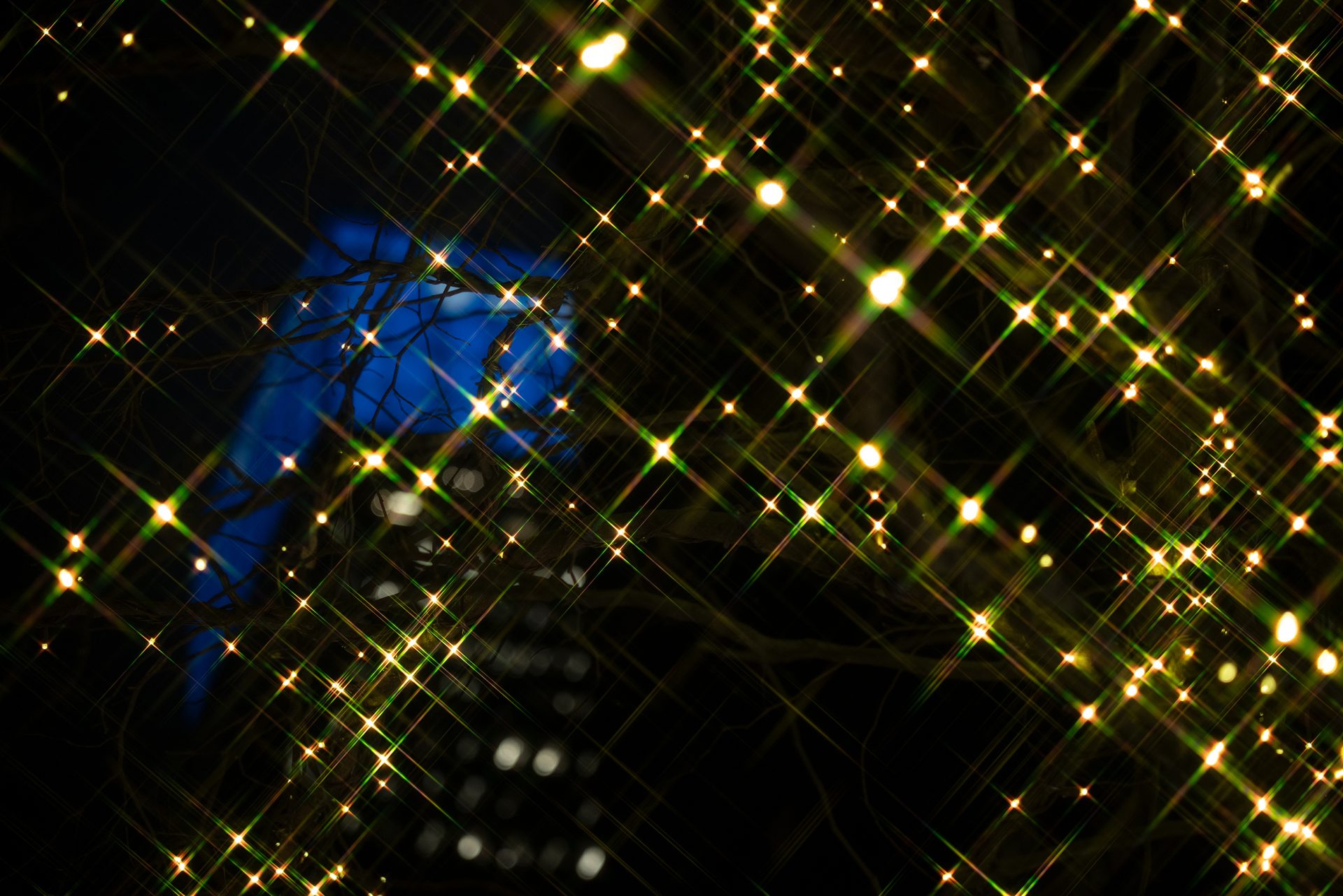
Shooting Rays of Light
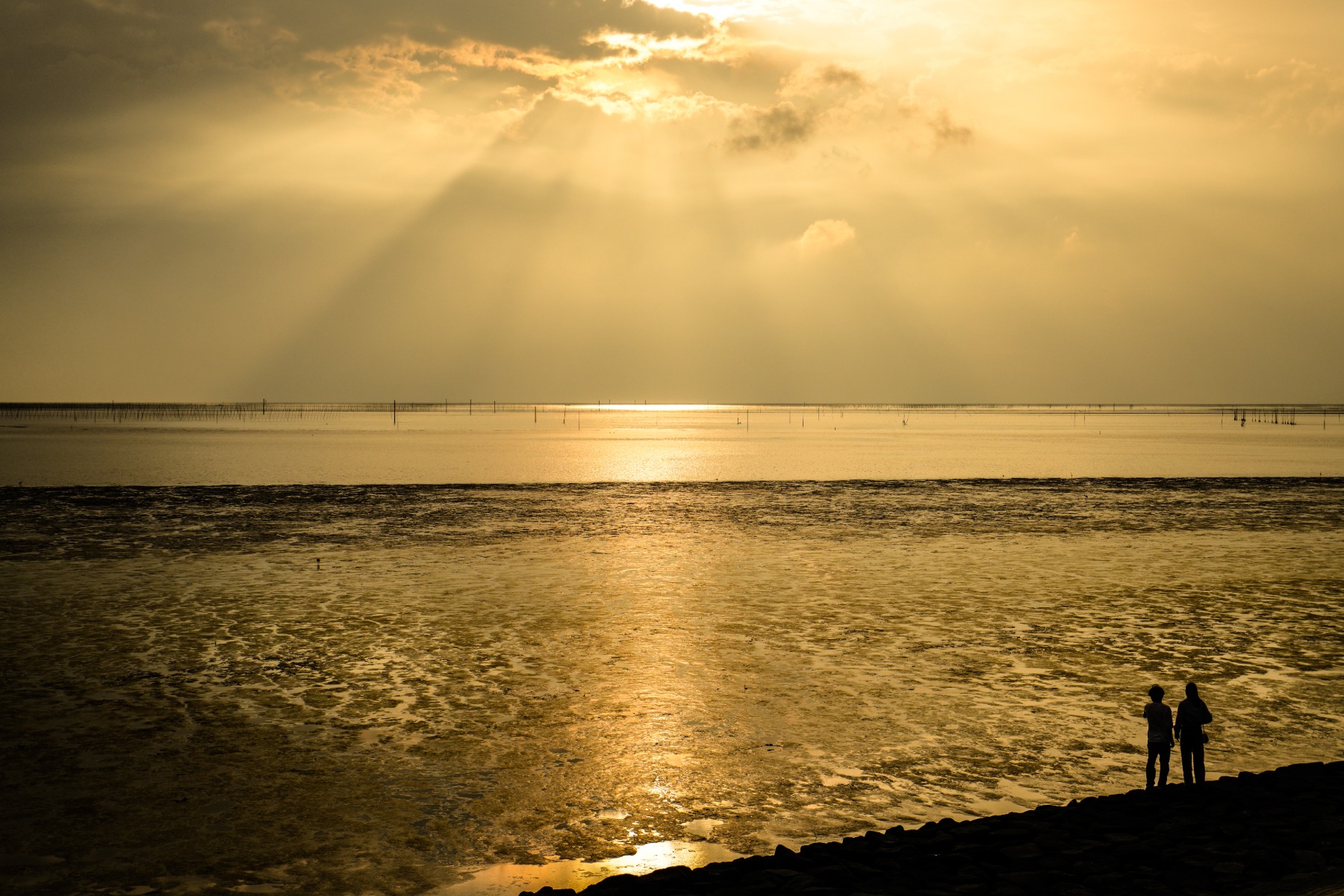
Position your camera carefully and use narrow apertures to capture dramatic light rays.
How to Use DSLR for Beginners: Build Confidence and Take Beautiful Photos
Learning how to use a DSLR for beginners is a journey, not a race. By understanding camera basics, practicing regularly, and experimenting with settings, you’ll steadily take better pictures over time.
Focus on learning one concept at a time, and enjoy the process of creating beautiful photos with your DSLR.