| September 18, 2026
 South Africa's #1 Mobile Protection Brand
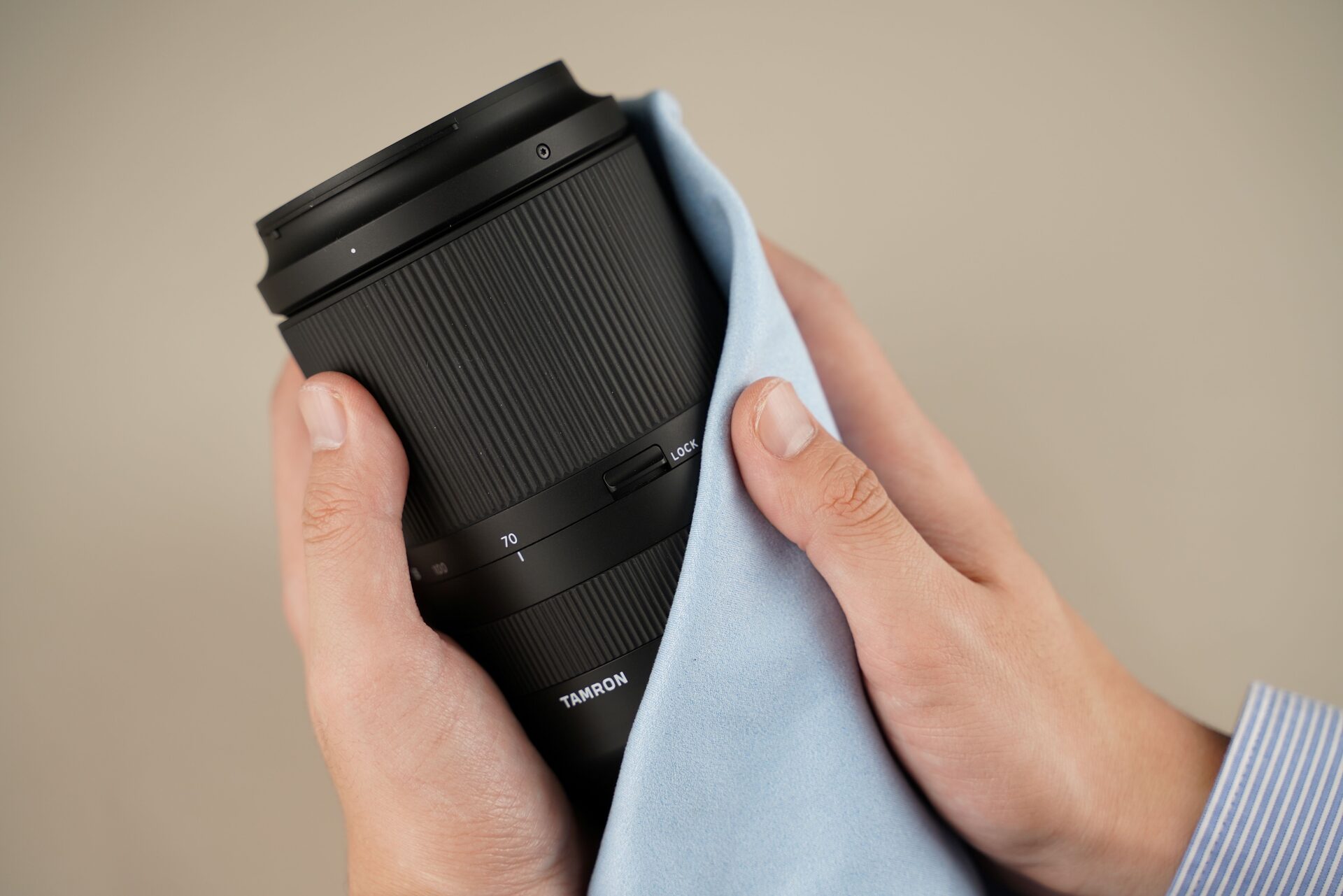
Keeping your camera gear in top condition is essential if you want consistently sharp and high-quality images. In South Africa, photographers often face unique environmental challenges—from dusty Highveld conditions to coastal humidity in cities like Durban and Cape Town.
Proper camera lens maintenance not only protects your investment but also ensures your photos remain clear and free from unwanted spots or haze. Whether you’re shooting wildlife, landscapes, or everyday moments, understanding how to care for your lenses in local conditions can make a significant difference.
This guide covers the essentials of camera lens maintenance, including cleaning tools, seasonal care, storage tips, and daily habits tailored to South African photographers.
Camera lenses are delicate and expensive pieces of equipment. Even small particles of dust or moisture can affect image quality or cause long-term damage.
In South Africa, lenses are frequently exposed to challenging environments. Dry winter air in inland areas like Johannesburg can carry fine dust, while coastal regions such as Durban experience higher humidity levels that may lead to condensation.
Without proper camera lens maintenance, these conditions can result in scratches, fungus growth, or reduced clarity in your images. Taking a proactive approach helps extend the lifespan of your gear and keeps your photography at its best.
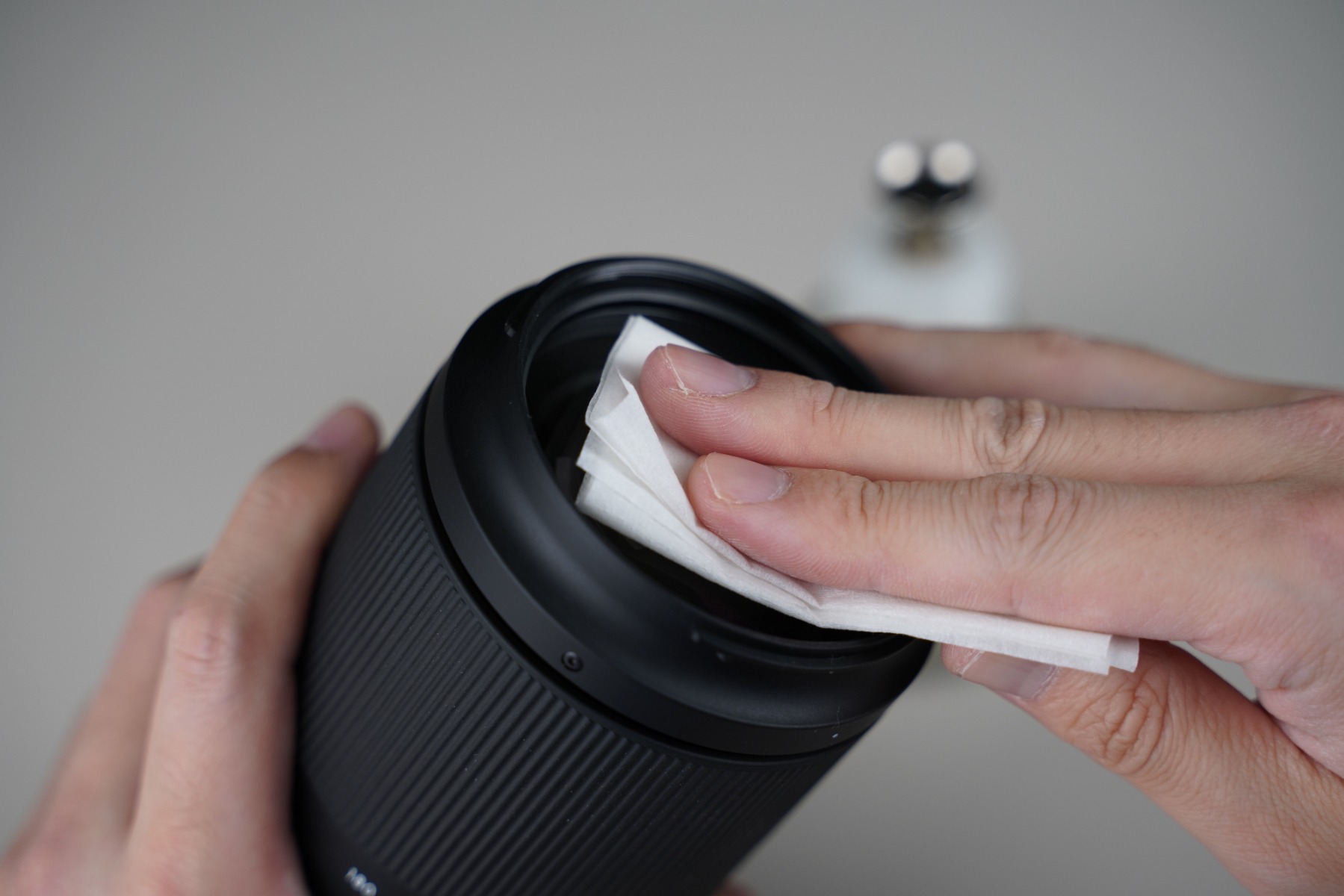
Before cleaning your lens, it’s important to have the right tools on hand. Using proper equipment ensures that you clean your lens safely without causing damage.
Many of these tools are readily available at camera stores or online retailers in South Africa, making it easy to build a simple and effective maintenance kit.
A few essential items form the foundation of good camera lens maintenance. These include a blower, a microfiber lens cloth, and a dedicated lens cleaning solution.
Each tool plays a specific role. The blower removes loose dust, while the cloth and cleaning solution help eliminate smudges and fingerprints without scratching the lens surface.
Having these tools available ensures you can respond quickly after shooting in dusty or sandy environments.
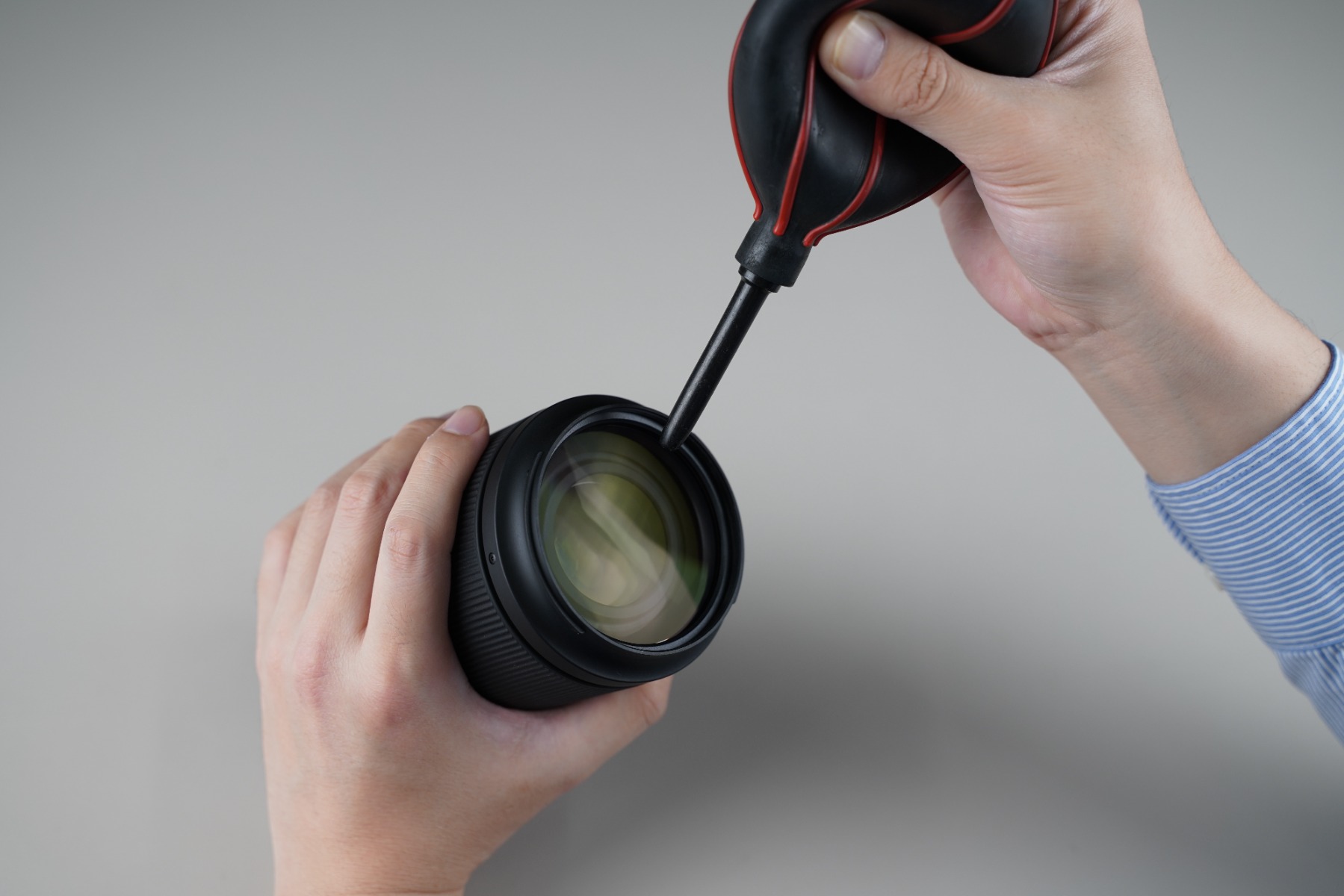
A blower is one of the most important tools in your kit. It allows you to remove dust and debris without physically touching the lens.
This is especially important in South Africa, where fine dust is common during outdoor shoots, whether you're on a game reserve or walking a trail in the Drakensberg.
Using a blower first prevents particles from scratching the lens when you wipe it. Always start with this step before using any cloth or cleaning solution.
South Africa’s climate varies significantly by region and season, which means your camera lens maintenance routine should adapt accordingly.
Understanding how seasonal changes affect your gear helps you prevent damage before it happens.

Spring in South Africa, particularly in Gauteng, brings blooming jacaranda trees along with increased pollen and airborne dust.
These particles can settle on your lens and even enter small gaps if you're not careful. After shooting outdoors, especially in parks or urban streets lined with trees, it’s important to clean your lens thoroughly.
Using a blower followed by a gentle wipe with a microfiber cloth will help keep your lens free from buildup.
During summer, many regions experience sudden thunderstorms and higher humidity levels. Moving between air-conditioned spaces and outdoor heat can cause condensation to form on your lens.
In coastal areas like Durban, moisture in the air can increase the risk of fungus if lenses are stored improperly.
In contrast, winter in inland regions such as the Highveld is typically dry, with more dust in the air. This can accumulate quickly, especially during outdoor activities or sports events like cricket or rugby matches.
Adapting your camera lens maintenance routine to these seasonal conditions helps protect your gear year-round.
Proper storage is just as important as cleaning when it comes to camera lens maintenance.
Where and how you store your lenses can significantly impact their longevity and performance.
Avoid storing your lenses in places exposed to extreme heat, such as inside a car parked in the sun. High temperatures can damage internal components over time.
Humidity is another concern, particularly in coastal regions. Moist environments can lead to condensation and even mold growth inside the lens.
Dust is a constant factor across much of South Africa, especially in dry regions or near construction areas. Keeping your gear in a clean, controlled environment reduces the risk of contamination.
When storing your lenses, always attach both front and rear caps to protect them from dust and damage.
If possible, remove the lens from the camera body and store it separately. This helps prevent moisture buildup at connection points.
Using silica gel packs or a dry cabinet can also help control humidity levels, especially in areas prone to moisture.
These small steps go a long way in maintaining your lens quality over time.
Even if you’re not using your lenses regularly, it’s important to check them periodically.
Take them out every few months, rotate the zoom and focus rings, and inspect for any signs of dust or moisture.
Regular movement keeps internal components functioning smoothly and prevents stiffness from developing.
Developing good daily habits is key to effective camera lens maintenance.
South African photographers often shoot in diverse environments—from beaches to bushveld—making routine care even more important.
After shooting at the beach in Cape Town or along the Durban coastline, your lens may be exposed to fine sand and salt particles.
Similarly, dust from hiking trails or safari drives can settle on your equipment.
Start by using a blower to remove loose particles. Then, gently clean the lens surface with a microfiber cloth if necessary.
Avoid wiping the lens without removing dust first, as this can cause scratches.
Small habits can make a big difference in protecting your gear.
Always replace your lens cap when not shooting, and avoid changing lenses in windy or dusty conditions.
Keeping your camera in a protective bag when moving between locations also reduces exposure to environmental elements.
By following these simple practices, you can maintain your lenses effectively and ensure consistent image quality.