| September 18, 2026
 South Africa's #1 Mobile Protection Brand
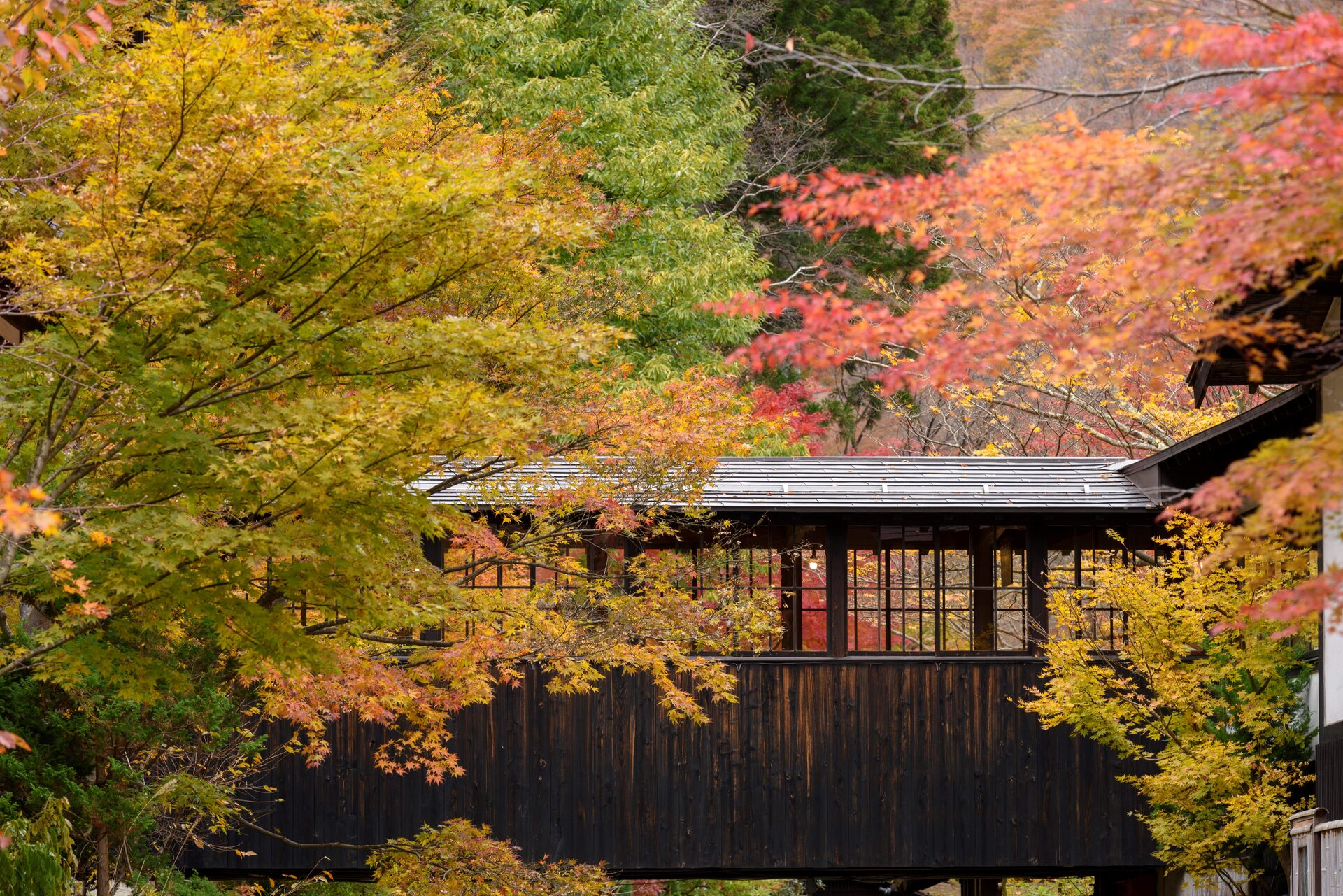
Autumn in South Africa offers a unique take on autumn leaf photography, blending golden vineyards, textured bushveld landscapes, and dramatic mountain scenery. While you may not find traditional maple forests, the country provides equally compelling opportunities to capture seasonal beauty.
From the vineyards of Stellenbosch to the tree-lined streets of Pretoria, this guide covers essential fall photography tips to help you master composition, lighting, and camera settings. Whether you're shooting landscapes, portraits, or detailed textures, these techniques will help you photograph beautiful autumn colours with confidence.
When it comes to autumn landscape photography, South Africa offers a wide variety of scenes—from rolling vineyards to coastal cliffs and inland grasslands.
For impactful autumn photo composition, wide-angle lenses are ideal when capturing expansive scenes like Franschhoek vineyards or the Drakensberg mountains.
Use an aperture of F8–F11 to maintain sharpness across the frame. Leading lines such as vineyard rows or winding roads can guide the viewer’s eye and add depth to your image.
Early morning and late afternoon light enhances contrast and helps bring out natural autumn tones, making your autumn background photography more visually striking.

Although South Africa’s autumn colours are more subtle, leaf photography is still possible by focusing on vineyard leaves, fynbos, and dry vegetation.
Use a macro or close-focus lens and set your aperture between F2.8 and F4 to create a soft background blur. Slight underexposure can help enrich colours and improve contrast, especially under strong sunlight.
This approach is ideal for detailed autumn leaf photography that highlights texture and depth.
Ground-level compositions can reveal unique patterns formed by dry leaves, twigs, or fallen petals. In cities like Pretoria, jacaranda petals can also create visually appealing surfaces.
Shoot from above for symmetry or at an angle for depth. These scenes work well for autumn background photography, especially when used as textures or supporting visuals in broader compositions.
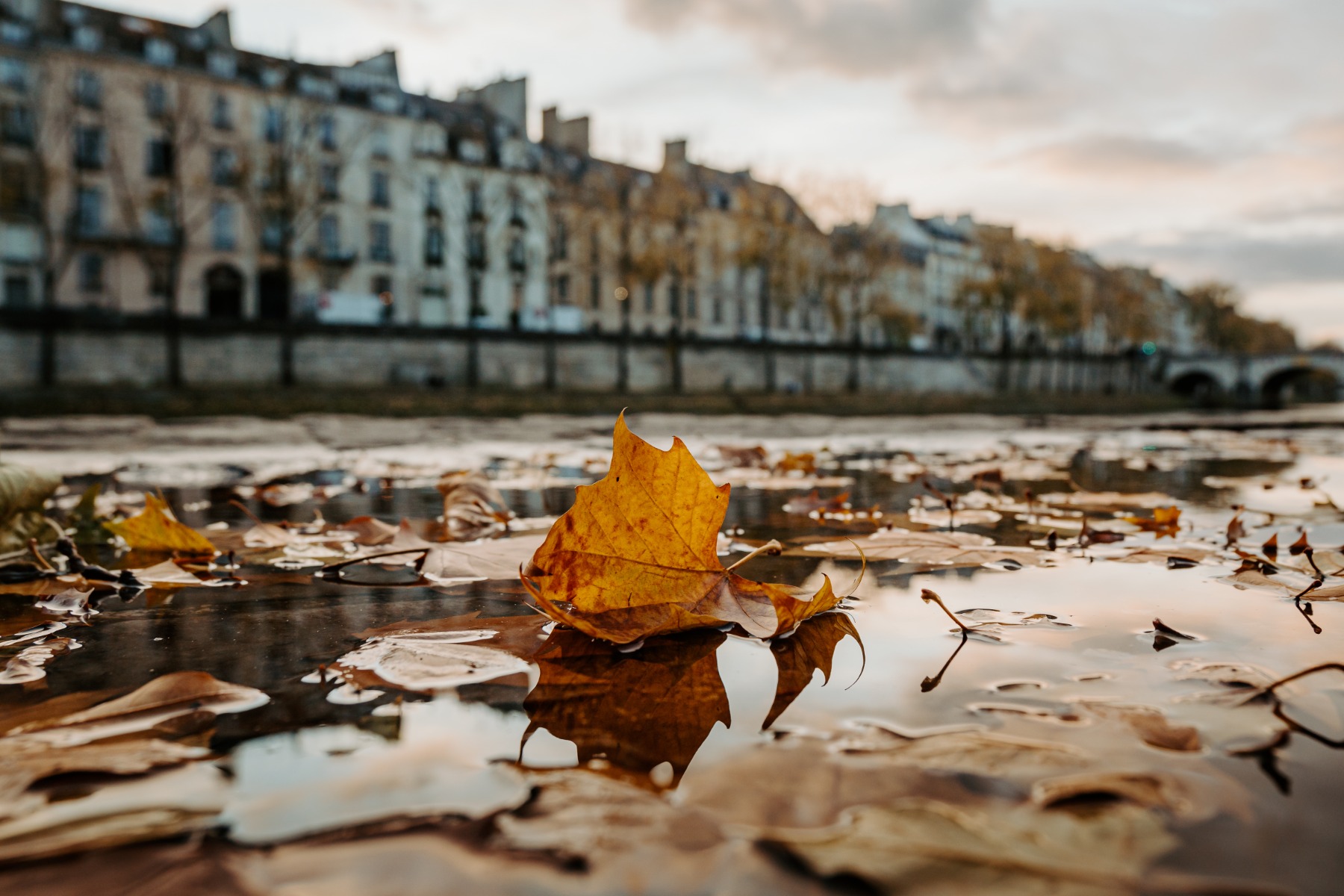
Reflections are particularly effective in cloudy day fall photography, where softer light reduces harsh contrasts and enhances colour saturation.
Locations such as Knysna Lagoon, farm dams, or tidal pools provide excellent reflective surfaces. Use a tripod and consider a polarising filter to control glare and refine reflections.
For night autumn scenery photography, South African cities offer vibrant opportunities. Areas like Cape Town’s V&A Waterfront or Johannesburg’s skyline provide dynamic lighting conditions.
Use a tripod and set your aperture between F4 and F6. Adjust ISO between 800–1600 depending on available light. These settings are essential for capturing sharp, well-exposed night scenes.
This is also a great way to explore how to shoot illuminated autumn leaves in urban parks or lit public spaces.
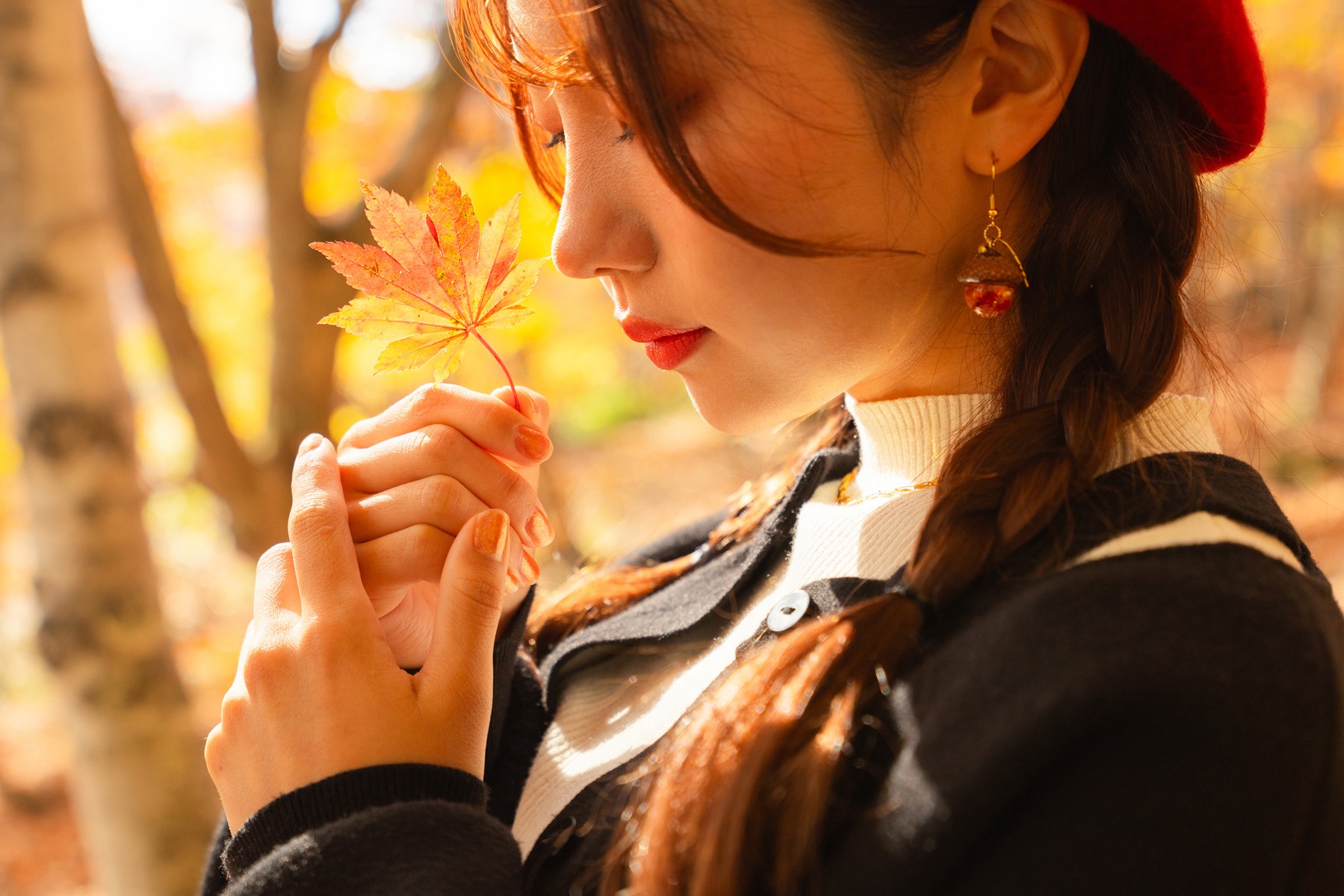
Autumn portrait photography benefits from warm tones and soft seasonal light. Use natural backdrops such as vineyards, mountain ranges, or coastal cliffs.
A wide aperture (F2.8–F4) helps separate your subject from the background. Shooting during golden hour enhances skin tones and creates a natural glow.
Understanding local conditions is key to improving your results.