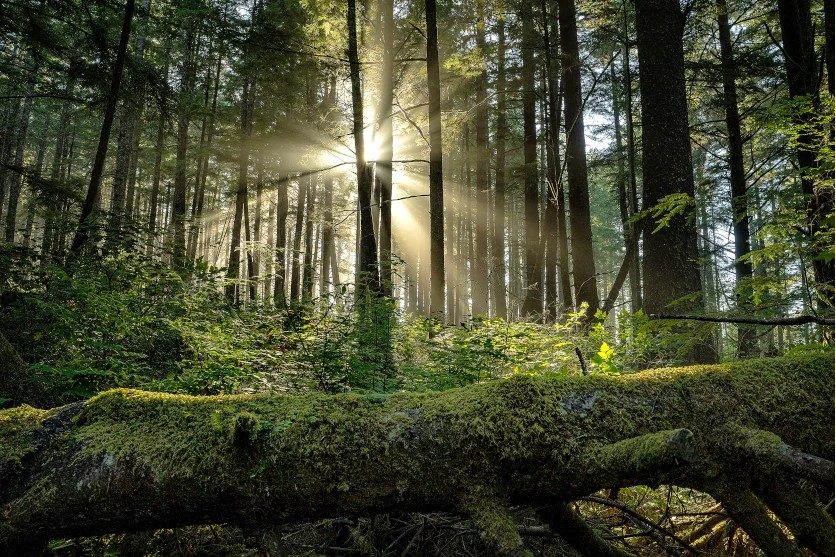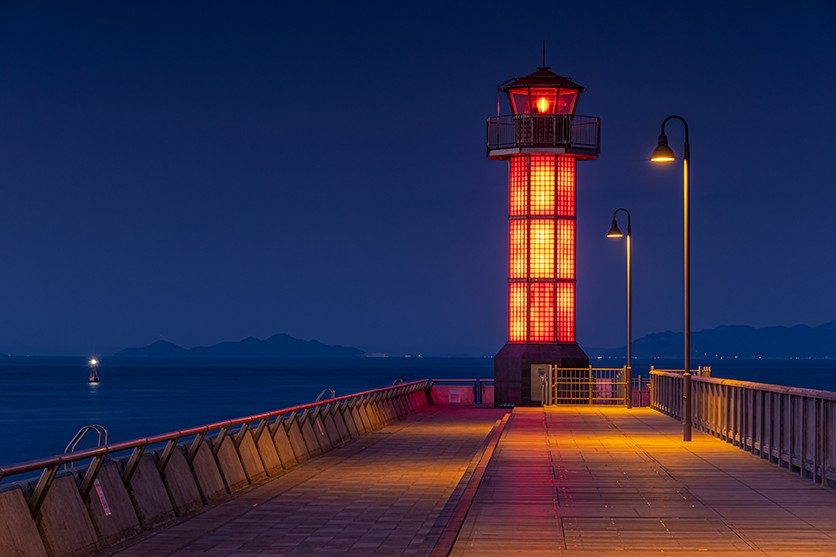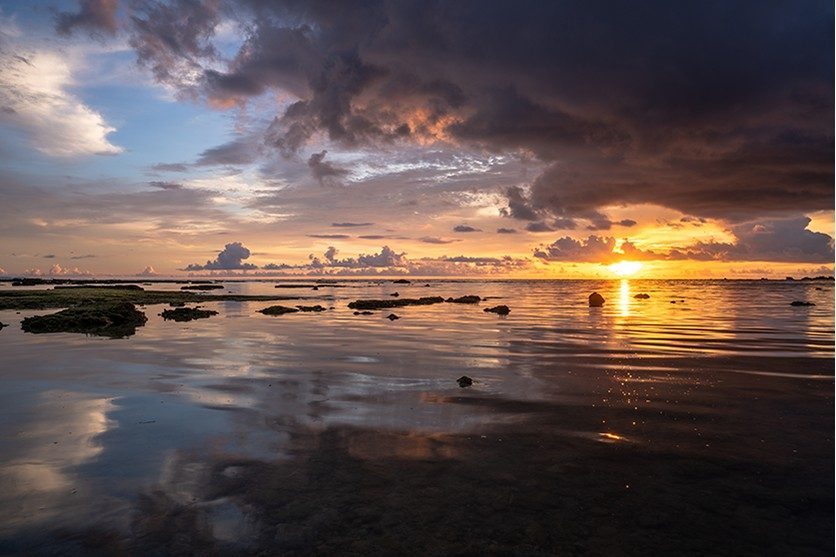
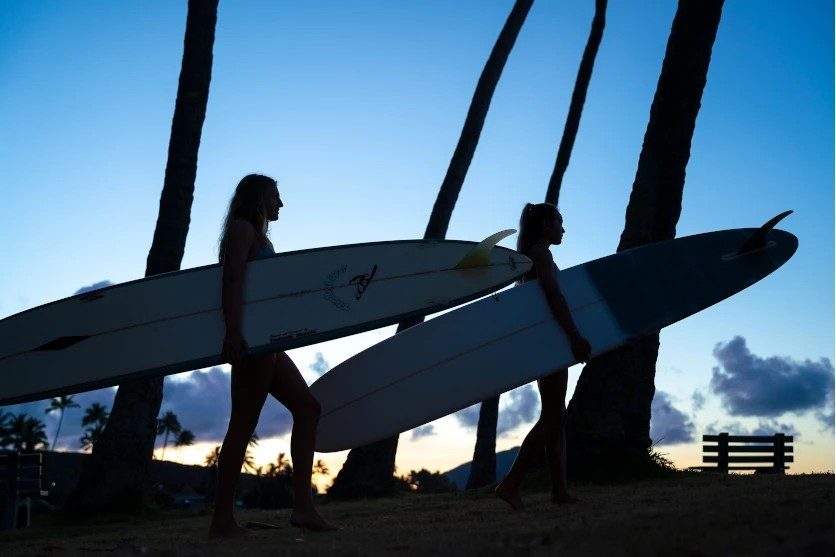
Photograph the same city street at noon and again under thick cloud, and you will end up with two very different pictures. At midday, hard shadows slice across the pavement and every edge looks crisp; under cloud, the scene settles into gentle, even tones. The difference is contrast, and learning to see and control it is one of the most useful skills in photography. This guide explains the meaning of contrast, the four main types, how its strength shapes mood and the practical ways to adjust it, with examples from portraits, landscapes and street snaps.
The meaning of contrast in photography
The meaning of contrast in photography
Contrast in photography has two related meanings. In its technical sense, it describes the difference between light and dark tones, and between colours, within an image. A frame with deep blacks and bright whites has high contrast; one where most tones sit close together has low contrast.
In a broader, compositional sense, contrast means placing different elements