| September 18, 2026
 South Africa's #1 Mobile Protection Brand
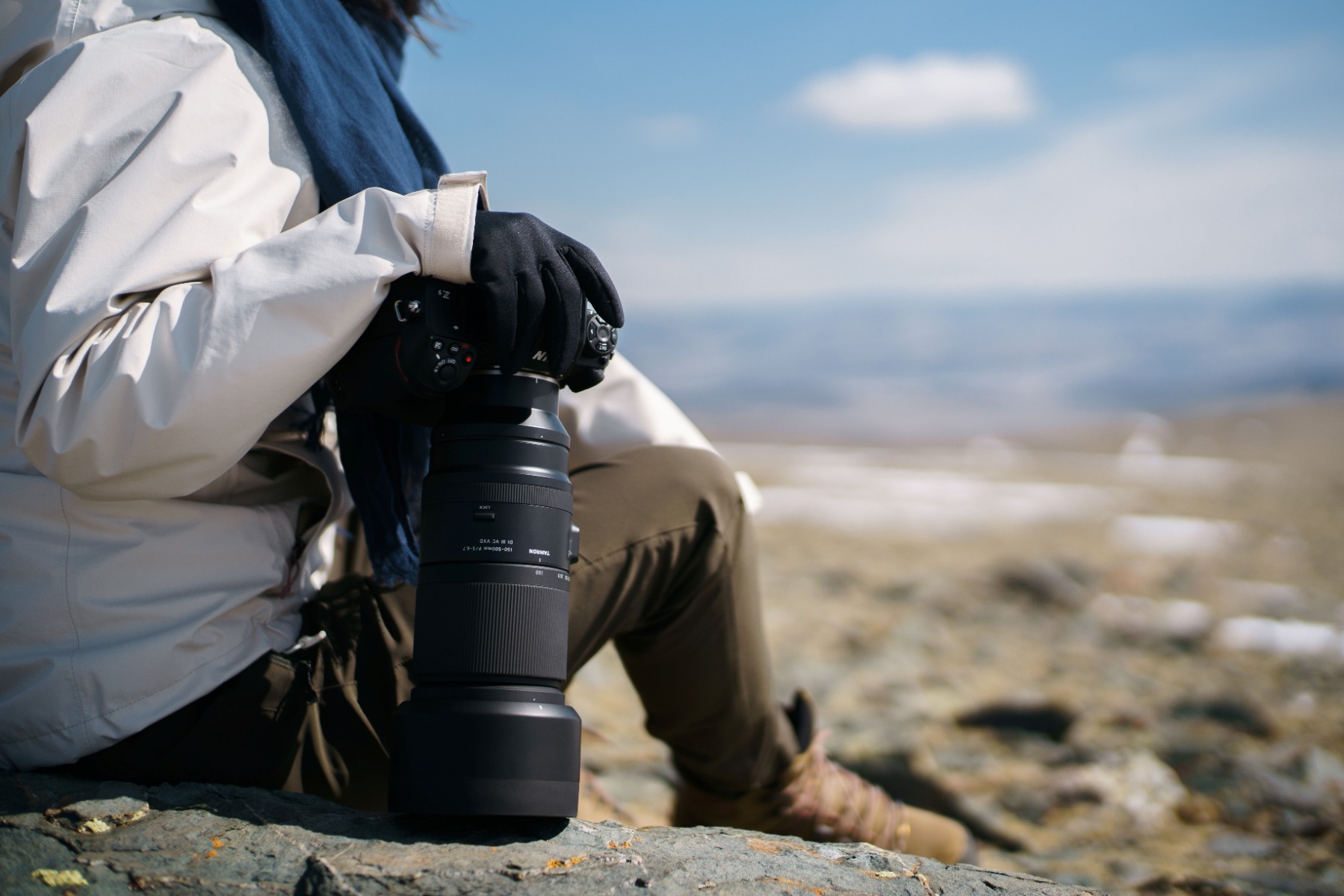
The elephant bull is on the far bank of the Sundays River. The flanker breaks away down the touchline at the opposite end of Loftus. A fish eagle sits on a dead branch three hundred metres out across the Vaal. In each case the photograph is right there in front of you — and completely out of reach of the lens on your camera.
This is the problem an ultra-telephoto zoom lens exists to solve. It pulls distant subjects close enough to fill the frame, which matters enormously in South Africa, where the best subjects are so often ones you cannot approach: dangerous, moving at speed, or protected by park regulations that quite rightly keep you inside your vehicle.
This guide covers what an ultra-telephoto zoom lens actually is, the scenes it suits best here at home, how it behaves optically, how to get sharp results from it, and what to look for when you buy one.
Photographers generally describe any lens from roughly 80mm upwards as a telephoto. Once the focal length reaches about 300mm and beyond, it moves into ultra-telephoto territory — and a zoom that covers that range is what we mean by an ultra-telephoto zoom lens.
The distinction matters more than it sounds. A 70-200mm will comfortably cover a school rugby field from the touchline. It will not bring you a leopard draped over a marula branch on the far side of a riverbed, or separate a single malachite kingfisher from a wall of reeds.
As a rough guide to what reach buys you:
• 200mm — a subject at close range: a giraffe beside the road, a batter from the boundary rope
• 400mm — general game viewing and most stadium sport
• 500mm and beyond — birds, distant plains game, the moon and aircraft at altitude
Long focal lengths reward particular kinds of subject. These are the ones an ultra-telephoto zoom lens handles best on this side of the equator.
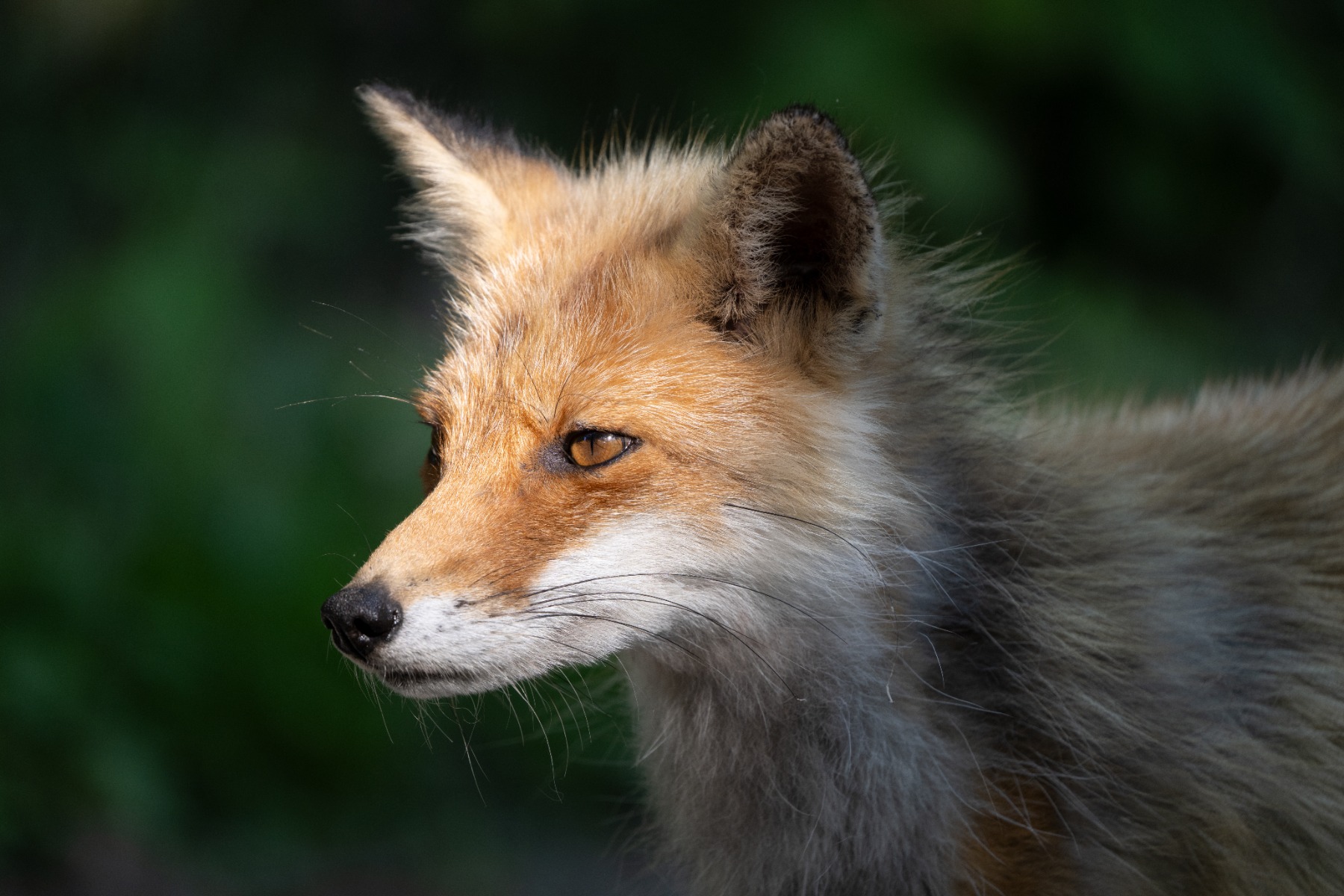
In Kruger, Addo, Pilanesberg or Madikwe, the animals decide how close you get. An ultra-telephoto zoom lens lets you work at whatever distance they are comfortable with, without pressuring a sighting or breaking the rule that keeps you inside your vehicle. At 400mm and beyond you can resolve the cracked texture of an elephant’s hide, the ridges on a kudu bull’s horns or a cheetah’s expression as it lifts its head above the grass — from a vehicle that never has to move a metre closer.
South Africa’s bird list is among the richest in the world, and birds remain the least forgiving subject in photography: small, distant and rarely patient. This is where the last hundred millimetres of a zoom earns its money. A Cape sugarbird on a protea at Kirstenbosch, a lilac-breasted roller in the Lowveld or flamingos on the West Coast all demand reach you simply cannot fake by cropping.
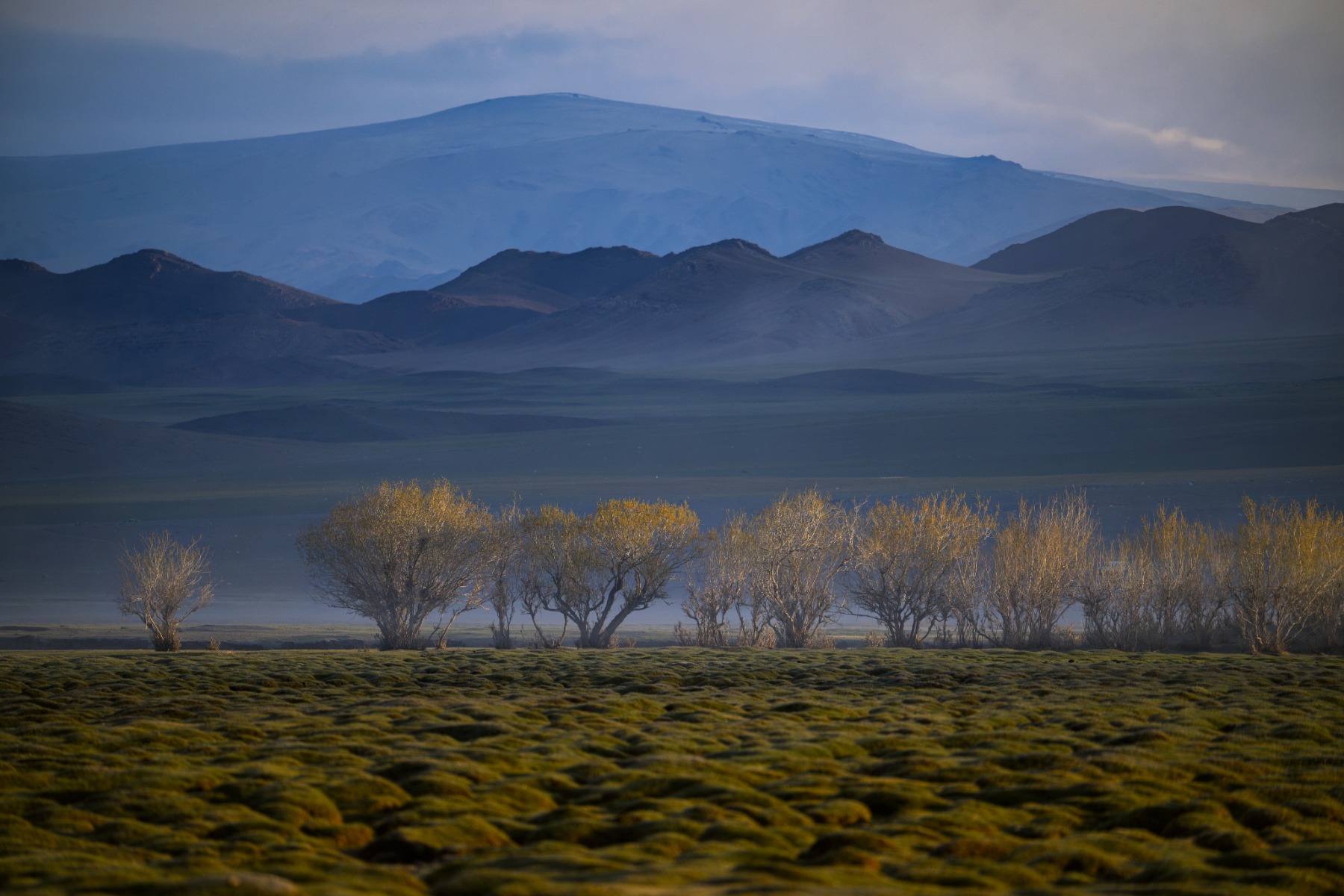
A wide lens records the whole scene; an ultra-telephoto zoom lens selects from it. Aim one at the Drakensberg and you can lift the Amphitheatre clear of the valleys below it as a single band of rock. Along the Atlantic seaboard, the Twelve Apostles stack into layers of receding blue. The same approach suits Karoo koppies, the sandstone formations of the Cederberg and a low sun breaking across the water at Bloubergstrand.
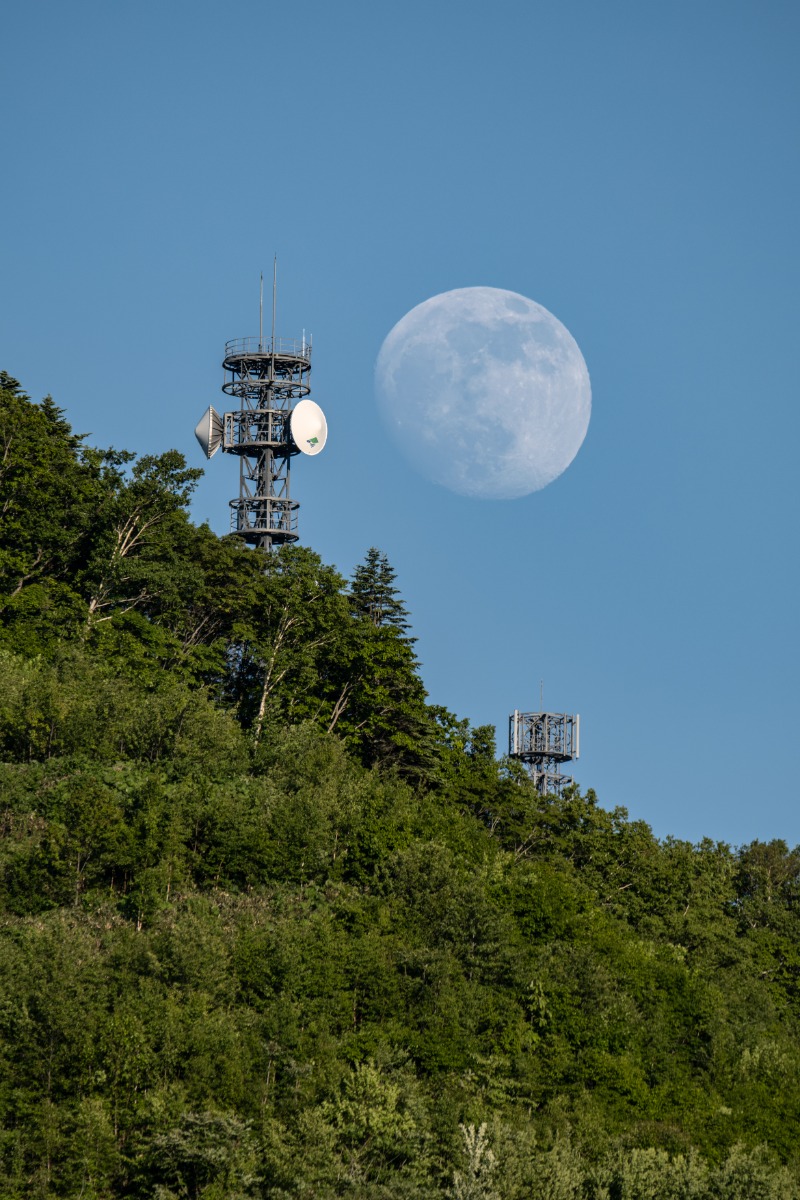
The Karoo offers some of the clearest, darkest skies anywhere on the planet — precisely why Sutherland hosts the Southern African Large Telescope. At 400mm to 500mm the moon becomes a detailed subject rather than a white dot, with craters, ridges and the shadow line along the terminator all clearly resolved. The frame worth planning for is a full moon rising behind Lion’s Head or Table Mountain, where compression makes the moon appear enormous against a familiar silhouette.
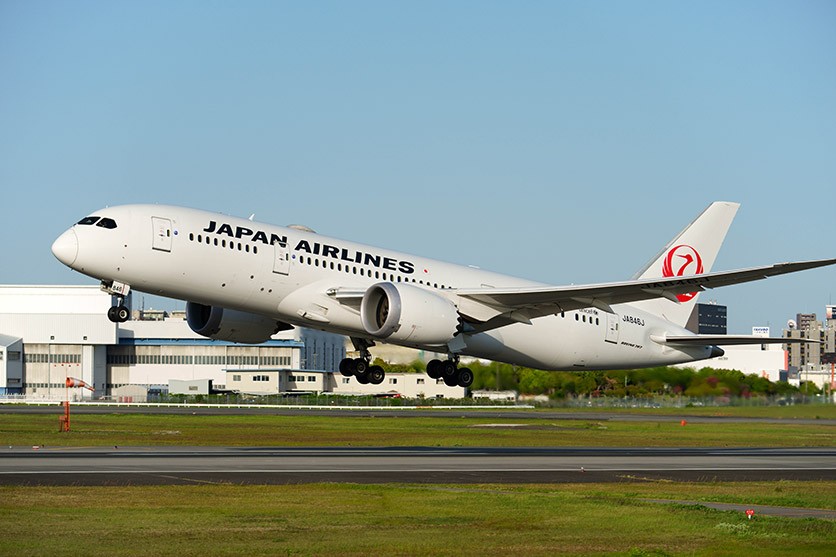
Aircraft are large, but they are also far away and moving quickly. From publicly accessible viewing spots around Cape Town International — with Table Mountain standing behind the approach — or at OR Tambo and King Shaka, a long zoom brings landing gear, liveries and engine detail within range. Airshows such as Africa Aerospace & Defence at Waterkloof, and displays by the Silver Falcons, are natural territory too, particularly when a fast-moving formation makes framing at a single fixed focal length impractical.
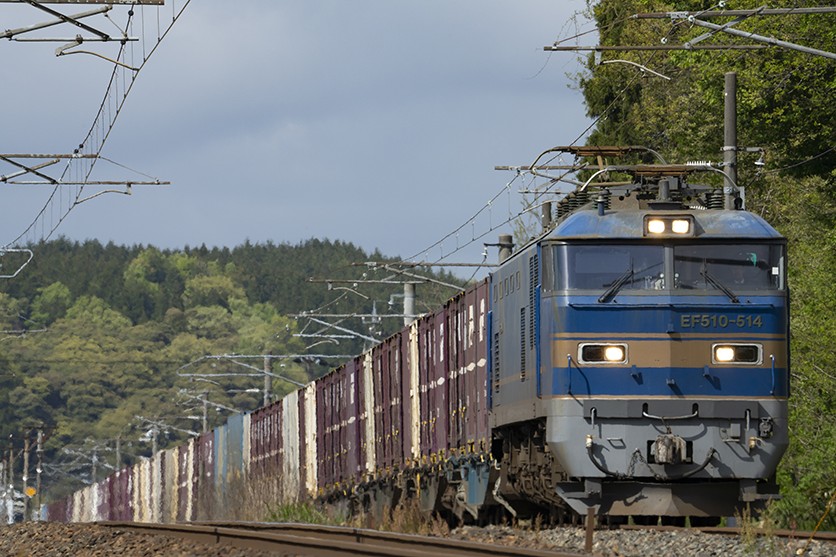
Rail photography lives on compression. Shooting from a distance stacks the carriages against whatever lies behind them, turning a long train into a dense, graphic line. The curves of the Hex River Valley, steam excursions out of the Boland and the Umgeni Steam Railway in KwaZulu-Natal all suit this treatment, as do Rovos Rail and Blue Train consists when their schedules allow. Confirm operating dates before you travel — heritage services run seasonally.

Stadium seating puts you a long way from play, and no amount of enthusiasm closes that gap. At Loftus Versfeld, Ellis Park, Cape Town Stadium or Kings Park, 400mm is roughly the minimum for filling the frame with a player on the far side of the field. Cricket at Newlands or the Wanderers asks the same question from the boundary.
Beyond the big two, an ultra-telephoto zoom lens covers league football at FNB Stadium, the closing stretch of the Comrades, surfers at Supertubes in Jeffreys Bay and motorsport at Kyalami. Autofocus tracking matters more here than anywhere else in this article: the lens has to hold focus on a subject that is moving fast, changing direction and often running straight at you.
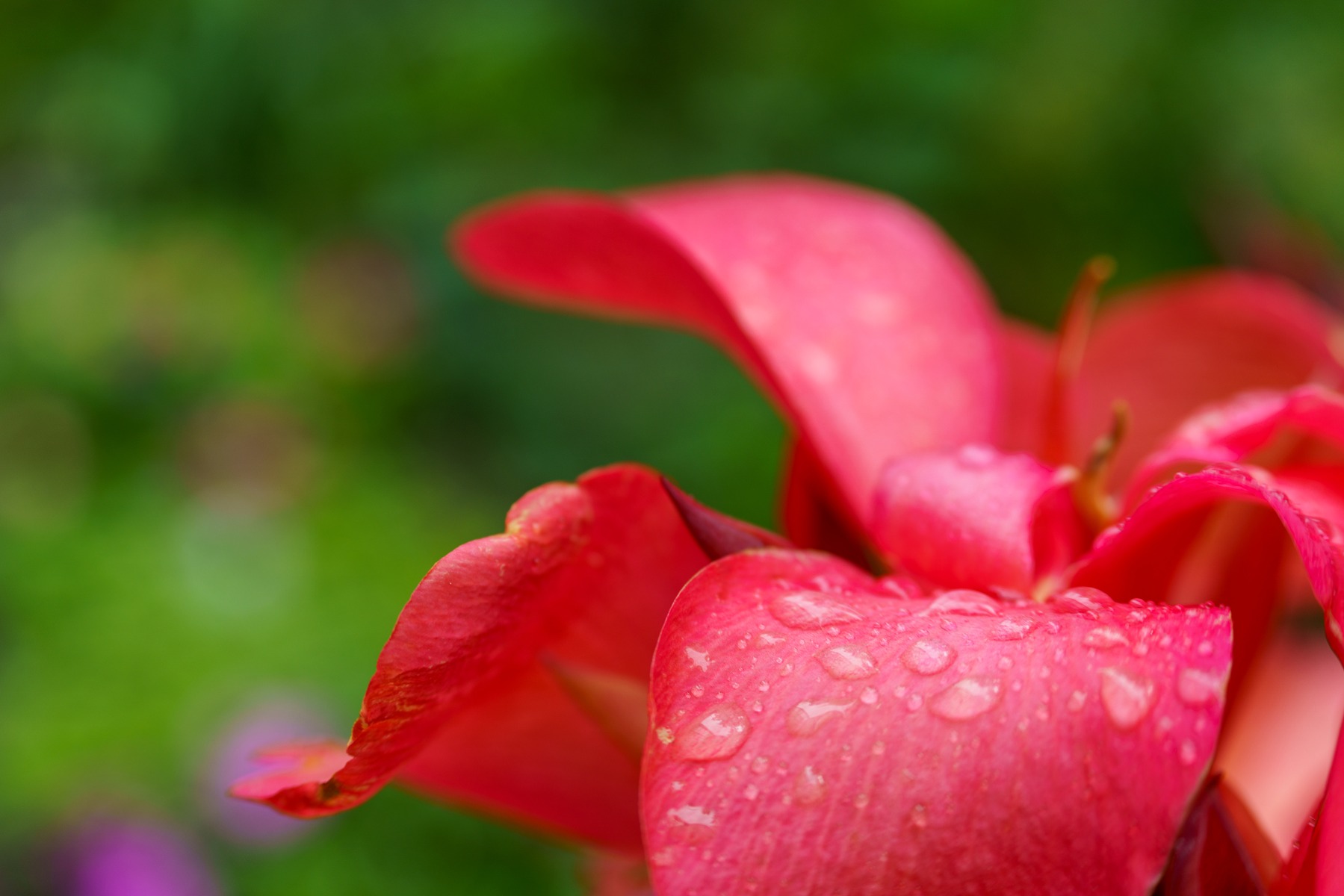
Not every long-lens subject is far away. Many ultra-telephoto zooms focus closely enough to work almost like a short macro, and the combination of long focal length and near-minimum focusing distance produces an exceptionally soft background. Winter aloes on a Highveld ridge, proteas in the Cape, a chameleon on a garden branch or a rock agama basking on a boulder all photograph beautifully this way.
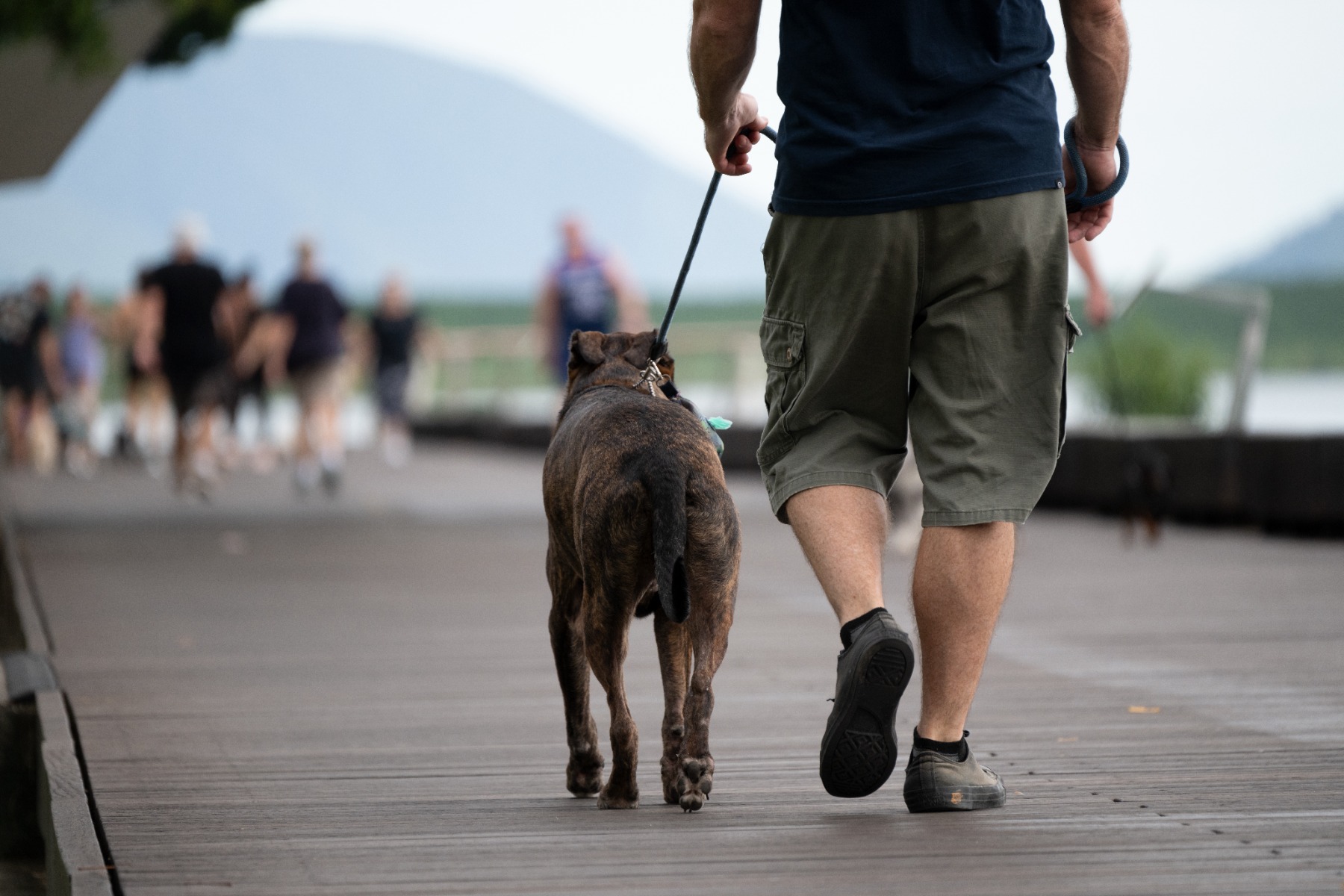
Photographing a person from further back with a long lens changes the relationship between subject and background. Distant elements appear to move forward and enlarge, so a face reads as separated from — yet framed by — whatever sits behind it: the painted facades of the Bo-Kaap, the brick and steel of Maboneng, the promenade along Durban’s Golden Mile. Street work follows the same logic. Choose the background first, then move until your subject falls in front of it.
Between roughly June and November, southern right whales move into Walker Bay, and Hermanus becomes one of the few places on earth where serious whale photography is possible from a cliff path. An ultra-telephoto zoom lens is essential: the animals are usually a few hundred metres out, and a breach happens without warning. The same applies to the Sardine Run along the KwaZulu-Natal coast, where the action is often marked by the birds and dolphins working above it.
Understanding how these lenses behave optically makes it far easier to choose the right one — and to know what you can reasonably ask of it.
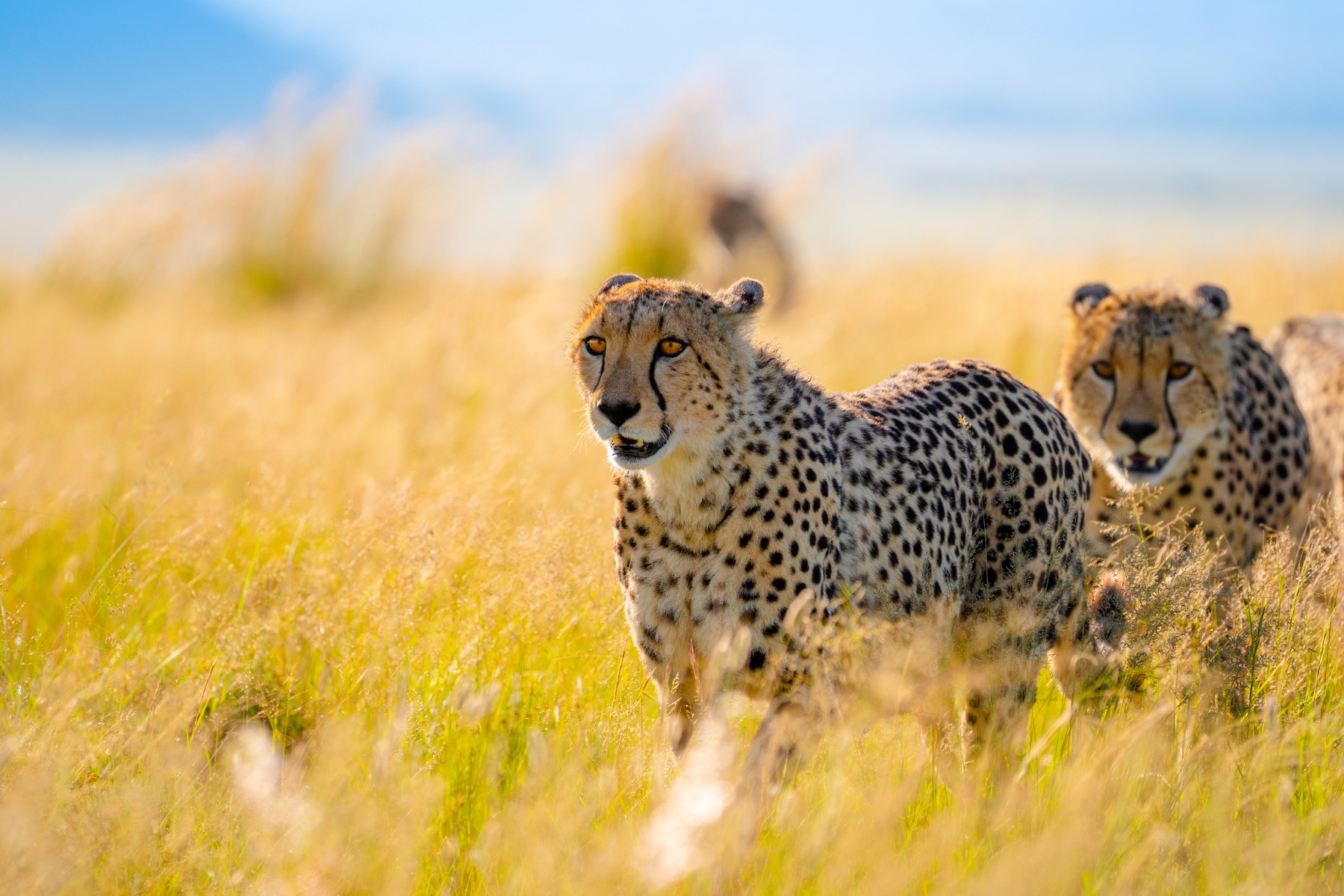
The headline benefit is straightforward: subjects that were unreachable become photographable. Detail the naked eye cannot resolve — the weave of an elephant’s skin, the strata in a Cederberg sandstone face, the stonework high on the Union Buildings — arrives in the frame at a size worth printing. Where you physically cannot get closer, focal length does the walking for you.
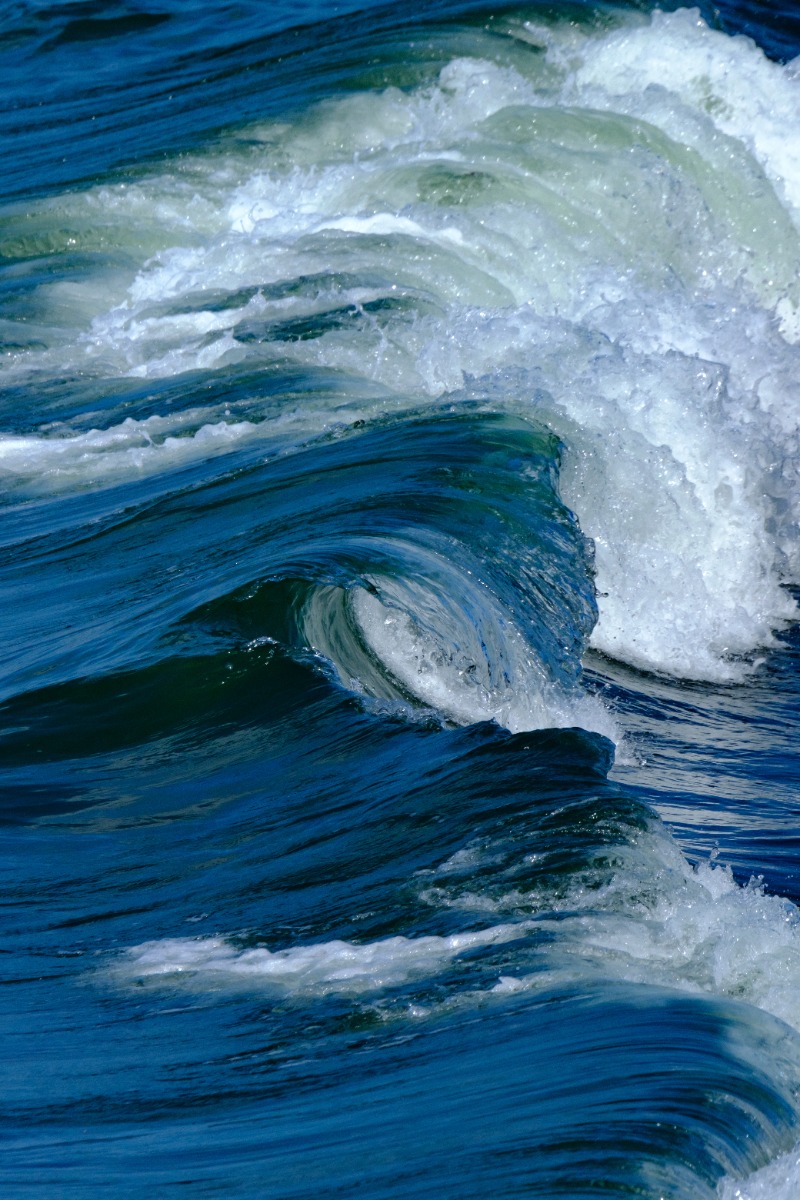
Long focal lengths see a very narrow slice of the world. That sounds limiting until you use it deliberately. Instead of recording an entire valley, you extract one quiver tree on a ridge, a single bend of the Blyde River Canyon or one repeating pattern in a zebra’s flank. The narrow angle of view is an editing tool as much as an optical property: everything you exclude strengthens what remains.
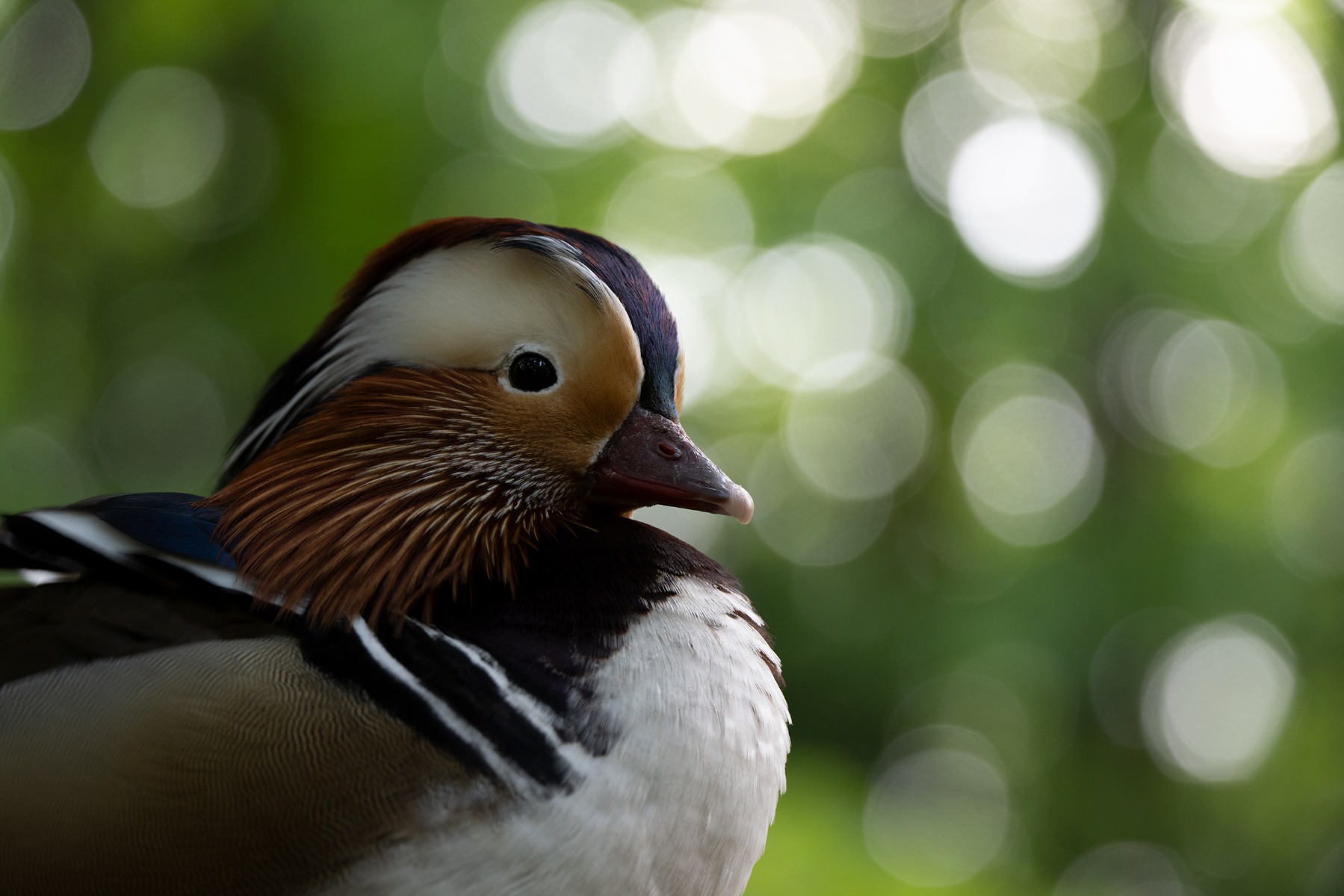
Depth of field shrinks as focal length grows, so at 400mm or 500mm near maximum aperture only a narrow plane stays sharp and everything else dissolves. Used well, this is what lifts a bird cleanly off a busy background of reeds or thorn scrub. Point light sources behind the subject render as soft discs — worth remembering at an evening fixture under stadium floodlights, or along the V&A Waterfront after dark.
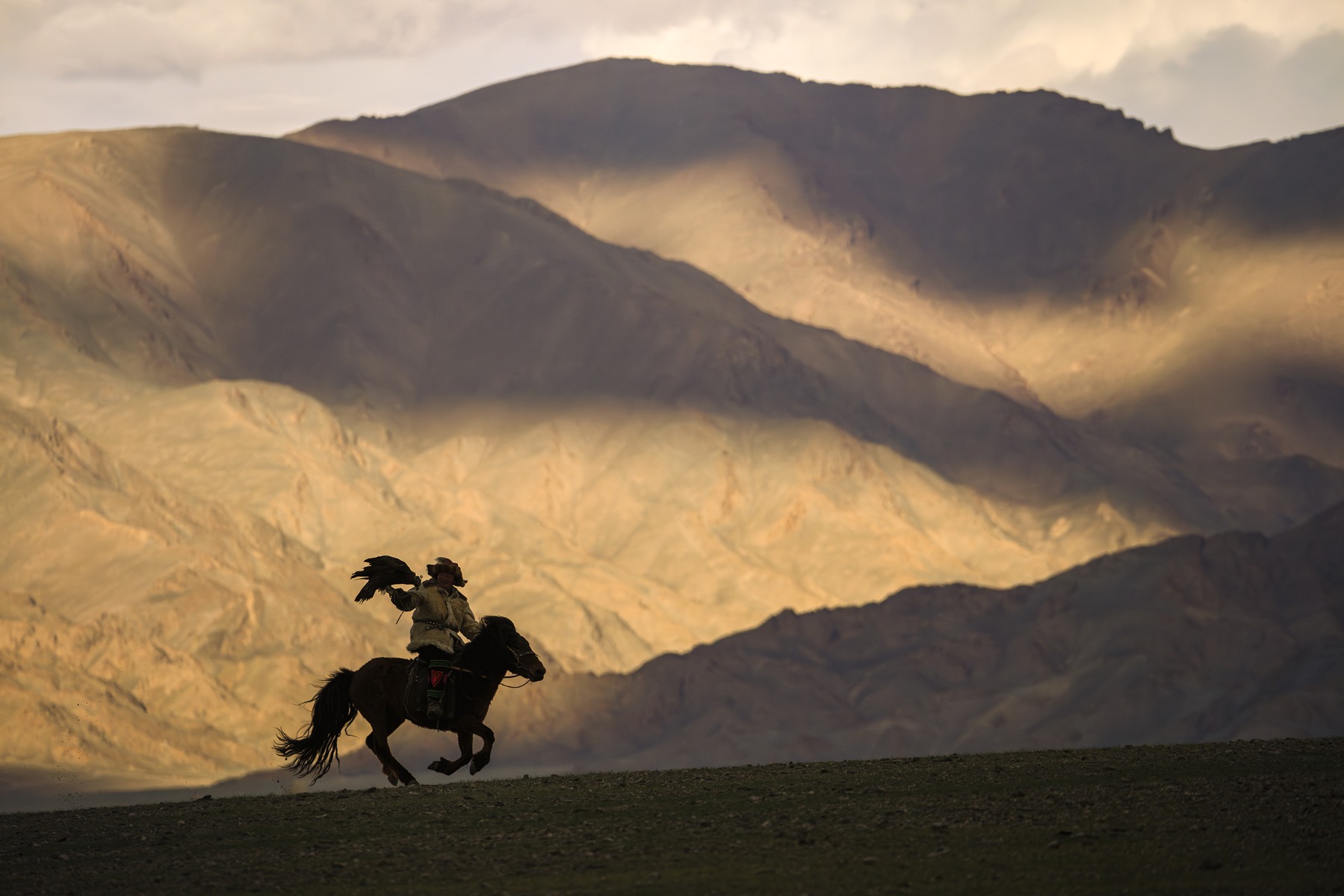
Compression is the flattening of apparent distance between near and far. Shoot from far enough back with enough focal length and a mountain standing kilometres behind your subject appears to sit directly against it. A train winding through the Hex River Valley, or a foreground building set against the Sandton skyline, both gain weight this way.
One local caveat the textbooks rarely mention: compressed frames are especially vulnerable to heat haze. Air shimmering over hot ground or tar sits in your line of sight for the entire distance, and no lens can correct for it.
Reach is only half the equation. These are the habits that separate a usable frame from a soft one.
For static subjects — landscapes, architecture, the moon — a tripod is the right answer, because at these focal lengths the smallest vibration is magnified across the whole frame.
In a game vehicle, though, a tripod is impractical and frequently not permitted. The standard local solution is a beanbag draped over the window ledge or door frame. It damps vibration while still letting you swing the lens quickly onto a new sighting, and many photographers pack an empty bag and fill it with rice or dried beans on arrival.
When shooting handheld, tuck your elbows into your ribs, support the lens barrel with your left hand rather than gripping the camera body, and breathe out as you release the shutter.
In-lens stabilisation is close to essential at these focal lengths, and current systems buy you several stops of usable shutter speed. Check whether your lens offers multiple modes: a dedicated panning mode corrects only for vertical movement, which is exactly what you want when tracking a winger down the touchline, a delivery at Newlands or an aircraft on final approach. Leaving the lens in general mode while panning can cause the system to fight the movement you are making deliberately.
South African light is a study in extremes. Between roughly ten and three the sun is fierce enough to blow out pale subjects completely — a springbok’s flank, white cricket kit, a sunlit fuselage — while dropping everything in shadow into blackness. Keep the highlight warning switched on and expose for the brightest part of the subject rather than the overall scene.
The opposite problem arrives during the two best hours of the day. Ultra-telephoto zoom lenses tend towards narrower maximum apertures, so first light on a game drive and the final minutes before sunset leave you short of light. Raise the ISO without hesitation. Modern sensors handle it well, and a slightly noisy sharp frame beats a clean blurred one every time.
With such a narrow angle of view, small changes in position produce large changes in the picture. The most common failure in bushveld photography is a good subject broken up by branches and thorn scrub crossing the frame. Often a shift of half a metre in your seat, or simply waiting for the animal to take two more steps, clears the line entirely. Open the aperture to push whatever clutter remains further out of focus, and get into the habit of checking what is behind your subject before you check the subject itself.
At 400mm and beyond, the atmosphere itself becomes part of your optical path. On a hot day, rising air over sand, rock or tarmac distorts detail long before it reaches the lens, and no amount of sharpening recovers it. The remedy is timing rather than equipment: work in the first and last few hours of the day, keep your line of sight off hot surfaces where you can, and be aware that dust thrown up on gravel roads will soften your images and eventually find its way onto the front element.
Balancing the following criteria against how and where you actually shoot will point you to the right lens.
Reach is the first decision, because it determines what you can photograph at all. A telephoto end of 400mm covers most general game viewing and stadium sport comfortably. Push to 500mm and birds, distant plains game and the moon come within range. Just as important is where the zoom begins: a lens starting at 50mm or 70mm can handle a landscape, a herd in context and a single animal’s portrait without a lens change — a real advantage in a vehicle with dust in the air.
Ultra-telephoto zooms are inherently large, but the differences between them matter in practice. A lighter lens is one you can still hold steady at the end of a six-hour drive. It also travels better: light-aircraft transfers to bush airstrips often impose strict soft-bag luggage limits, and anyone carrying a kit up a Drakensberg path will feel every extra hundred grams. Around 1.1kg to 1.7kg remains genuinely handholdable; beyond that, plan on support.
A wider maximum aperture gathers more light, which translates into faster shutter speeds and cleaner files exactly when you need them — at dawn and dusk, when most wildlife activity happens. An f/4.5 or f/5 maximum at the wide end gives you meaningful room to work. Check what the aperture becomes at full zoom too, since that is the setting you will use most often.
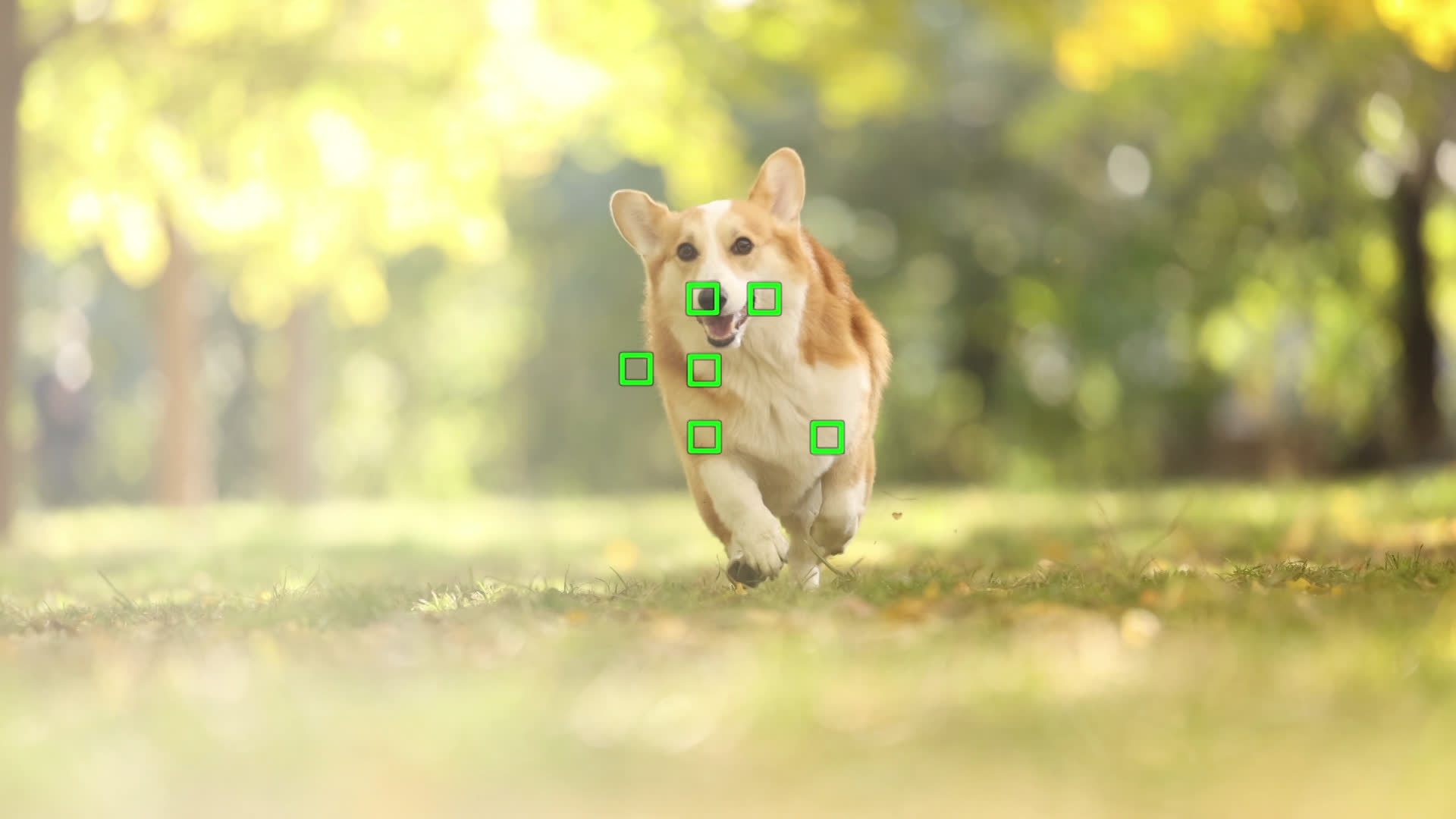
Focusing speed decides whether you come home with the picture. A fish eagle dropping to the water, or a break down the touchline, gives you a fraction of a second. Look for fast, accurate focusing motors and, more importantly, reliable subject tracking that holds focus as the subject moves across the frame. Quiet operation is worth having in a hide, where mechanical noise carries further than you expect.
Given how much South African photography happens handheld from a vehicle seat, in-lens stabilisation is not a luxury. Check the rated effectiveness in stops, and whether the system offers selectable modes so that panning shots are handled properly.
A short minimum object distance widens what a single lens can do. If it focuses closely, the same lens that photographed an elephant at three hundred metres will also fill the frame with a protea or a chameleon — genuinely useful on a trip where you are carrying as little as possible.
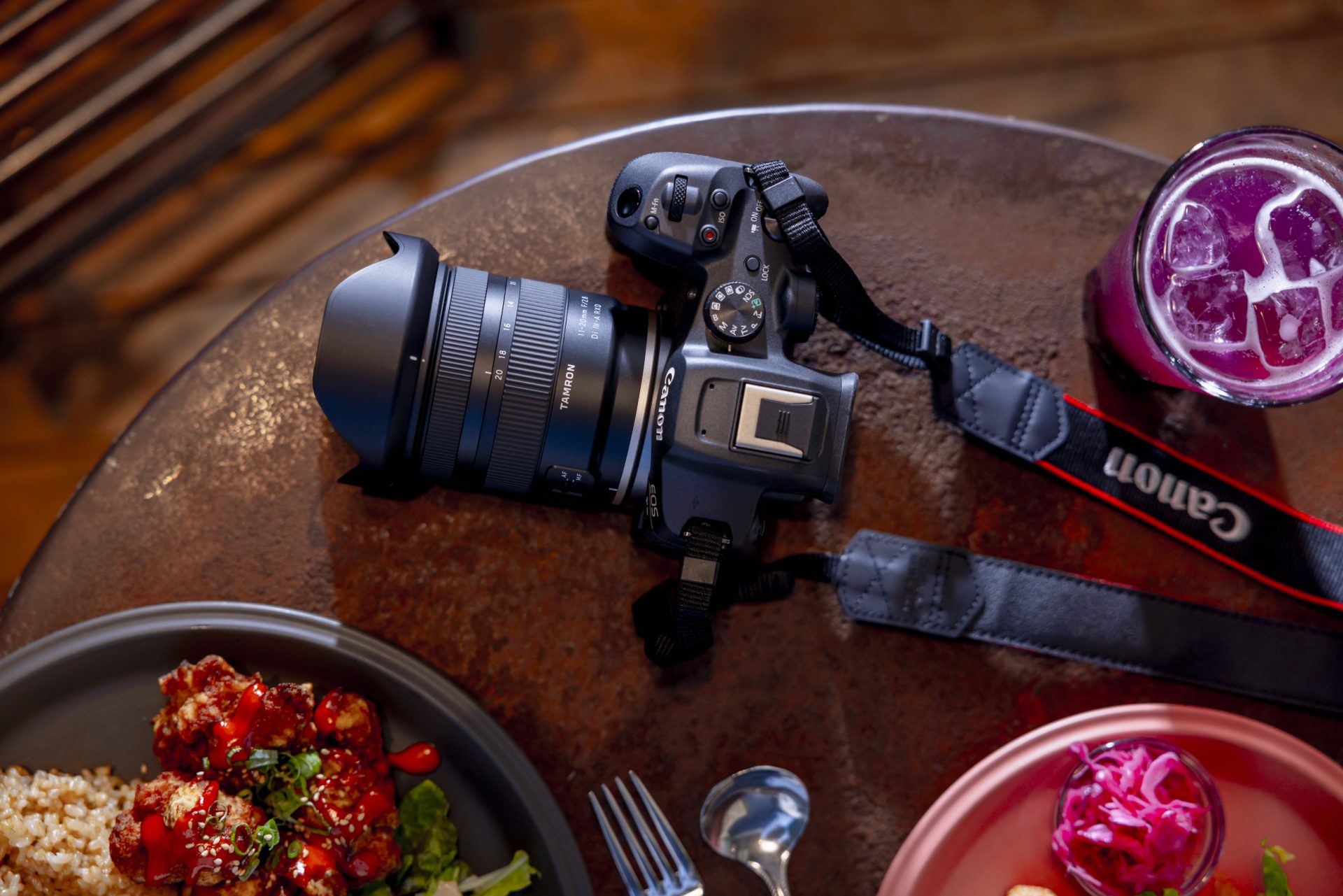
Locally, consider more than the specification sheet. Confirm the lens is available in your camera’s mount, and buy through an authorised South African stockist so that your warranty is honoured in-country. Grey imports may look cheaper in rand terms, but service, firmware support and warranty claims all become considerably harder if something goes wrong. Where possible, handle the lens on your own camera body before committing — balance and handling are difficult to judge from photographs and spec tables.
An ultra-telephoto zoom lens changes what you are able to photograph, not simply how it looks. It is the difference between watching a leopard and photographing one; between a distant white speck and a moon full of craters; between a rugby match seen from row forty and a picture of a player’s face at the moment of contact.
For South African photographers the case is unusually strong. The bushveld, the coastline, the Karoo night sky and a packed sporting calendar all reward reach. Weigh optical quality against weight, autofocus and stabilisation, be honest about how far you actually need to see, and choose the lens you will still be happy to carry at the end of a long day.
An 8x ultra-telephoto zoom for full-frame mirrorless cameras, running from 50mm to 400mm in a body no larger than a typical 100-400mm. The wide end makes it a genuine one-lens option for a safari or a road trip — landscape, herd and animal portrait without changing glass — while the VXD focusing motor and VC stabilisation keep pace with sport and birds in flight.
A 500mm telephoto end in a lens compact enough to shoot handheld. This is the reach specialist: birding, distant plains game, aviation and the moon. Fast, accurate autofocus with strong tracking, together with in-lens VC stabilisation, make the 500mm end practical without a tripod.