| September 18, 2026
 South Africa's #1 Mobile Protection Brand
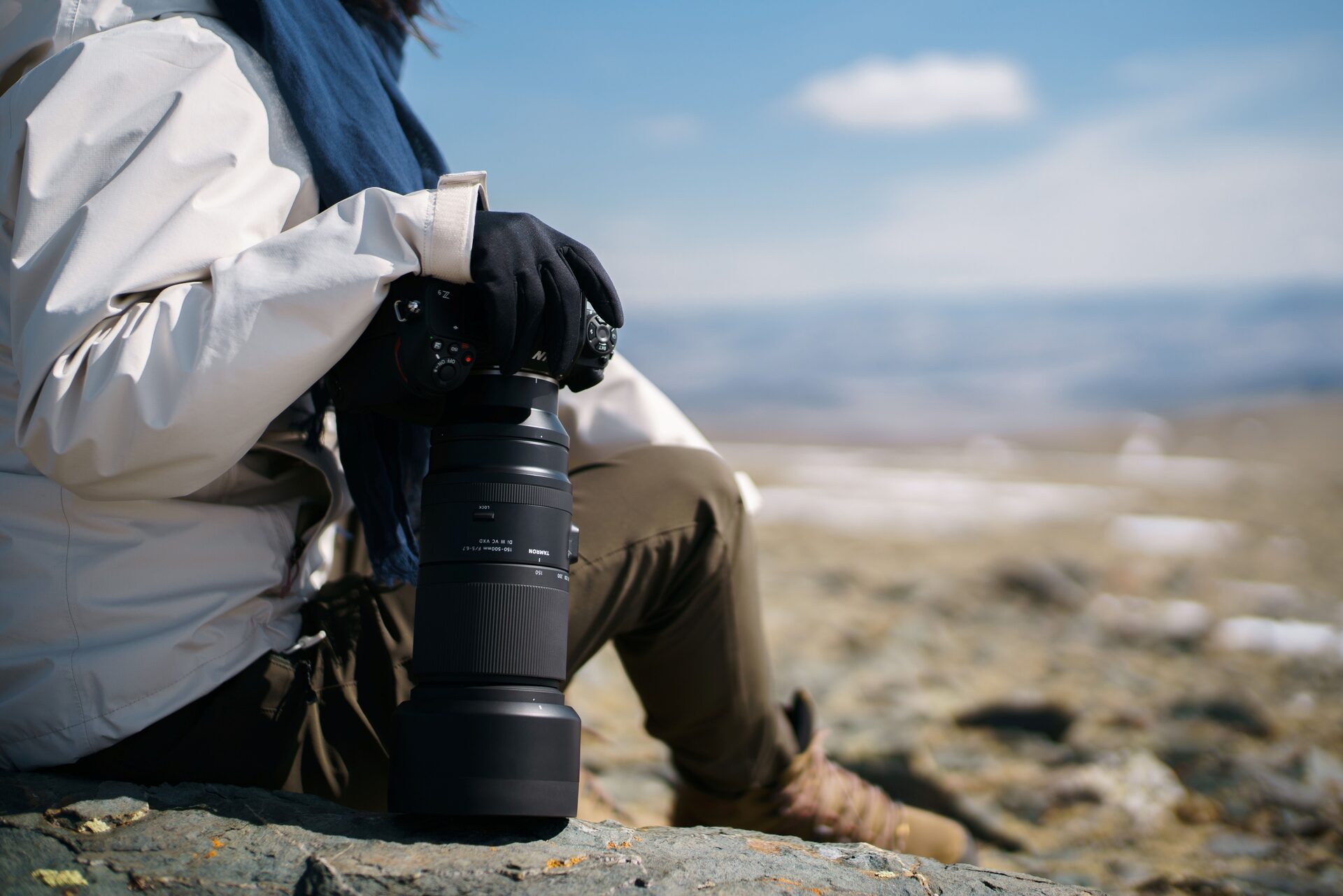
Photography is an art, but having the right camera lenses can make a world of difference. Whether you’re capturing the golden light over Table Mountain, the wildlife in Kruger National Park, or street scenes in Cape Town, understanding the different types of camera lenses and how to choose the right one is essential.
This guide will walk you through the basics of camera lenses, help you understand their key features, and offer practical recommendations for beginner photographers in South Africa.
Before investing in a lens, it’s important to understand some basic concepts. These fundamentals will help you make informed decisions and ensure your lenses suit your photographic needs.

Focal length determines how much of a scene your lens can capture. Wide-angle lenses are perfect for expansive landscapes like the Drakensberg or Cape Town’s coastline, while telephoto lenses bring distant wildlife in Kruger National Park or Addo Elephant Park closer to your frame.
Understanding how focal length affects perspective will help you choose lenses that suit your subjects, whether it’s a panoramic cityscape or a close-up of a bird in flight.

The aperture, expressed as an F-number, controls the amount of light entering your camera and affects the depth of field.
A wide aperture (low F-number) allows more light, ideal for low-light conditions such as sunrise over the Karoo or sunset on Table Bay. It also creates a blurred background, enhancing portraits of friends or local markets.

Camera sensor size influences image quality and lens compatibility. Full-frame sensors capture more detail, while APS-C sensors are smaller but still excellent for general photography.
Understanding sensor size ensures your lens selection is compatible with your camera and helps predict the final image results.

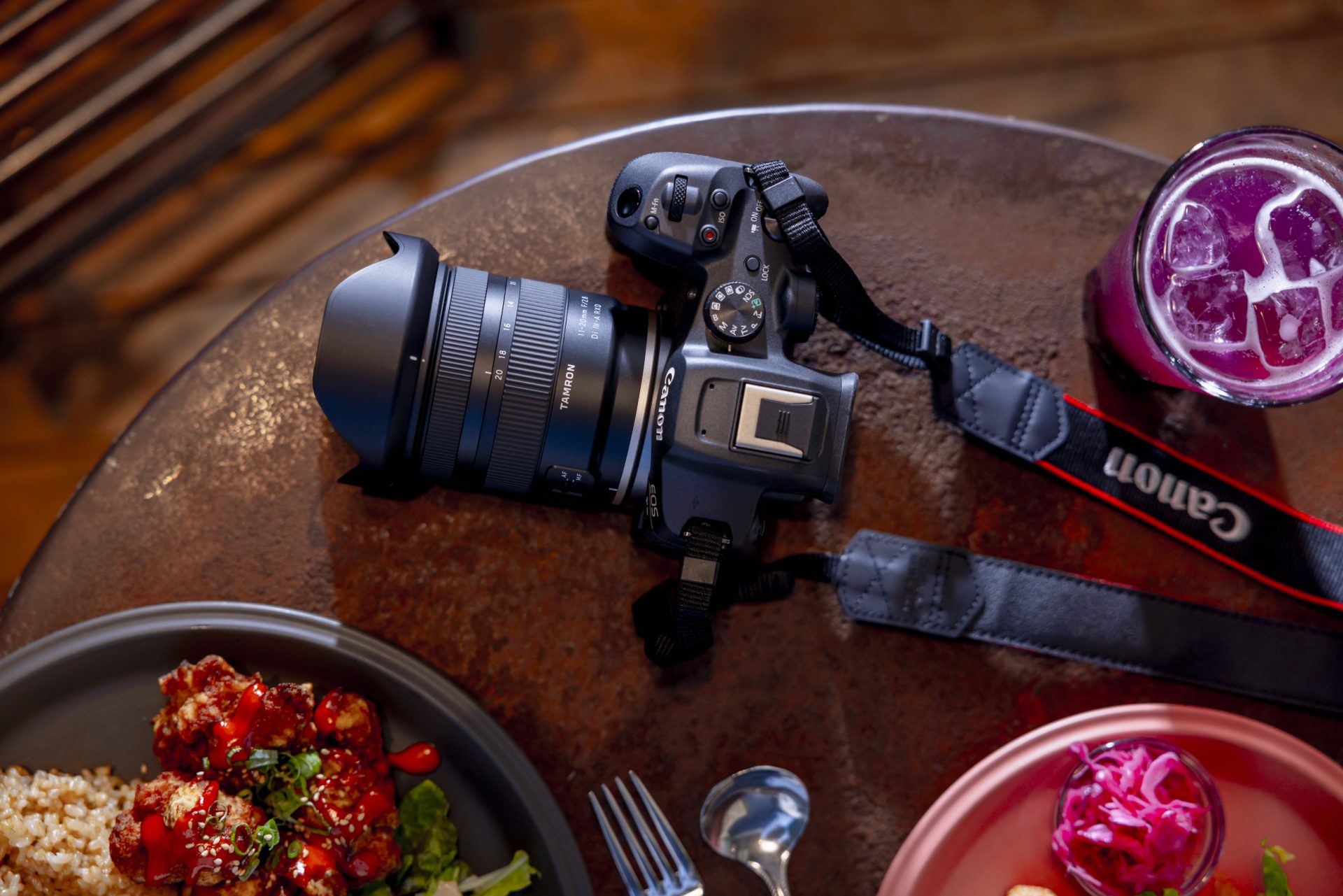
Every lens must fit your camera’s mount. Popular brands in South Africa, such as Canon, Nikon, and Sony, have different mounts, so ensure your lens matches your camera body.
Lenses often have markings indicating focal length, aperture, and special features. Familiarizing yourself with these details helps you choose lenses suited to your photography style.

Zoom lenses cover a range of focal lengths, making them versatile for different scenarios. For example, a 70–200mm zoom lens can capture both a rugby match at Loftus Versfeld and distant wildlife on safari without changing lenses.

Prime lenses have a fixed focal length, offering sharper images and larger apertures. They’re ideal for street photography in Cape Town’s vibrant neighborhoods or portrait sessions at local markets.
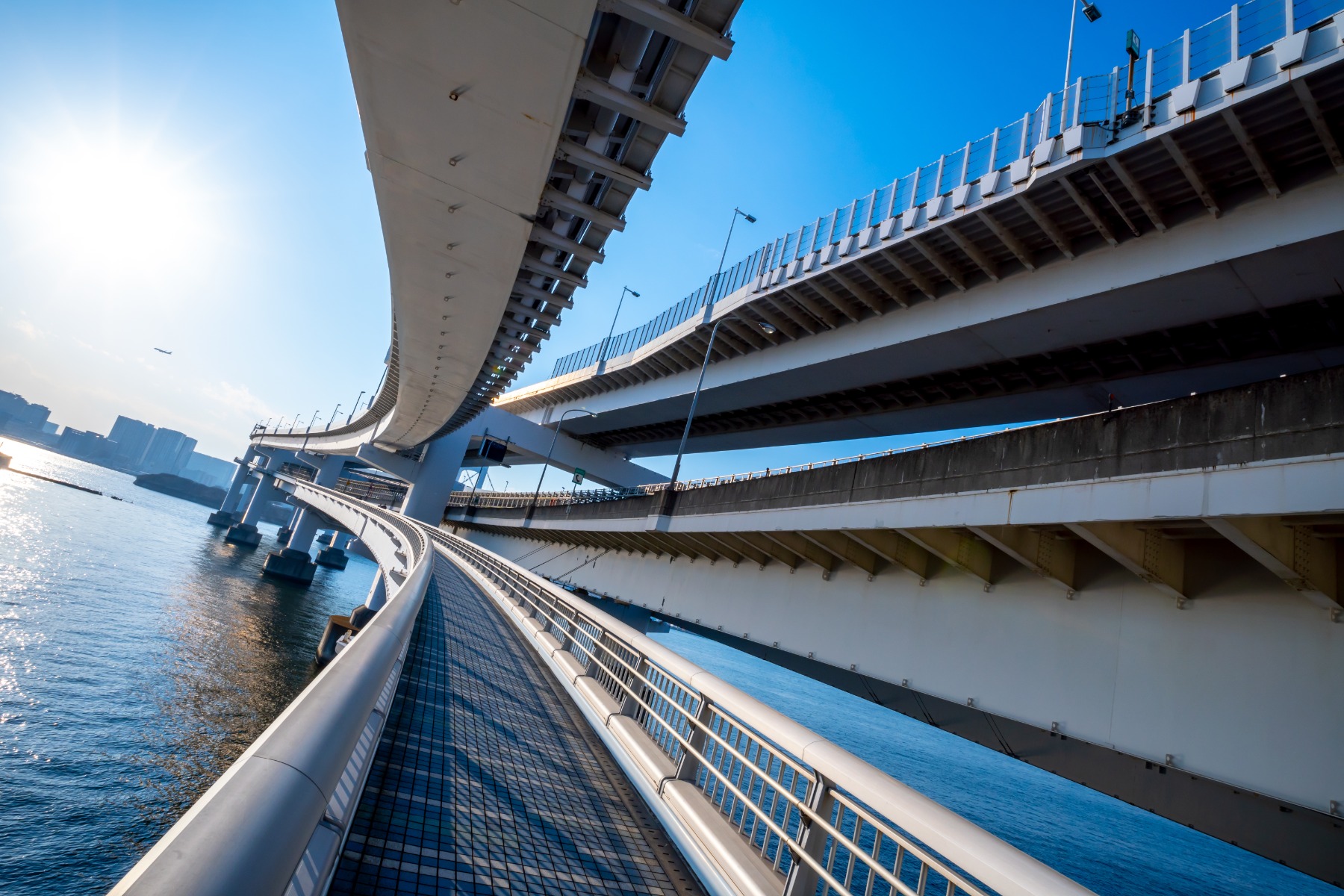
Wide-angle lenses capture expansive scenes. They’re perfect for photographing Table Mountain panoramas, the rolling hills of the Drakensberg, or large architectural landmarks in Johannesburg.

Standard lenses offer a natural perspective, similar to what the human eye sees. They’re versatile for everyday photography, cityscapes, and casual outdoor shots.
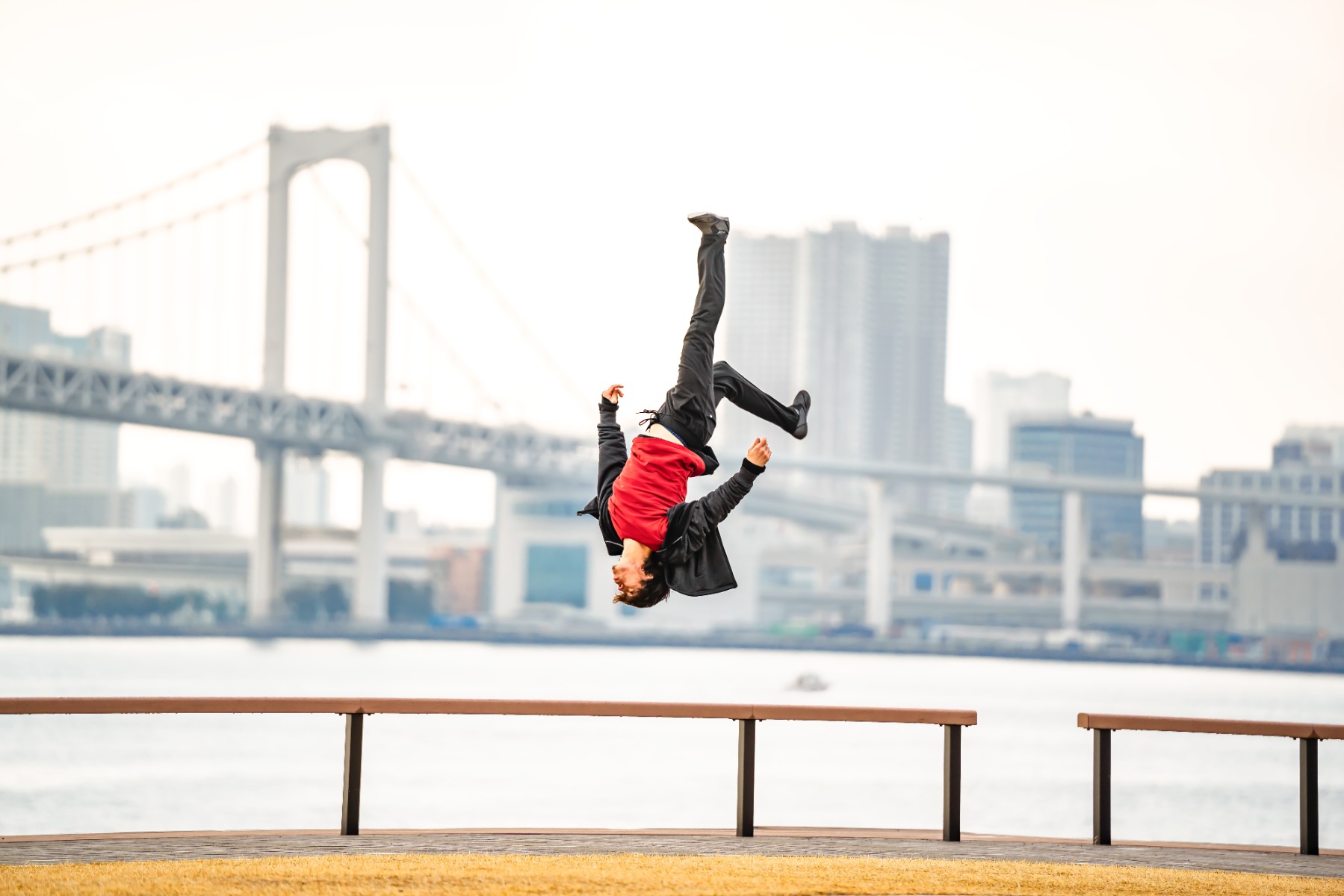
Telephoto lenses bring faraway subjects closer. Use them for photographing wildlife in Kruger National Park, birds at iSimangaliso Wetland Park, or athletes during rugby matches.
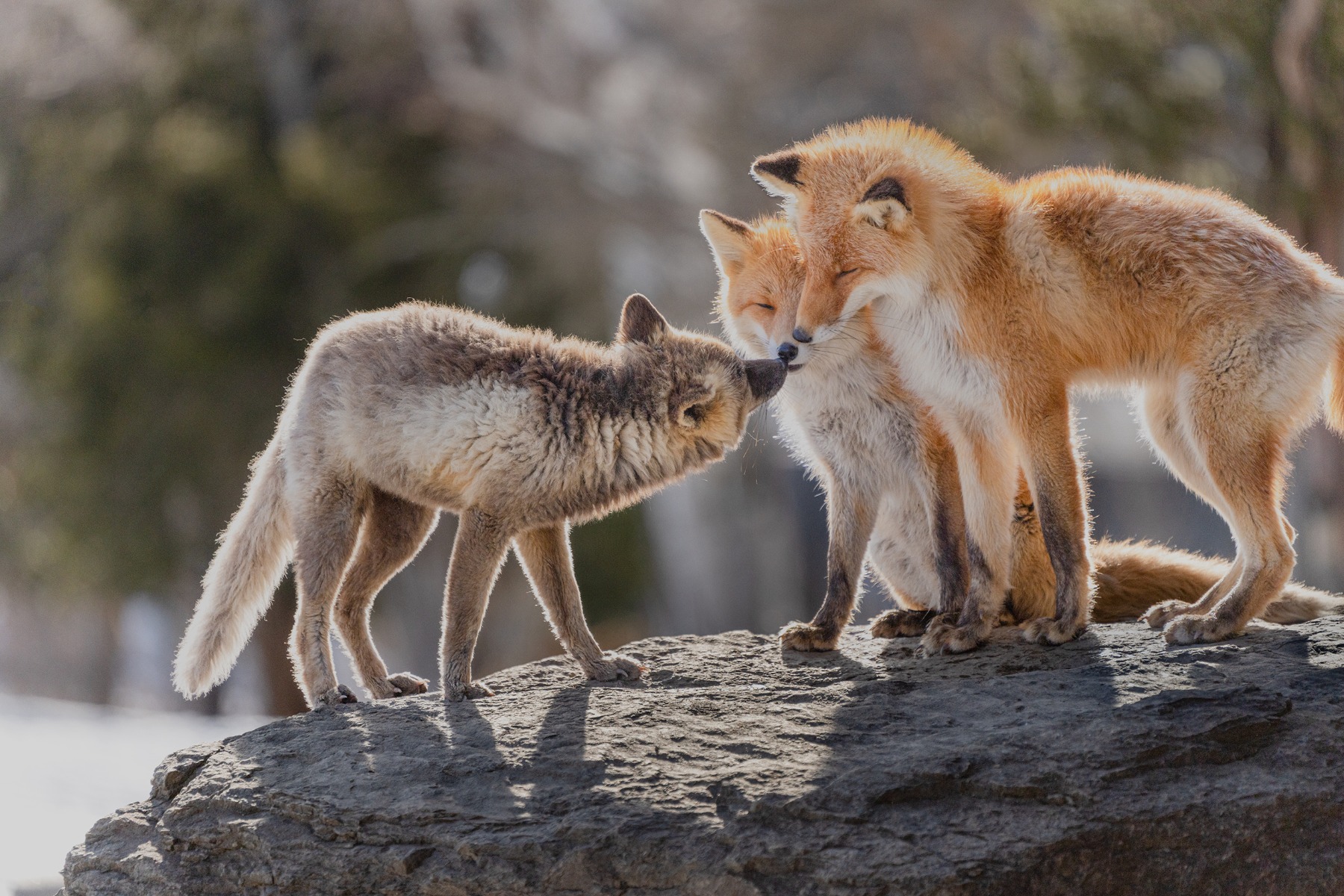
Ultra-telephoto lenses provide extreme magnification. They’re ideal for detailed wildlife shots, such as observing lions or elephants without disturbing their natural behavior.
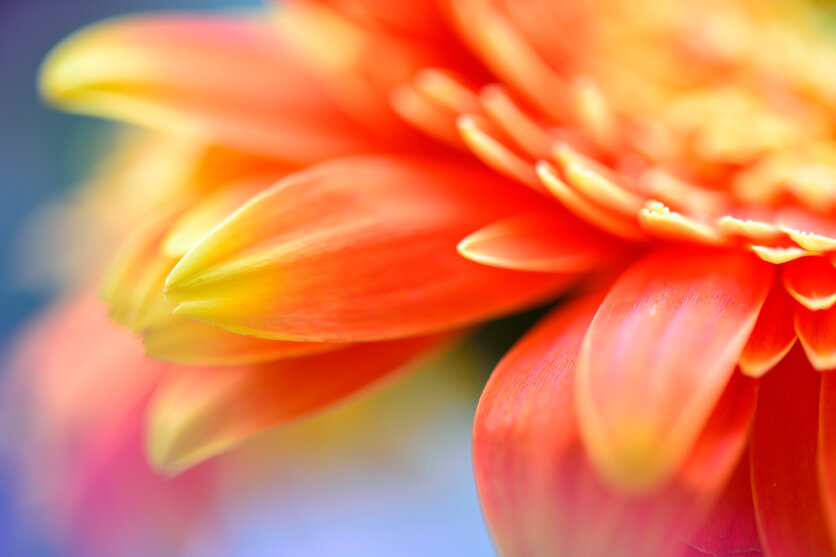
Macro lenses are designed for close-up photography. Capture the intricate details of South Africa’s national flower, the King Protea, or the textures of insects and crafts.
Consider what you’ll photograph most often. Wide-angle lenses suit landscapes and cityscapes, while telephoto or macro lenses are better for wildlife and close-up subjects.
Autofocus and image stabilization are crucial for action shots, low-light conditions, or handheld photography during a safari.
Heavy lenses can be challenging on long hikes or extended safari trips. Balance quality with ease of transport to ensure you can shoot comfortably all day.
Choose lenses with wide apertures (f/1.8–f/2.8) for portraits. They’re great for capturing sharp subjects with beautifully blurred backgrounds, such as street scenes in Cape Town or family portraits.
Wide-angle zooms or primes excel in capturing the sweeping vistas of the Drakensberg, the Karoo, or Table Mountain.
Telephoto lenses with fast autofocus are perfect for photographing rugby matches, cricket games, or surf competitions along the KwaZulu-Natal coast.
Macro lenses allow you to capture fine details of South African flora, insects, or crafts. They’re perfect for nature enthusiasts and creative photographers alike.
Understanding your lens’s characteristics allows you to use it effectively. Practice shooting in diverse South African environments—bustling city streets, serene beaches, or wildlife reserves—to maximize your lens’s potential.
With the right lenses, you can capture the stunning diversity of South Africa’s landscapes, wildlife, and culture in every photograph.